As Washington debates whether the country should repeal the Affordable Care Act, known as Obamacare, applicants are rushing to get covered, reportedly driving applications to a record high.
“I’m glad that the people understand the importance of getting coverage,” Donna Christensen, the former delegate for the U.S. Virgin Islands’ at-large district, told Cheddar on Wednesday.
But many still remain uninsured. According to the National Center for Health Statistics, 28.2 million people under the age of 65 did not have coverage in 2016.
For context, that's a smaller proportion than before Obamacare passed. The federal agency said that the percentage of people uninsured now stands at 9 percent, compared to 16 percent in 2010.
Many uninsured and current beneficiaries of the Act worry that a repeal would be in place by 2019 and that time is running out. However, Christensen argues that this is not the case. She says it’s going to be very hard for Congress to repeal ACA.
“The Affordable Care Act is still the law of the land,” the ex-congresswoman said, stating that she doubts a repeal would ever happen.
“It was not easy to get the law passed, but it’s going to be more difficult to take it away,” Christensen said.
She encouraged the uninsured to seek coverage by December 15th this year, pointing out that benefits will be valid into the next year.
Congressional Budget Office director Keith Hall put out a blog post on the federal agency’s website on Wednesday. He says that according to the CBO’s most recent baseline, repealing Obamacare's individual mandate would reduce the nation’s federal budget deficit by $338 billion within the next decade. That's less than the previous estimate of $416 billion, made last December.
These are the headlines you Need 2 Know for Friday, Aug. 9, 2019.
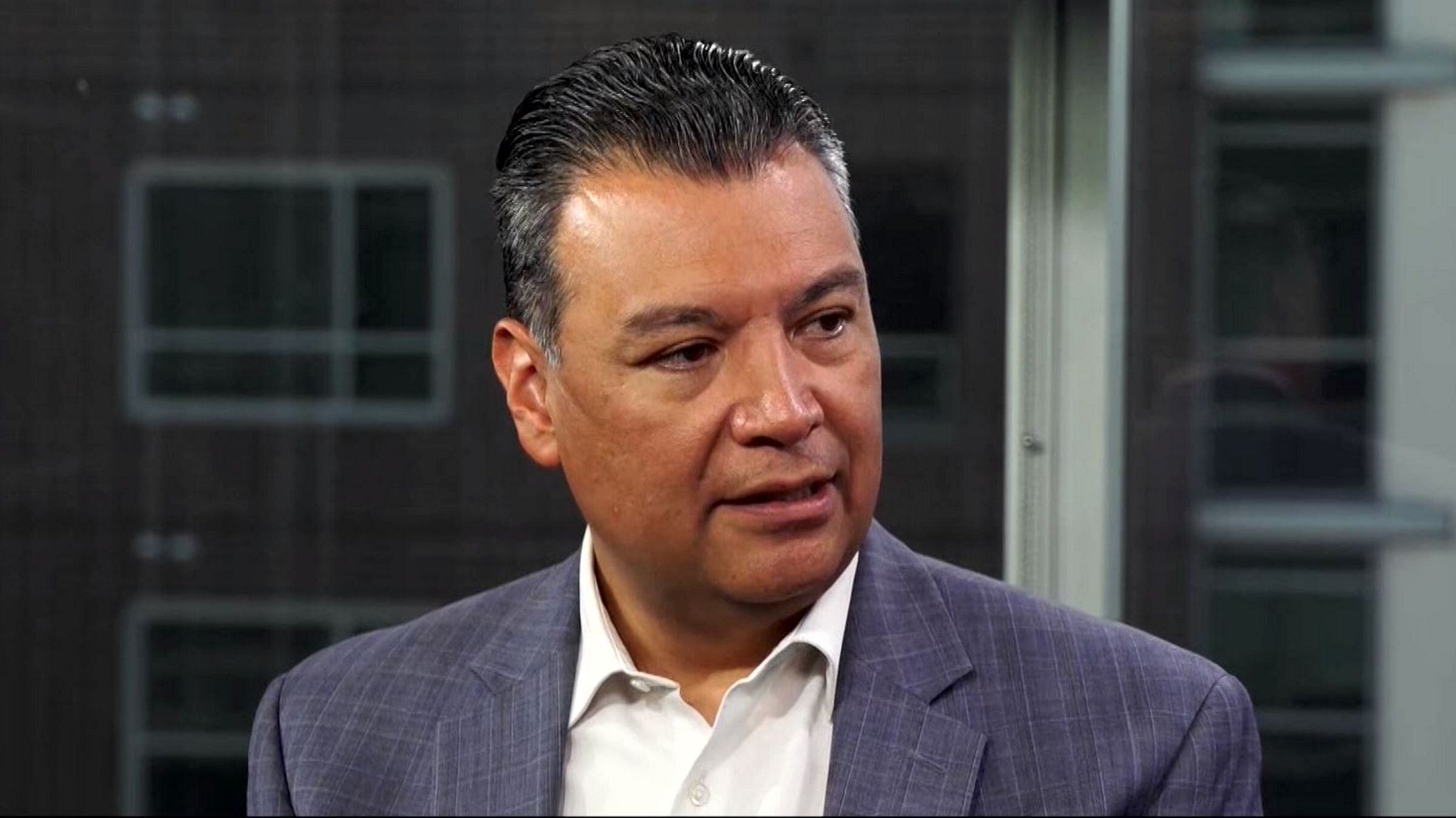
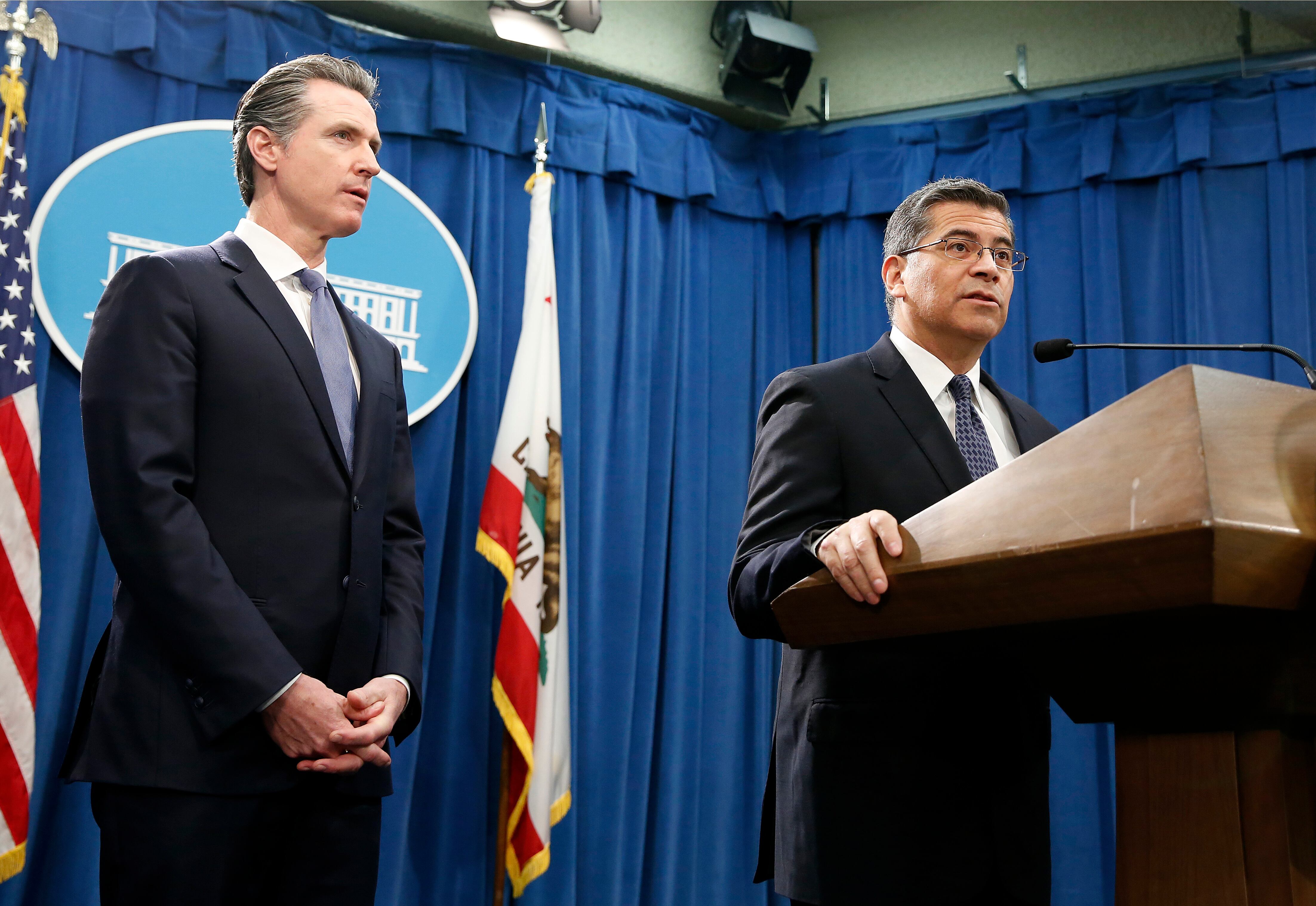
The Golden State's so-called "resistance" strategy, Alex Padilla said, is rooted in a three-pronged approach: legislation, legal challenges, and civil society organization.
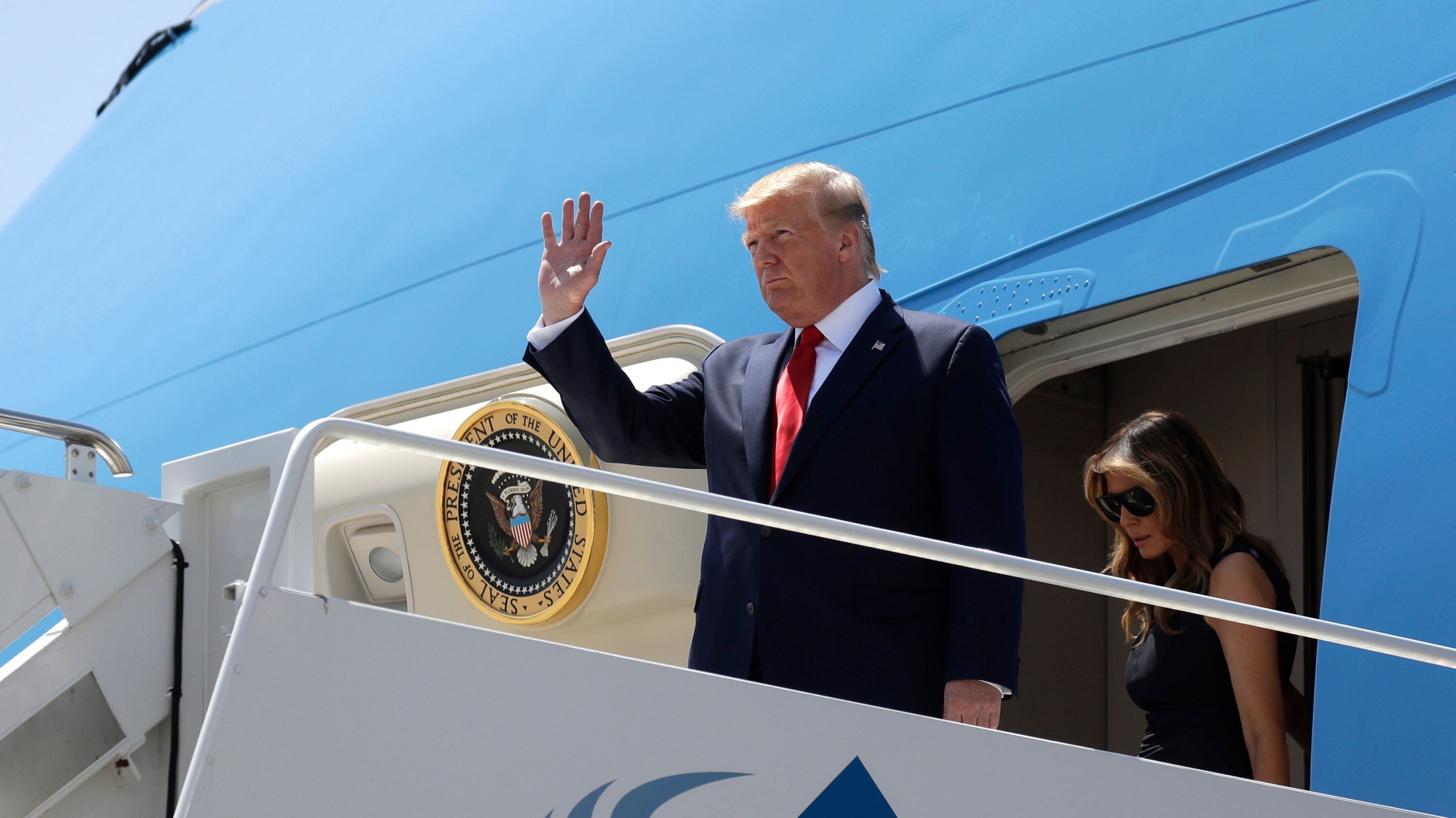
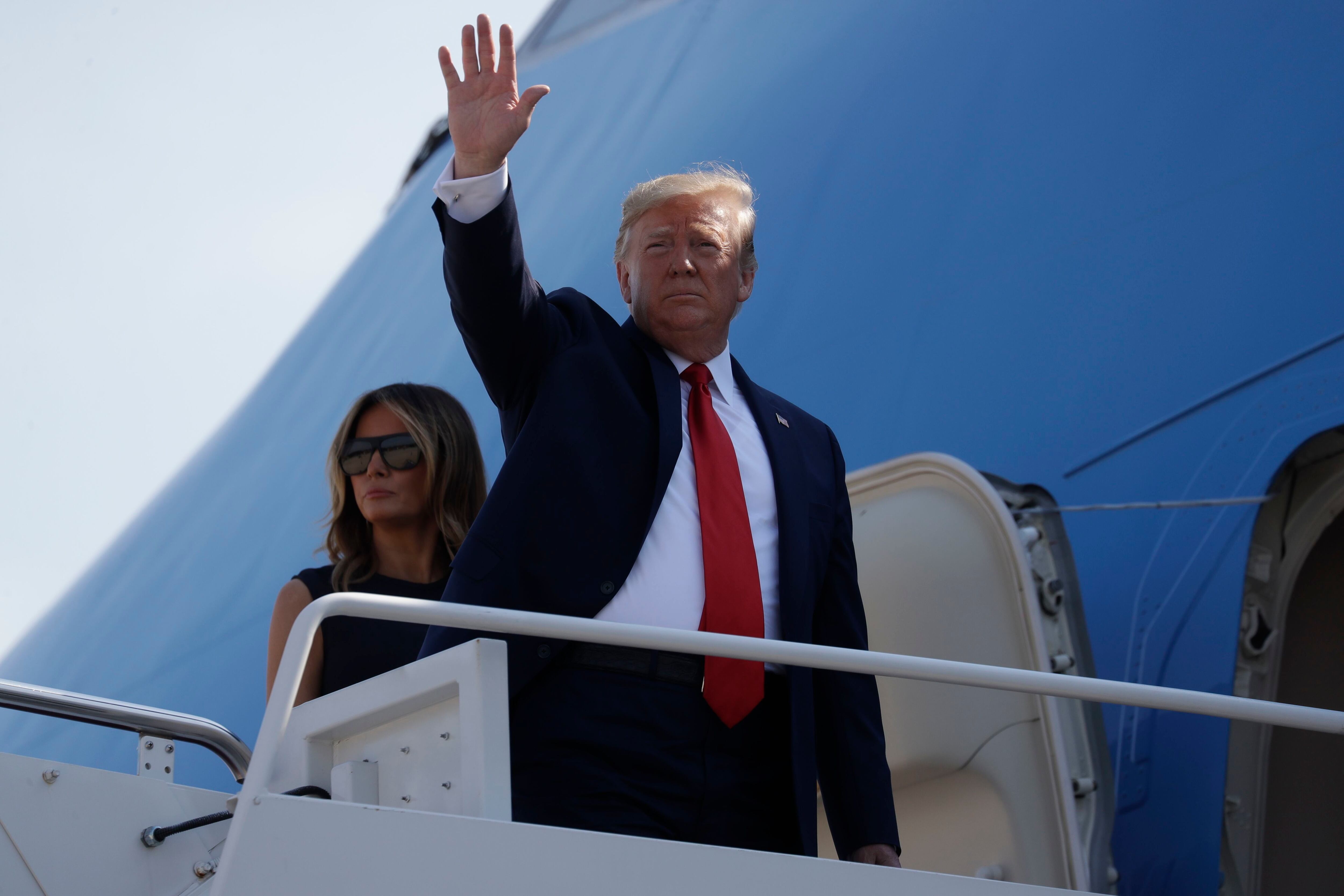
President Trump traveled to El Paso, Texas and Dayton, Ohio on Wednesday, two cities grieving after separate mass shootings killed at least 31 people over the weekend. The president, however, was greeted with large protests in both cities as residents and lawmakers expressed their anger over Trump’s divisive leadership and refusal to support stricter gun control measures.
The rule would be the latest move by the White House against Huawei. The Chinese tech giant was deemed to be a threat to U.S. national security in May and has since been a central component of the ongoing trade dispute between the U.S. and China.
China has historically been one of U.S. farmers' largest buyers, making the sector a prime target for Beijing's retaliatory tariffs.
On this episode of 'Your Cheddar': how one entrepreneur leverages technology to build her brand and monetize her expertise, and the CEO and co-founder of Pillar joins the show to discuss how his platform helps others manage their student loan debt. Cheddar also hits the streets to ask New Yorkers how they would decide between easy money and spending quality time with their favorite celebrities.
President Trump is scheduled on Wednesday to visit El Paso, Texas and Dayton, Ohio, two cities still grieving after separate mass shootings killed at least 31 people over the weekend. The president’s visits, however, have created an atmosphere of angst and unease.
President Trump and the Republican party filed multiple lawsuits on Tuesday to block California’s recently implemented law that requires presidential hopefuls to release their tax returns in order to appear on the state’s primary ballot.
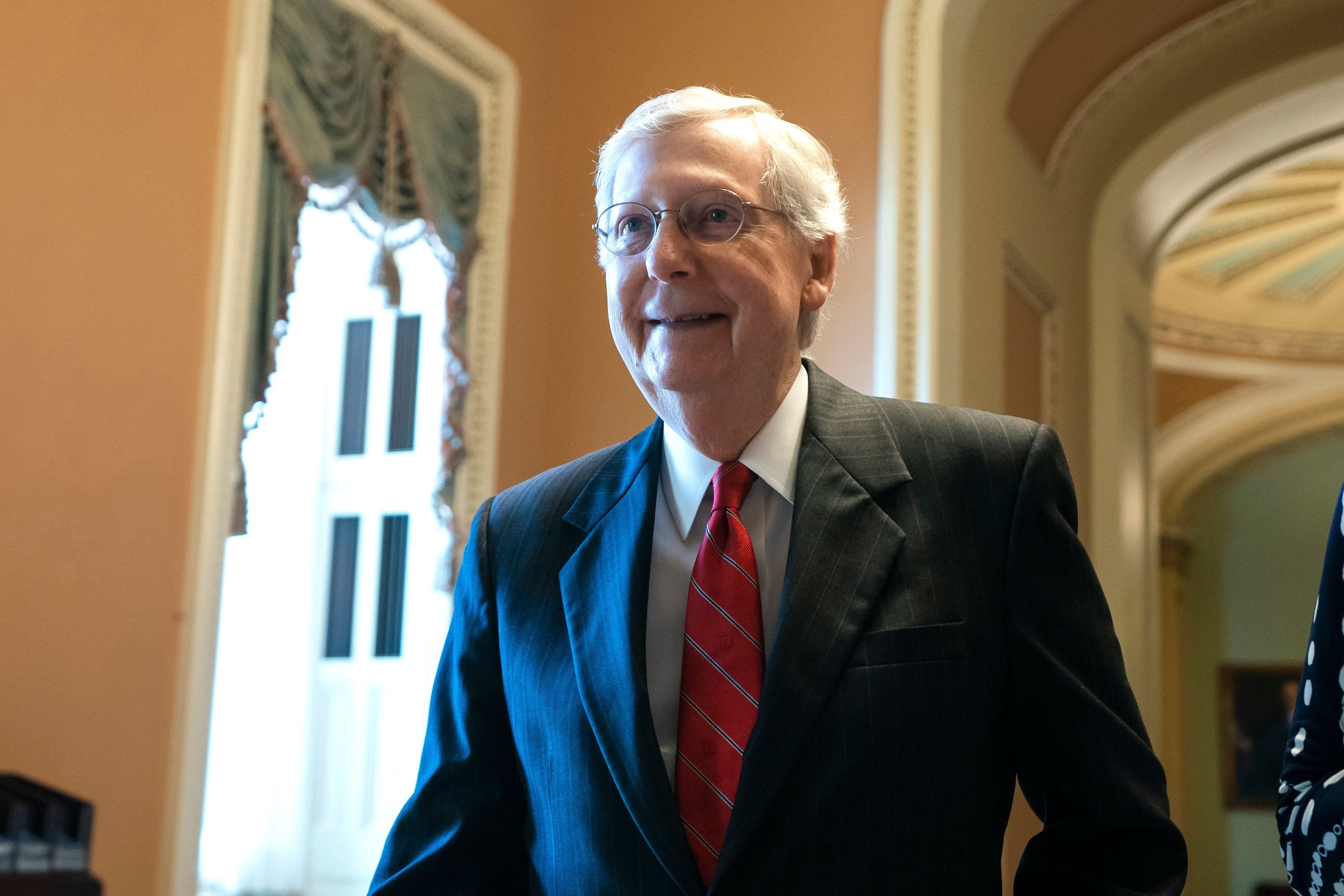
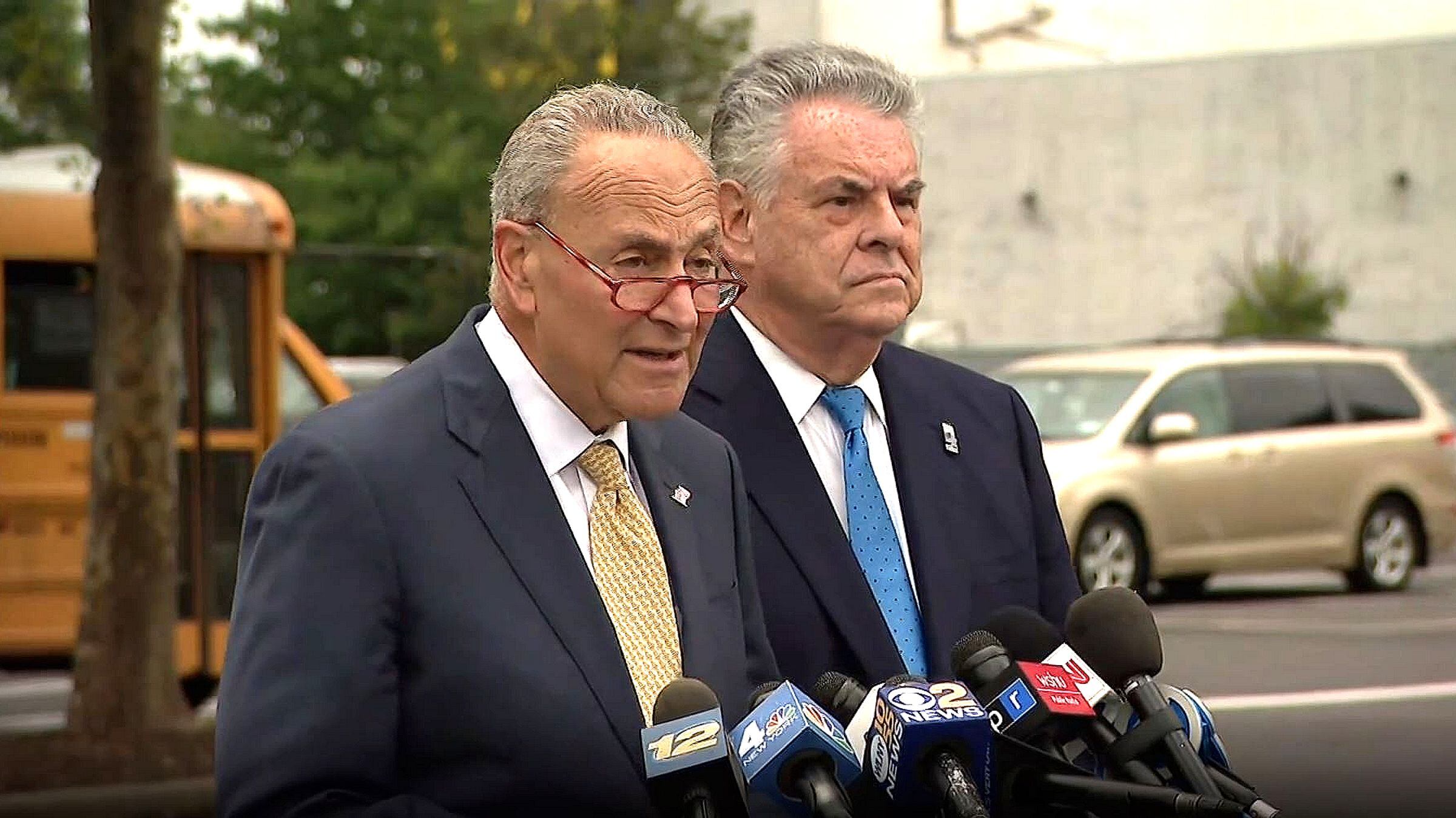
Democratic Sen. Chuck Schumer and Republican Rep. Peter King publicly called on Senate Majority Leader Mitch McConnell to hold a vote on a bipartisan background check legislation, just days after two back-to-back mass shootings in El Paso and Dayton killed over 30 people.
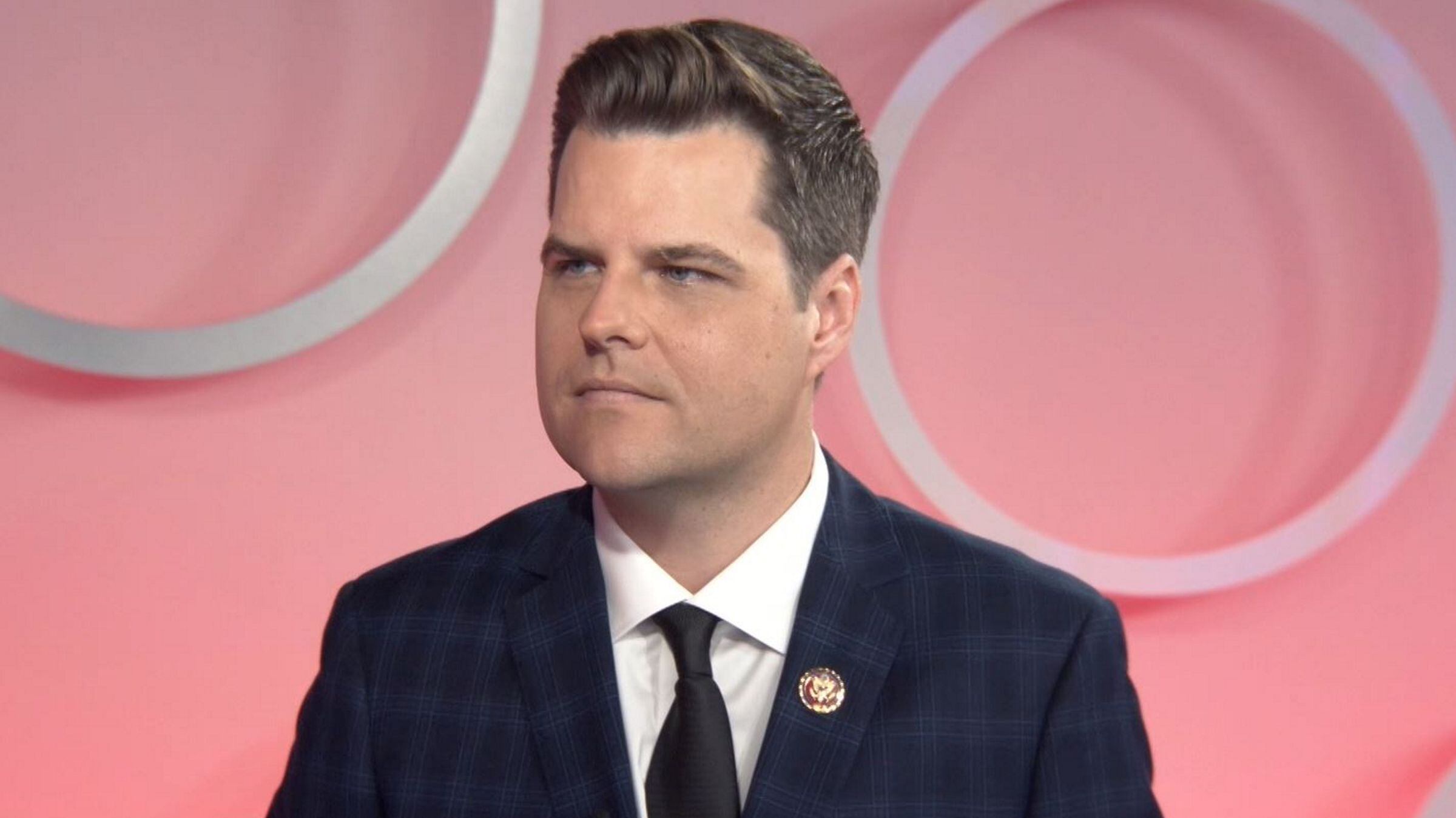
Congressman Matt Gaetz told Cheddar Monday that a focus on mental health is the answer to stop domestic-based gun violence, not gun control or background checks.