As Washington debates whether the country should repeal the Affordable Care Act, known as Obamacare, applicants are rushing to get covered, reportedly driving applications to a record high.
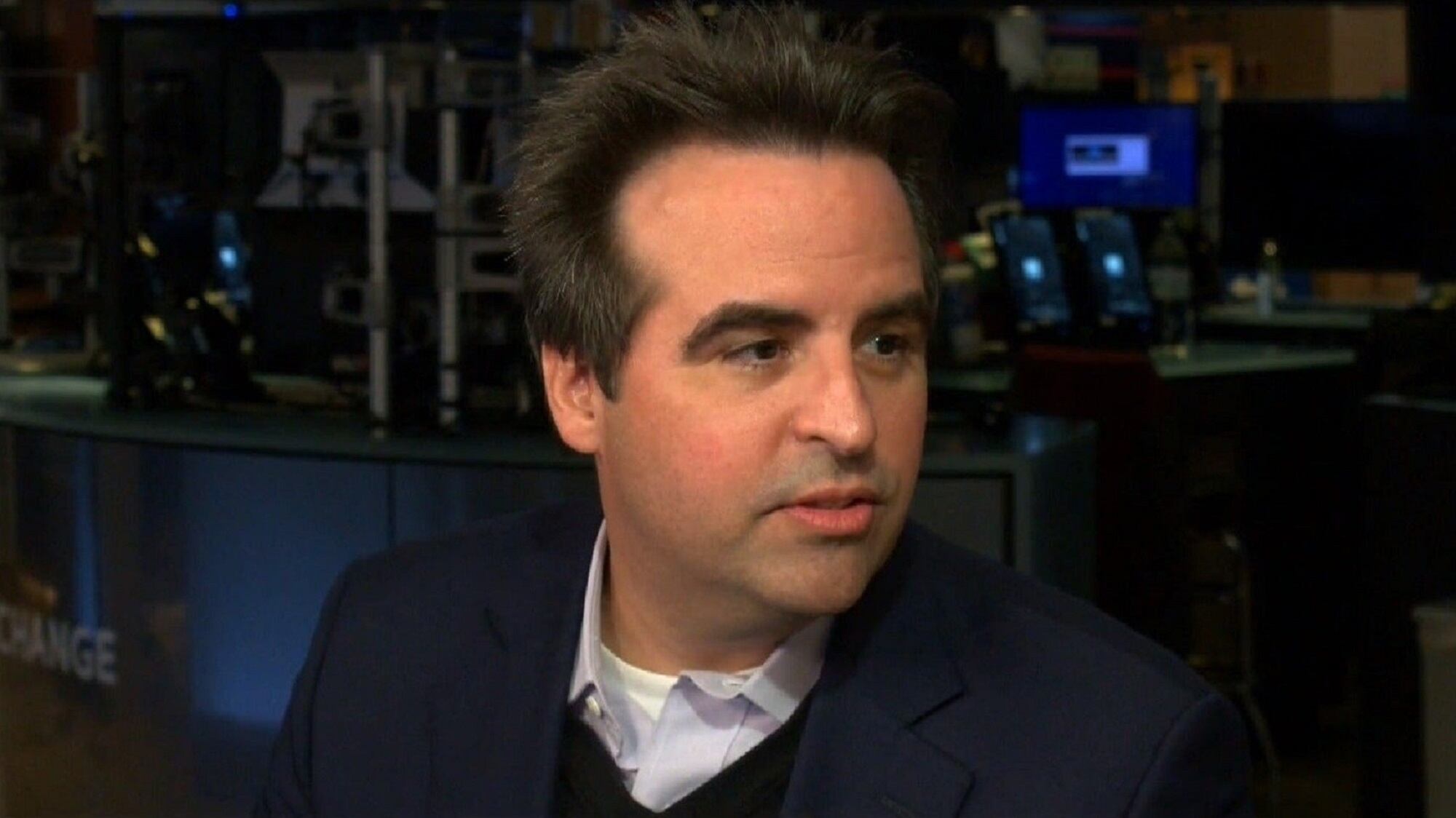
“I’m glad that the people understand the importance of getting coverage,” Donna Christensen, the former delegate for the U.S. Virgin Islands’ at-large district, told Cheddar on Wednesday.
But many still remain uninsured. According to the National Center for Health Statistics, 28.2 million people under the age of 65 did not have coverage in 2016.
For context, that's a smaller proportion than before Obamacare passed. The federal agency said that the percentage of people uninsured now stands at 9 percent, compared to 16 percent in 2010.
Many uninsured and current beneficiaries of the Act worry that a repeal would be in place by 2019 and that time is running out. However, Christensen argues that this is not the case. She says it’s going to be very hard for Congress to repeal ACA.
“The Affordable Care Act is still the law of the land,” the ex-congresswoman said, stating that she doubts a repeal would ever happen.
“It was not easy to get the law passed, but it’s going to be more difficult to take it away,” Christensen said.
She encouraged the uninsured to seek coverage by December 15th this year, pointing out that benefits will be valid into the next year.
Congressional Budget Office director Keith Hall put out a blog post on the federal agency’s website on Wednesday. He says that according to the CBO’s most recent baseline, repealing Obamacare's individual mandate would reduce the nation’s federal budget deficit by $338 billion within the next decade. That's less than the previous estimate of $416 billion, made last December.
In the aftermath of earthquakes, one of the U.S. territory’s top architects is making the case for short-term assistance combined with long-term vision.
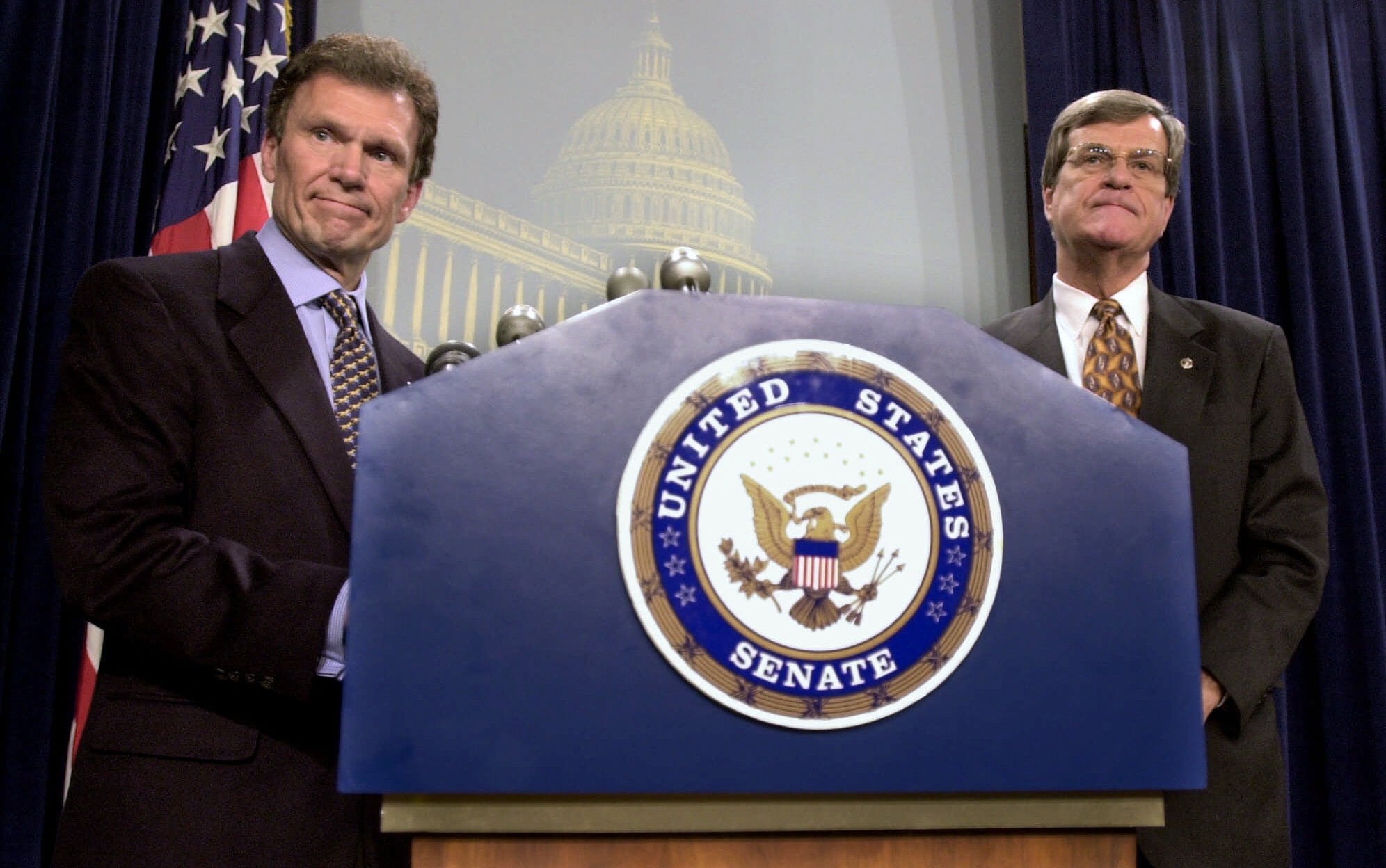
When President Bill Clinton was impeached more than 20 years ago, the Senate leaders who controlled his fate say they sought to appear neutral and separate from the White House and wanted to make the trial a bipartisan process. At least that’s how Trent Lott and Tom Daschle remember it today.
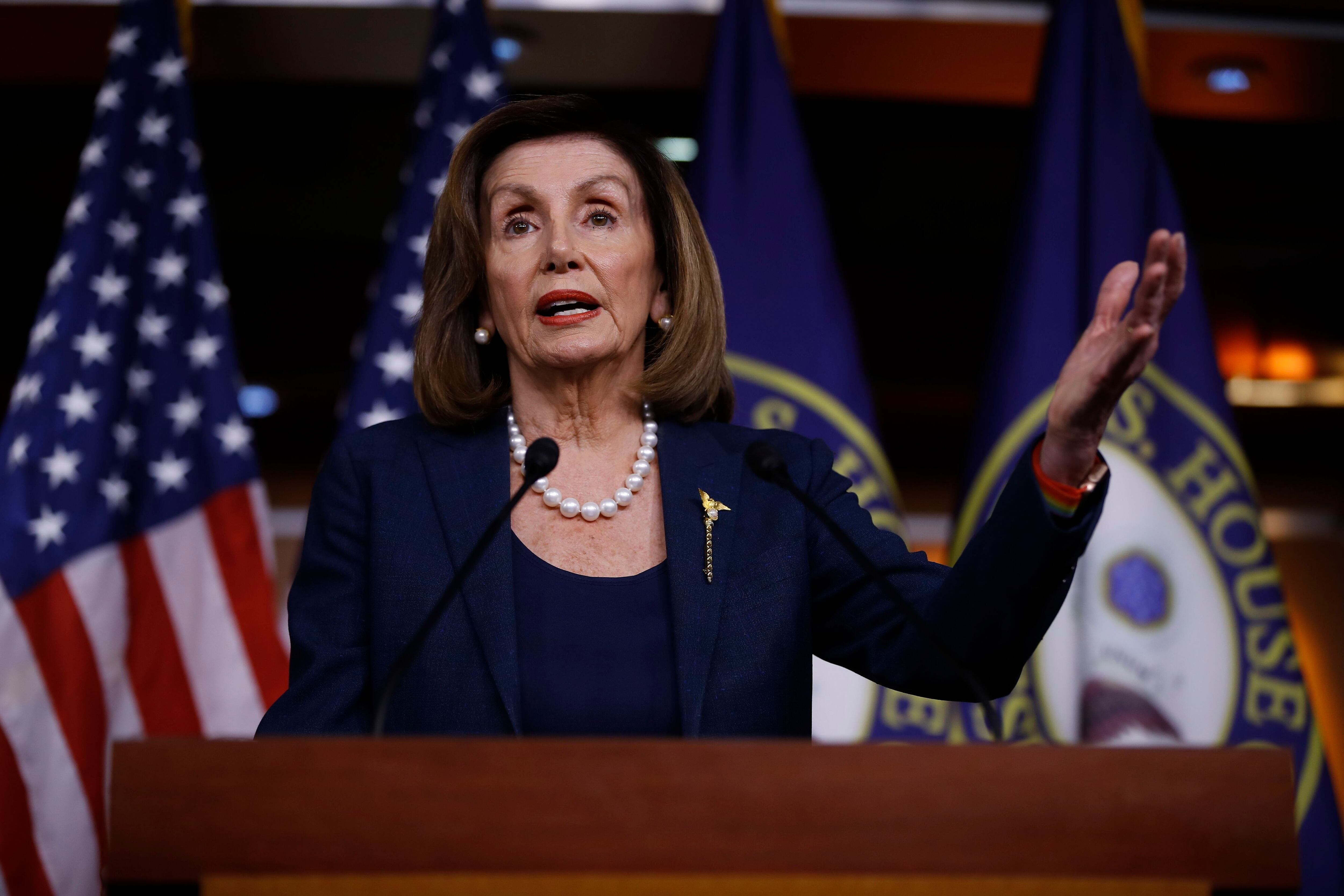
House Speaker Nancy Pelosi called Facebook’s behavior “shameful” during her weekly press conference Thursday.
The federal government's watchdog agency said Thursday a White House office violated federal law in withholding security assistance to Ukraine.
These are the headlines you Need 2 Know for Thursday, January 16, 2020.
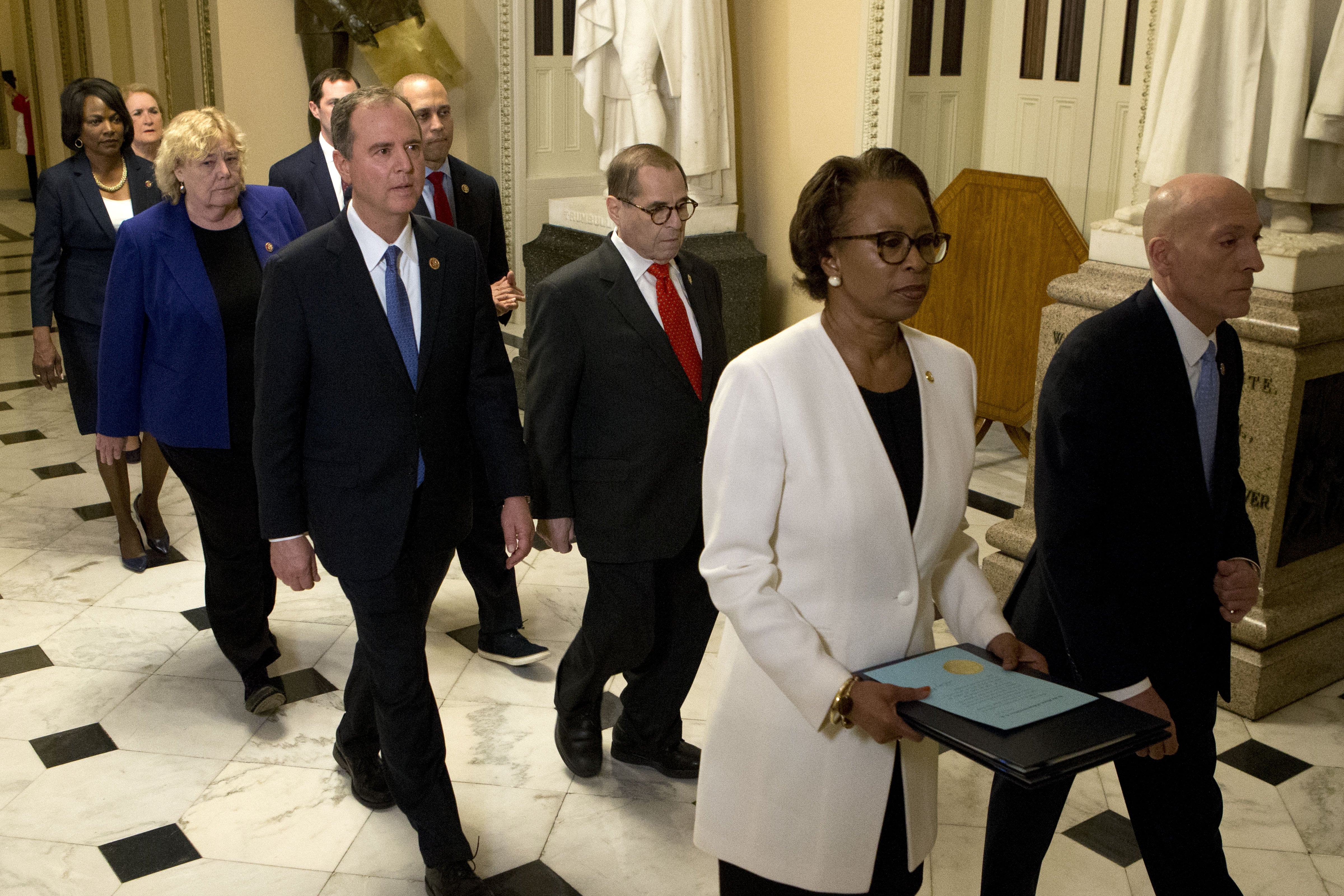
The House delivered the articles of impeachment against President Donald Trump to the Senate Wednesday hours after Speaker Nancy Pelosi named seven managers to handle prosecute the trial.
“[Trump] would win right now because the Democrats have not succeeded in making this election a referendum on Trump,” longtime Republican and political strategist Rick Wilson told Cheddar on the eve of another sort of referendum — the president’s impeachment trial.
President Trump signed a so-called "phase one" trade deal with China on Wednesday, signaling a détente in a protracted trade war that resulted in hundreds of billions of dollars of tariffs being exchanged on exports between the world's two largest economies over the better part of two years.
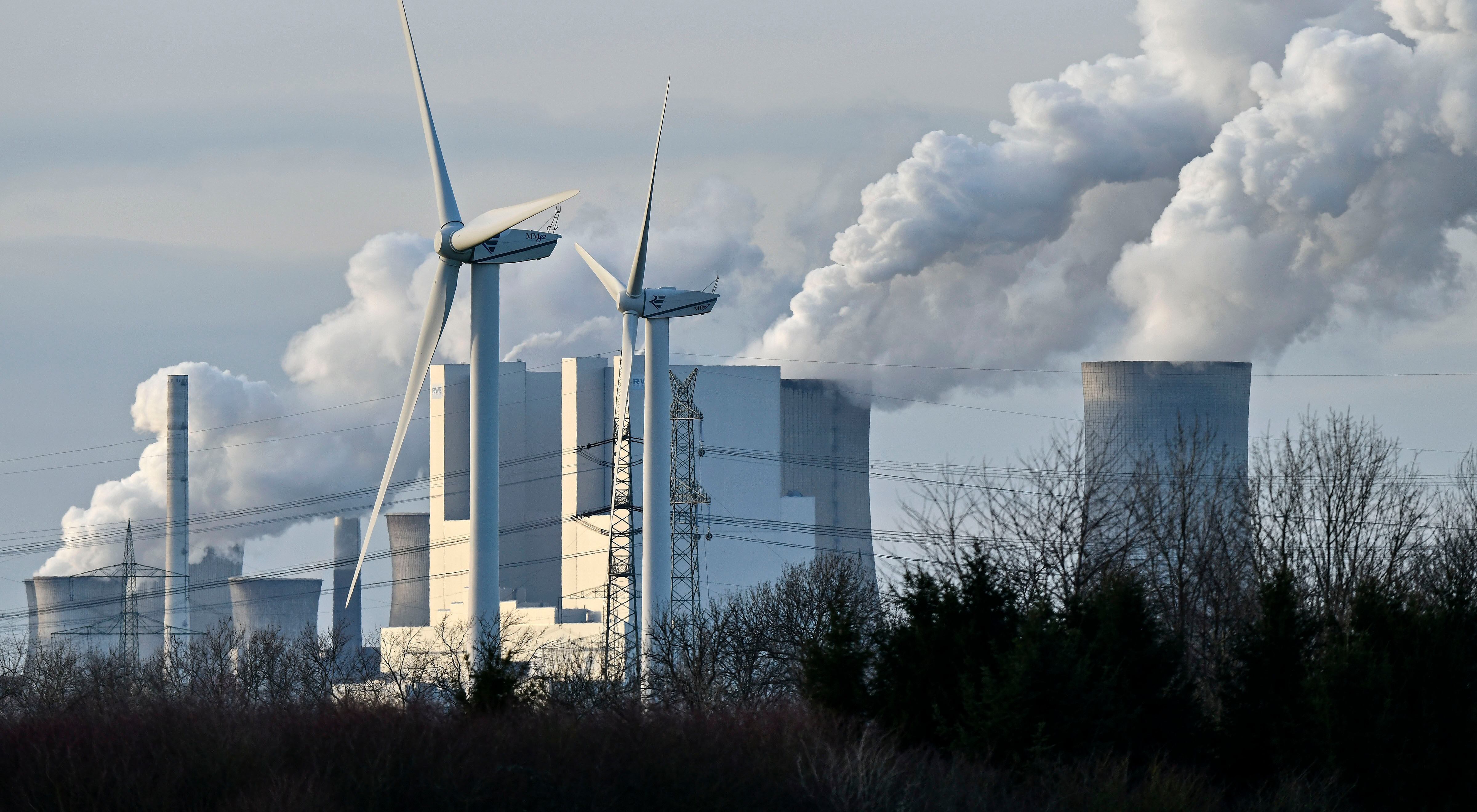
Weeks after the White House unexpectedly derailed a bipartisan tax deal for electric vehicles, offshore wind energy, and other major green priorities, dozens of emissaries from the nation’s renewable energy industries and environmental advocacy groups are gathering in the nation’s capital to begin charting their green-energy push for 2020 — and to dissect what went wrong in the final hours of its 2019 influence campaign.
Here are the headlines you Need 2 Know for Wednesday, January 15, 2020.