As Washington debates whether the country should repeal the Affordable Care Act, known as Obamacare, applicants are rushing to get covered, reportedly driving applications to a record high.
“I’m glad that the people understand the importance of getting coverage,” Donna Christensen, the former delegate for the U.S. Virgin Islands’ at-large district, told Cheddar on Wednesday.
But many still remain uninsured. According to the National Center for Health Statistics, 28.2 million people under the age of 65 did not have coverage in 2016.
For context, that's a smaller proportion than before Obamacare passed. The federal agency said that the percentage of people uninsured now stands at 9 percent, compared to 16 percent in 2010.
Many uninsured and current beneficiaries of the Act worry that a repeal would be in place by 2019 and that time is running out. However, Christensen argues that this is not the case. She says it’s going to be very hard for Congress to repeal ACA.
“The Affordable Care Act is still the law of the land,” the ex-congresswoman said, stating that she doubts a repeal would ever happen.
“It was not easy to get the law passed, but it’s going to be more difficult to take it away,” Christensen said.
She encouraged the uninsured to seek coverage by December 15th this year, pointing out that benefits will be valid into the next year.
Congressional Budget Office director Keith Hall put out a blog post on the federal agency’s website on Wednesday. He says that according to the CBO’s most recent baseline, repealing Obamacare's individual mandate would reduce the nation’s federal budget deficit by $338 billion within the next decade. That's less than the previous estimate of $416 billion, made last December.
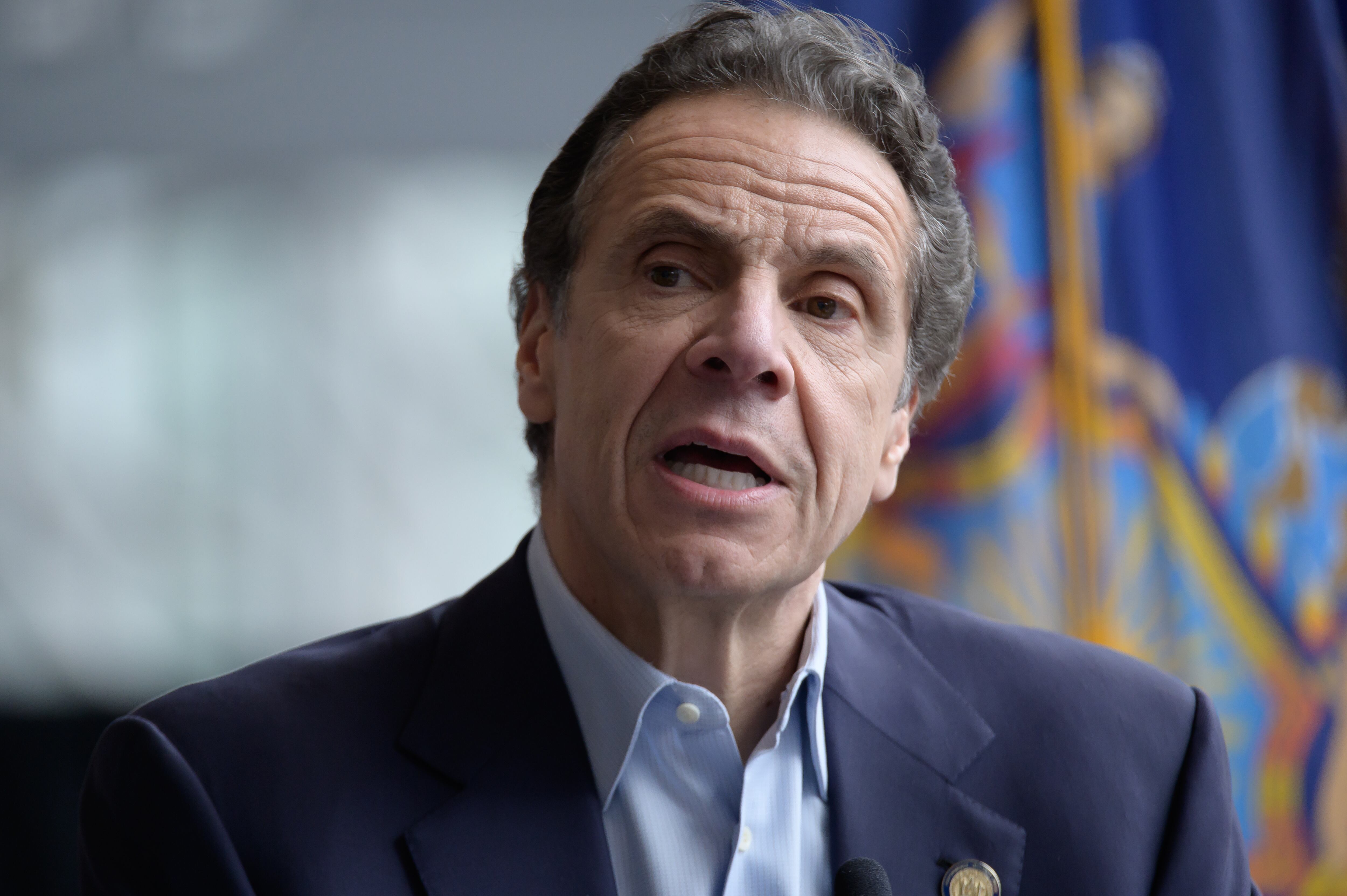
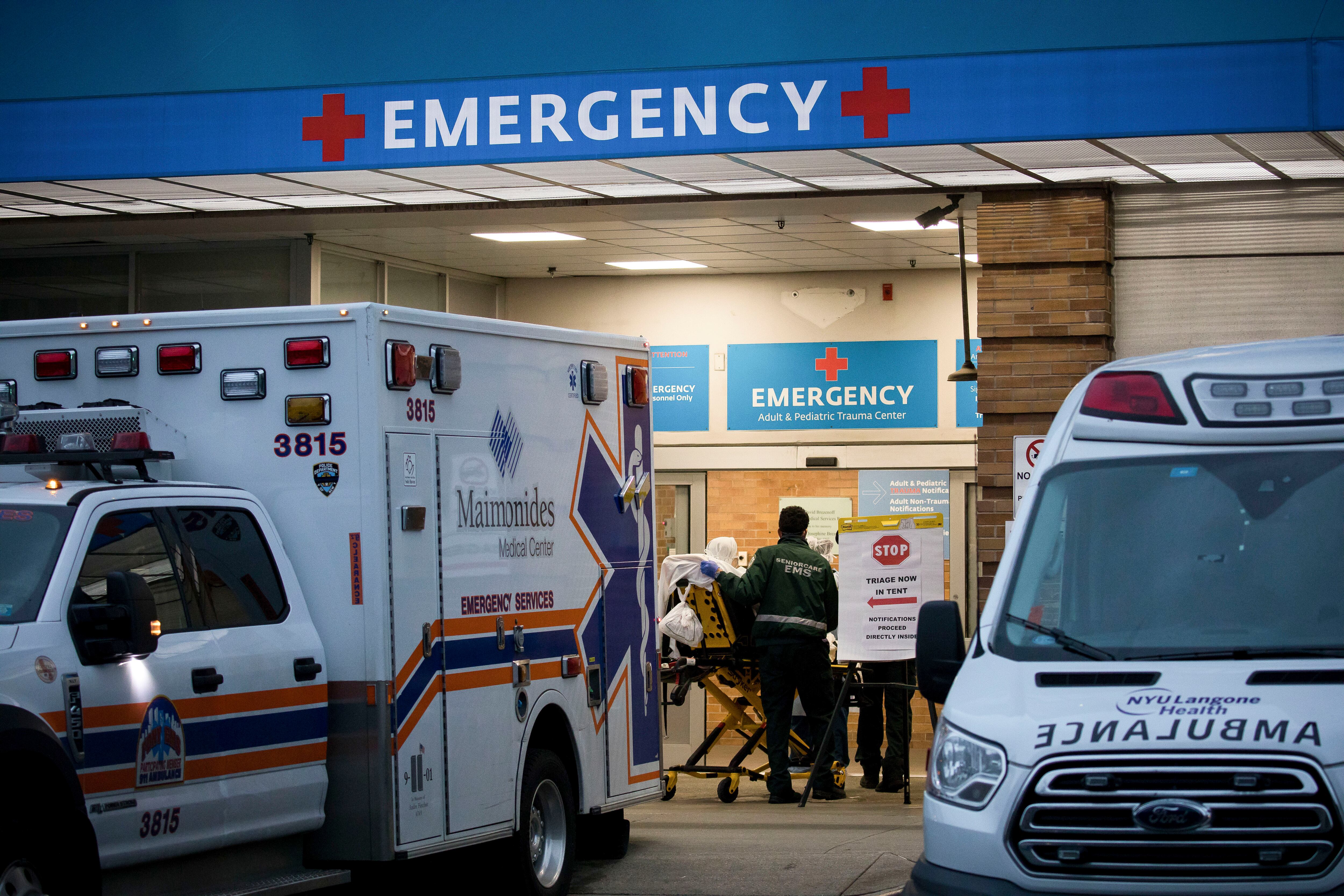
During a Wednesday press conference, New York Gov. Andrew Cuomo said social distancing will be key to making sure state hospitals can handle the apex of cases expected in late April.
Tal Cohen, executive vice president and head of Nasdaq's North American Markets, told Cheddar Wednesday that the markets are beginning to grasp how to function during the outbreak.
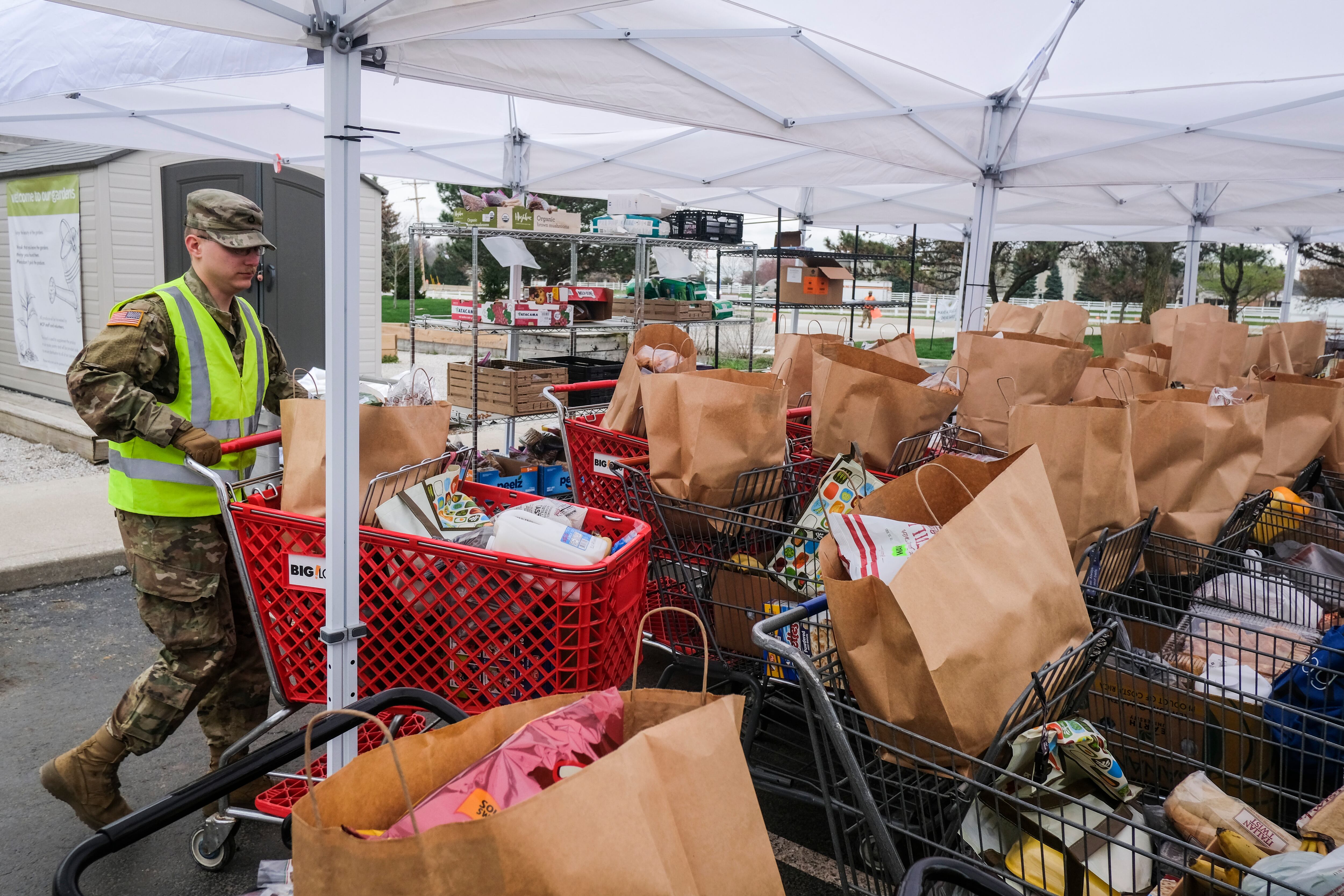
Sabine Altendorf of the Food and Agriculture Organization of the United Nations warned that while so far the impact of the rapidly evolving crisis on food supply has been limited, it could change drastically.
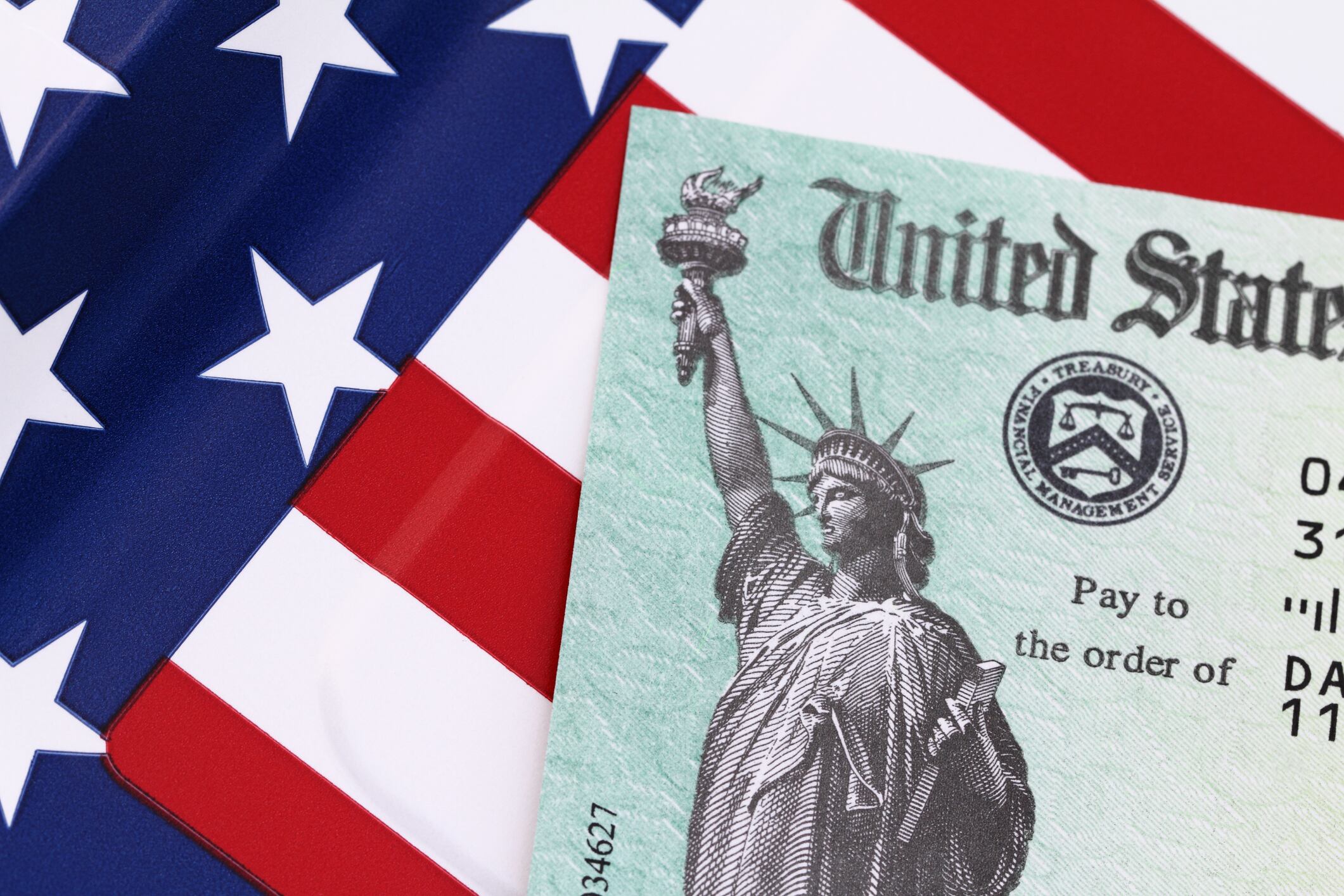
Coronavirus stimulus checks are going to be distributed in the next three weeks, the Internal Revenue Service said Monday, and offered a little bit more clarity on how people can actually get their payments.
Stocks are sinking again on Wall Street as more signs piled up of the economic and physical pain being caused by the coronavirus outbreak.
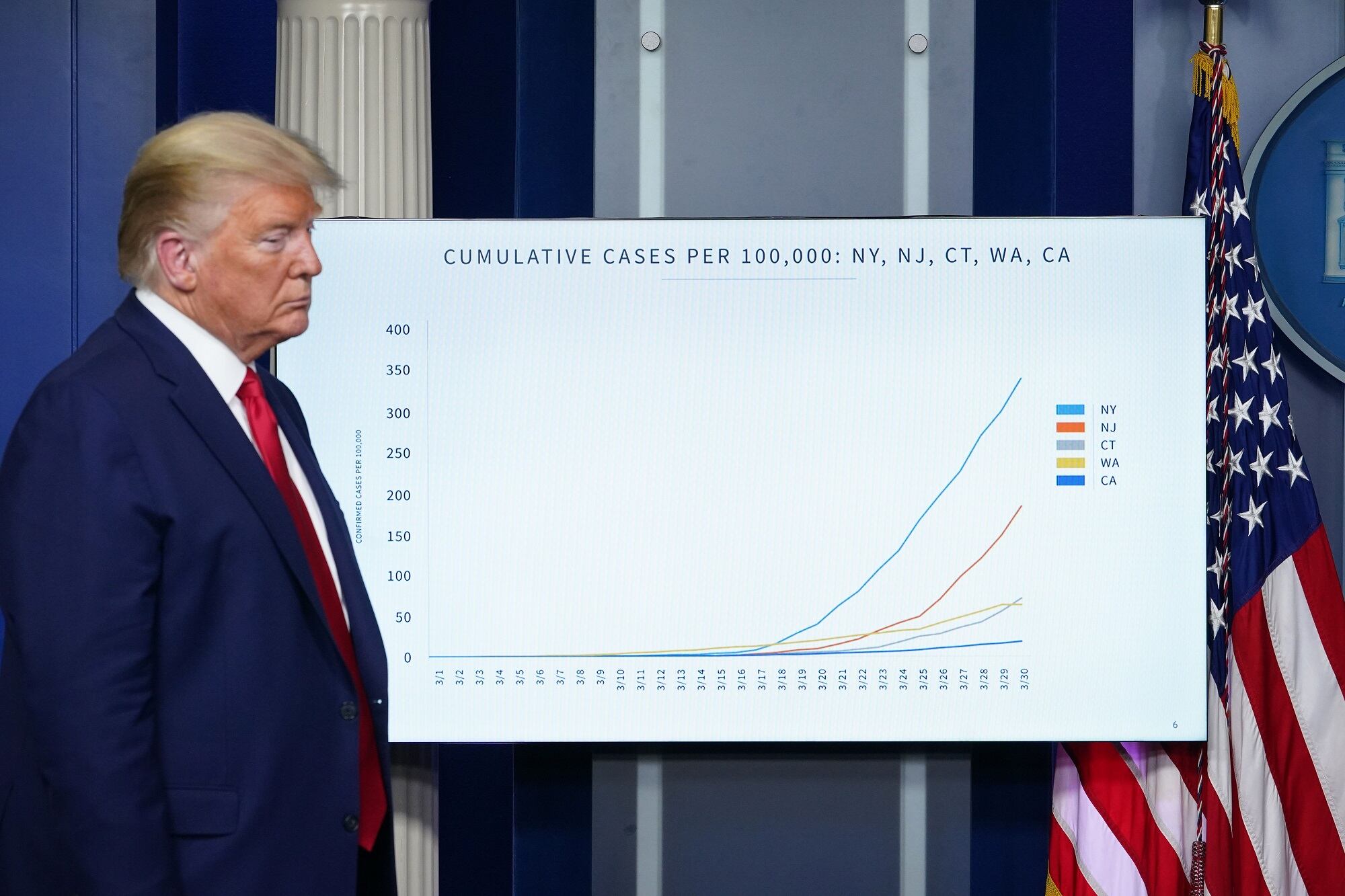
President Donald Trump on Tuesday warned Americans to brace for a “rough two-week period” ahead as the White House released new projections that there could be 100,000 to 240,000 deaths in the U.S. from the coronavirus pandemic even if current social distancing guidelines are maintained.
As some see promising returns from California’s early shelter in place orders, Governor Gavin Newsom announced Tuesday a growing number of cases and hospitalizations in the state as a record number of Californians file for unemployment.
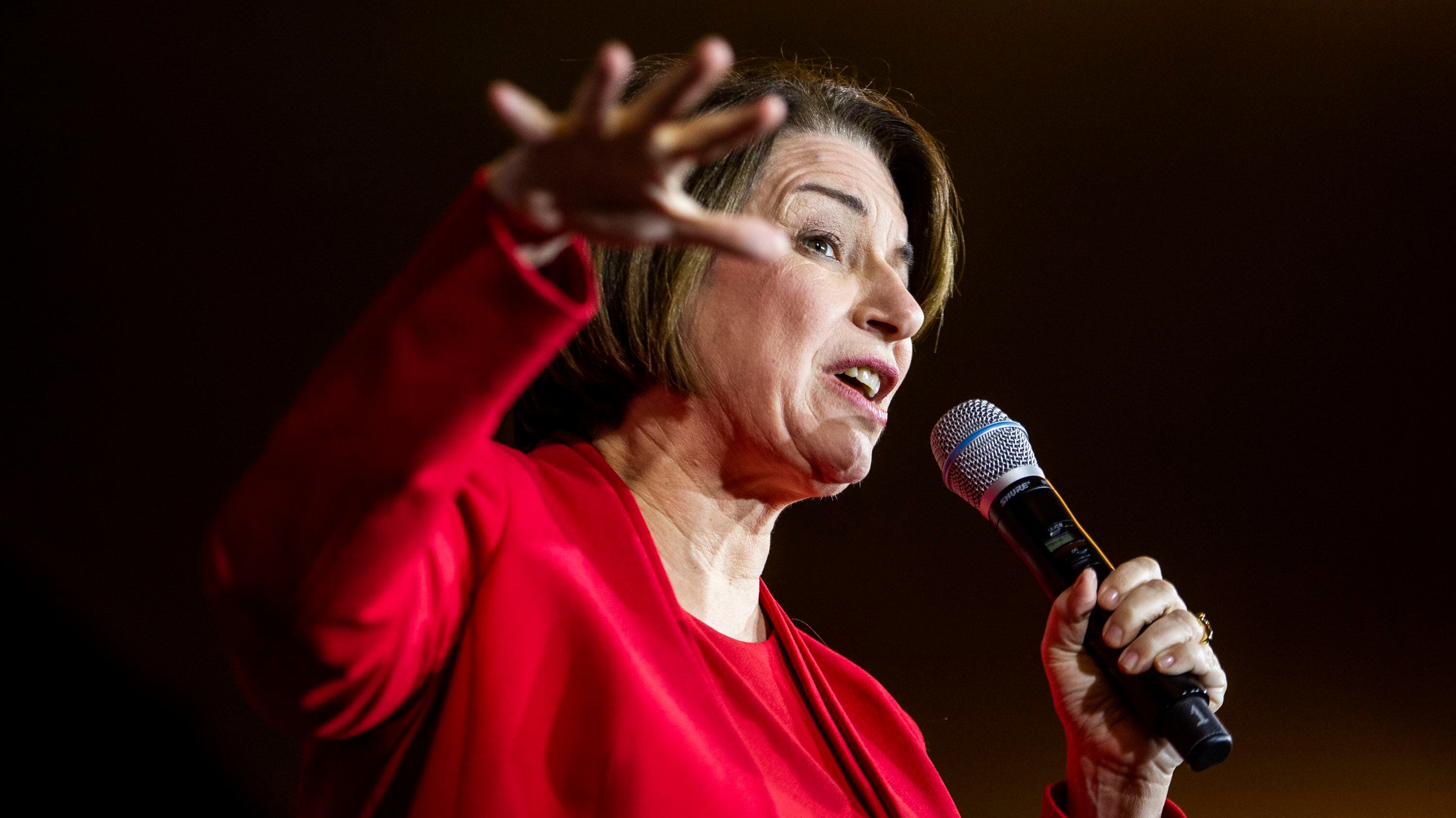
Senator Amy Klobuchar told Cheddar on Tuesday that Americans need cash from canceled flights to provide immediate relief, but airline executives have not responded to the call.
Parsing the data from around the world is showing a stark difference in how the COVID-19 pandemic is impacting mortality and socioeconomic suffering along gender lines.
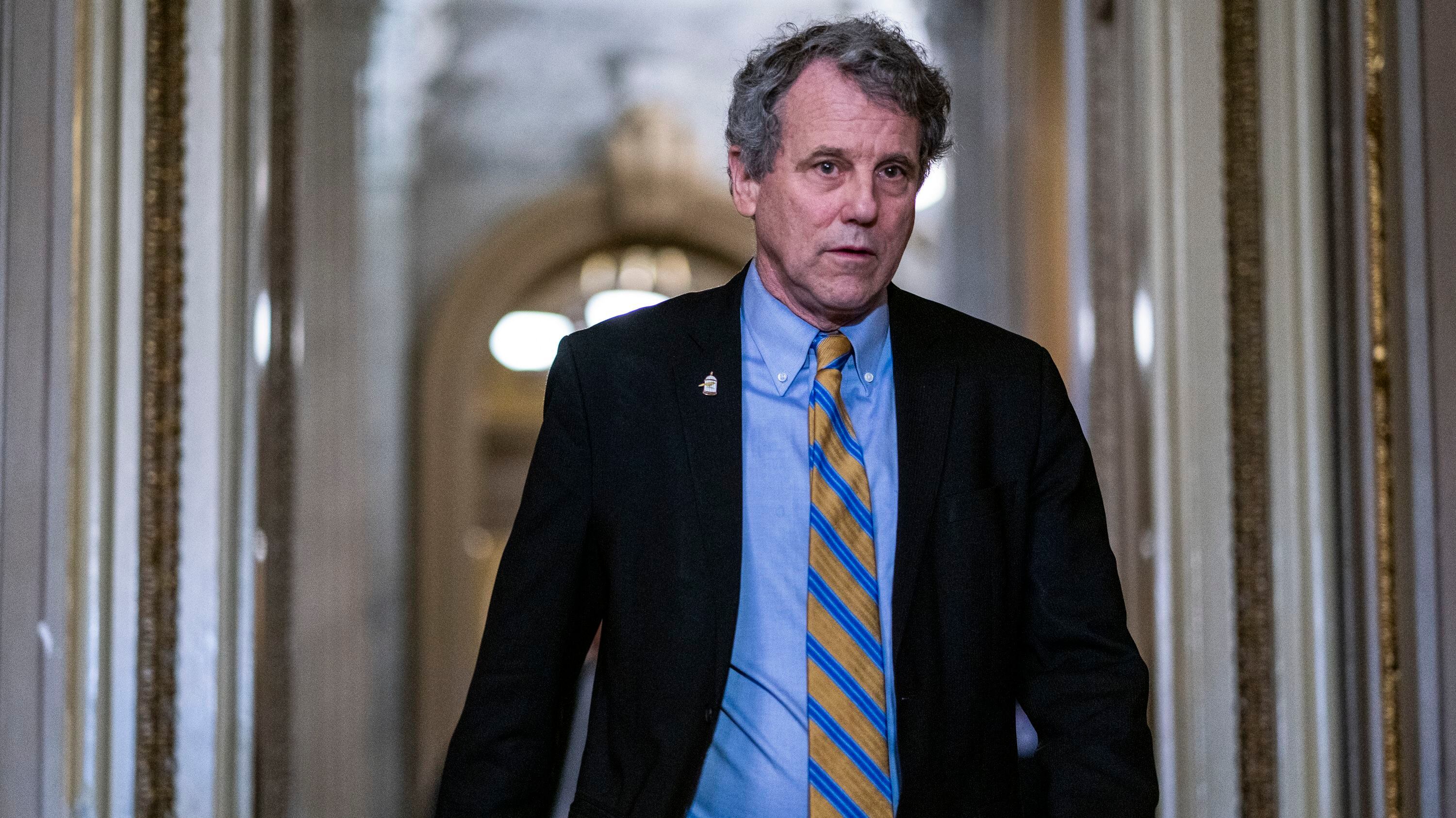
Ohio Senator Sherrod Brown is pushing forward with his proposal to provide a $10,000 payoff to all federal student loan borrowers in the next round of stimulus funding.