As Washington debates whether the country should repeal the Affordable Care Act, known as Obamacare, applicants are rushing to get covered, reportedly driving applications to a record high.
“I’m glad that the people understand the importance of getting coverage,” Donna Christensen, the former delegate for the U.S. Virgin Islands’ at-large district, told Cheddar on Wednesday.
But many still remain uninsured. According to the National Center for Health Statistics, 28.2 million people under the age of 65 did not have coverage in 2016.
For context, that's a smaller proportion than before Obamacare passed. The federal agency said that the percentage of people uninsured now stands at 9 percent, compared to 16 percent in 2010.
Many uninsured and current beneficiaries of the Act worry that a repeal would be in place by 2019 and that time is running out. However, Christensen argues that this is not the case. She says it’s going to be very hard for Congress to repeal ACA.
“The Affordable Care Act is still the law of the land,” the ex-congresswoman said, stating that she doubts a repeal would ever happen.
“It was not easy to get the law passed, but it’s going to be more difficult to take it away,” Christensen said.
She encouraged the uninsured to seek coverage by December 15th this year, pointing out that benefits will be valid into the next year.
Congressional Budget Office director Keith Hall put out a blog post on the federal agency’s website on Wednesday. He says that according to the CBO’s most recent baseline, repealing Obamacare's individual mandate would reduce the nation’s federal budget deficit by $338 billion within the next decade. That's less than the previous estimate of $416 billion, made last December.
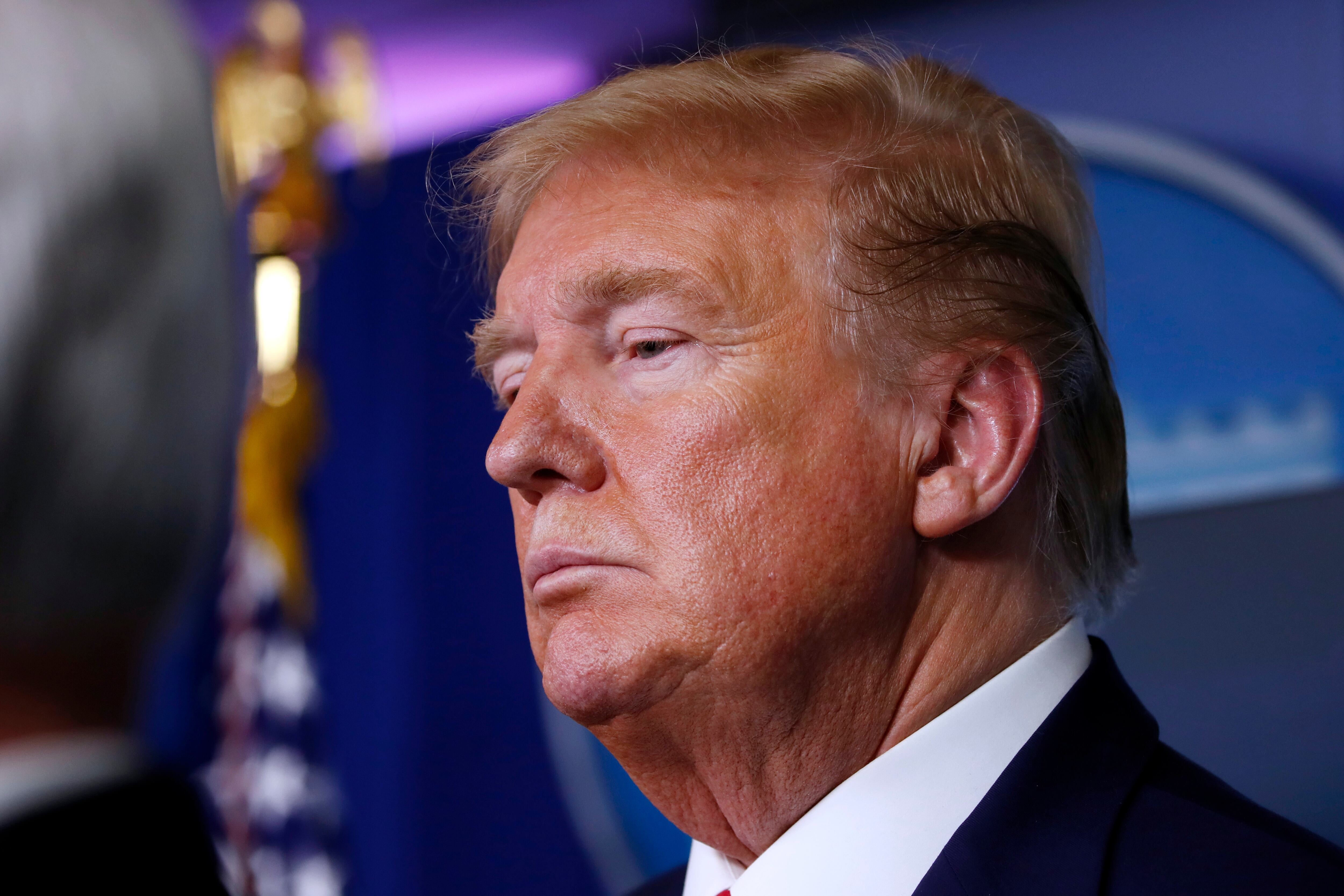
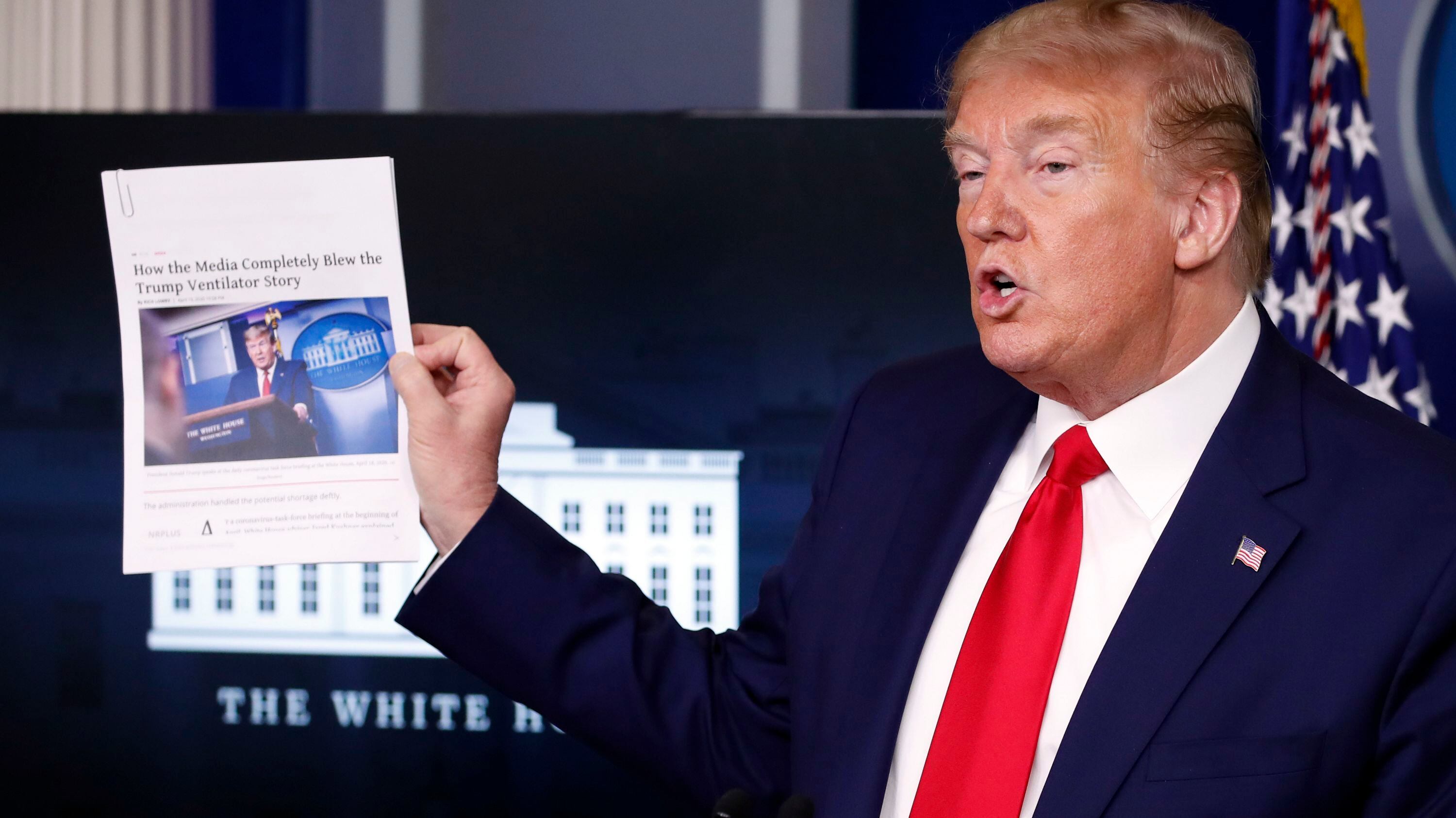
President Donald Trump said that he will sign an executive order “to temporarily suspend immigration into the United States” because of the coronavirus.
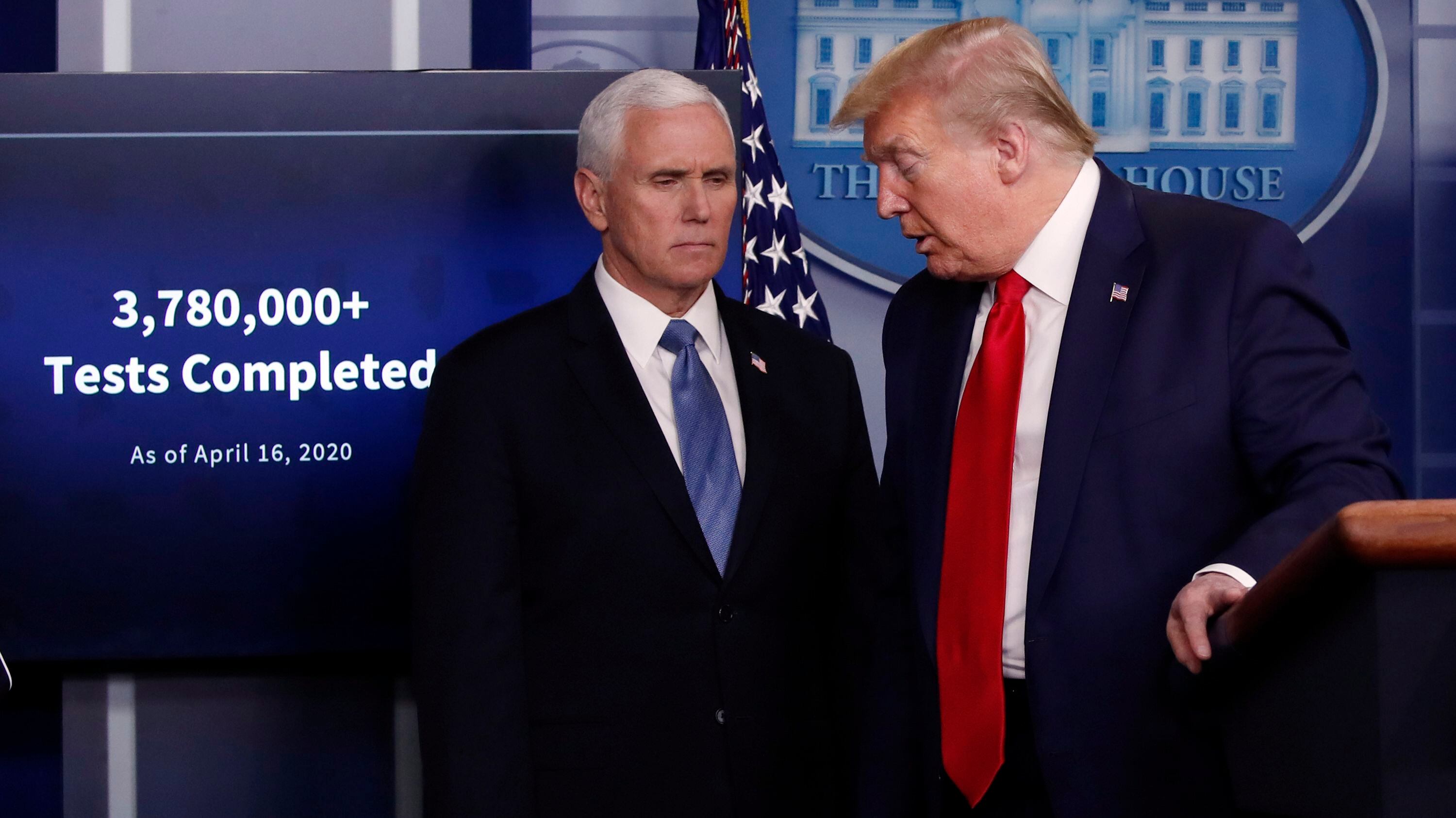
A chorus of governors from both parties pushed back hard Monday after President Donald Trump accused Democrats of playing “a very dangerous political game” by insisting there is a shortage of tests for coronavirus. The governors countered that the White House must do more to help states do the testing that's needed before they can ease up on stay-at-home orders.
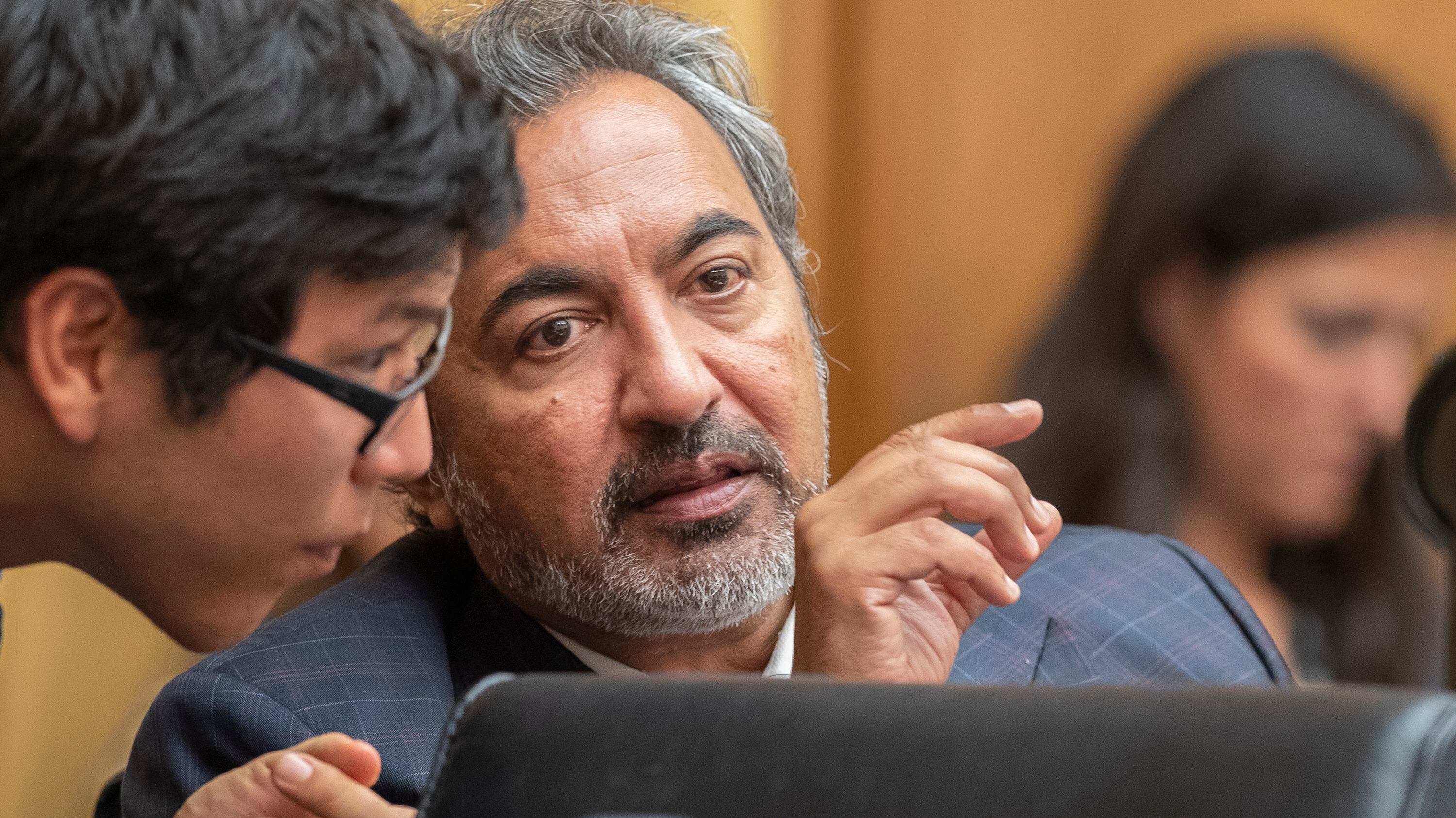
Rep. Ami Bera (D-Calif. 7th District), a doctor himself, added his voice to the chorus of experts on Monday, giving the commander-in-chief a C-minus.
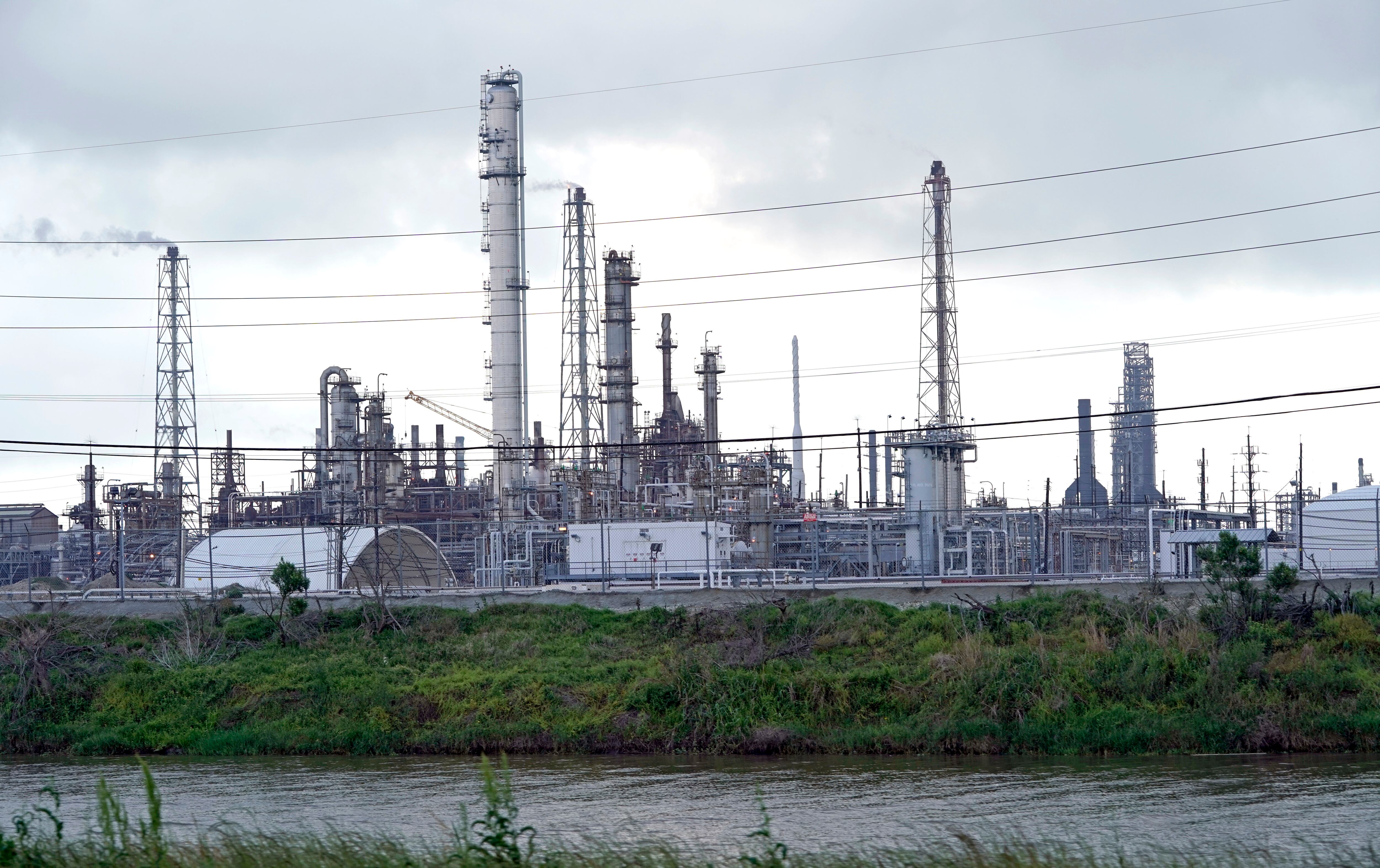
Oil prices plunged below zero on Monday as demand for energy collapses amid the coronavirus pandemic and traders didn’t want to get stuck owning crude oil with nowhere to store it. A barrel of benchmark U.S. oil for May delivery fell to negative $3.70 per barrel.
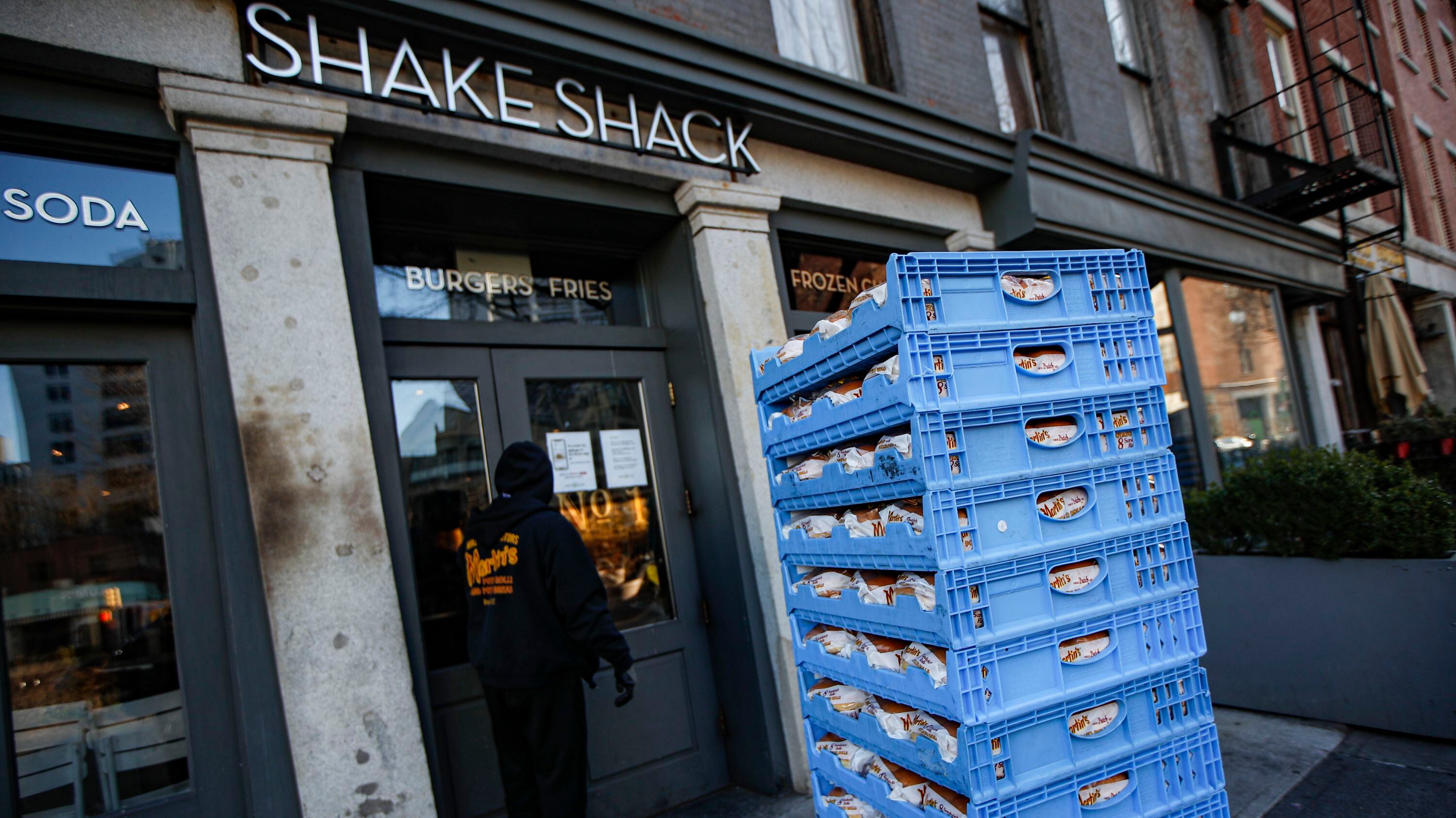
Shake Shack, one of the chains that received money, said Monday it will return its loan to give smaller restaurants a chance to get government money. Congress and the White House are close to an agreement that would add $300 billion to the program.
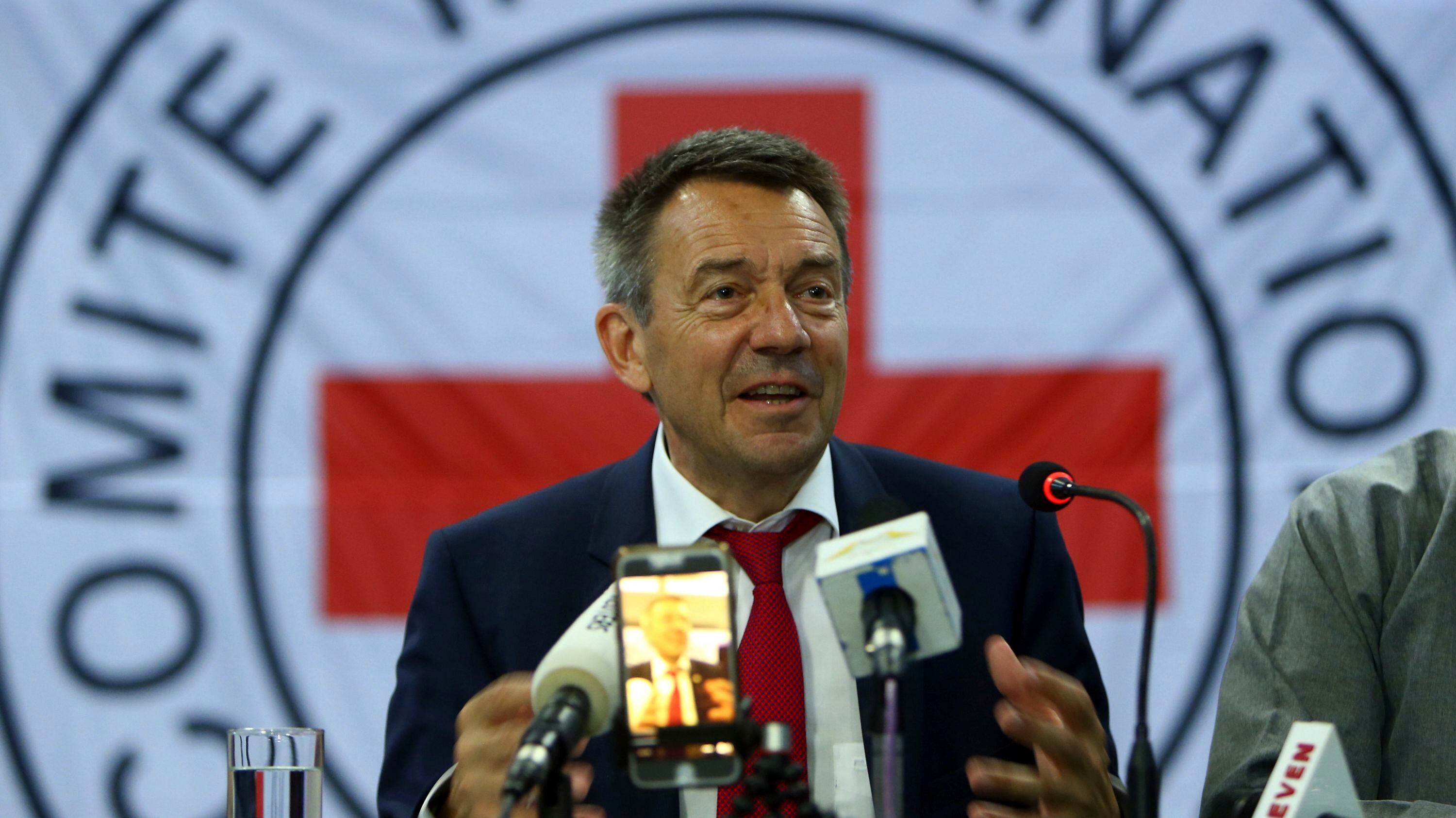
Peter Maurer, president of the International Committee of the Red Cross (ICRC), told Cheddar Monday that the countries that drew the most concerns could take this opportunity to build better health systems going forward.
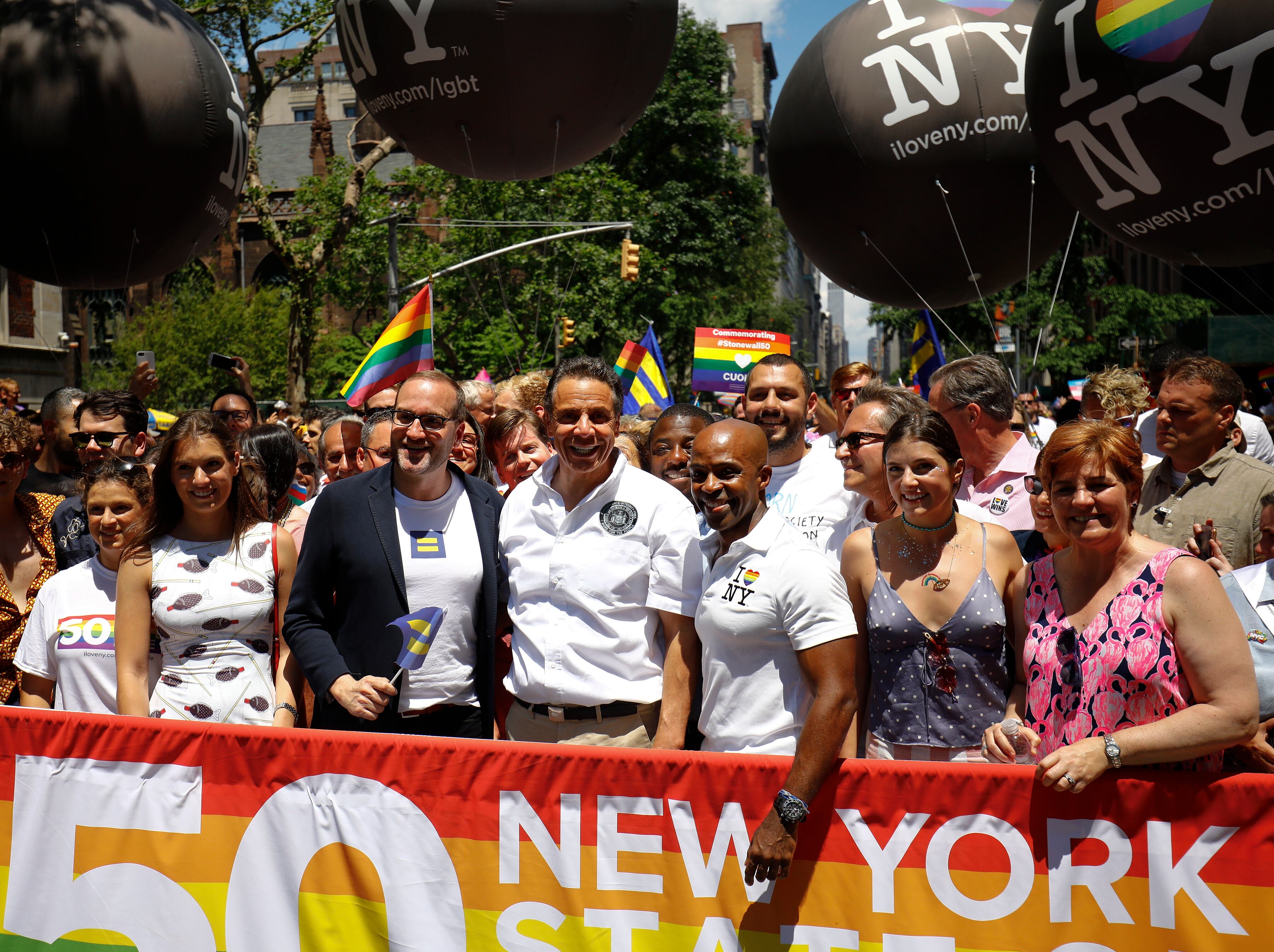
New York City won’t allow public events in June, including three of the city’s major annual celebrations: the National Puerto Rican Day Parade, the Celebrate Israel parade, and the Pride parade on its 50th anniversary.
Stocks are falling in early trading on Wall Street as oil prices collapse and momentum from a recent rally faded. Crude prices are plummeting amid concerns that storage facilities are close to being full.
The United States is struggling to test enough people for the novel coronavirus so officials can track and control the spread of the disease.
From Wall Street to Silicon Valley, these are the top stories that moved markets and had investors, business leaders, and entrepreneurs talking this week on Cheddar.