As Washington debates whether the country should repeal the Affordable Care Act, known as Obamacare, applicants are rushing to get covered, reportedly driving applications to a record high.
“I’m glad that the people understand the importance of getting coverage,” Donna Christensen, the former delegate for the U.S. Virgin Islands’ at-large district, told Cheddar on Wednesday.
But many still remain uninsured. According to the National Center for Health Statistics, 28.2 million people under the age of 65 did not have coverage in 2016.
For context, that's a smaller proportion than before Obamacare passed. The federal agency said that the percentage of people uninsured now stands at 9 percent, compared to 16 percent in 2010.
Many uninsured and current beneficiaries of the Act worry that a repeal would be in place by 2019 and that time is running out. However, Christensen argues that this is not the case. She says it’s going to be very hard for Congress to repeal ACA.
“The Affordable Care Act is still the law of the land,” the ex-congresswoman said, stating that she doubts a repeal would ever happen.
“It was not easy to get the law passed, but it’s going to be more difficult to take it away,” Christensen said.
She encouraged the uninsured to seek coverage by December 15th this year, pointing out that benefits will be valid into the next year.
Congressional Budget Office director Keith Hall put out a blog post on the federal agency’s website on Wednesday. He says that according to the CBO’s most recent baseline, repealing Obamacare's individual mandate would reduce the nation’s federal budget deficit by $338 billion within the next decade. That's less than the previous estimate of $416 billion, made last December.
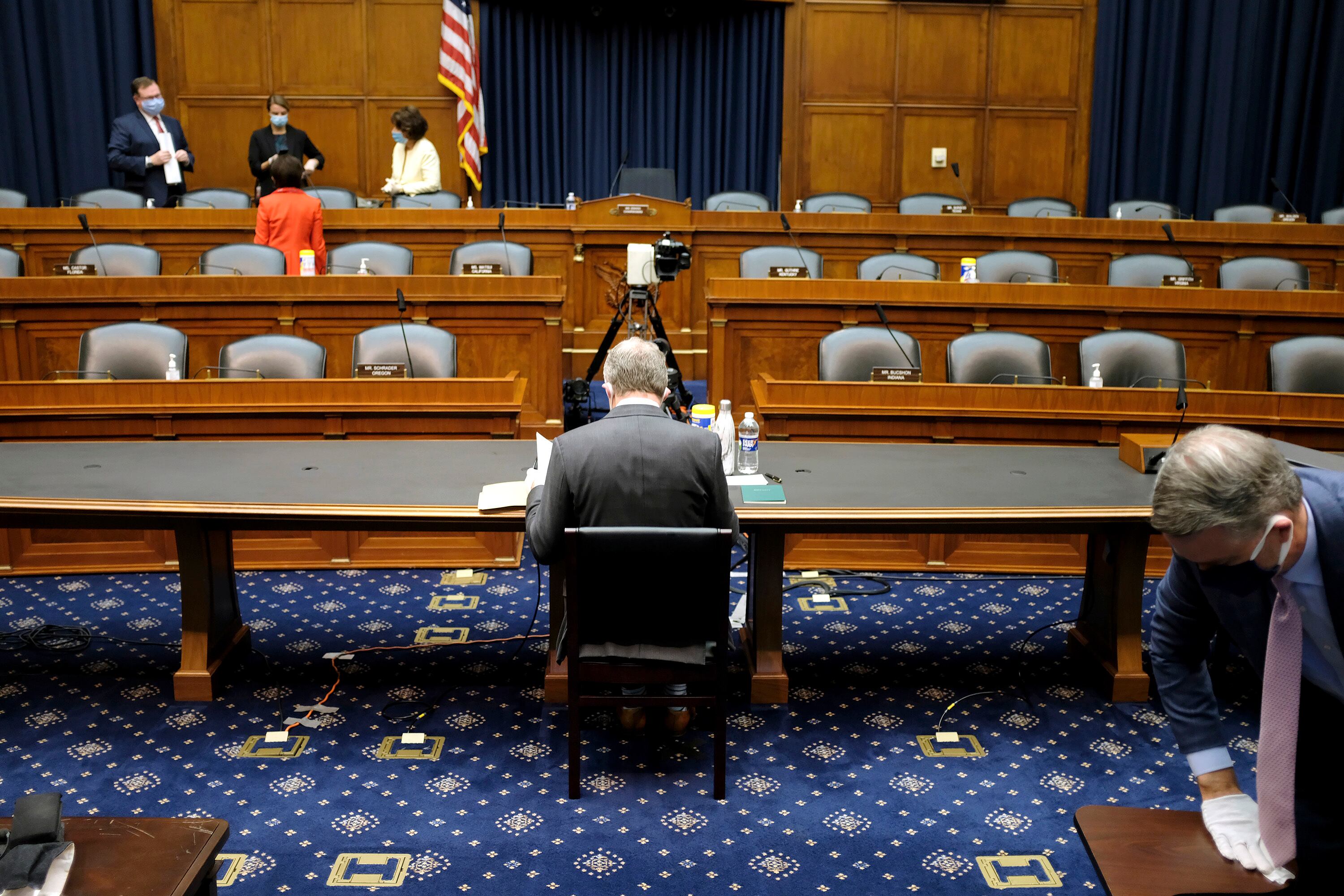
Dr. Rick Bright is telling Congress that America faces the “darkest winter in modern history” unless its leaders act decisively to prevent a rebound of the coronavirus.
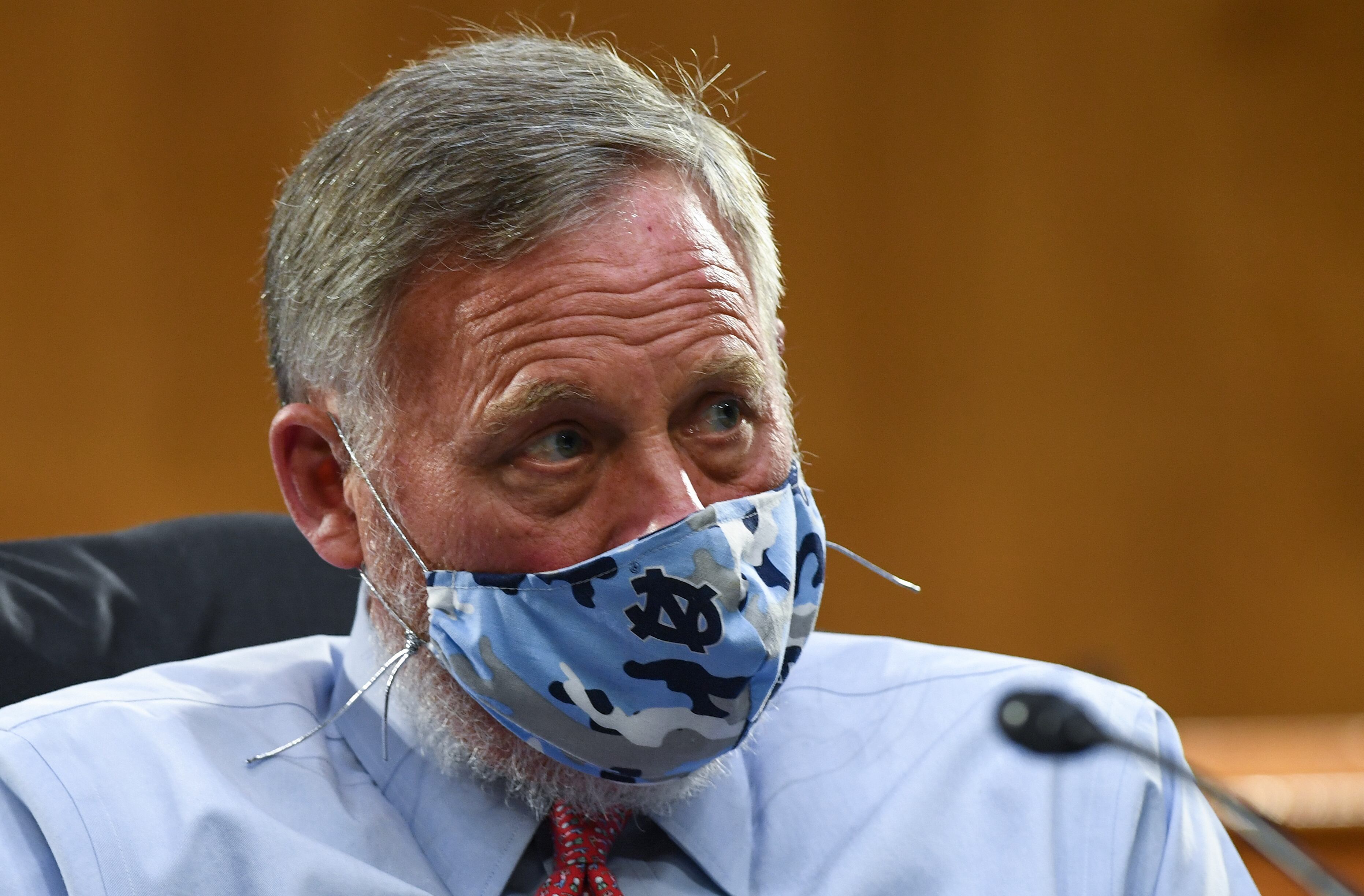
Sen. Richard Burr stepped aside as chairman of the Senate Intelligence Committee after the FBI served a search warrant for his phone as part of an ongoing insider-trading investigation tied to the coronavirus pandemic.
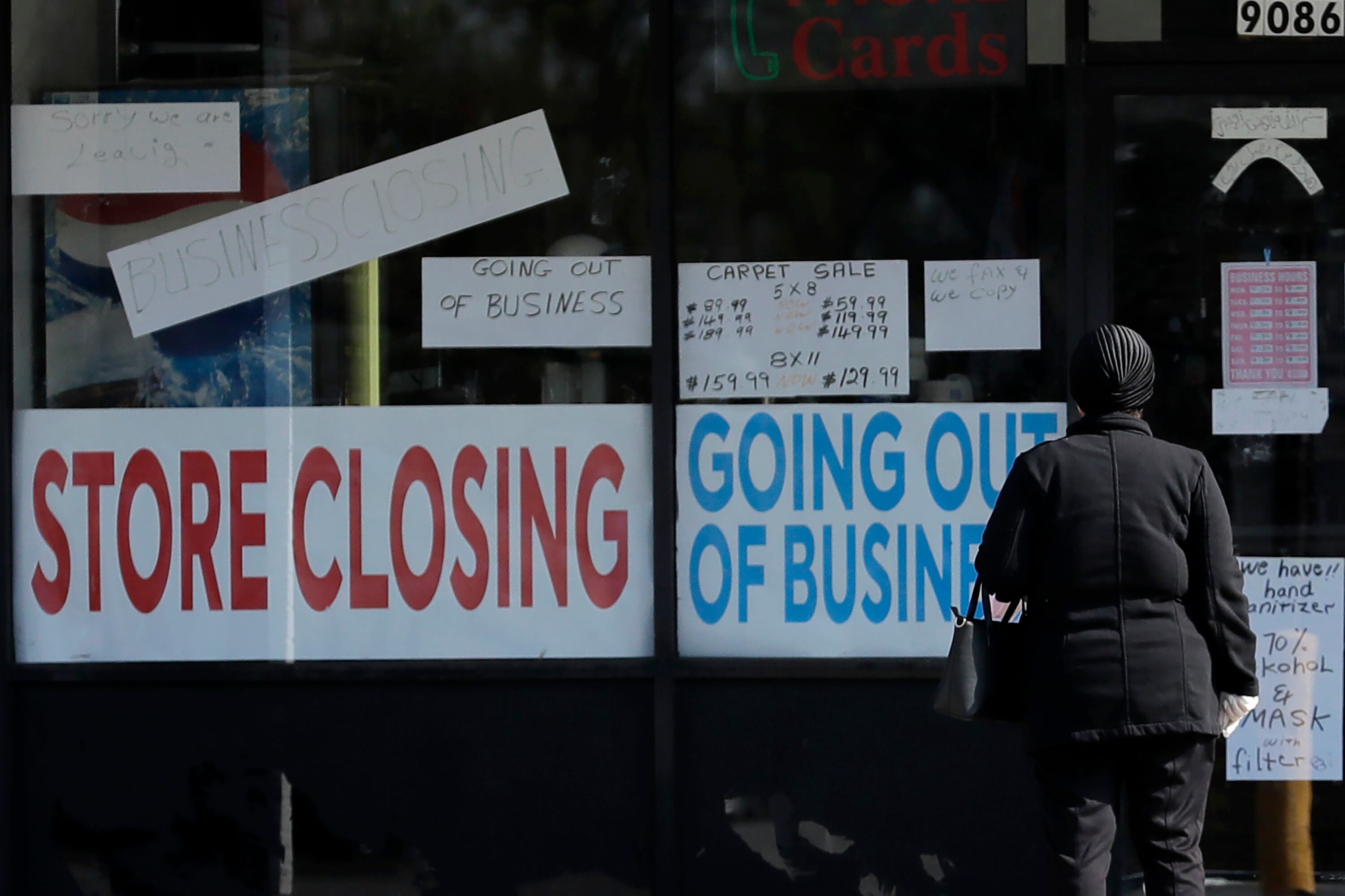
Nearly 3 million laid-off workers applied for U.S. unemployment benefits last week as the viral outbreak led more companies to slash jobs even though most states have begun to let some businesses reopen under certain restrictions.
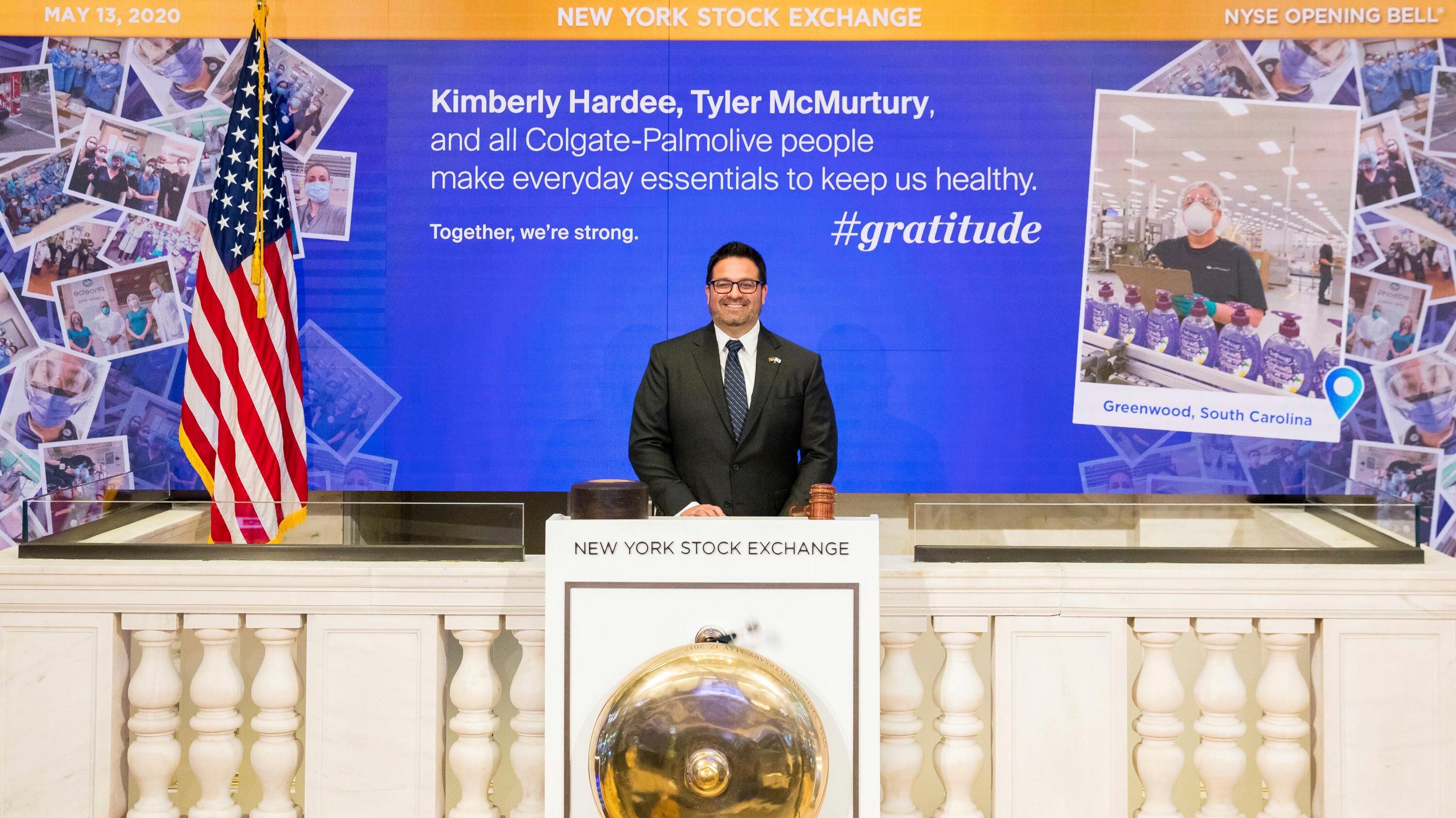
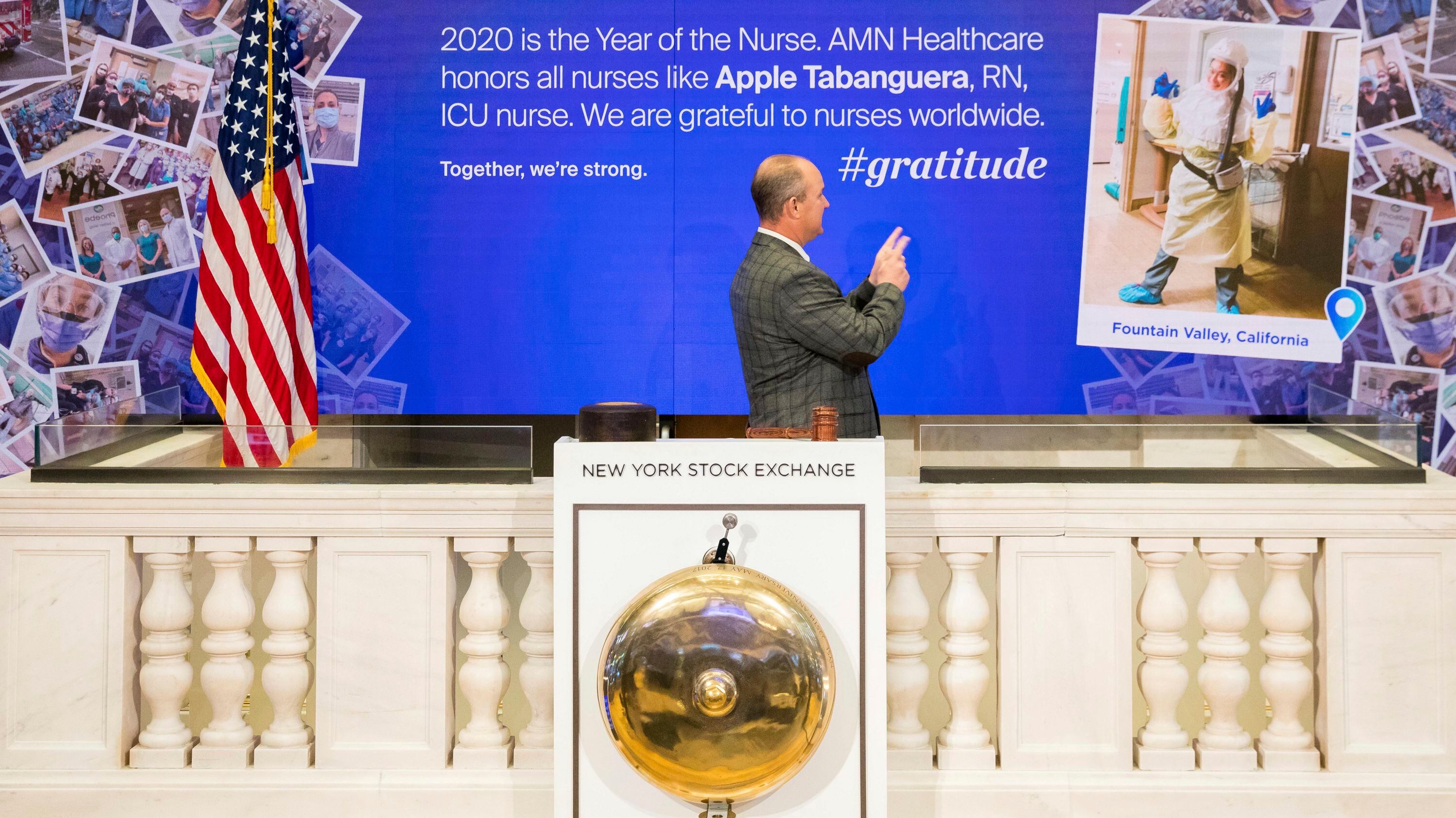
Stocks are falling in early trading on Wall Street Wednesday, tacking on more losses to their end-of-day slide from a day before.
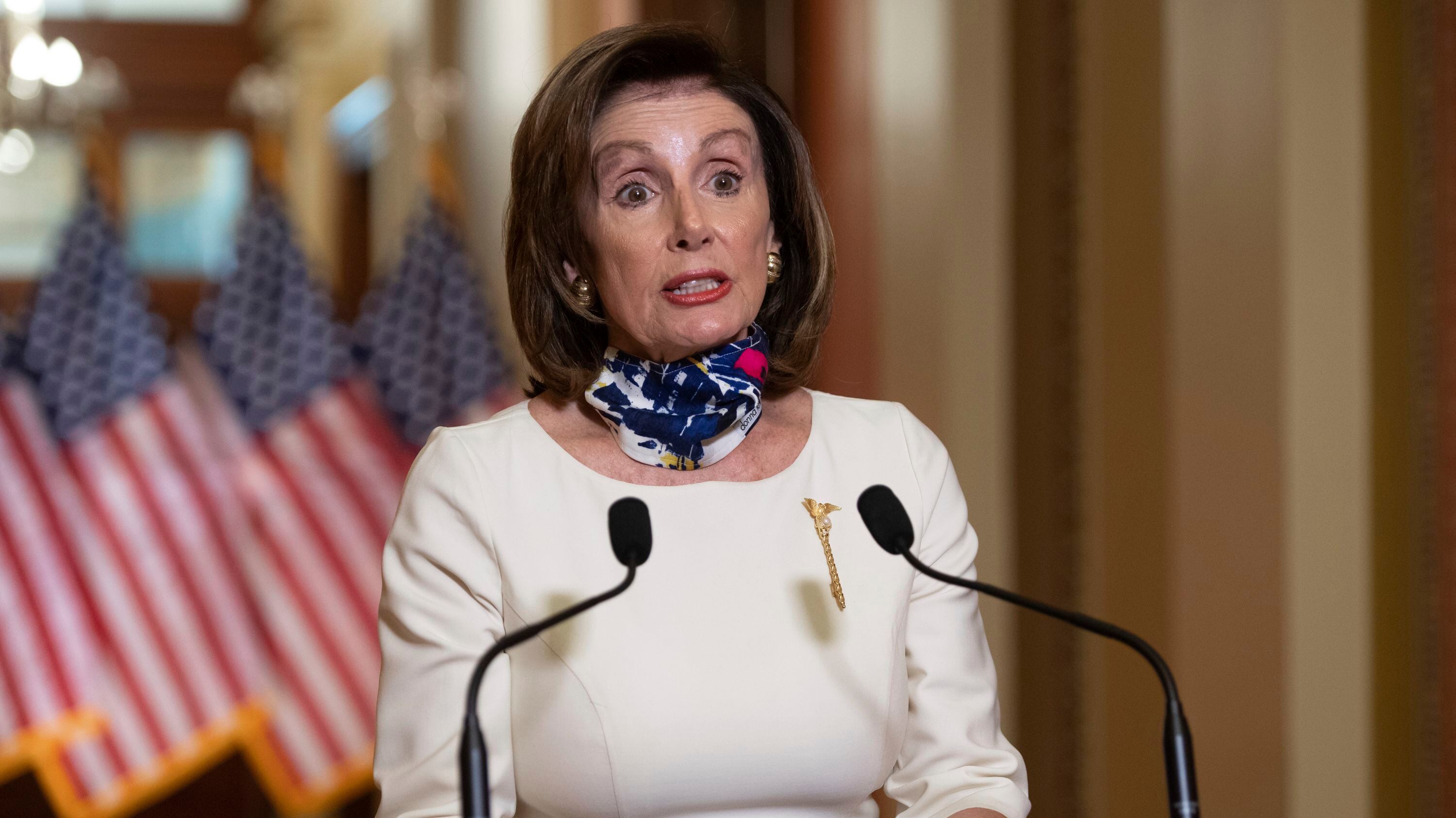
House Speaker Nancy Pelosi has unveiled a more than $3 trillion new coronavirus aid package. It would provide nearly $1 trillion for states, cities and tribal governments to avert layoffs and another $200 billion in “hazard pay” for essential workers.
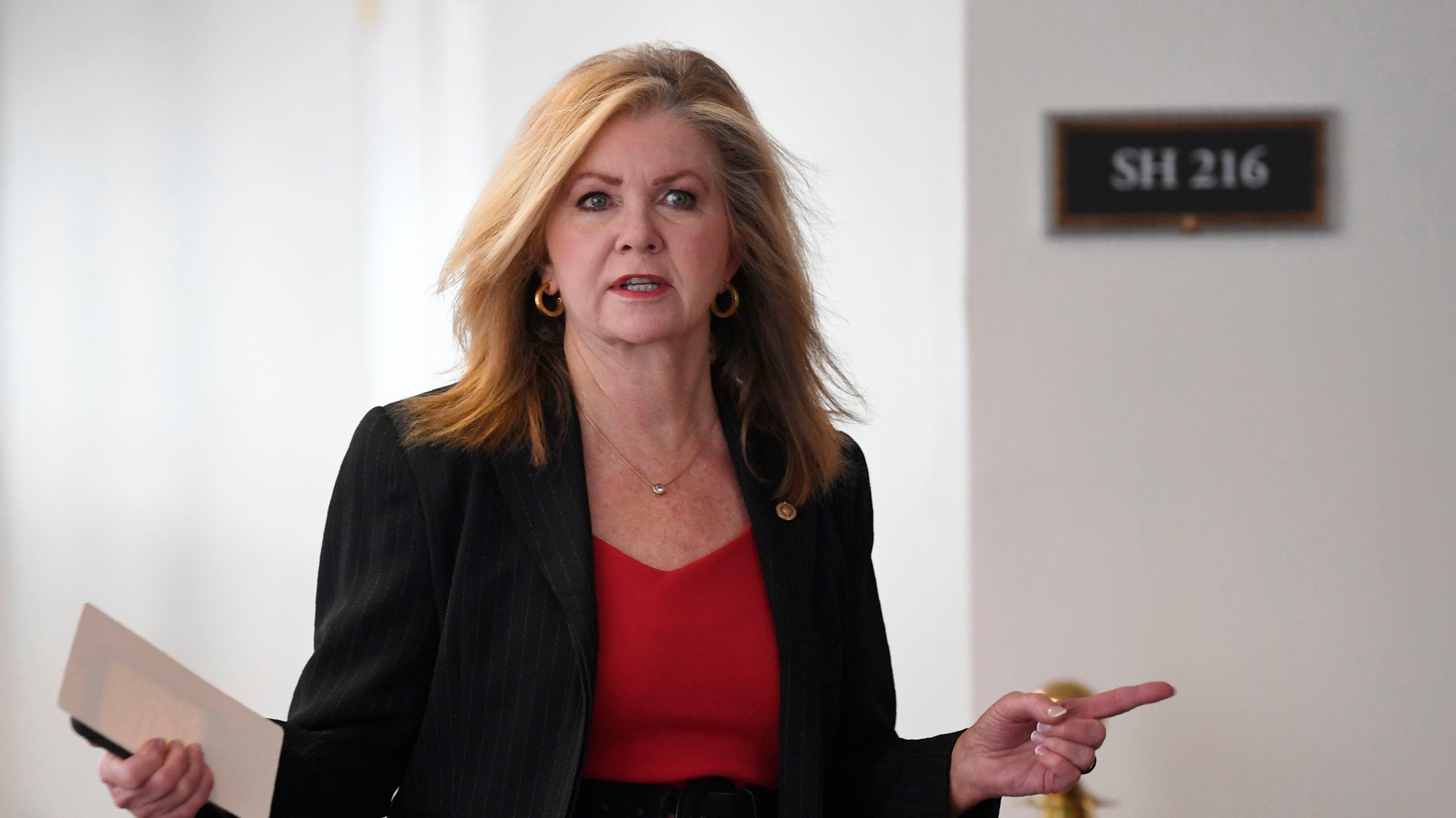
Republican Senators Marsha Blackburn and Martha McSally have introduced legislation that would allow U.S. citizens to file lawsuits against the Chinese Communist Party over the COVID-19 pandemic.
Wall Street fell to its biggest loss since the start of the month on worries about the downside of reopening the economy too soon.
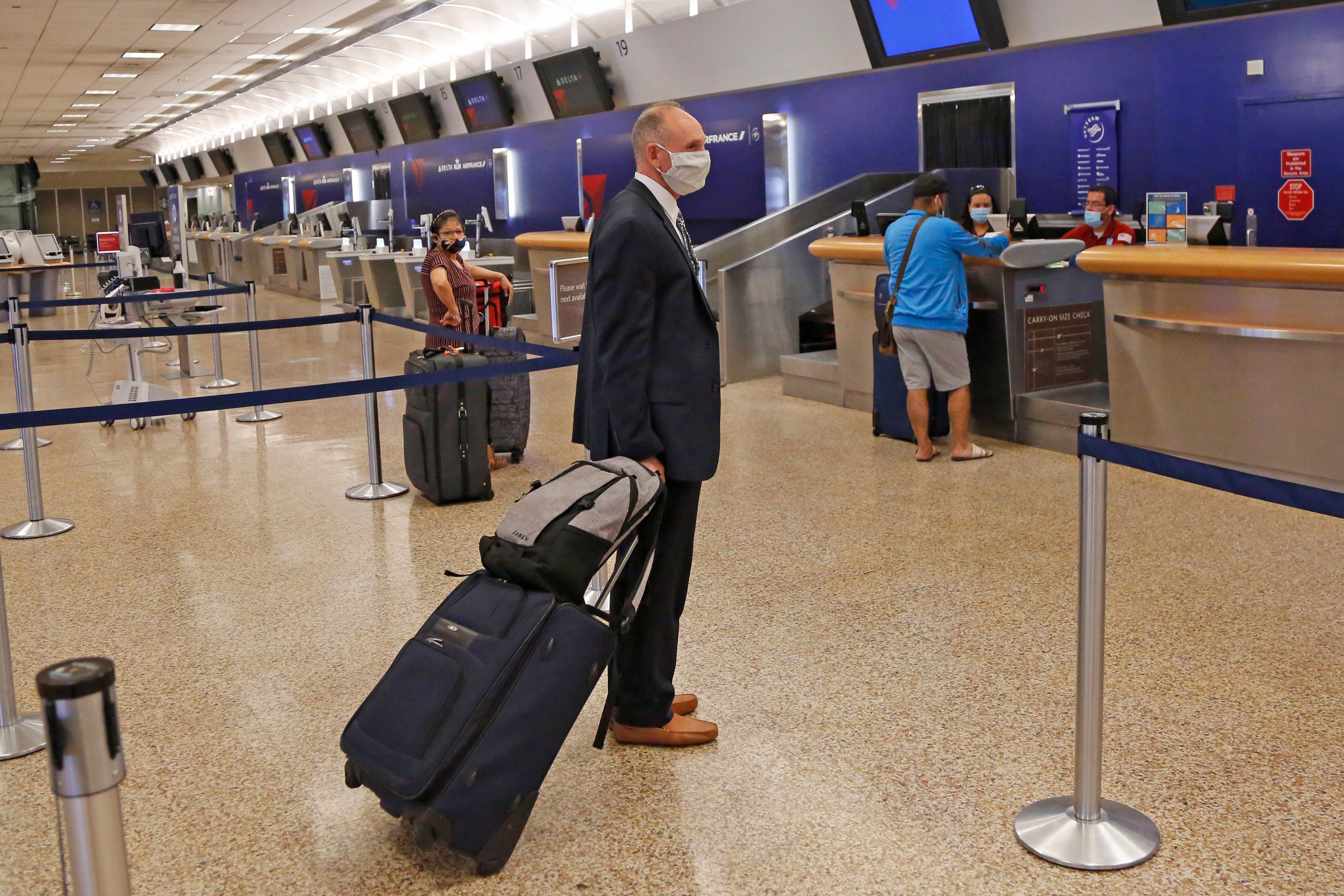
Gloria Guevara, World Travel and Tourism Council CEO and president, told Cheddar on Tuesday that travel-related businesses are very eager for people to start taking trips again, however, opening the industry will need to be done in a coordinated way.
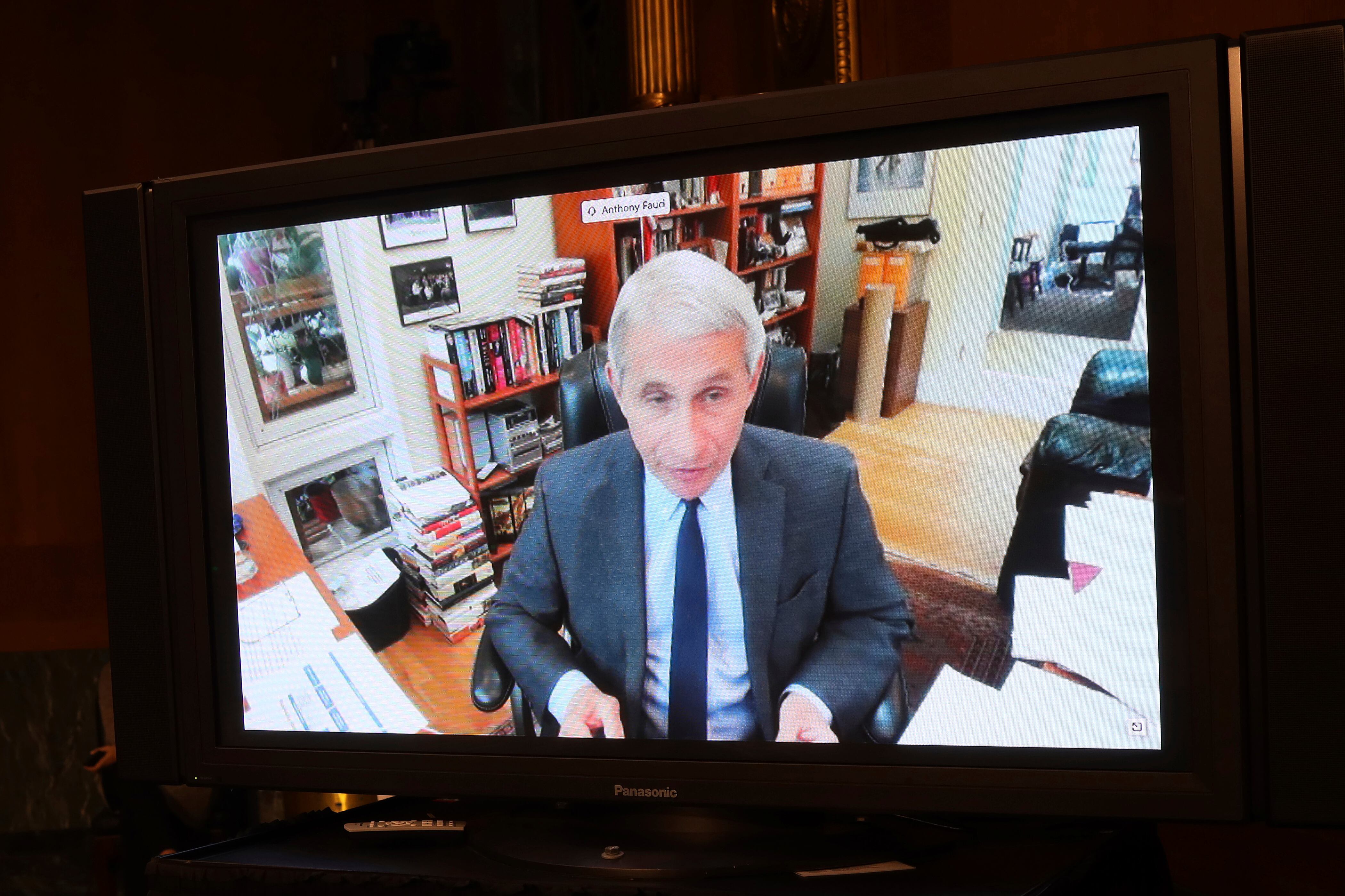
Dr. Anthony Fauci, the nation’s top infectious disease expert, is warning Congress and the nation of what he calls "really serious” consequences of suffering, death and deeper economic damage if state and local officials lift stay-at-home orders too quickly.
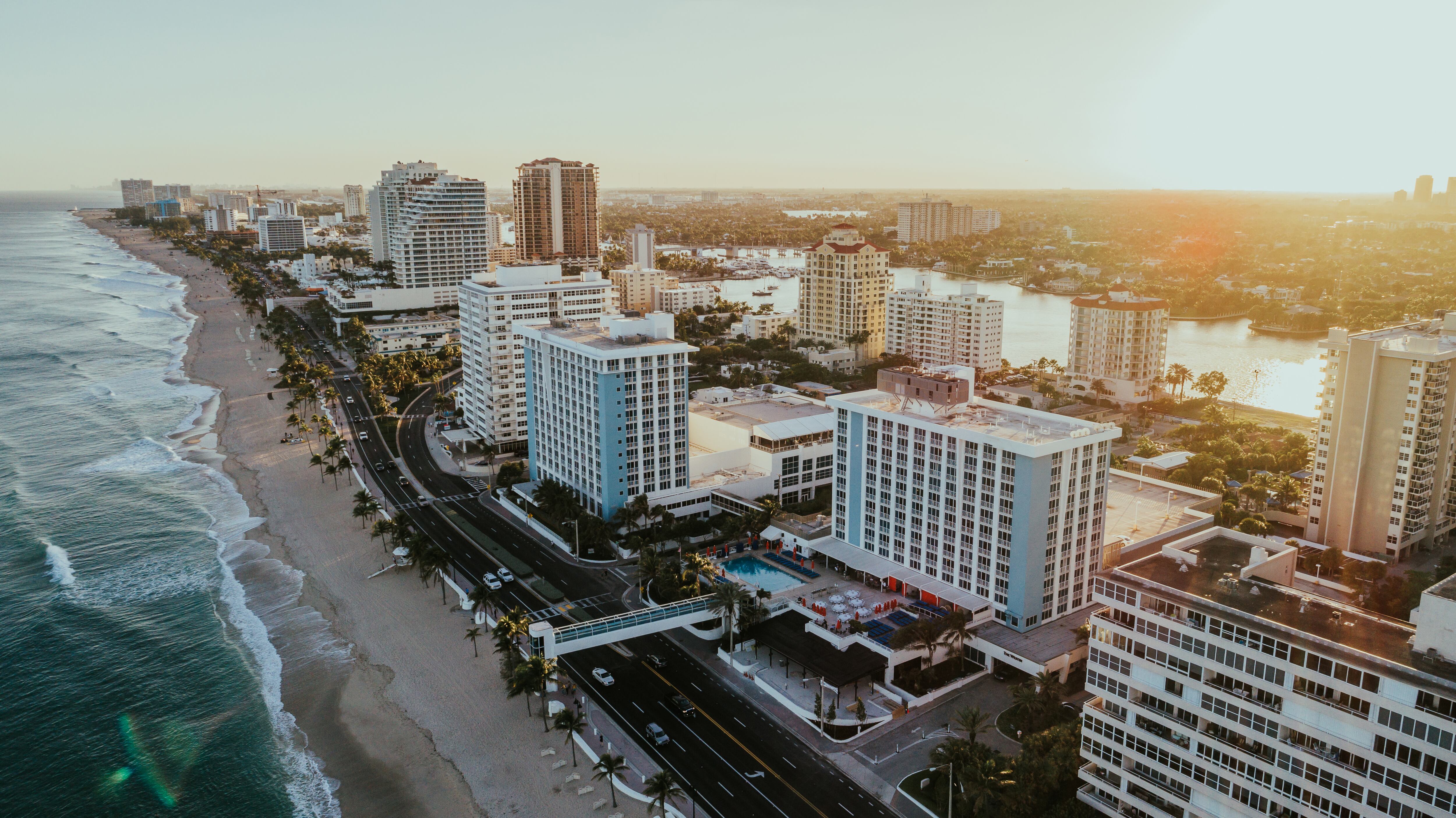
Broward County Mayor Dale V.C. Holness told Cheddar Monday many of the counties in South Florida have been working together to decide on a reopening date for their communities.