As Washington debates whether the country should repeal the Affordable Care Act, known as Obamacare, applicants are rushing to get covered, reportedly driving applications to a record high.
“I’m glad that the people understand the importance of getting coverage,” Donna Christensen, the former delegate for the U.S. Virgin Islands’ at-large district, told Cheddar on Wednesday.
But many still remain uninsured. According to the National Center for Health Statistics, 28.2 million people under the age of 65 did not have coverage in 2016.
For context, that's a smaller proportion than before Obamacare passed. The federal agency said that the percentage of people uninsured now stands at 9 percent, compared to 16 percent in 2010.
Many uninsured and current beneficiaries of the Act worry that a repeal would be in place by 2019 and that time is running out. However, Christensen argues that this is not the case. She says it’s going to be very hard for Congress to repeal ACA.
“The Affordable Care Act is still the law of the land,” the ex-congresswoman said, stating that she doubts a repeal would ever happen.
“It was not easy to get the law passed, but it’s going to be more difficult to take it away,” Christensen said.
She encouraged the uninsured to seek coverage by December 15th this year, pointing out that benefits will be valid into the next year.
Congressional Budget Office director Keith Hall put out a blog post on the federal agency’s website on Wednesday. He says that according to the CBO’s most recent baseline, repealing Obamacare's individual mandate would reduce the nation’s federal budget deficit by $338 billion within the next decade. That's less than the previous estimate of $416 billion, made last December.
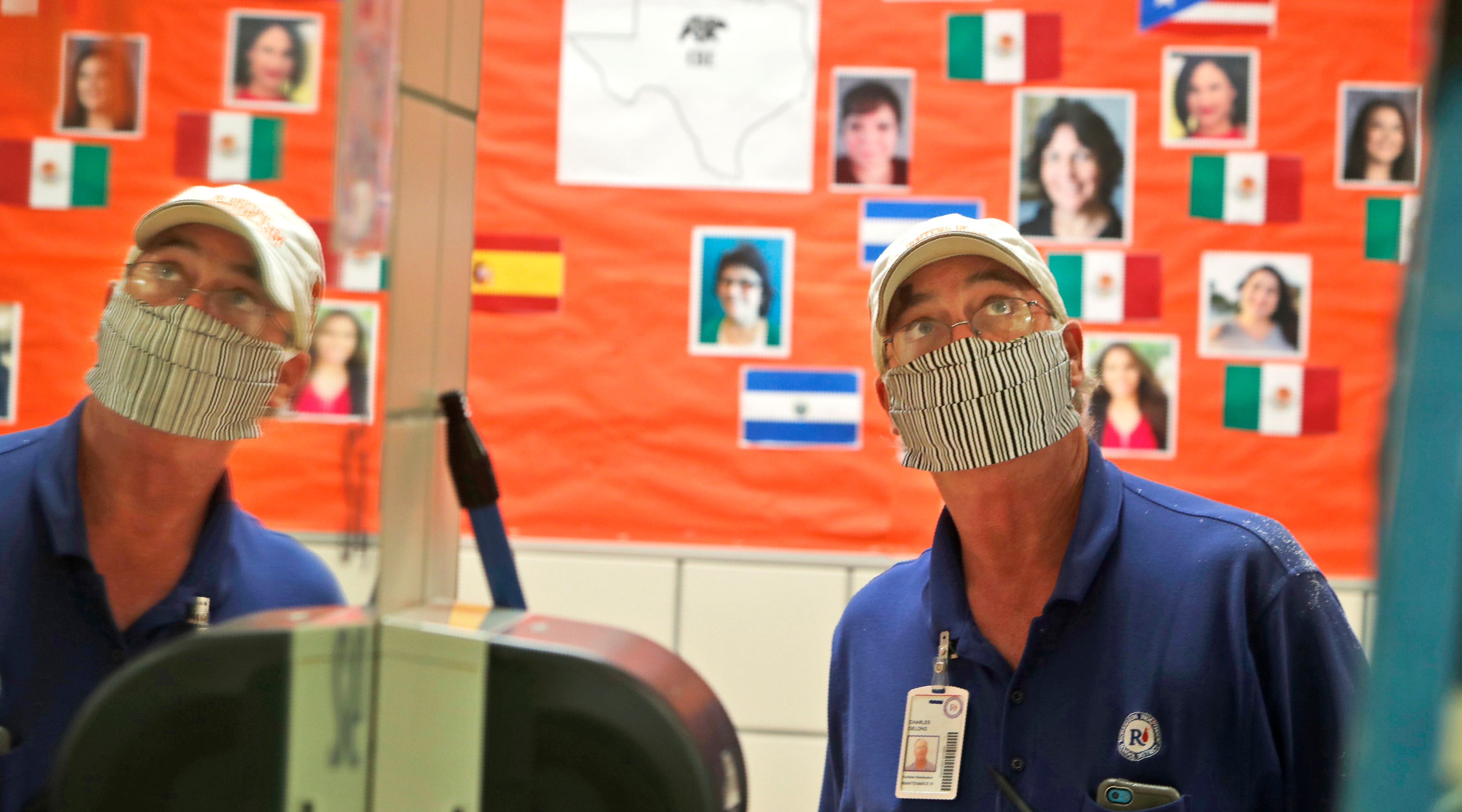
Arizona, Texas, and Florida are together reporting about 25,000 new coronavirus cases as new restrictions aimed at combating the spread of the pandemic take hold in the United States and around the world.
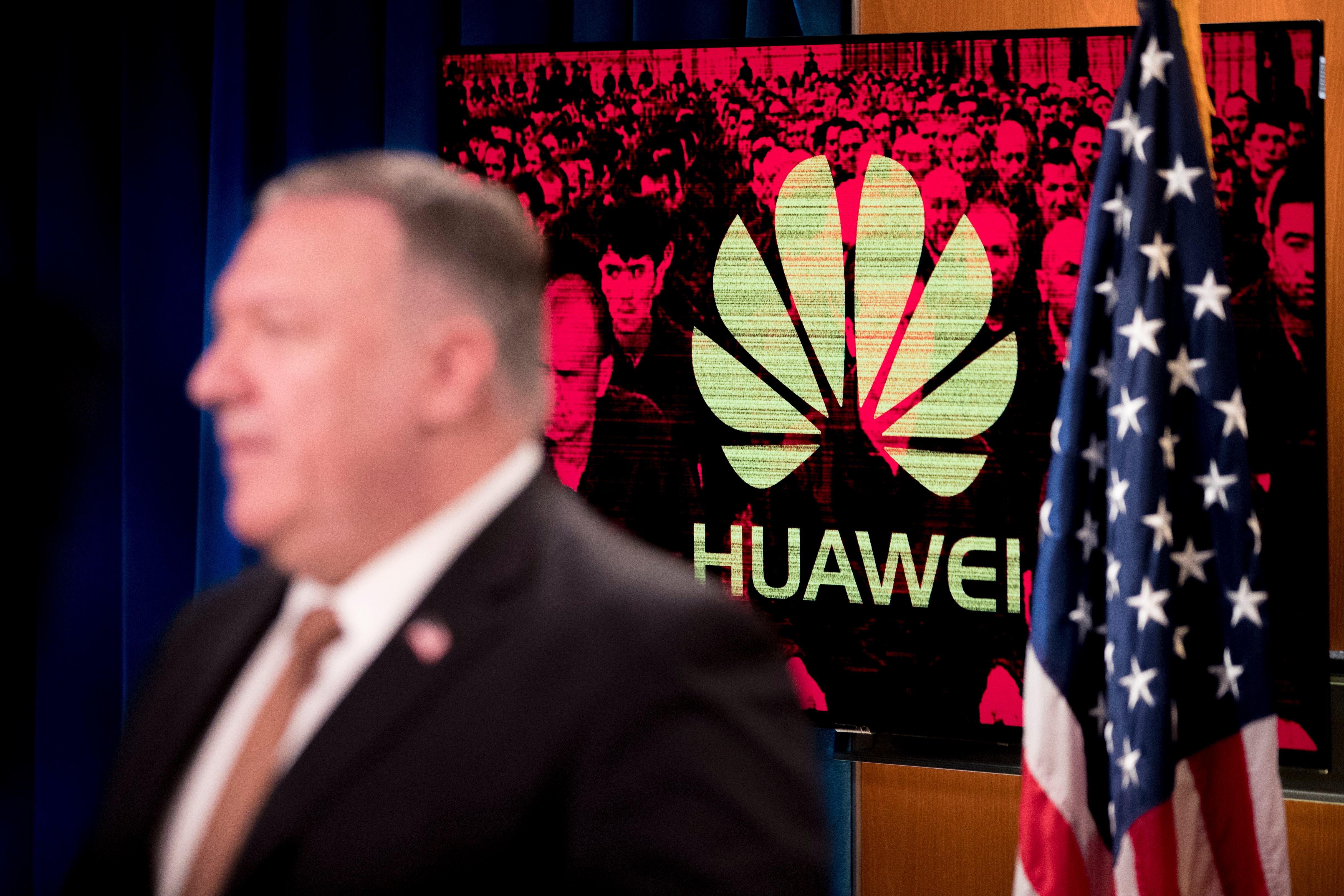
Secretary of State Mike Pompeo says the U.S. is imposing travel bans on employees of the Chinese technology giant Huawei and other companies the U.S. determines are assisting authoritarian governments in cracking down on human rights.
The initiative is geared toward students, mid-career workers and the millions now unemployed because of the new coronavirus. But the campaign, called “Find Something New,” was quickly bashed on social media as being tone deaf and inadequate for the times.
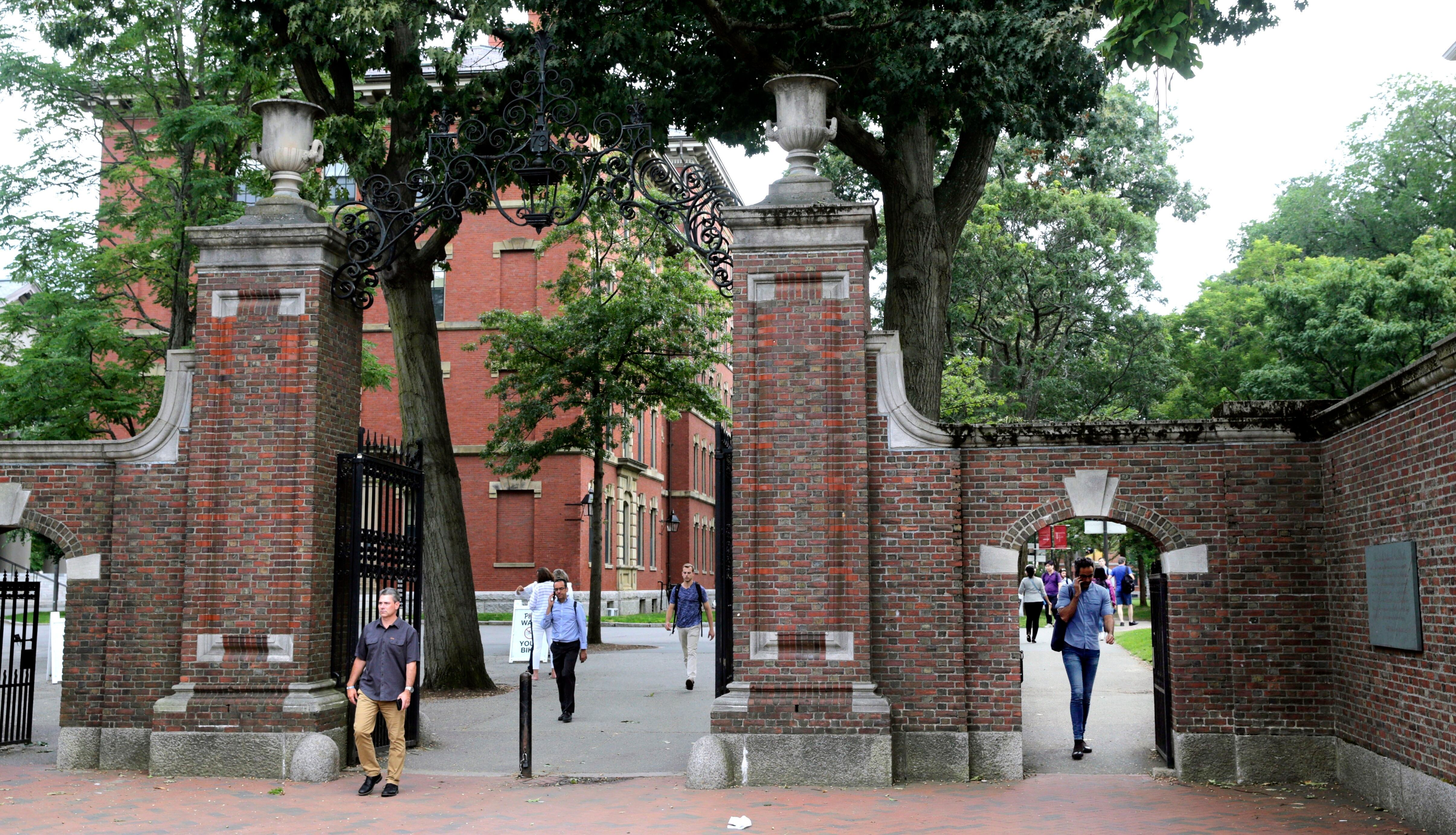
The Trump administration has rescinded a rule that would have required international students to transfer schools or leave the country if their colleges hold classes entirely online this fall because of the coronavirus pandemic.
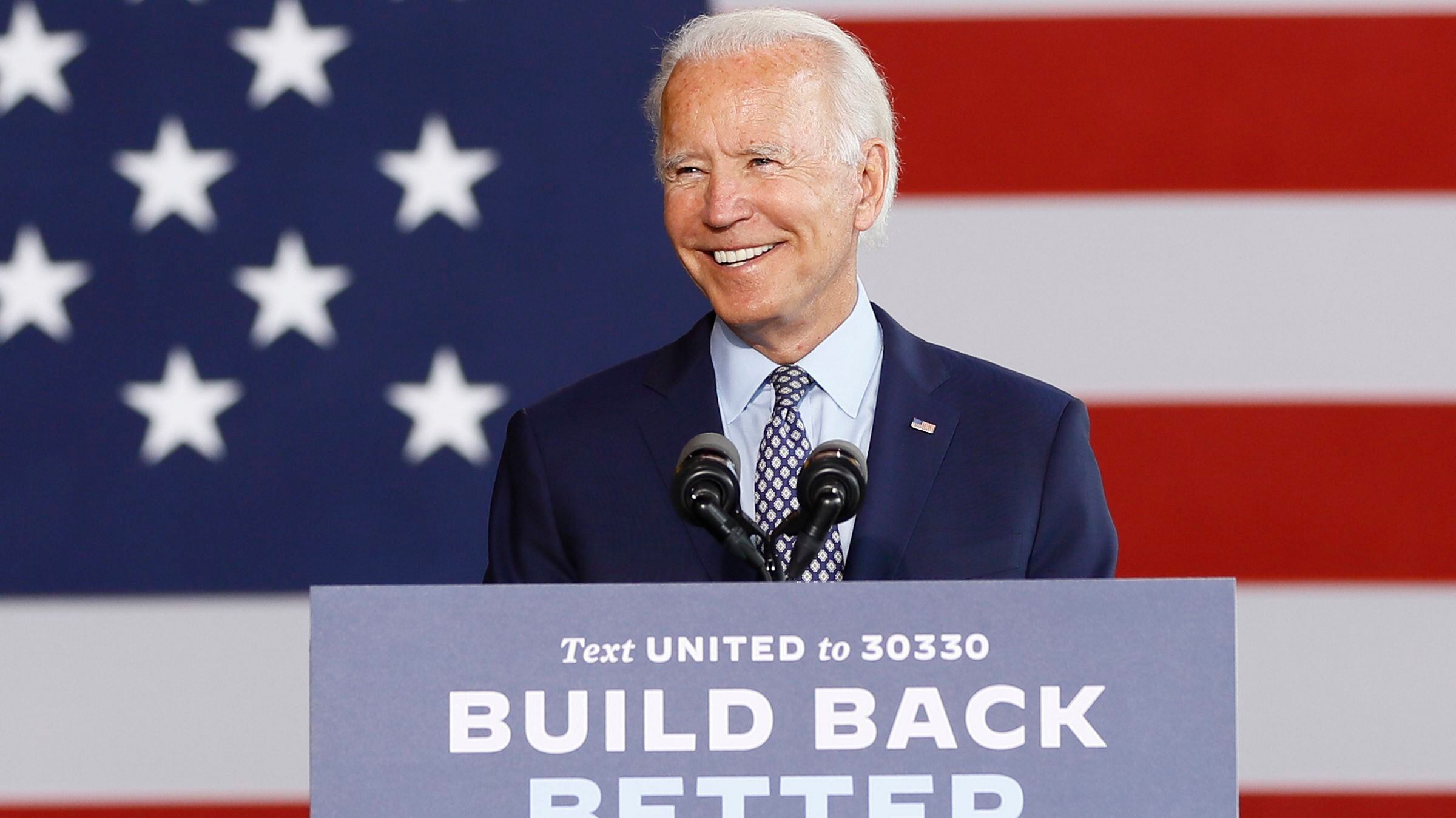
Joe Biden released a plan Tuesday aimed at combating climate change and spurring economic growth in part by overhauling America’s energy industry.
As enhanced unemployment benefits are set to expire at the end of July, HUD secretary Carson, discusses the Trump administration's 'tool kit' meant to protect Americans from evictions beyond the coronavirus pandemic.
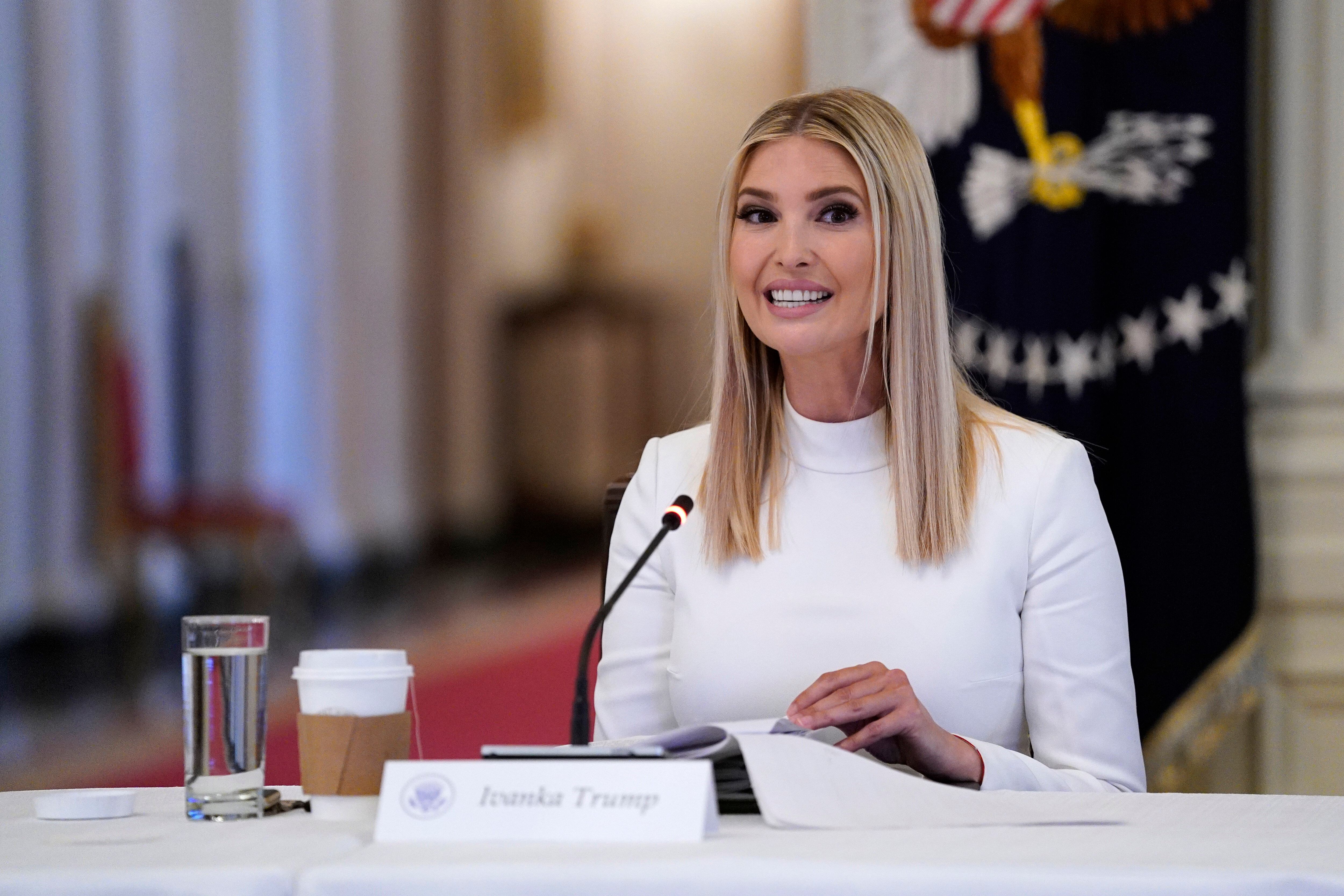
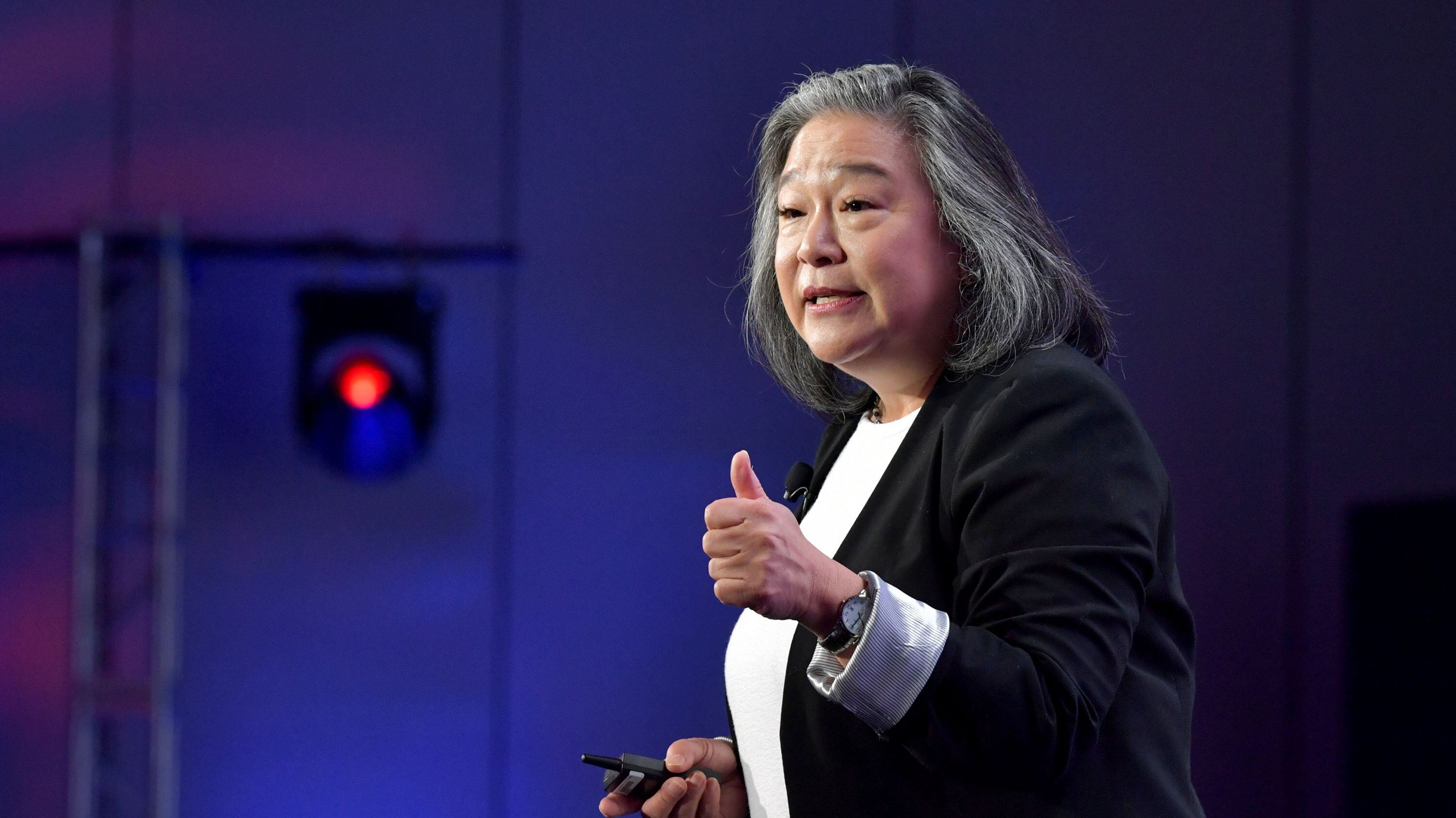
Tina Tchen, president and CEO of Time's Up, provides insight into how companies can go about addressing inequities in the workplace.
California Gov. Gavin Newsom has extended the closure of bars and indoor dining statewide and has ordered gyms, churches and hair salons closed in most places as coronavirus cases keep rising.
The United States is grappling with the worst coronavirus outbreak in the world, as Florida shattered the national record for a state’s largest single-day increase in new confirmed cases with a reported 15,299.
Julian Castro, former secretary of Housing & Urban Development, talks about the importance of stable housing for Americans. Castro also dissects former VP Joe Biden's plan to combat the housing crisis.