As Washington debates whether the country should repeal the Affordable Care Act, known as Obamacare, applicants are rushing to get covered, reportedly driving applications to a record high.
“I’m glad that the people understand the importance of getting coverage,” Donna Christensen, the former delegate for the U.S. Virgin Islands’ at-large district, told Cheddar on Wednesday.
But many still remain uninsured. According to the National Center for Health Statistics, 28.2 million people under the age of 65 did not have coverage in 2016.
For context, that's a smaller proportion than before Obamacare passed. The federal agency said that the percentage of people uninsured now stands at 9 percent, compared to 16 percent in 2010.
Many uninsured and current beneficiaries of the Act worry that a repeal would be in place by 2019 and that time is running out. However, Christensen argues that this is not the case. She says it’s going to be very hard for Congress to repeal ACA.
“The Affordable Care Act is still the law of the land,” the ex-congresswoman said, stating that she doubts a repeal would ever happen.
“It was not easy to get the law passed, but it’s going to be more difficult to take it away,” Christensen said.
She encouraged the uninsured to seek coverage by December 15th this year, pointing out that benefits will be valid into the next year.
Congressional Budget Office director Keith Hall put out a blog post on the federal agency’s website on Wednesday. He says that according to the CBO’s most recent baseline, repealing Obamacare's individual mandate would reduce the nation’s federal budget deficit by $338 billion within the next decade. That's less than the previous estimate of $416 billion, made last December.
John Lewis was celebrated as an American hero during his funeral as former President Barack Obama and others called on people to follow Lewis’ example and take action in the face of injustice.
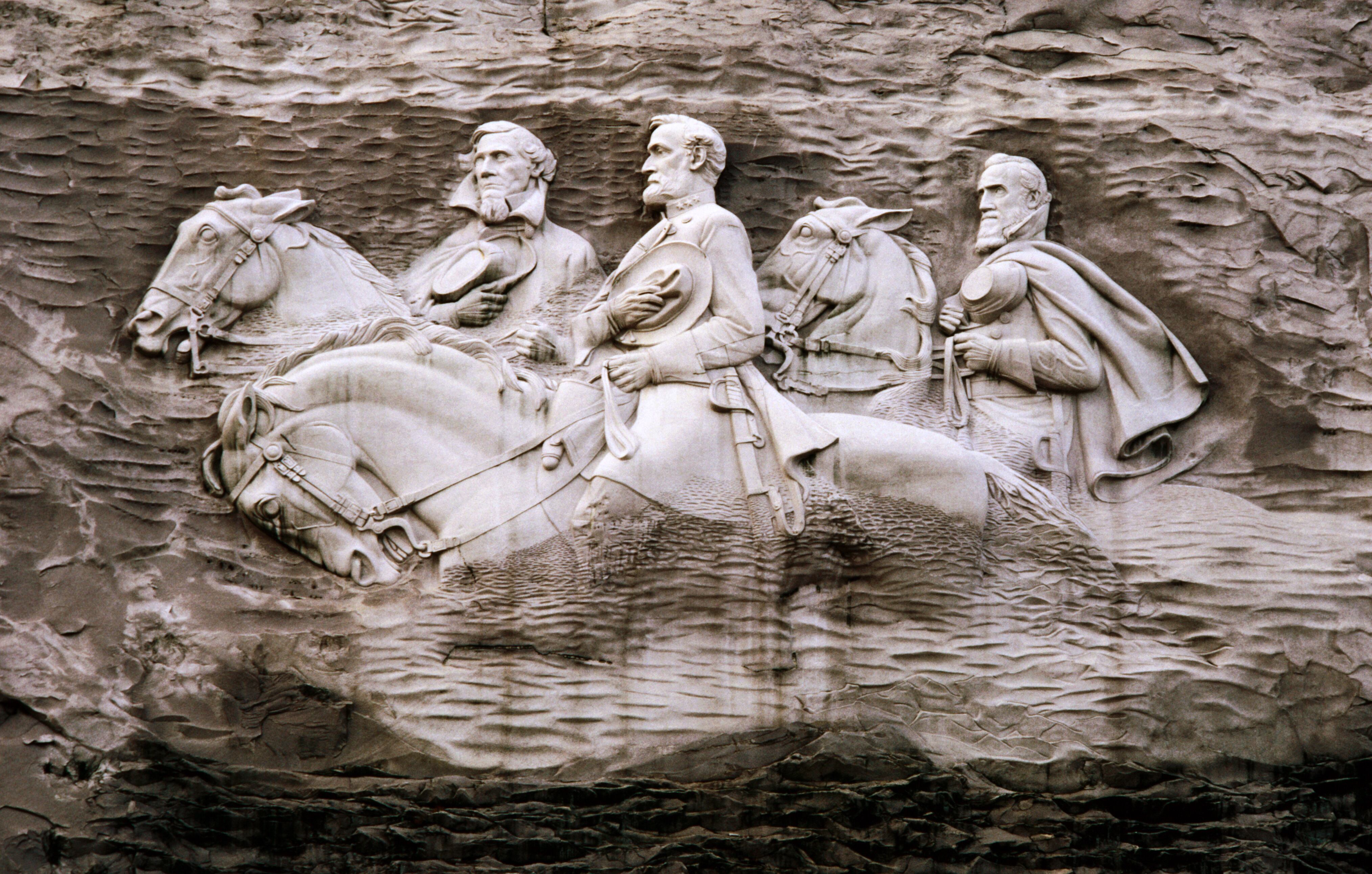
Statues commemorating the Confederacy are being torn down across America as a result of racial unrest following the murder of George Floyd in Minneapolis. But the largest monument in the country has been left out of the conversation: Stone Mountain monument in Georgia. The 42-foot-deep, 76-by-158 foot carving of Confederate President Jefferson Davis, and Generals Robert E. Lee and Stonewall Jackson sits on the face of the world’s largest piece of exposed granite. Removing it could require bitter political debate and a year-long demolition. But for most, the racist history it represents is too hard to ignore.
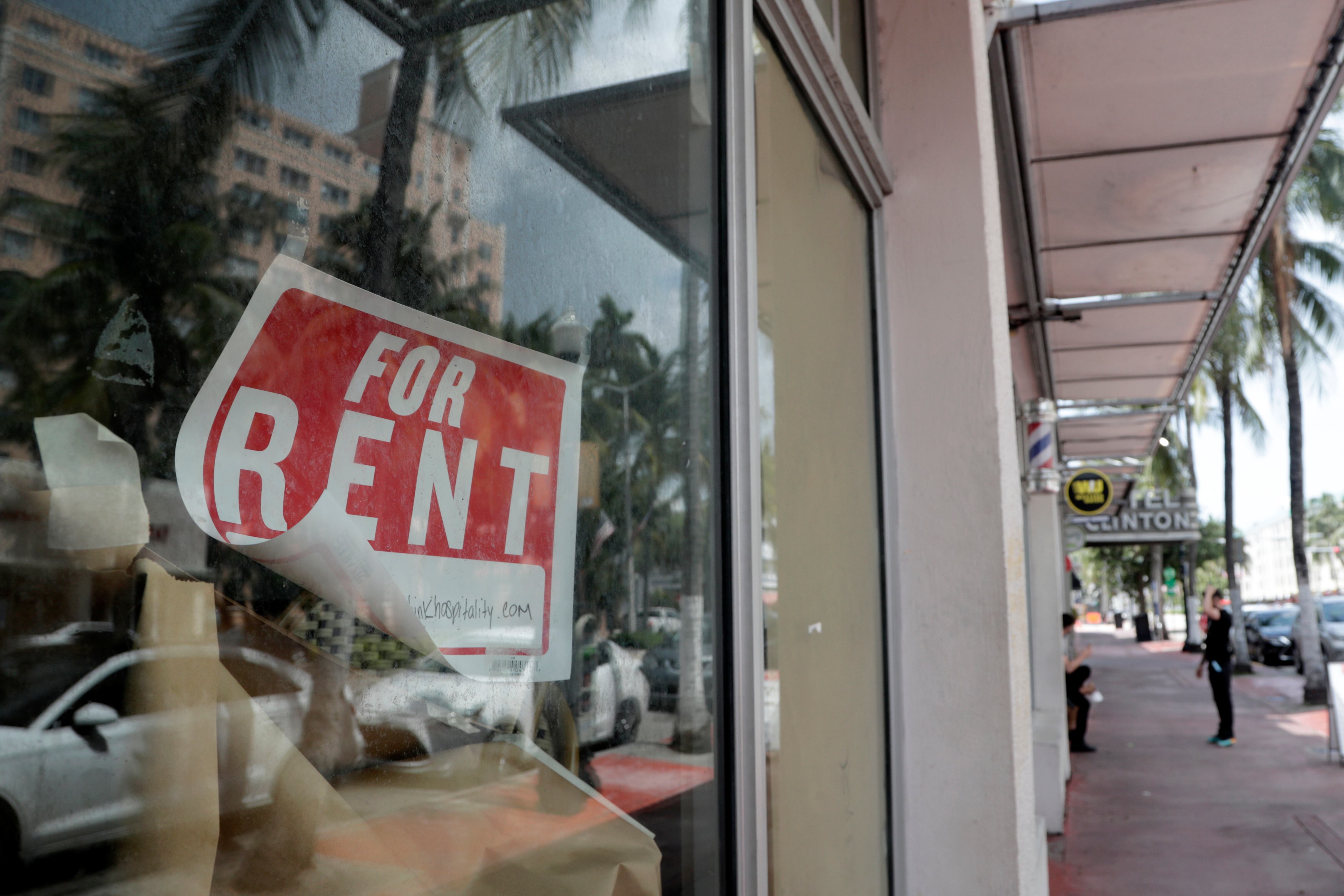
Unemployment claims rise for the second week as states reverse course on reopenings amid spikes in coronavirus cases. Tyler Goodspeed, acting chairmain of White House council of economic advisers, talks current standing of the economy.
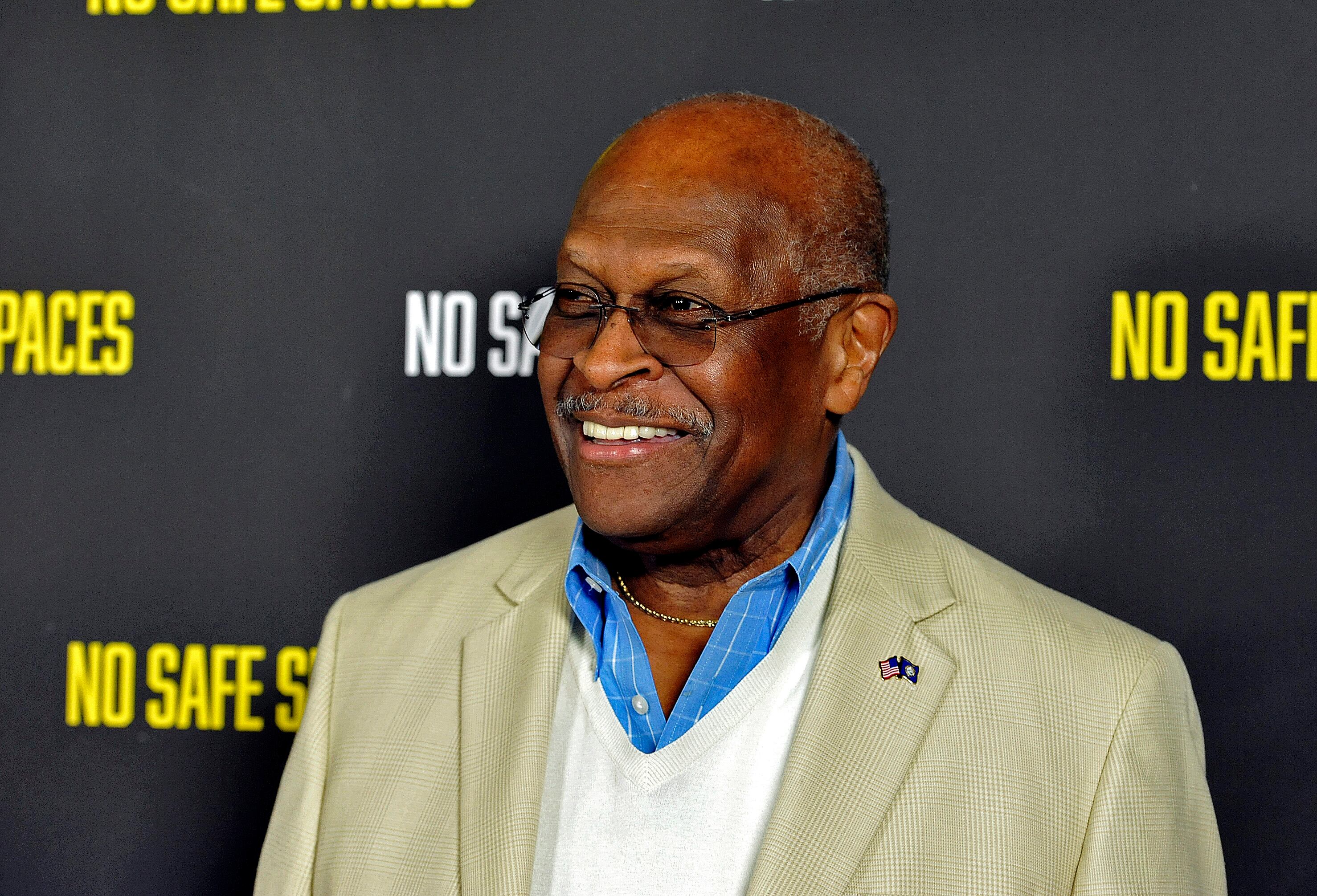
Former GOP presidential candidate Herman Cain has died after battling the coronavirus. He was 74.
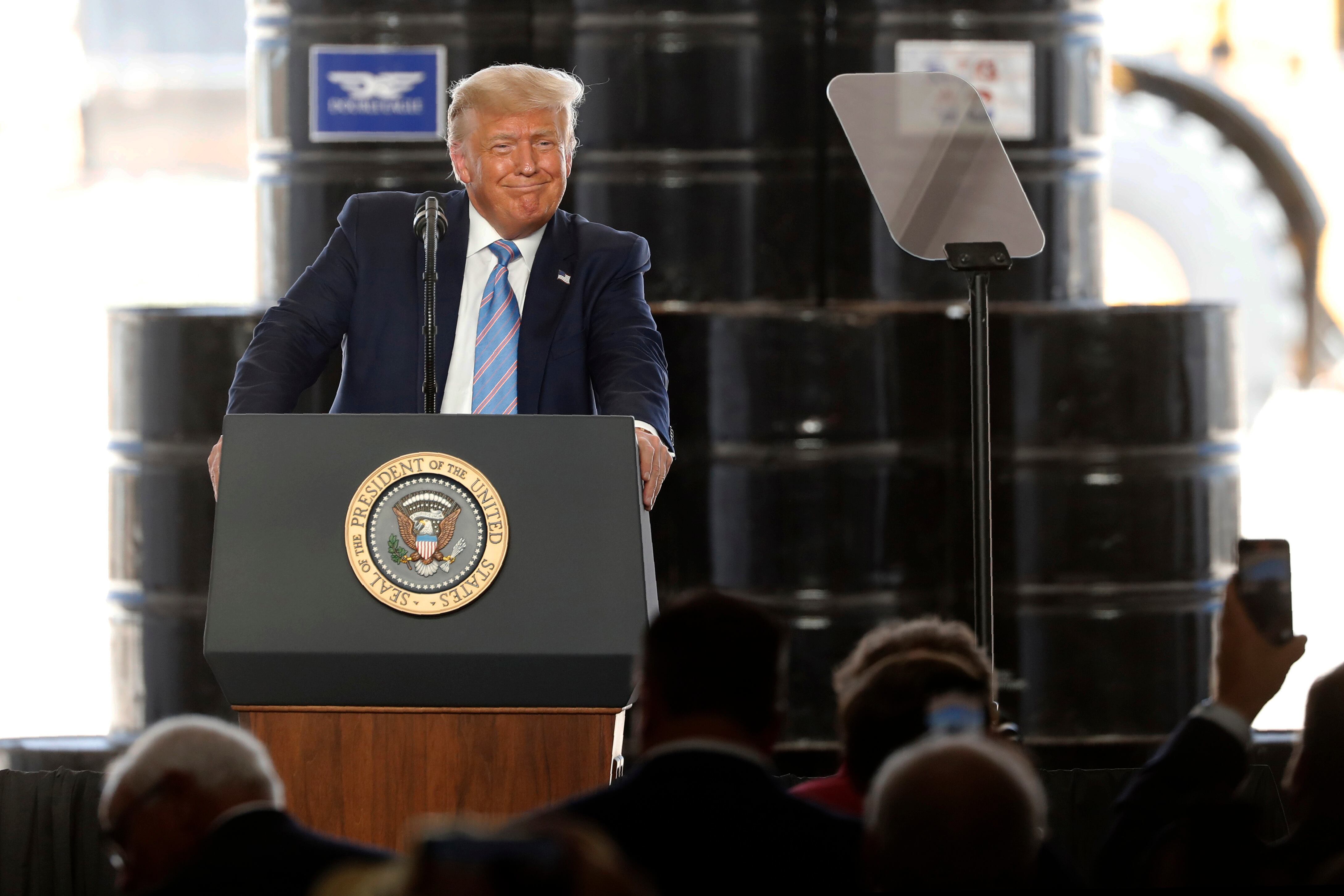
President Donald Trump is for the first time floating a “delay” to the Nov. 3 presidential election, as he makes unsubstantiated allegations that increased mail-in voting will result in fraud.
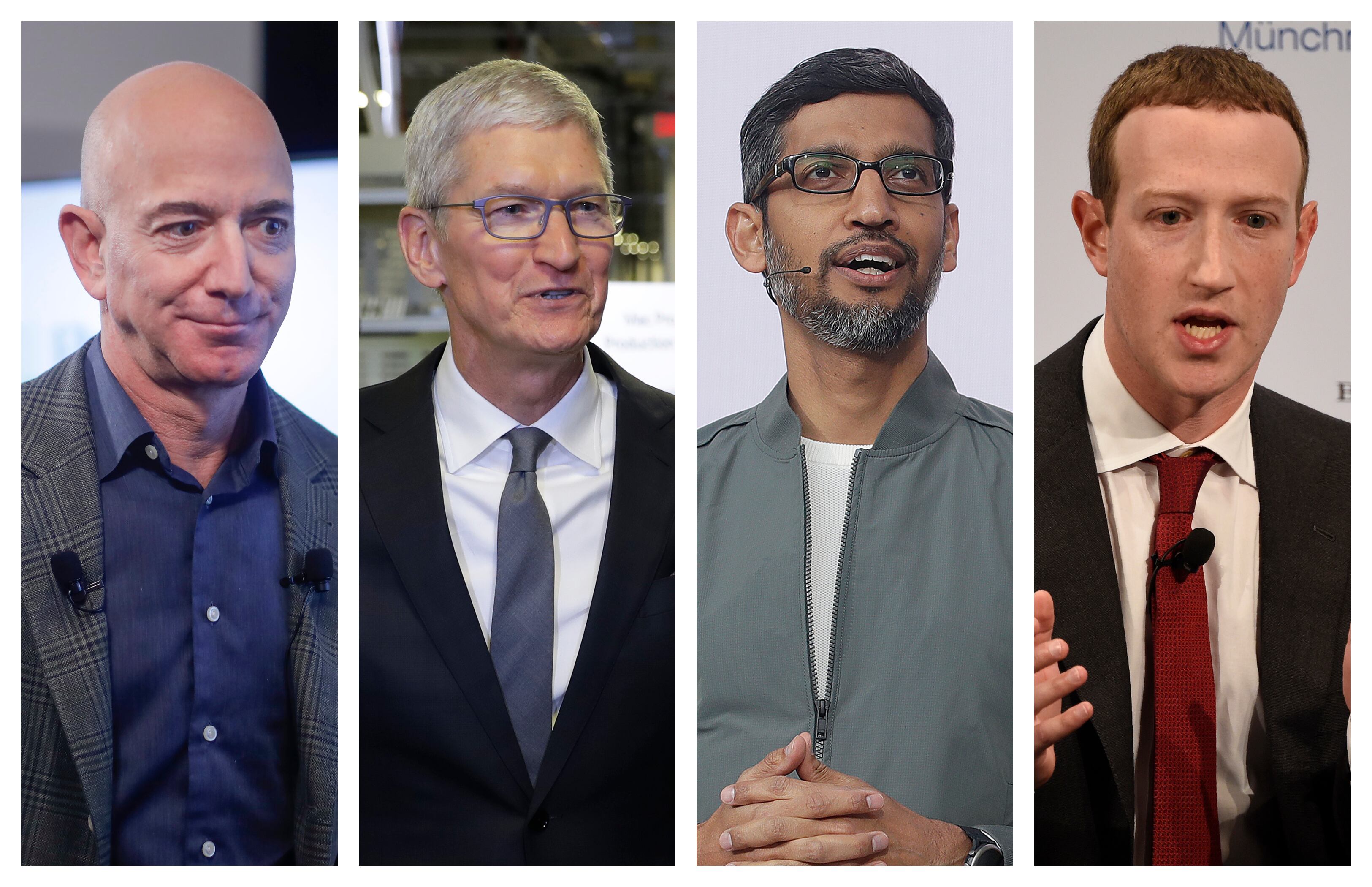
Four Big Tech CEOs are fending off accusations of stifling competition in front of a congressional panel that is investigating market dominance in the industry.
Cheddar takes a look at some key differences between proposals by Republicans and Democrats on the next phase of economic stimulus amid the pandemic crisis.
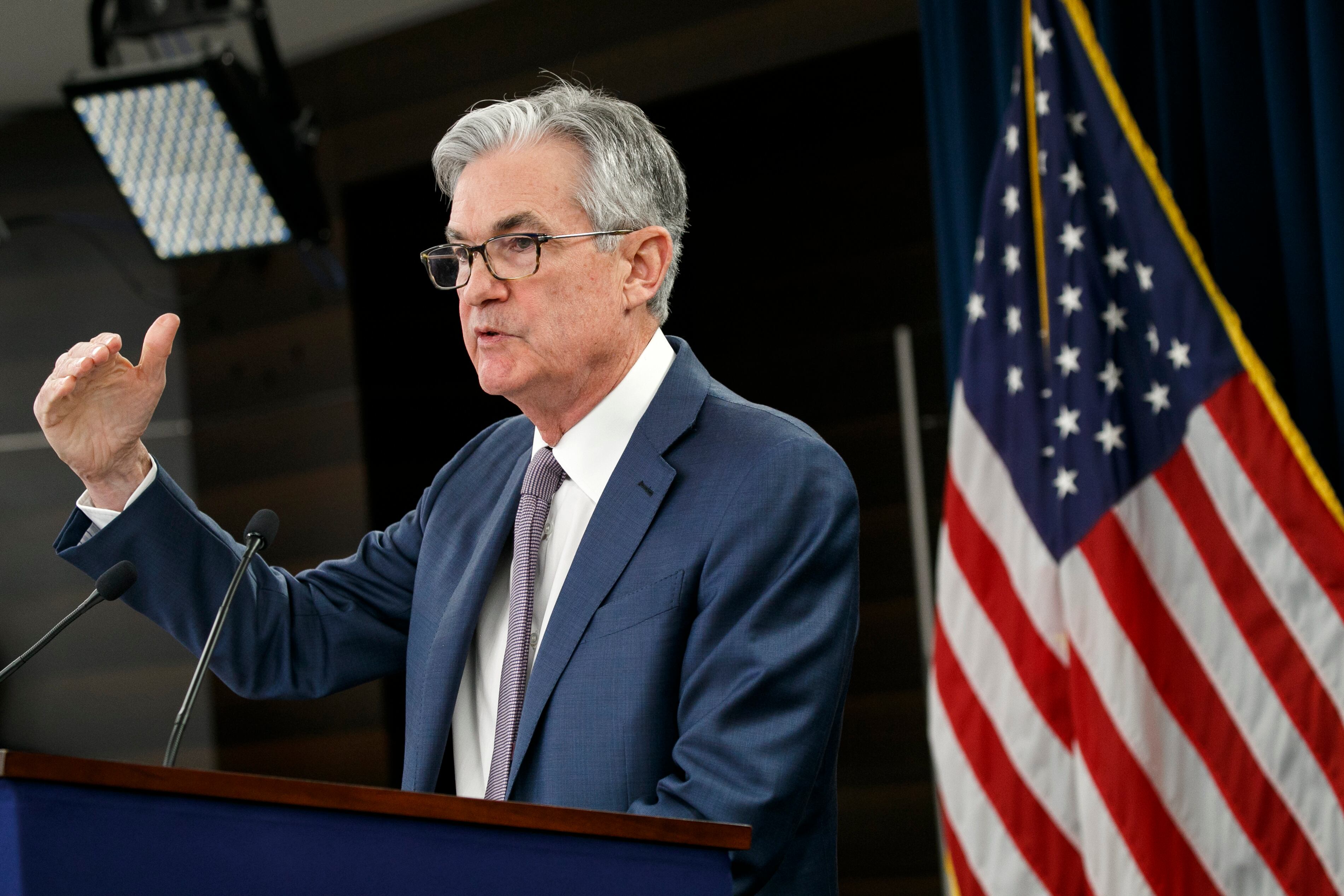
The Federal Reserve expressed concern Wednesday that the viral outbreak will act as a drag on the economy and hiring in the coming months and said it plans to keep its benchmark short-term interest rate pegged near zero.
Cheddar delves into the differences on approaches toward economic recovery and business between the House Democrats and the Senate Republicans.
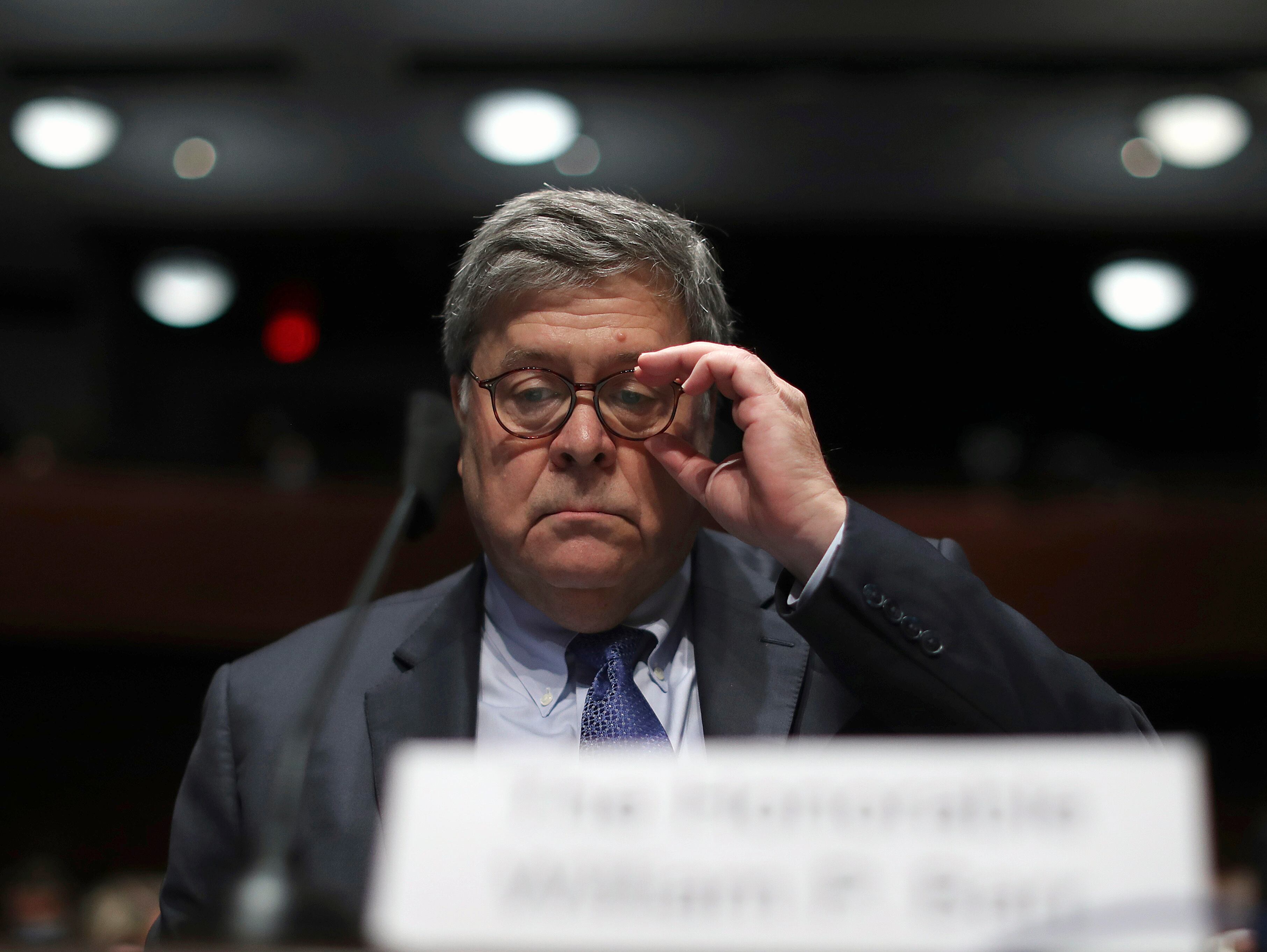
Attorney General William Barr is defending the aggressive federal law enforcement response to civil unrest in America, saying “violent rioters and anarchists have hijacked legitimate protests” sparked by George Floyd’s death at the hands of Minneapolis police.