As Washington debates whether the country should repeal the Affordable Care Act, known as Obamacare, applicants are rushing to get covered, reportedly driving applications to a record high.
“I’m glad that the people understand the importance of getting coverage,” Donna Christensen, the former delegate for the U.S. Virgin Islands’ at-large district, told Cheddar on Wednesday.
But many still remain uninsured. According to the National Center for Health Statistics, 28.2 million people under the age of 65 did not have coverage in 2016.
For context, that's a smaller proportion than before Obamacare passed. The federal agency said that the percentage of people uninsured now stands at 9 percent, compared to 16 percent in 2010.
Many uninsured and current beneficiaries of the Act worry that a repeal would be in place by 2019 and that time is running out. However, Christensen argues that this is not the case. She says it’s going to be very hard for Congress to repeal ACA.
“The Affordable Care Act is still the law of the land,” the ex-congresswoman said, stating that she doubts a repeal would ever happen.
“It was not easy to get the law passed, but it’s going to be more difficult to take it away,” Christensen said.
She encouraged the uninsured to seek coverage by December 15th this year, pointing out that benefits will be valid into the next year.
Congressional Budget Office director Keith Hall put out a blog post on the federal agency’s website on Wednesday. He says that according to the CBO’s most recent baseline, repealing Obamacare's individual mandate would reduce the nation’s federal budget deficit by $338 billion within the next decade. That's less than the previous estimate of $416 billion, made last December.
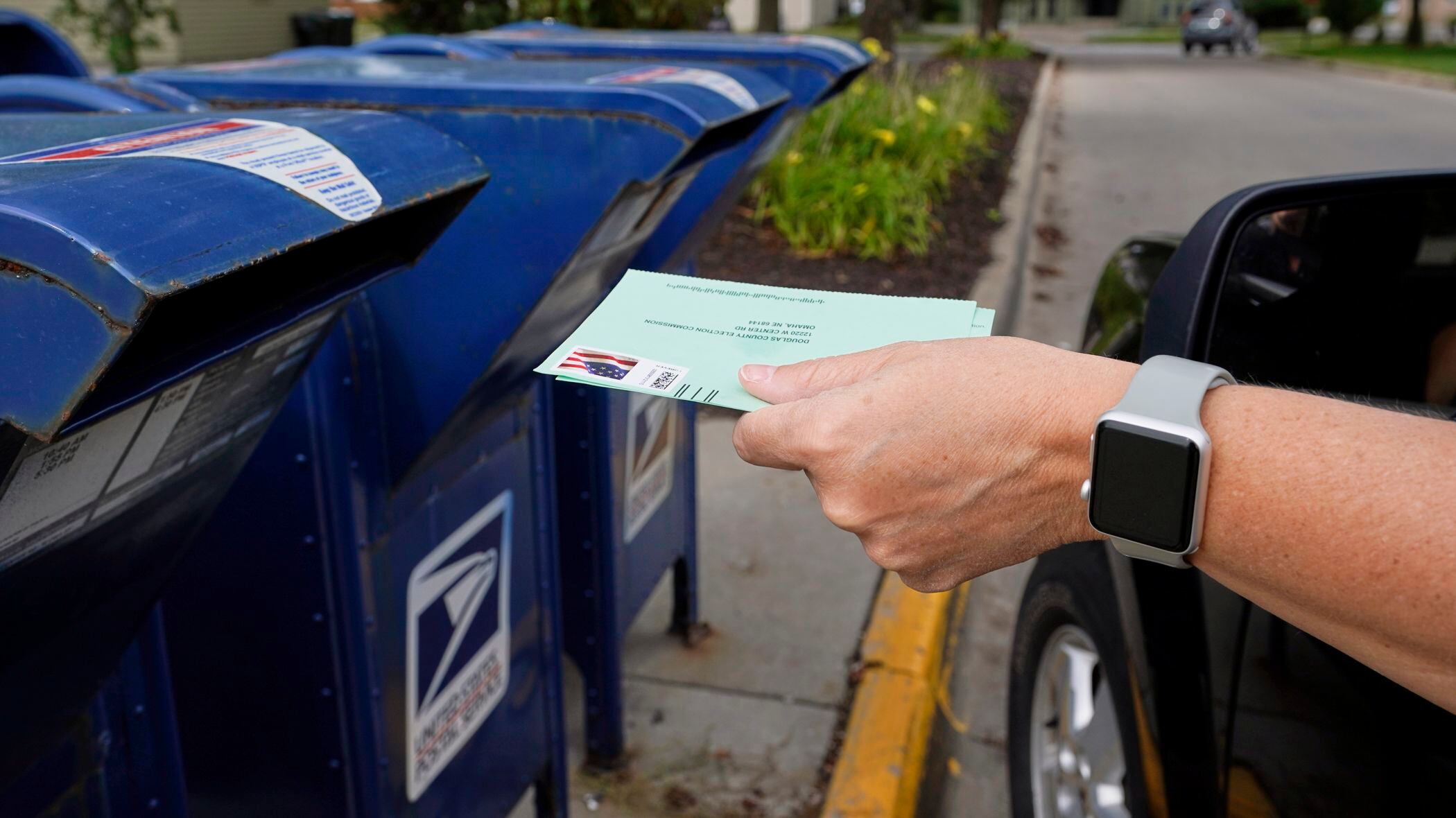
Data obtained by The Associated Press shows Postal Service districts across the nation are missing the agency’s own standards for on-time delivery as millions of Americans prepare to vote by mail.
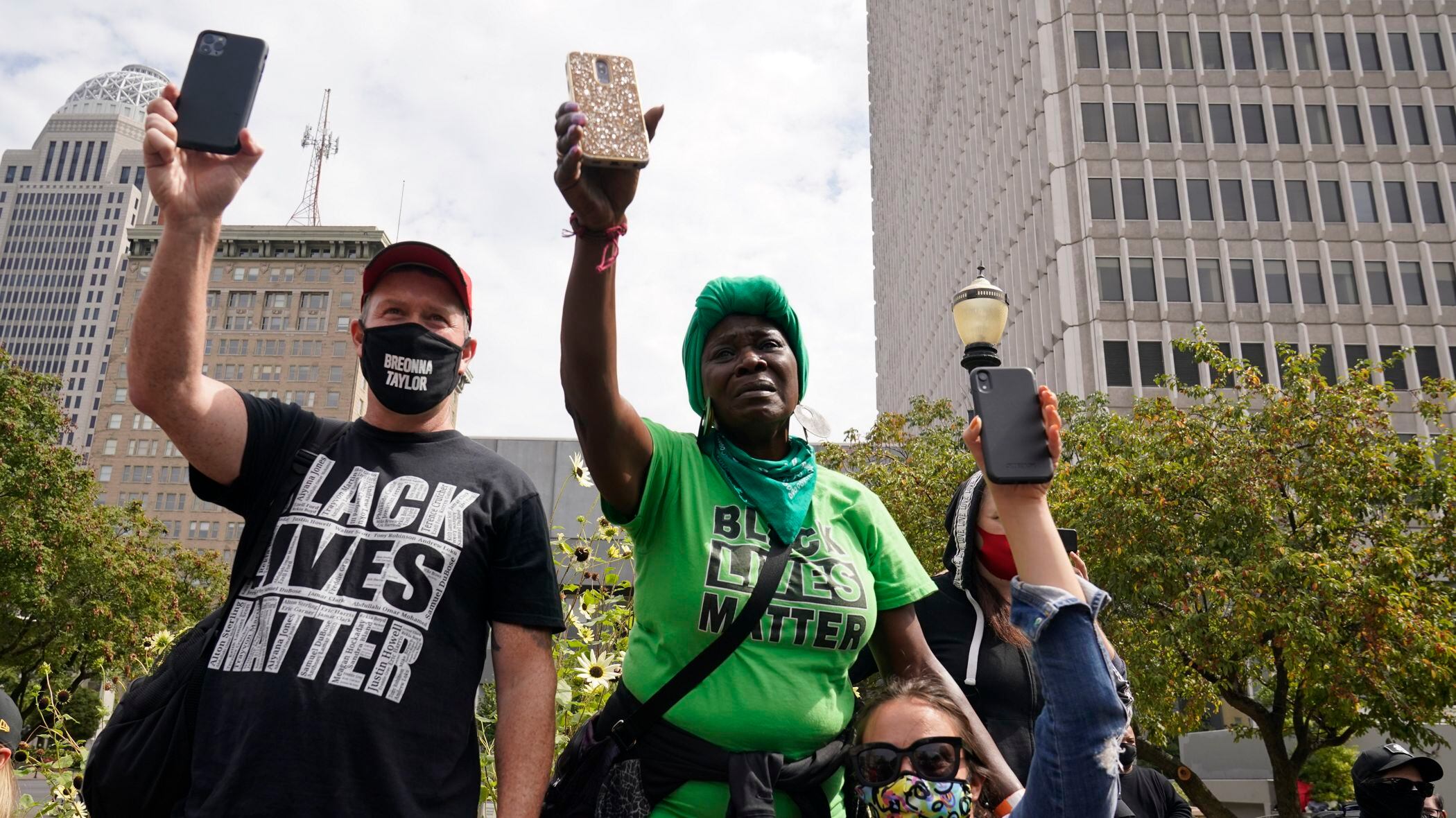
A Kentucky grand jury has brought no charges against Louisville police for the killing of Breonna Taylor during a drug raid gone wrong.
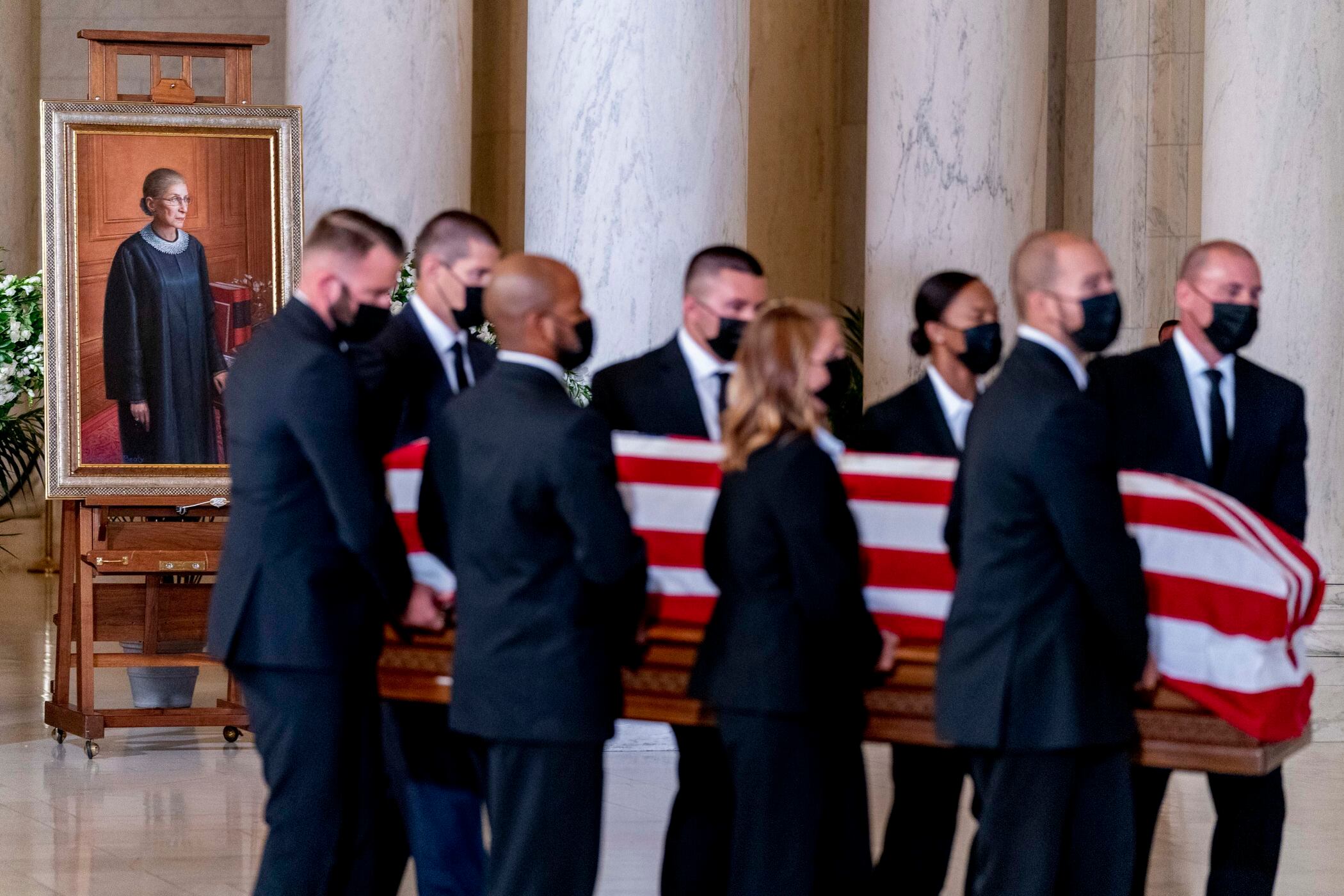
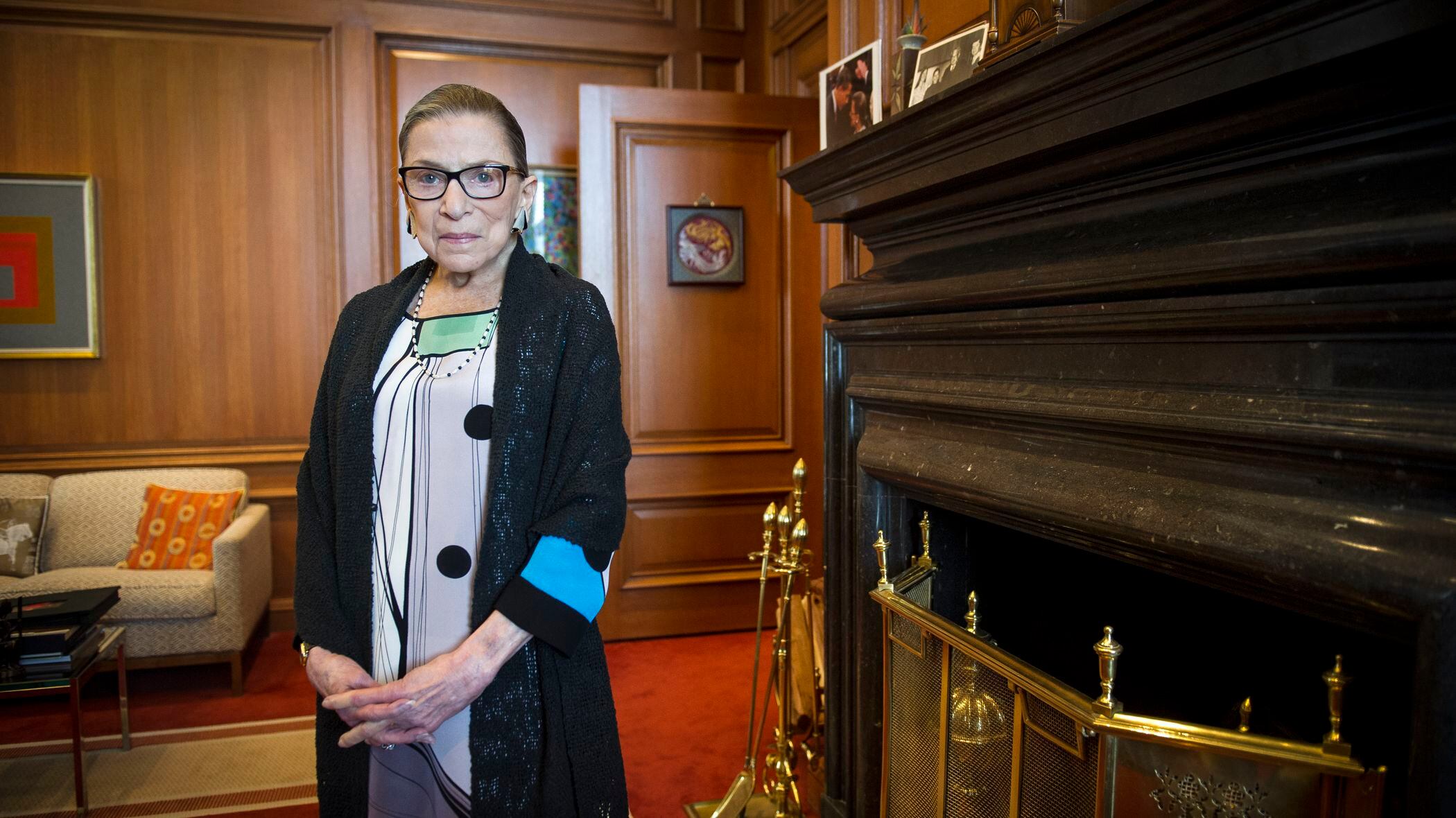
Supreme Court Justice Ruth Bader Ginsburg was remembered Wednesday at the court in front of grieving family, colleagues and friends as a prophet for justice who persevered against long odds to become an American icon.
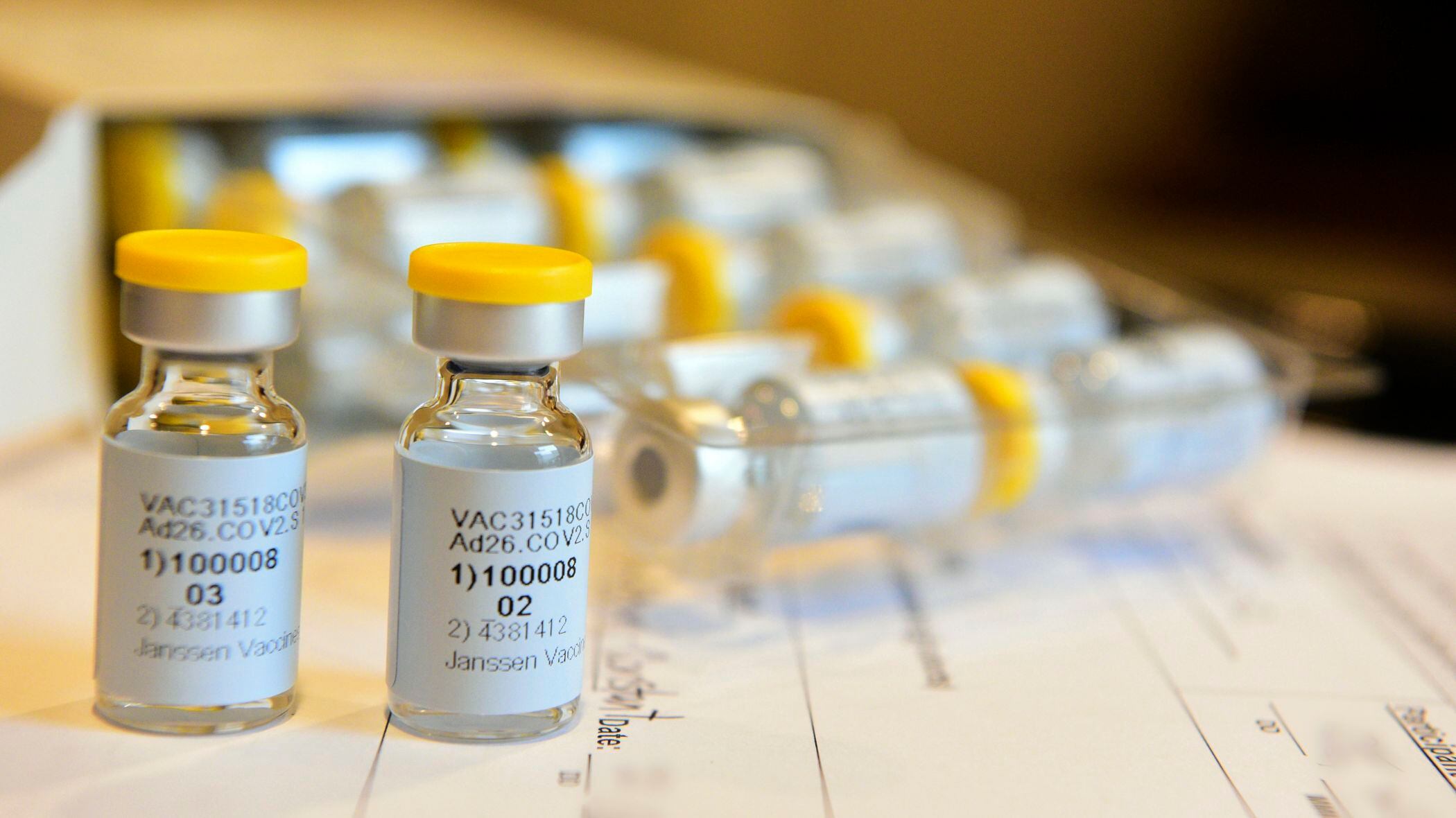
A huge study of a single-dose COVID-19 vaccine is getting underway as top U.S. health officials seek to assure a skeptical public they can trust any shots the government ultimately approves.
For a brief tour of Ginsburg's 27-year stint on the high court, here are five cases — three opinions and two dissents — that provide a look at her influence on business.
Rep. Ruben Gallego addressed the Trump administration's treatment of Hispanic amid the coronavirus pandemic.
Oregon Senator Jeff Merkley joined Cheddar to discuss Senate Democrats' special committee against the climate crisis. Merkley also addresses President Trump's denial of science and the impacts of climate crisis.
Andrew Wheeler, Administrator of the EPA, joined Cheddar to defend the Trump administration's stance on environmental protections and whether science is taken into account when regulations are put in place.
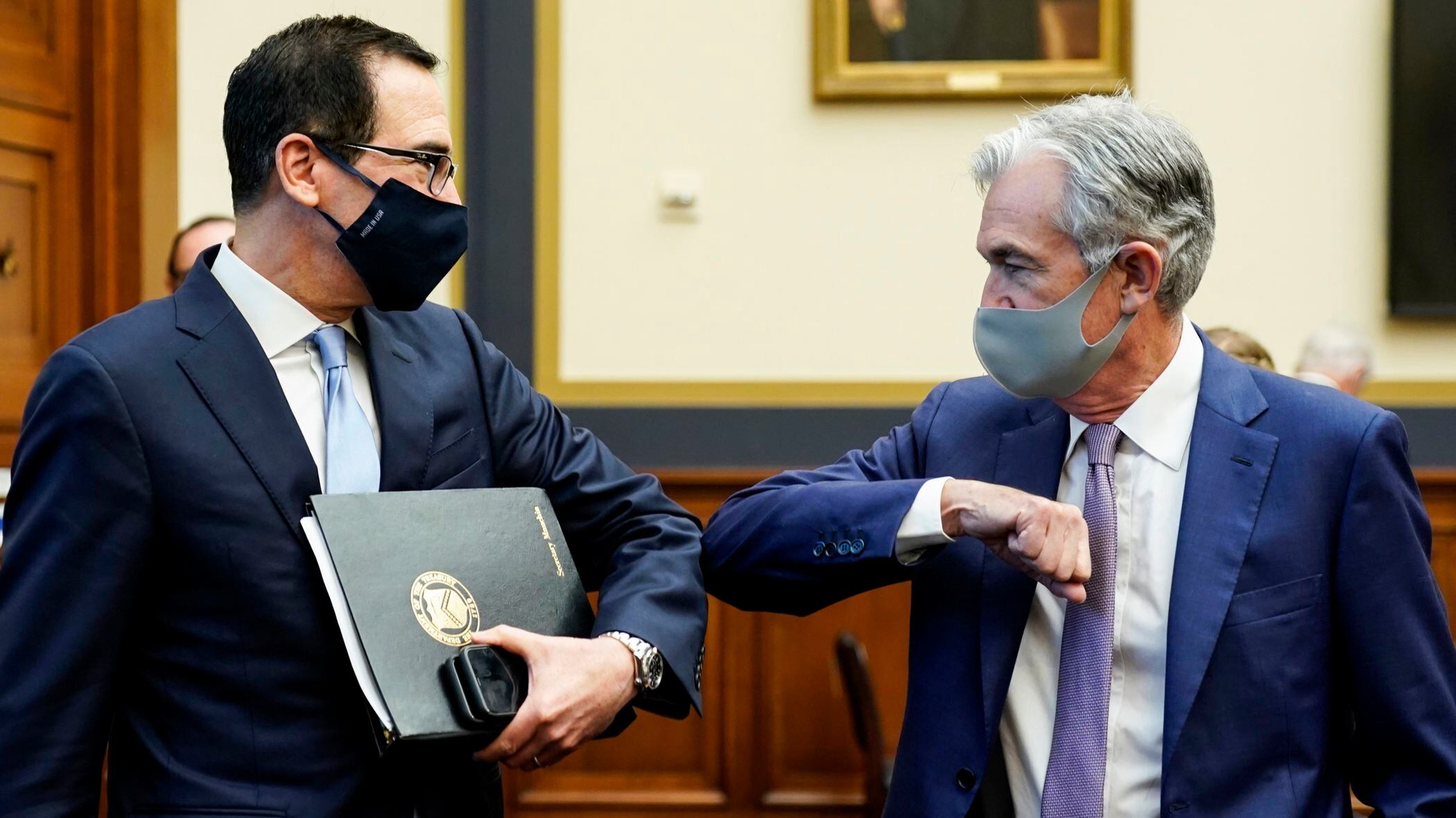
The Federal Reserve Chairman and Treasury Secretary expressed cautious optimism that the U.S. economy is rebounding from the pandemic-induced recession with federal support but that more help from the government is likely needed.
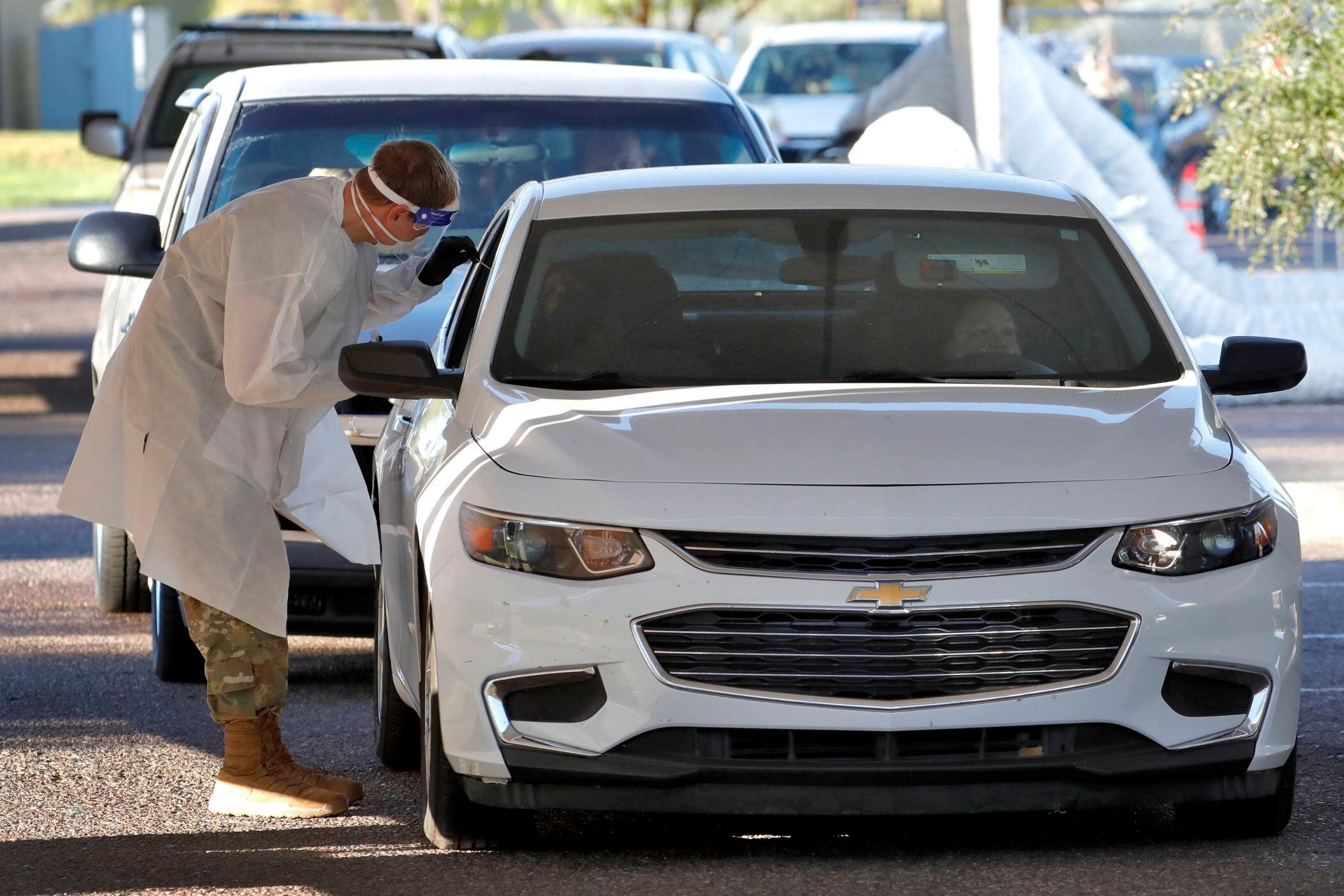
The death toll in the U.S. from the coronavirus has topped 200,000, a figure unimaginable eight months ago when the scourge first reached the world’s richest nation.