As Washington debates whether the country should repeal the Affordable Care Act, known as Obamacare, applicants are rushing to get covered, reportedly driving applications to a record high.
“I’m glad that the people understand the importance of getting coverage,” Donna Christensen, the former delegate for the U.S. Virgin Islands’ at-large district, told Cheddar on Wednesday.
But many still remain uninsured. According to the National Center for Health Statistics, 28.2 million people under the age of 65 did not have coverage in 2016.
For context, that's a smaller proportion than before Obamacare passed. The federal agency said that the percentage of people uninsured now stands at 9 percent, compared to 16 percent in 2010.
Many uninsured and current beneficiaries of the Act worry that a repeal would be in place by 2019 and that time is running out. However, Christensen argues that this is not the case. She says it’s going to be very hard for Congress to repeal ACA.
“The Affordable Care Act is still the law of the land,” the ex-congresswoman said, stating that she doubts a repeal would ever happen.
“It was not easy to get the law passed, but it’s going to be more difficult to take it away,” Christensen said.
She encouraged the uninsured to seek coverage by December 15th this year, pointing out that benefits will be valid into the next year.
Congressional Budget Office director Keith Hall put out a blog post on the federal agency’s website on Wednesday. He says that according to the CBO’s most recent baseline, repealing Obamacare's individual mandate would reduce the nation’s federal budget deficit by $338 billion within the next decade. That's less than the previous estimate of $416 billion, made last December.
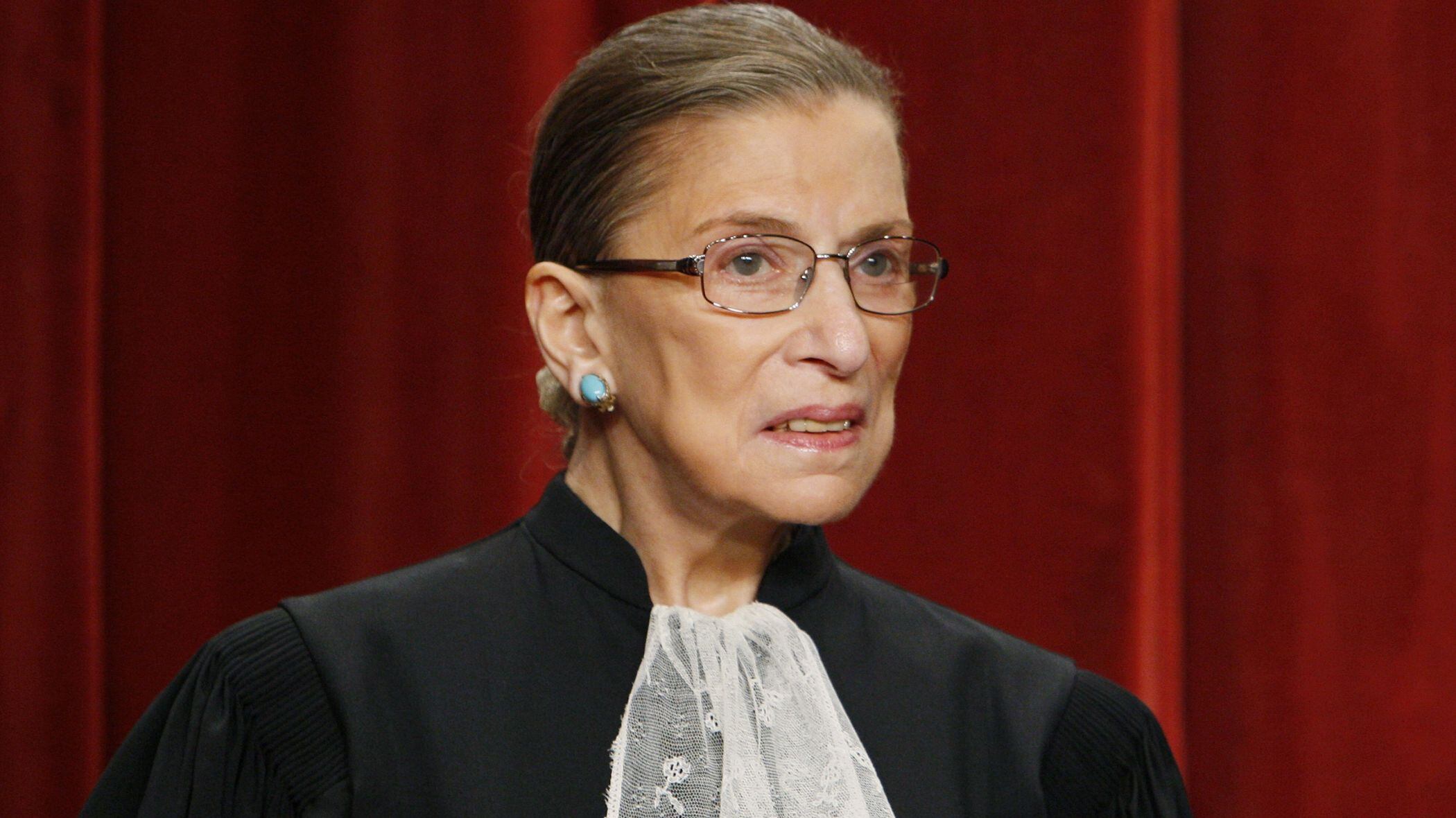
The late Supreme Court Justice Ruth Bader Ginsburg lay in state at the U.S. Capitol on Friday, the first woman in American history so honored at the domed building.
From Wall Street to Silicon Valley, these are the top stories that moved markets and had investors, business leaders, and entrepreneurs talking this week on Cheddar.
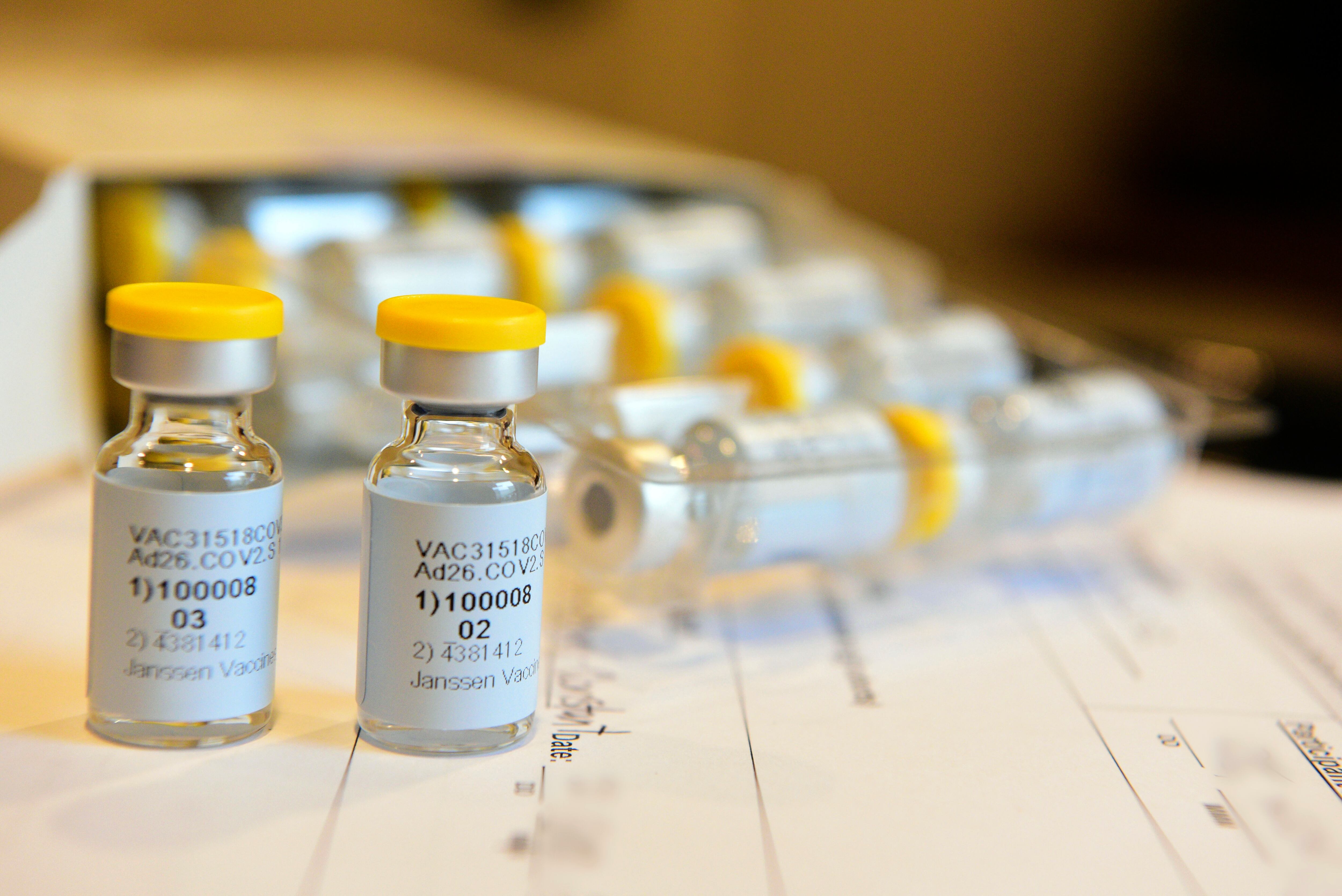
Dr. Paul Stoffels, chief scientific officer at Johnson & Johnson, joined Cheddar to discuss phase three COVID-19 vaccine trials. More than 60,000 people worldwide have volunteered to be part of the study.
A closer look at some key areas where Ginsburg was most influential reveals a jurist who defied easy ideological categories, especially when it came to business.
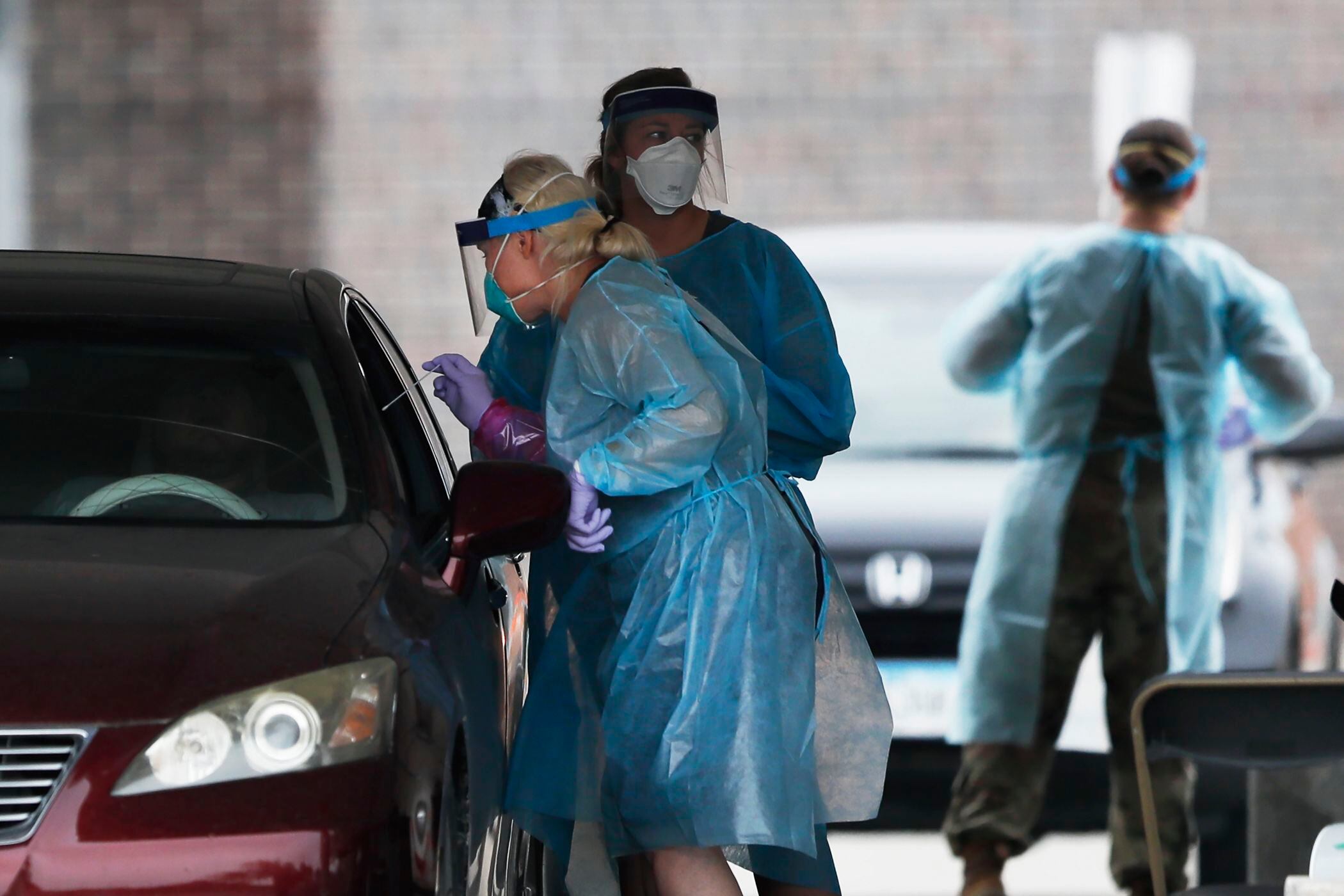
The pandemic is now striking cities with much smaller populations, often in conservative corners of America where anti-mask sentiment runs high.
Ohio Rep. Bob Latta joined Cheddar to discuss new safety legislation he's introduced for autonomous vehicles. The Self-Drive Act will create a national standard for operation of self-driving cars.
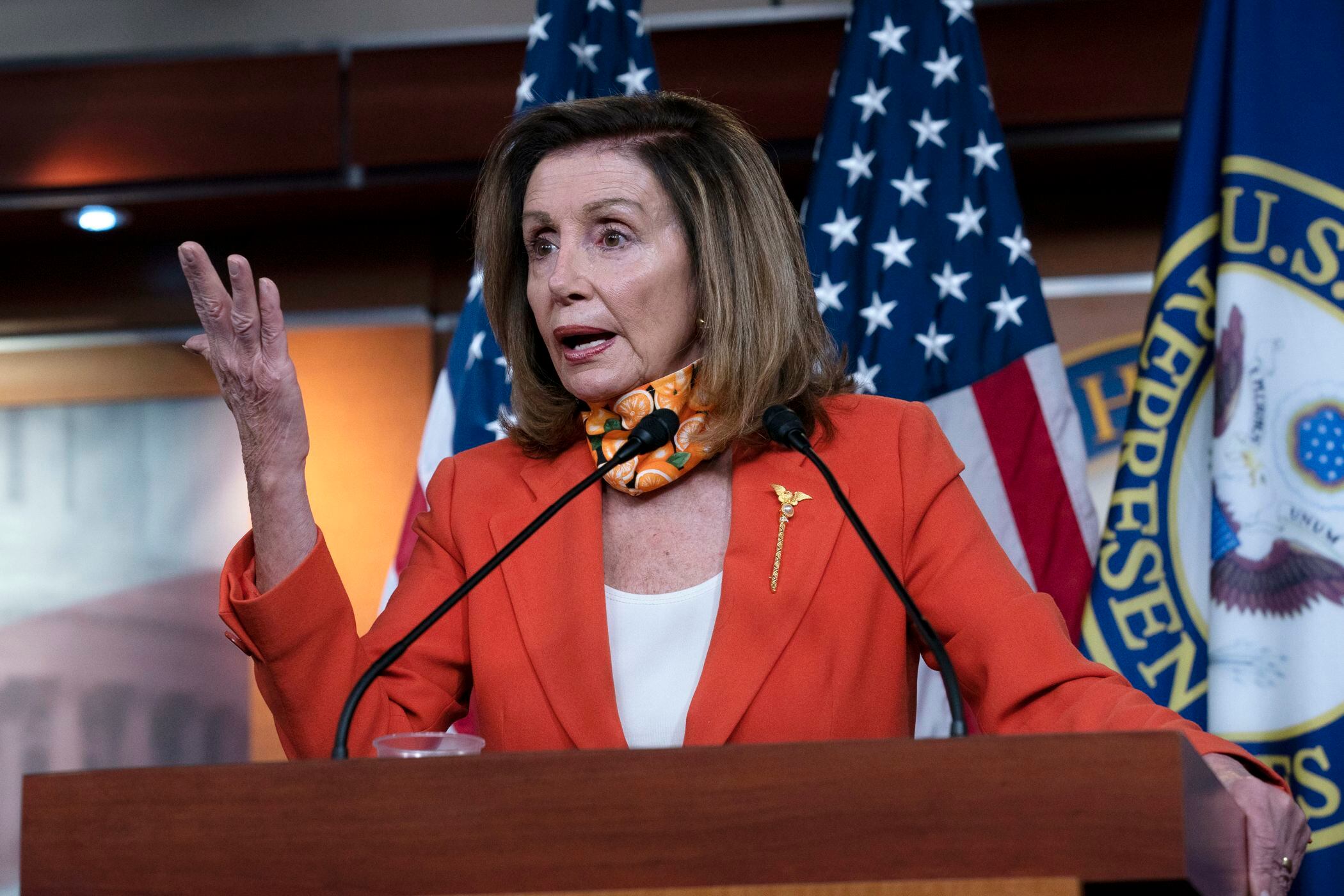
Democrats are going back to the drawing board on a huge virus relief bill. House Democrats say they are paring back their proposal in an attempt to jump-start negotiations with the Trump administration.
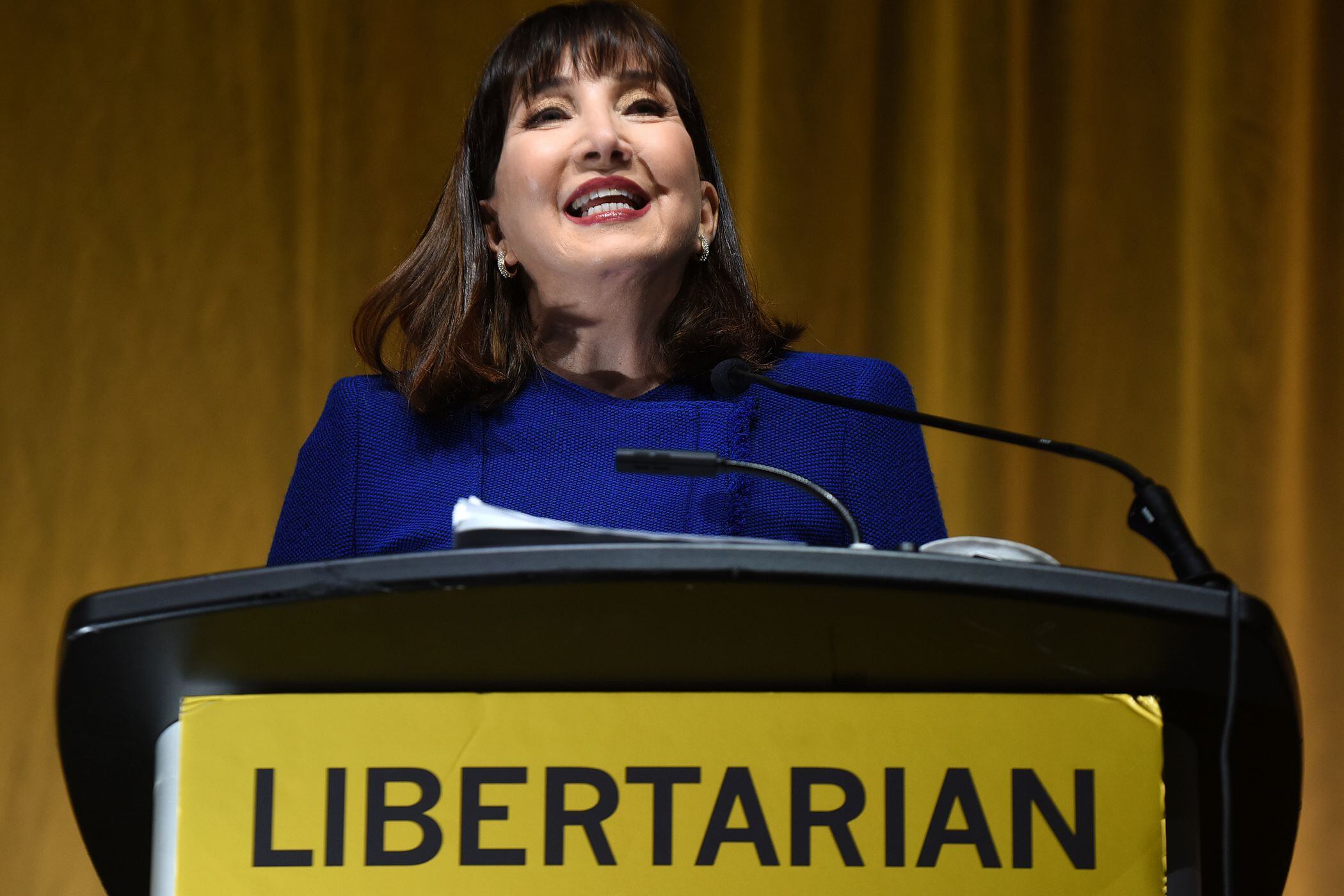
Dr. Jo Jorgensen, the 2020 Libertarian candidate for President, joined Cheddar to discuss her role in this year's election and whether third party candidates dictate the outcome. Jorgensen also provides her position on mask wearing when it comes to mitigating the spread of COVID-19.
As undocumented immigrants navigate life in America, we're hearing a firsthand account of what it's like seeking higher education while being undocumented. Sarahi Espinoza Salamanca, founder and CEO of DREAMers Roadmap, joined Cheddar to discuss how to app helps other undocumented immigrants find funds to pay for school.
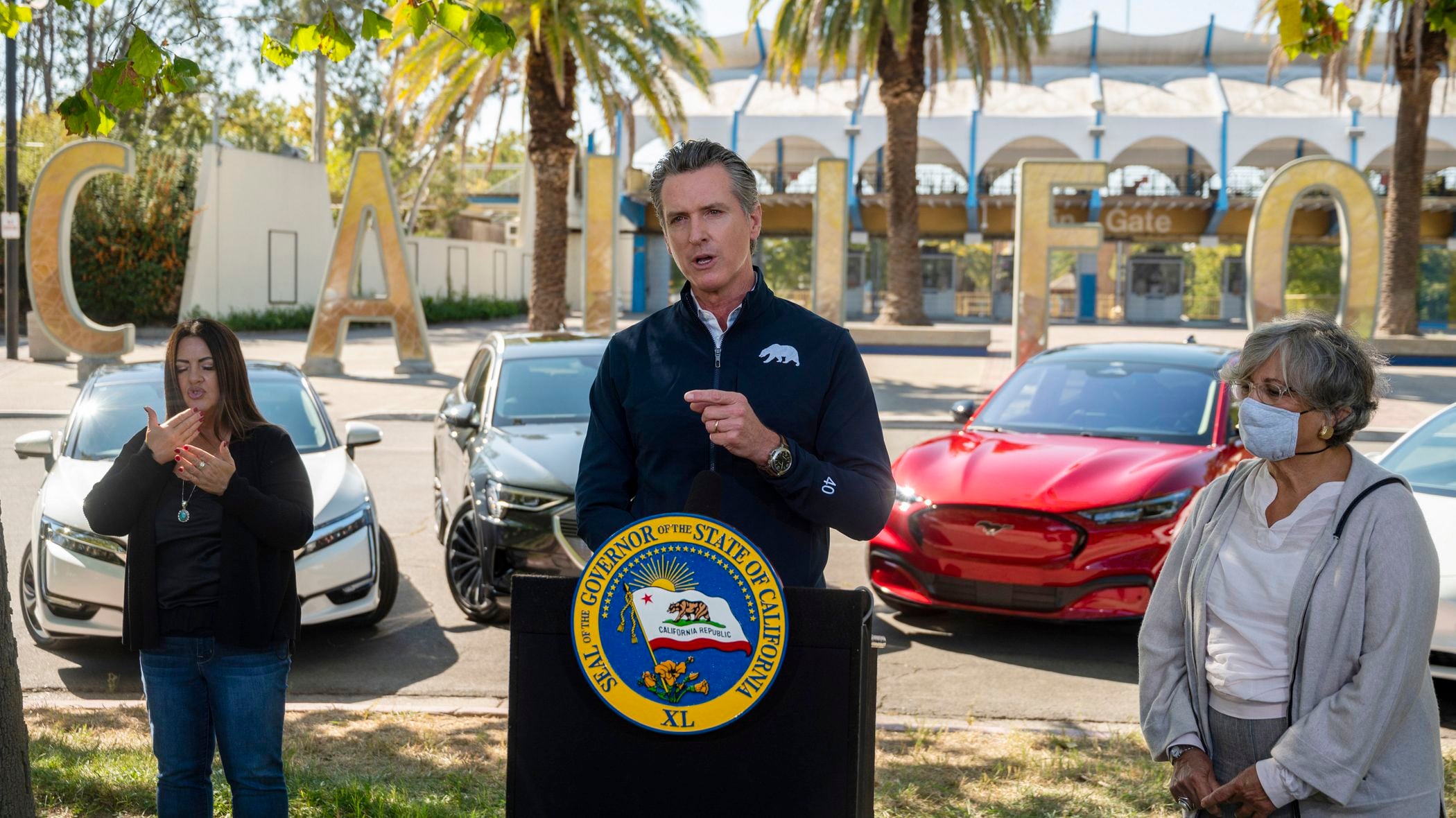
California plans to ban the sale of new gasoline-powered passenger cars and trucks in 15 years.