As Washington debates whether the country should repeal the Affordable Care Act, known as Obamacare, applicants are rushing to get covered, reportedly driving applications to a record high.
“I’m glad that the people understand the importance of getting coverage,” Donna Christensen, the former delegate for the U.S. Virgin Islands’ at-large district, told Cheddar on Wednesday.
But many still remain uninsured. According to the National Center for Health Statistics, 28.2 million people under the age of 65 did not have coverage in 2016.
For context, that's a smaller proportion than before Obamacare passed. The federal agency said that the percentage of people uninsured now stands at 9 percent, compared to 16 percent in 2010.
Many uninsured and current beneficiaries of the Act worry that a repeal would be in place by 2019 and that time is running out. However, Christensen argues that this is not the case. She says it’s going to be very hard for Congress to repeal ACA.
“The Affordable Care Act is still the law of the land,” the ex-congresswoman said, stating that she doubts a repeal would ever happen.
“It was not easy to get the law passed, but it’s going to be more difficult to take it away,” Christensen said.
She encouraged the uninsured to seek coverage by December 15th this year, pointing out that benefits will be valid into the next year.
Congressional Budget Office director Keith Hall put out a blog post on the federal agency’s website on Wednesday. He says that according to the CBO’s most recent baseline, repealing Obamacare's individual mandate would reduce the nation’s federal budget deficit by $338 billion within the next decade. That's less than the previous estimate of $416 billion, made last December.
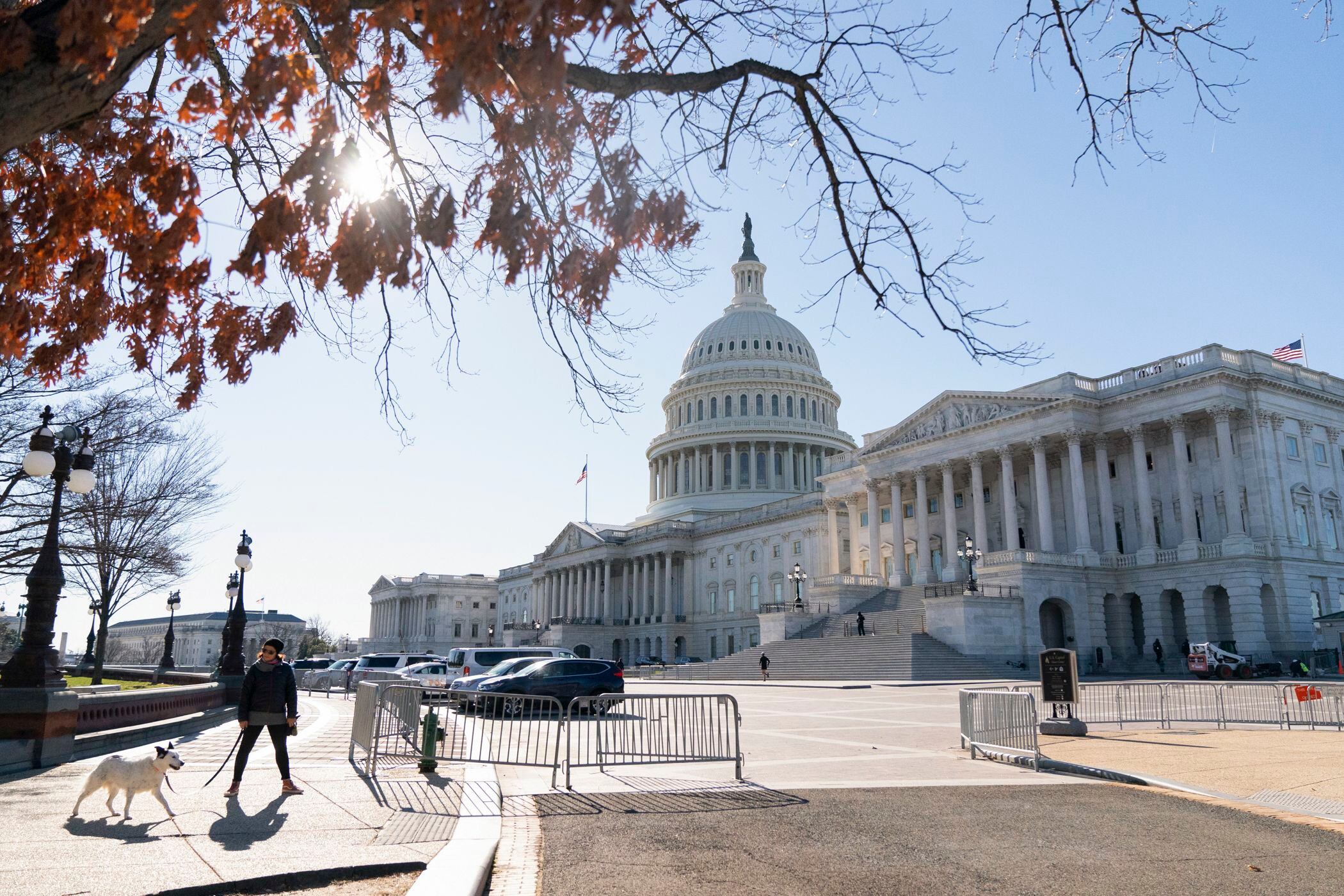
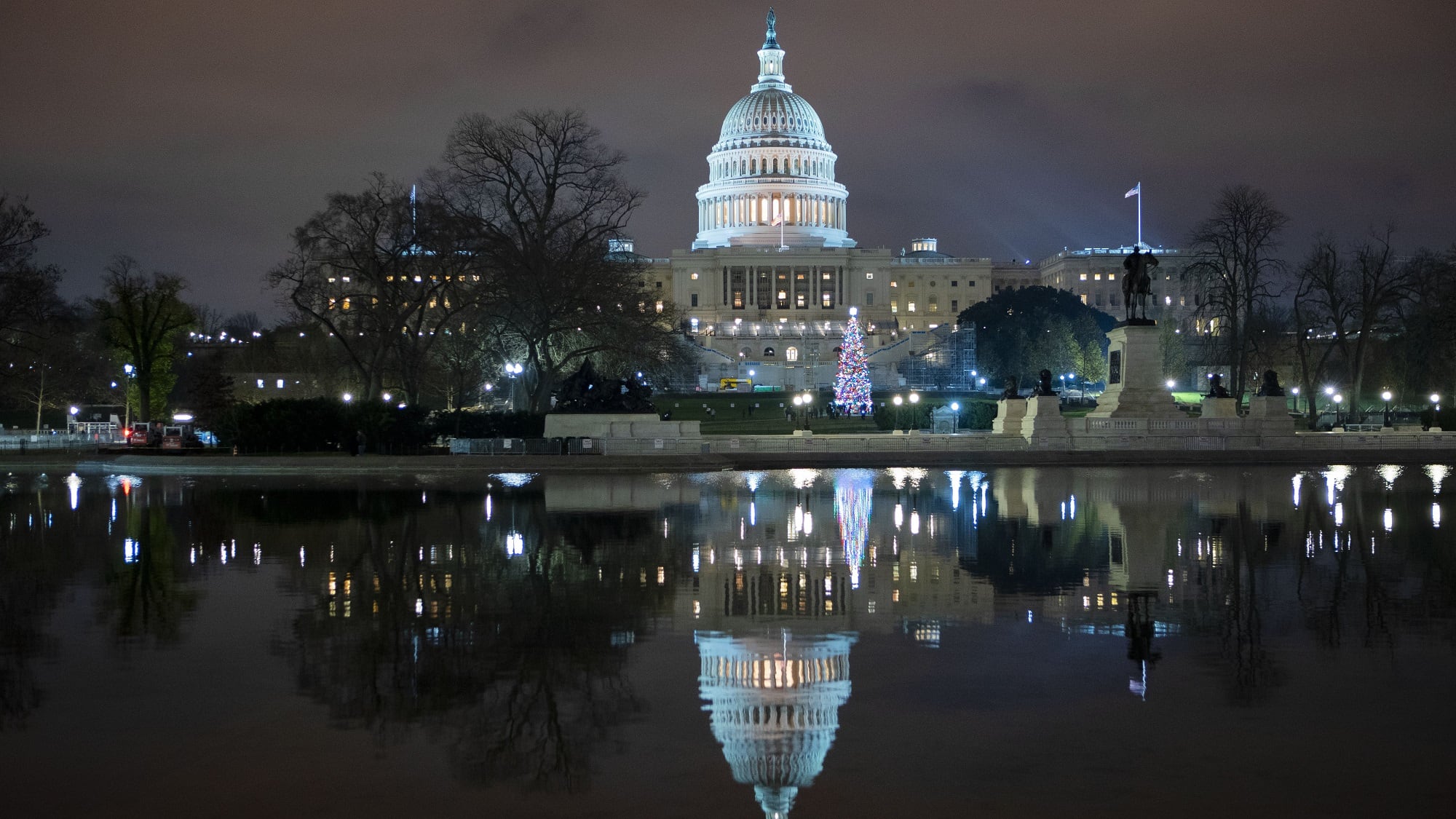
Senate Majority Leader Mitch McConnell has blocked Democrats’ push to immediately bring President Donald Trump’s demand for bigger $2,000 COVID-19 relief checks up for a vote.
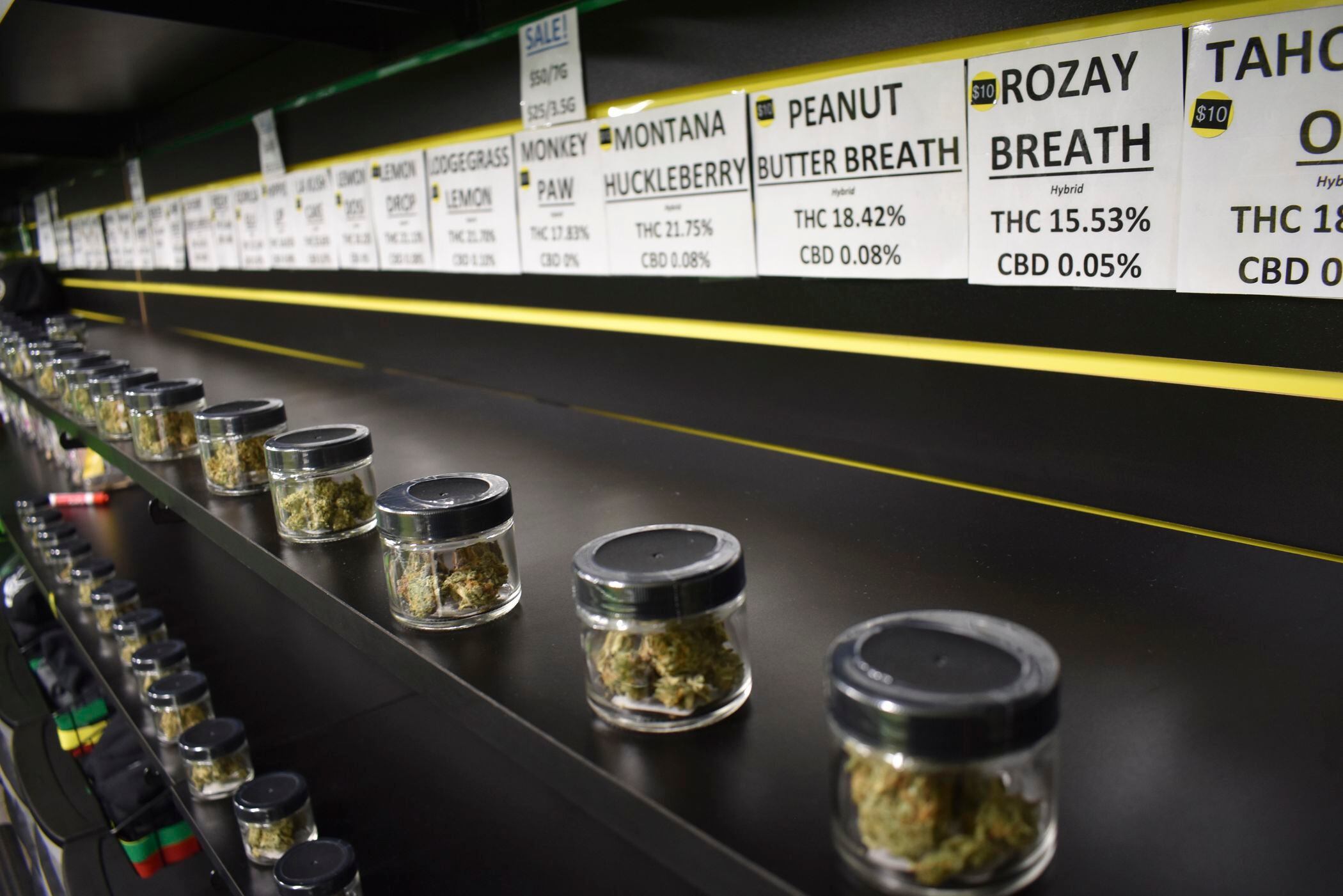
As 2020 winds to a close, the industry will head into 2021 propelled by titanic shifts in the perception of cannabis in the U.S. and unprecedented political tailwinds.
The House voted Monday to increase COVID-19 relief checks to $2,000, meeting President Donald Trump’s demand for bigger payments and sending the bill to the GOP-controlled Senate, where the outcome is uncertain.
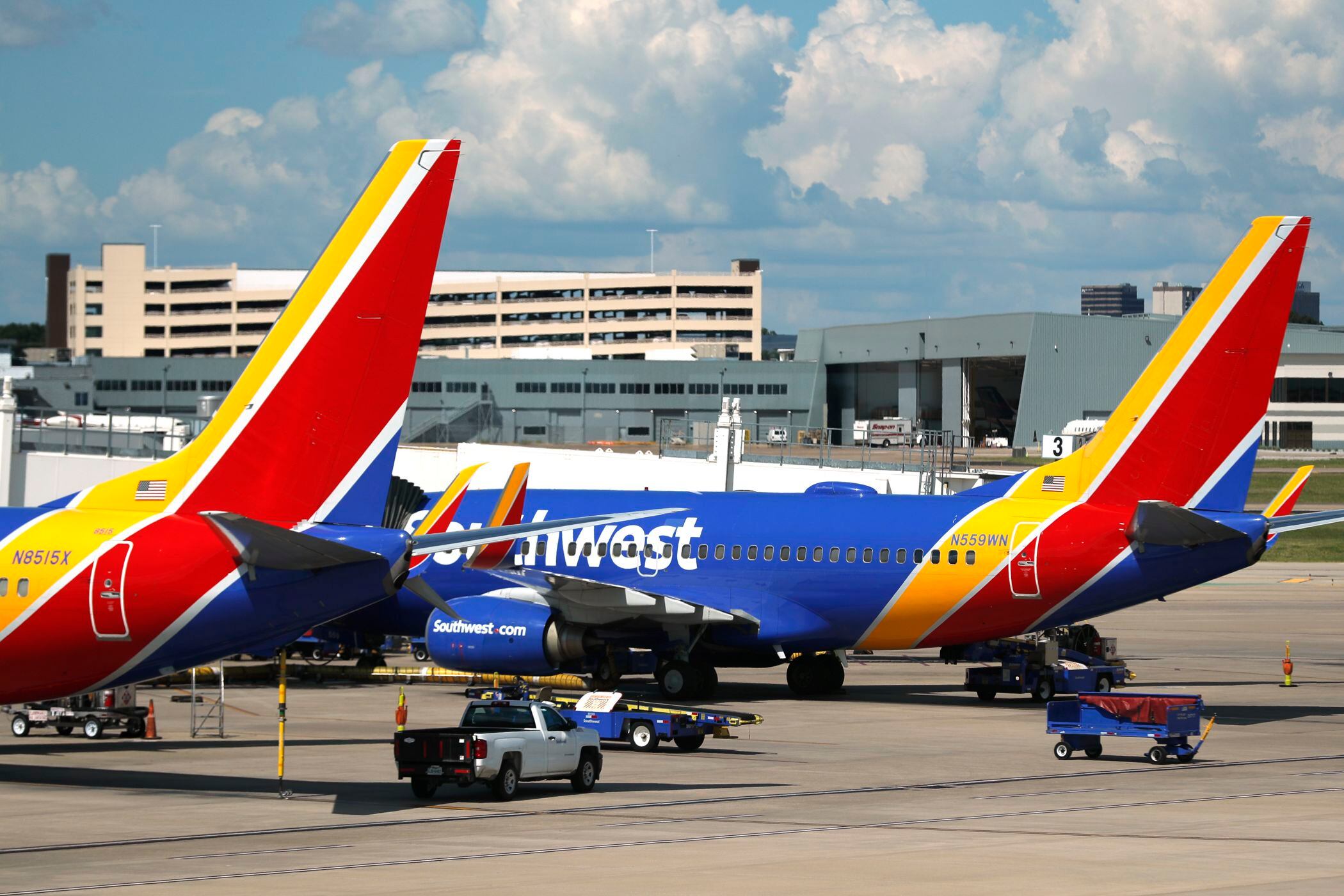
Southwest Airlines says it's not going to furlough workers in 2021 after all. The airline's CEO says that with Washington's approval of $15 billion in new federal aid to airlines, furloughs or pay cuts aren't needed.
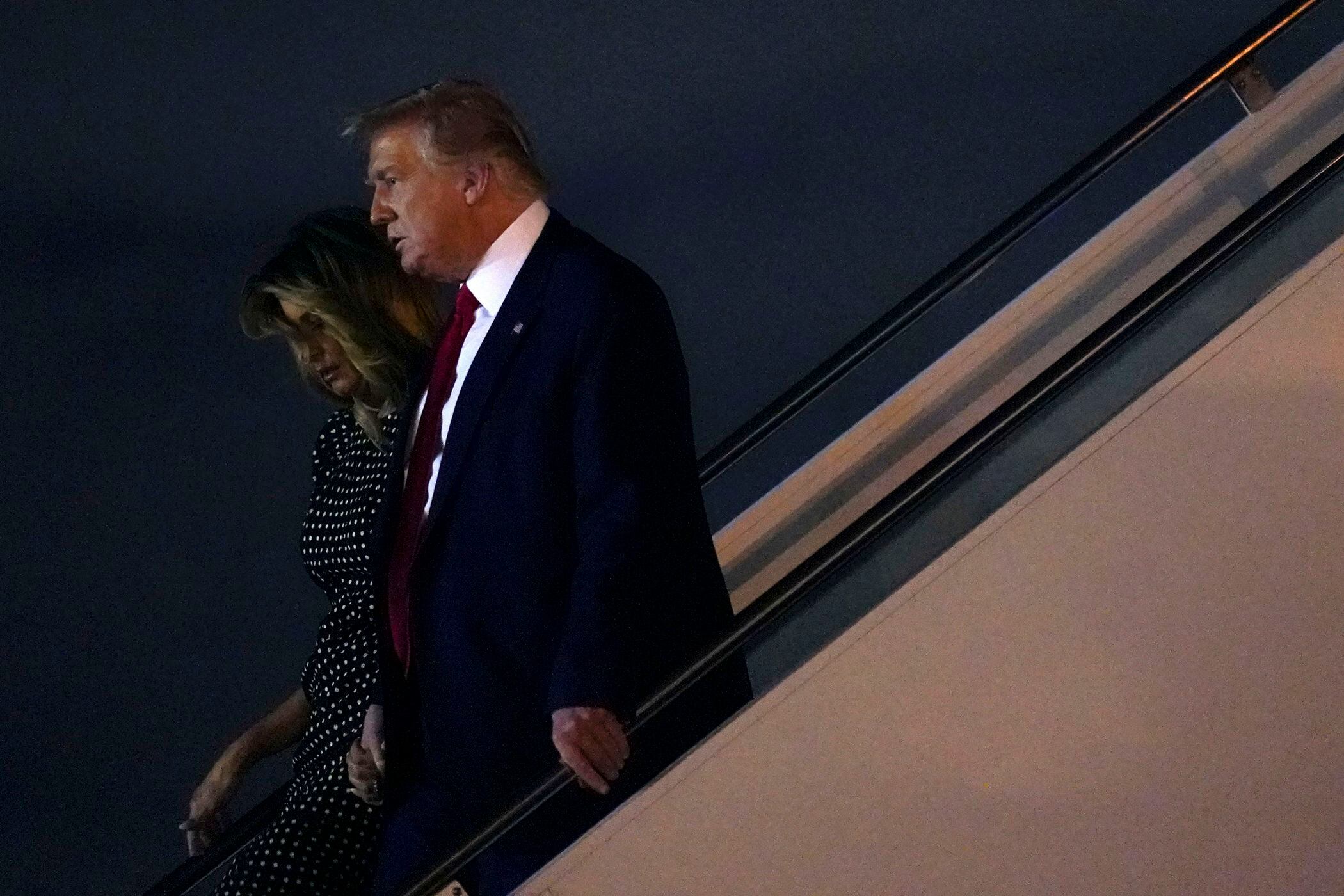
President Donald Trump’s last-minute demand for $2,000 checks for most Americans has thrown the yea-end COVID relief into chaos. House Republicans on Thursday swiftly rejected the demand.
From Wall Street to Silicon Valley, these are the top stories that moved markets and had investors, business leaders, and entrepreneurs talking this week on Cheddar.
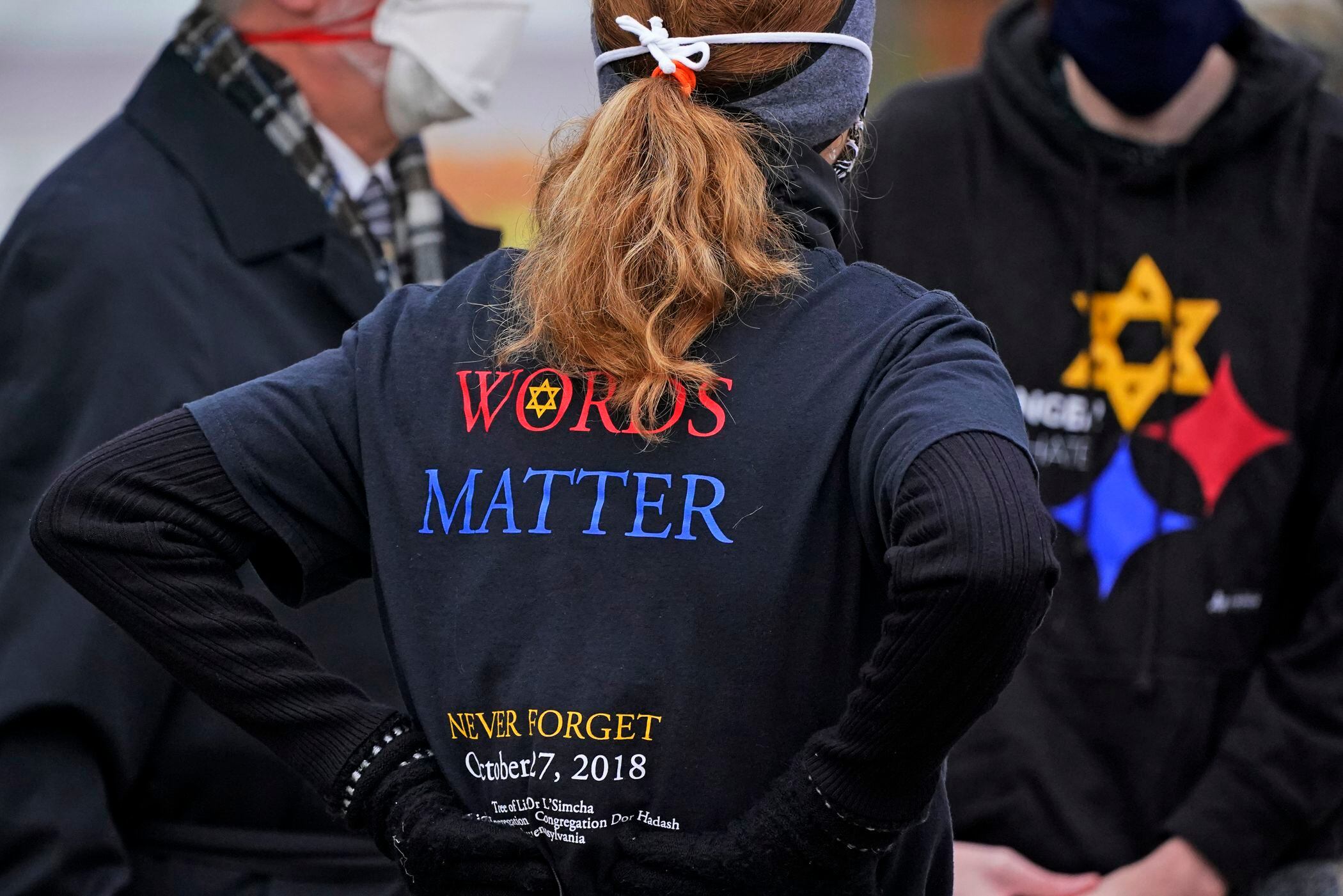
Following 2020's Hanukkah celebration, Cheddar's Jill Wagner looks into the often overlooked issue of antisemitism still plaguing the United States.
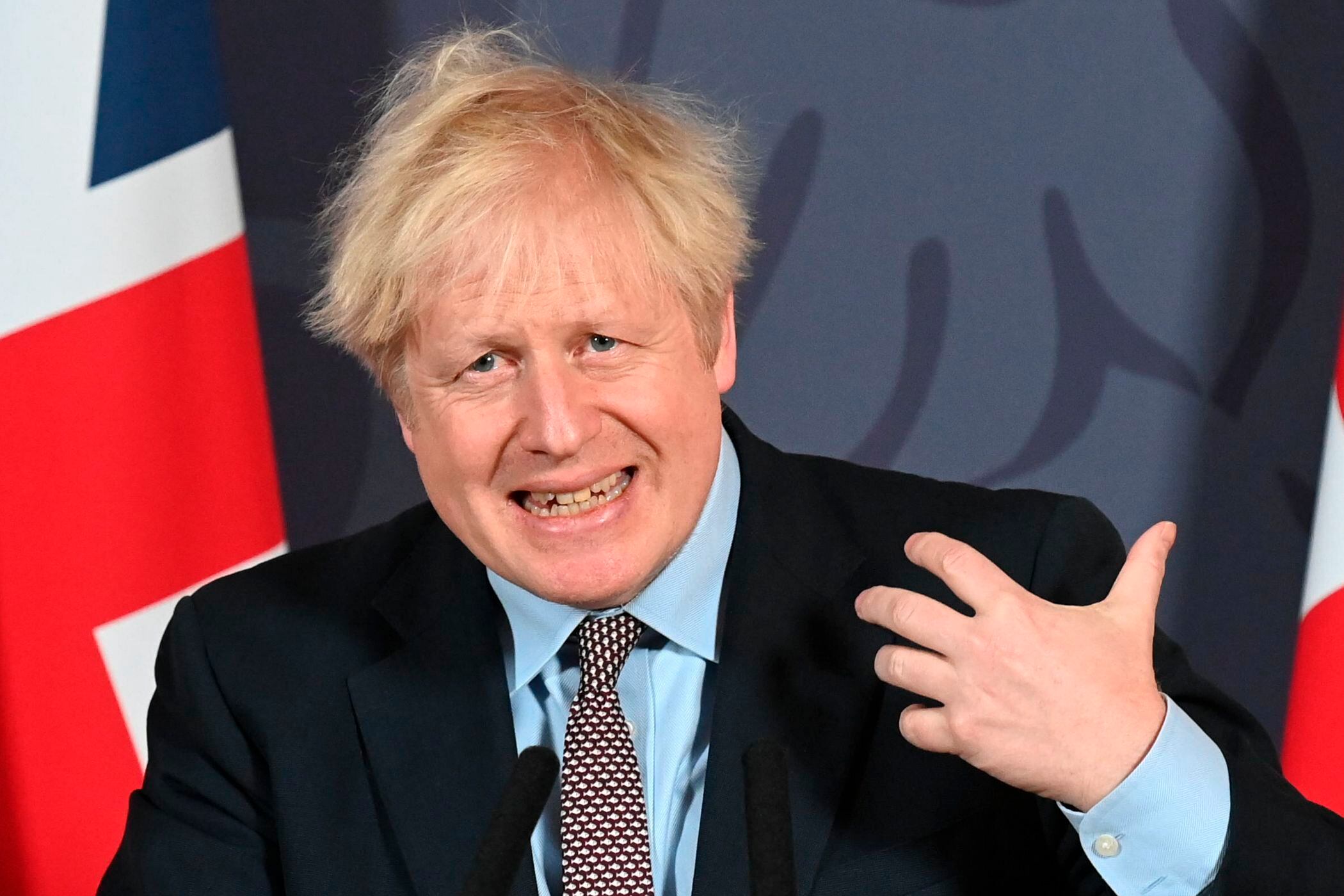
Britain and the European Union have struck a provisional free-trade agreement that should avert New Year’s chaos for cross-border commerce and bring a measure of certainty to businesses after years of Brexit turmoil.
President Donald Trump has plunged Washington into chaos once more by mounting another desperate attempt to cling to power while leaving lawmakers scrambling to respond to his threat to detonate Congress’ massive COVID-19 relief and year-end package.
President Donald Trump has vetoed the annual defense policy bill, following through on threats to veto a measure that has broad bipartisan support in Congress and potentially setting up the first override vote of his presidency.