As Washington debates whether the country should repeal the Affordable Care Act, known as Obamacare, applicants are rushing to get covered, reportedly driving applications to a record high.
“I’m glad that the people understand the importance of getting coverage,” Donna Christensen, the former delegate for the U.S. Virgin Islands’ at-large district, told Cheddar on Wednesday.
But many still remain uninsured. According to the National Center for Health Statistics, 28.2 million people under the age of 65 did not have coverage in 2016.
For context, that's a smaller proportion than before Obamacare passed. The federal agency said that the percentage of people uninsured now stands at 9 percent, compared to 16 percent in 2010.
Many uninsured and current beneficiaries of the Act worry that a repeal would be in place by 2019 and that time is running out. However, Christensen argues that this is not the case. She says it’s going to be very hard for Congress to repeal ACA.
“The Affordable Care Act is still the law of the land,” the ex-congresswoman said, stating that she doubts a repeal would ever happen.
“It was not easy to get the law passed, but it’s going to be more difficult to take it away,” Christensen said.
She encouraged the uninsured to seek coverage by December 15th this year, pointing out that benefits will be valid into the next year.
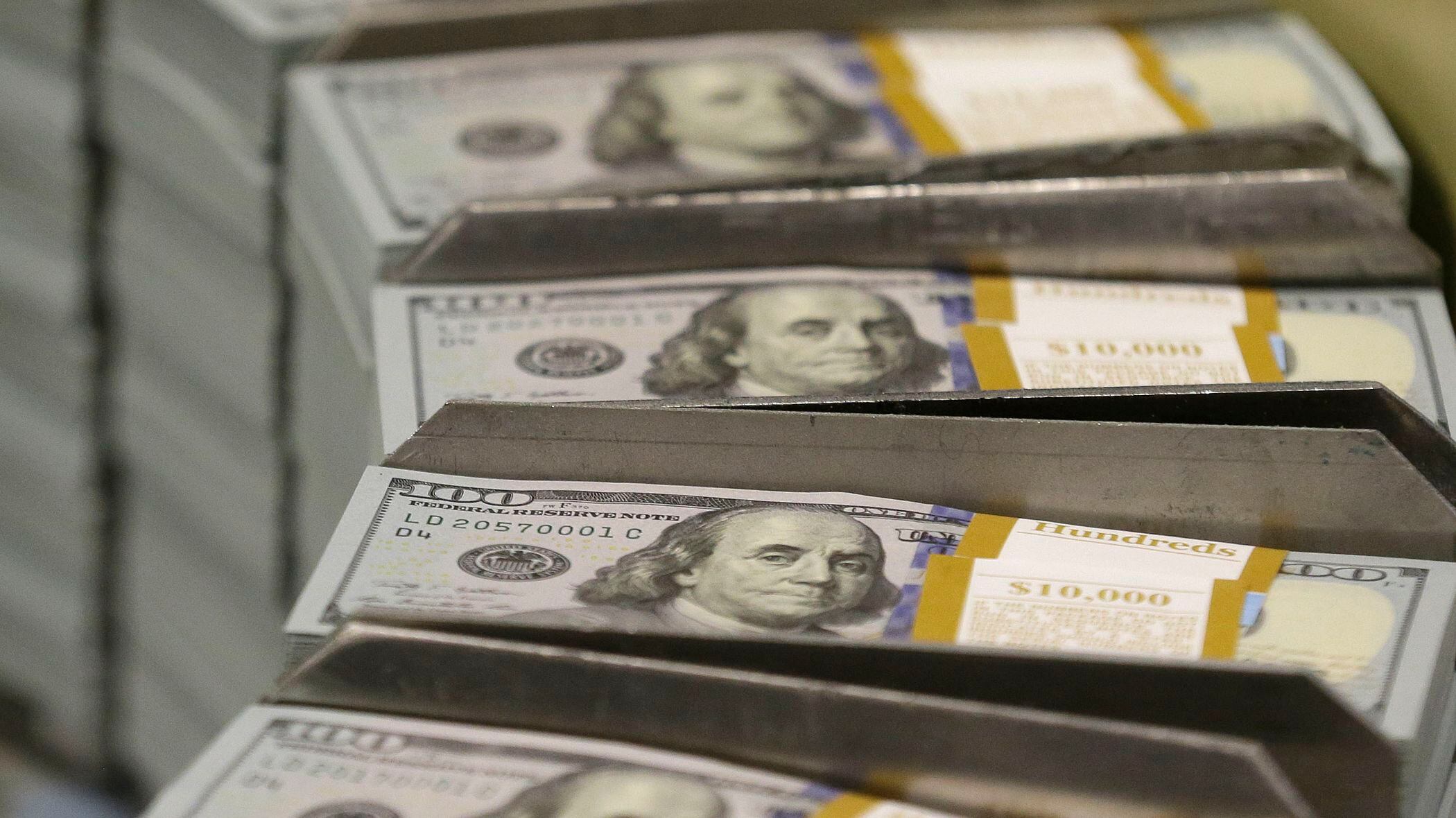
Congressional Budget Office director Keith Hall put out a blog post on the federal agency’s website on Wednesday. He says that according to the CBO’s most recent baseline, repealing Obamacare's individual mandate would reduce the nation’s federal budget deficit by $338 billion within the next decade. That's less than the previous estimate of $416 billion, made last December.
U.S. health officials say fully vaccinated Americans don't need to wear masks outdoors anymore unless they are in a big crowd of strangers.
Car culture in the U.S. spurred a parking boom since the early 1900s. As a result, cities are chock full of parking lots and garages. Cheddar explains why this happened and the often unseen damage it's doing to our urban centers.
Jill and Carlo talk about optimism on the pandemic and economy, a big demographic shift that will have implications for the midterms, Apple rolling out its new privacy tool, and the Oscars ratings.
The first numbers from the 2020 census are out and they show Republican-controlled Southern and Western states gaining congressional seats.
While much of the world remains hunkered down, the band Six60 has been playing to huge crowds in New Zealand, where social distancing isn’t required after the nation stamped out the coronavirus.
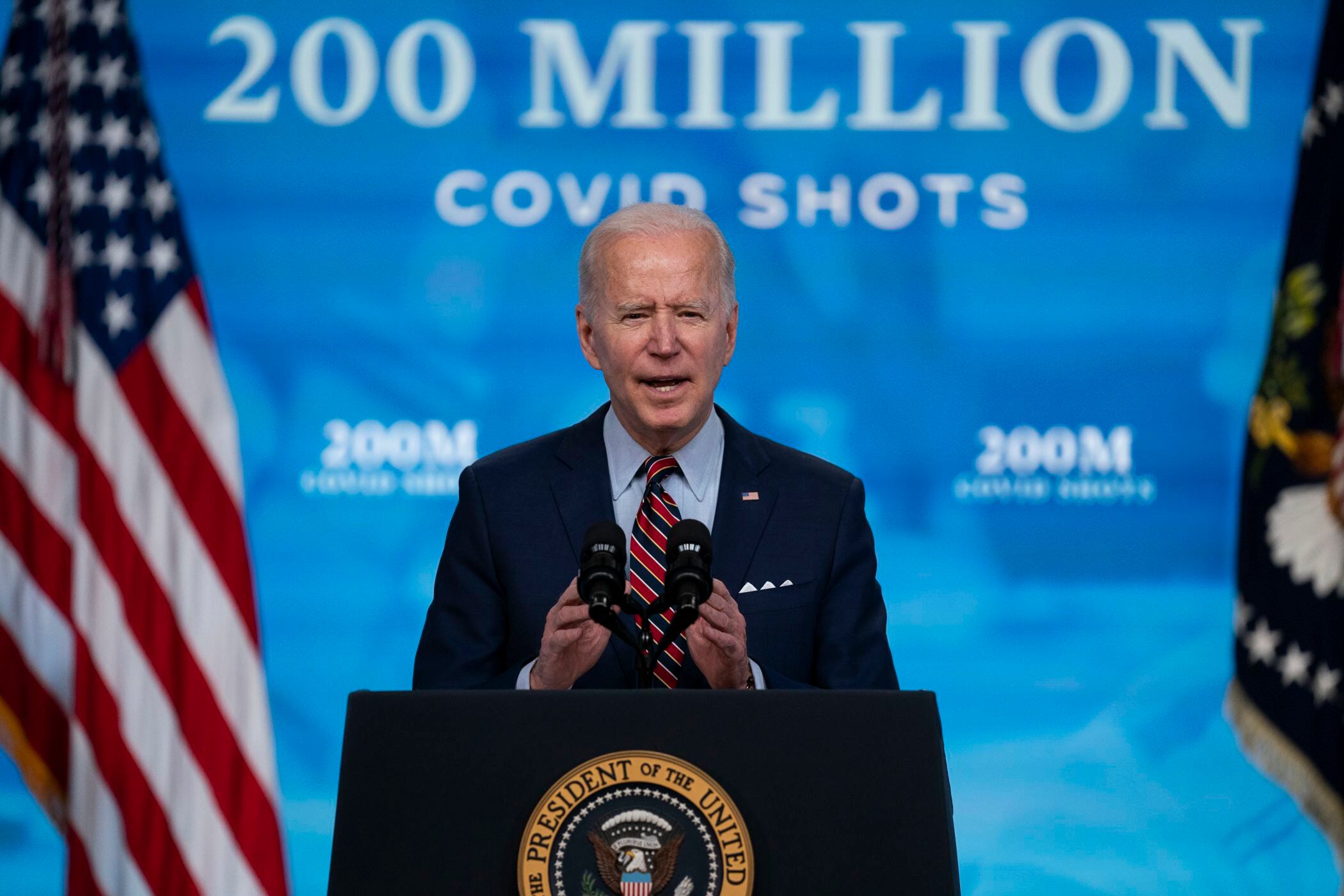
The White House says the U.S. will begin sharing its entire stock of AstraZeneca COVID-19 vaccines with the world once it clears federal safety reviews.
Even before COVID, Modern Monetary Theory (MMT) was coming into vogue among left-leaning economists and policy-makers. But what is it? And what are the arguments for and against it?
Officials say the European Union is finalizing plans to allow tourists from the United States to travel to the 27-nation bloc this summer.
Jill is joined by Baker Machado this morning to talk about the CDC reinstating the J&J vaccine, a worsening Coronavirus crisis in India, but also, where things are looking a lot better.
Michigan has become the current national hotspot for COVID-19 infections and hospitalizations at a time when more than half the U.S. adult population has been vaccinated and other states have seen the virus diminish substantially.