As Washington debates whether the country should repeal the Affordable Care Act, known as Obamacare, applicants are rushing to get covered, reportedly driving applications to a record high.
“I’m glad that the people understand the importance of getting coverage,” Donna Christensen, the former delegate for the U.S. Virgin Islands’ at-large district, told Cheddar on Wednesday.
But many still remain uninsured. According to the National Center for Health Statistics, 28.2 million people under the age of 65 did not have coverage in 2016.
For context, that's a smaller proportion than before Obamacare passed. The federal agency said that the percentage of people uninsured now stands at 9 percent, compared to 16 percent in 2010.
Many uninsured and current beneficiaries of the Act worry that a repeal would be in place by 2019 and that time is running out. However, Christensen argues that this is not the case. She says it’s going to be very hard for Congress to repeal ACA.
“The Affordable Care Act is still the law of the land,” the ex-congresswoman said, stating that she doubts a repeal would ever happen.
“It was not easy to get the law passed, but it’s going to be more difficult to take it away,” Christensen said.
She encouraged the uninsured to seek coverage by December 15th this year, pointing out that benefits will be valid into the next year.
Congressional Budget Office director Keith Hall put out a blog post on the federal agency’s website on Wednesday. He says that according to the CBO’s most recent baseline, repealing Obamacare's individual mandate would reduce the nation’s federal budget deficit by $338 billion within the next decade. That's less than the previous estimate of $416 billion, made last December.
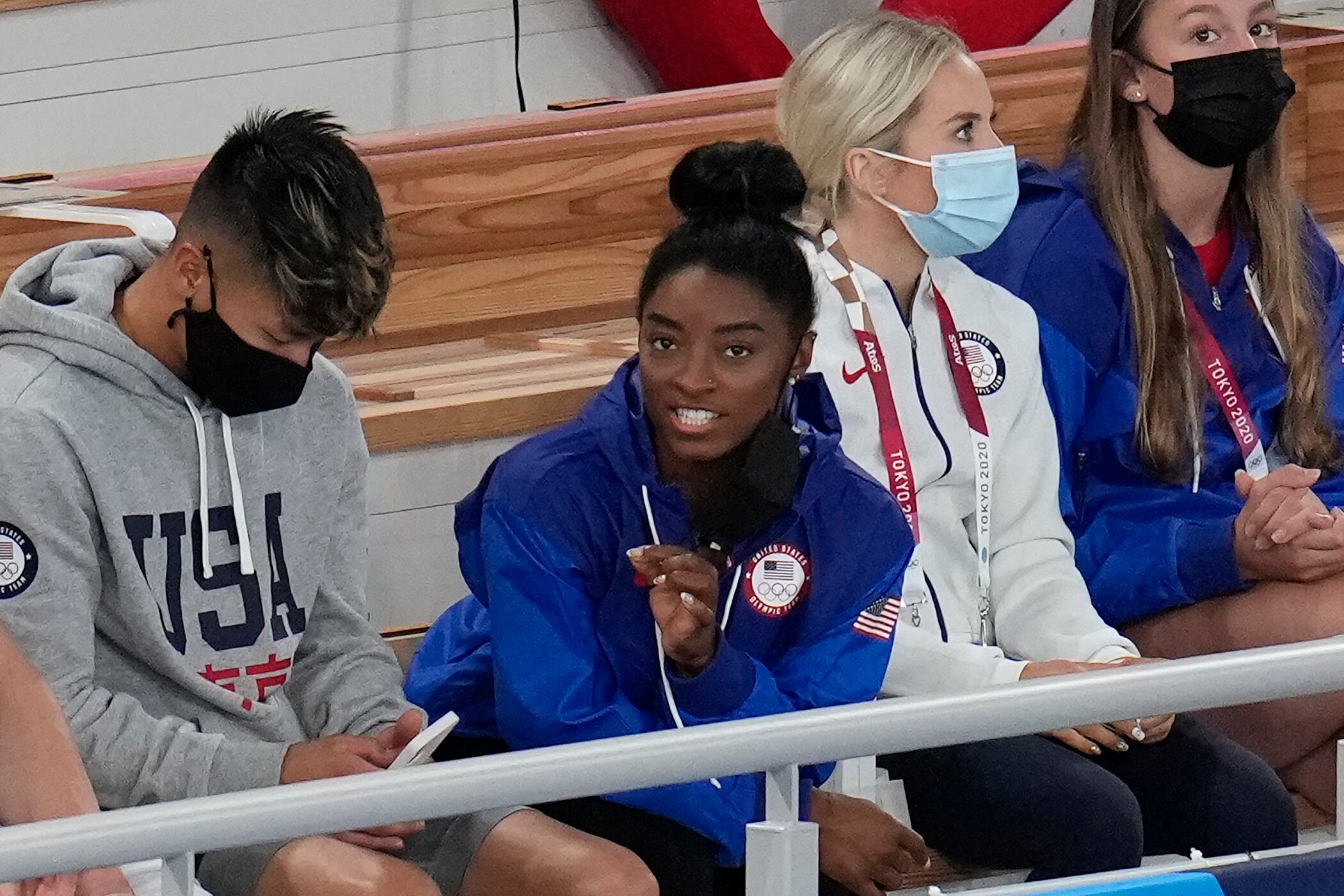
Jill and Carlo talk about the latest from Tokyo including Simone Biles plans to compete in the balance beam final, Dr. Fauci's dire Delta warning, high profile vaccine mandates from employers like Walmart and Disney, and Square's acquisition of Afterpay.
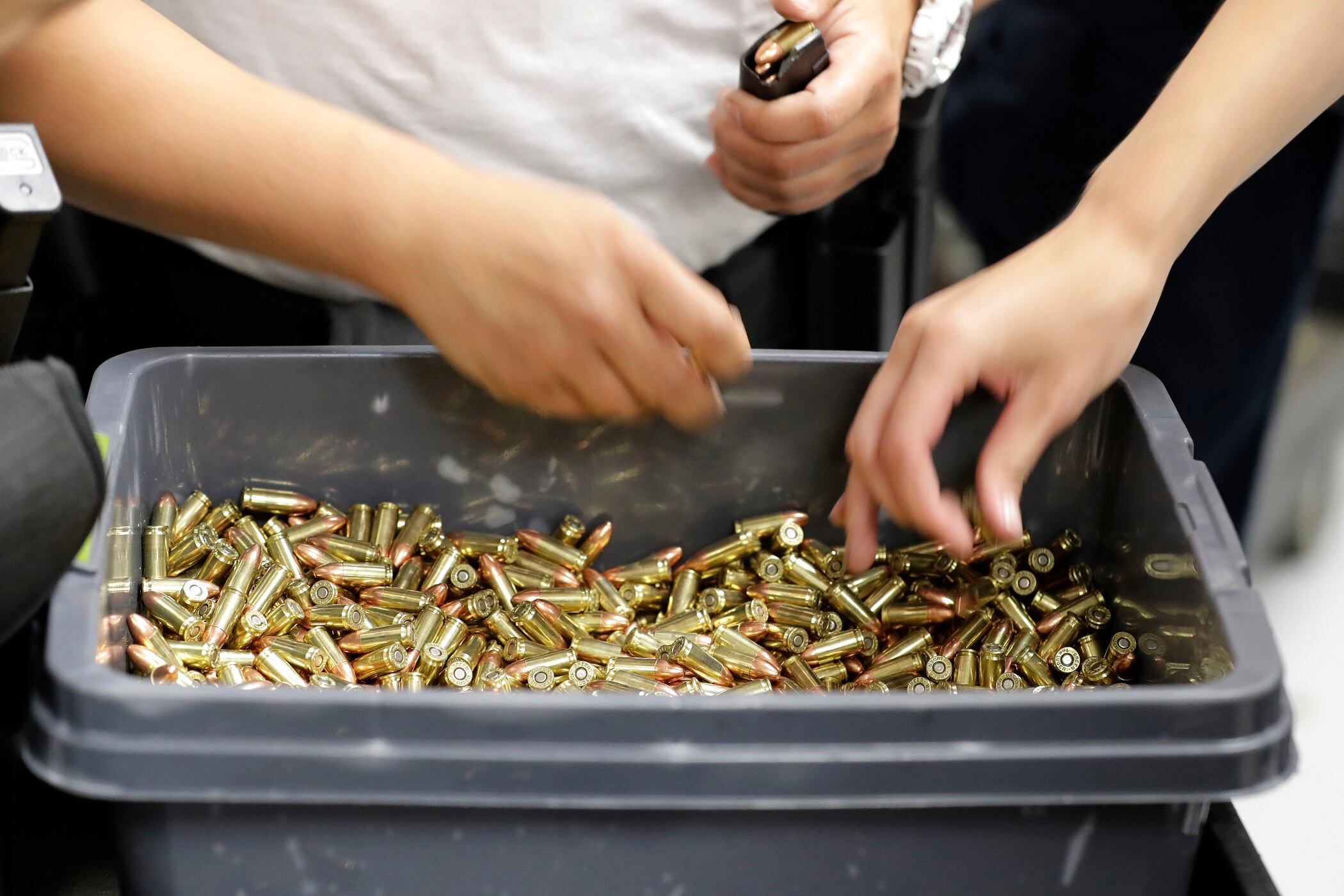
A shortage of ammunition in the U.S. is having an impact on law enforcement agencies, people seeking personal protection, recreational shooters and hunters.
Scientists who studied a big COVID-19 outbreak in Massachusetts concluded that vaccinated people who got so-called breakthrough infections carried about the same amount of the coronavirus as those who did not get the shots.
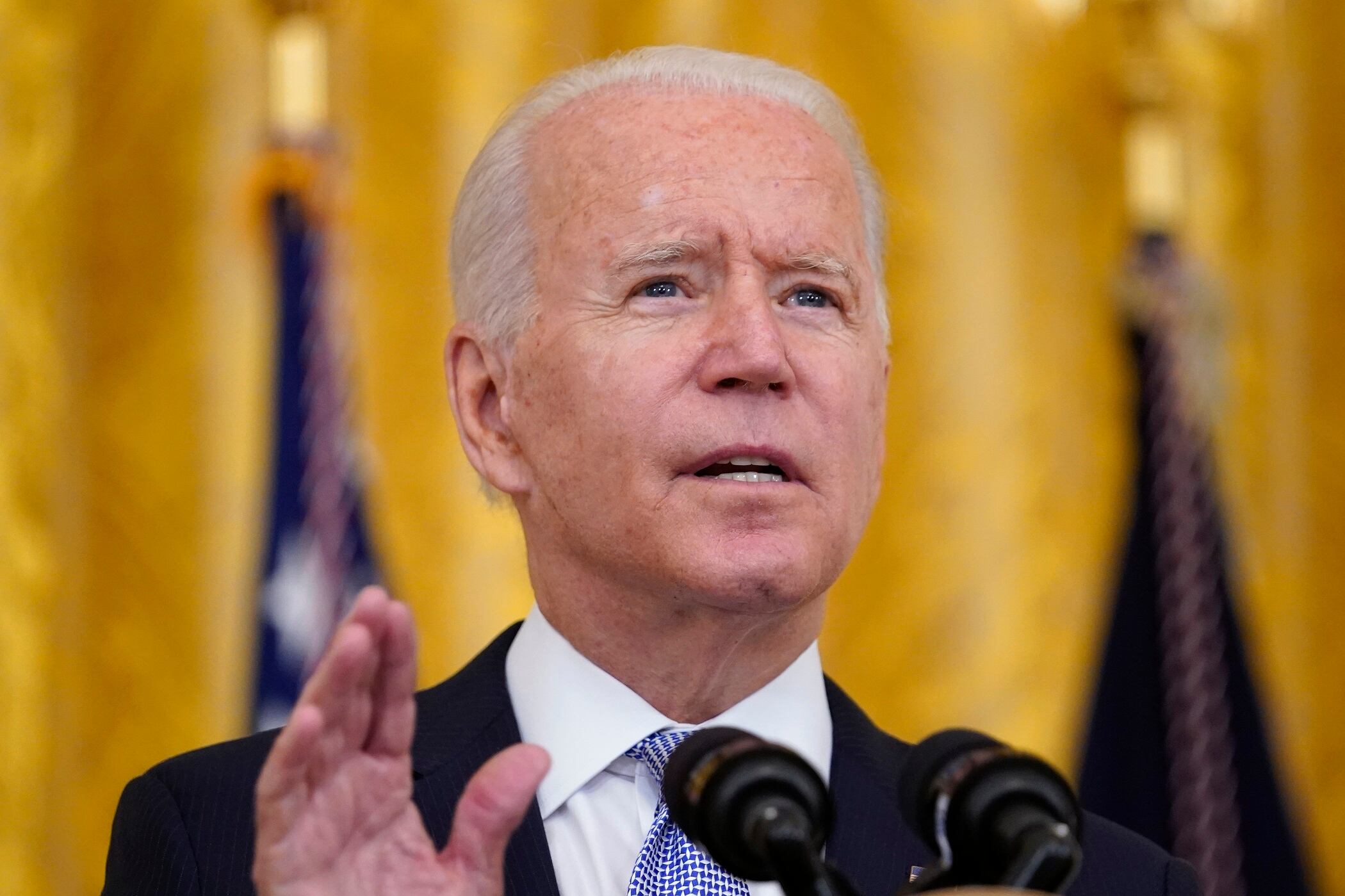
The Biden administration has announced sweeping new pandemic rules for federal workers and some contractors.
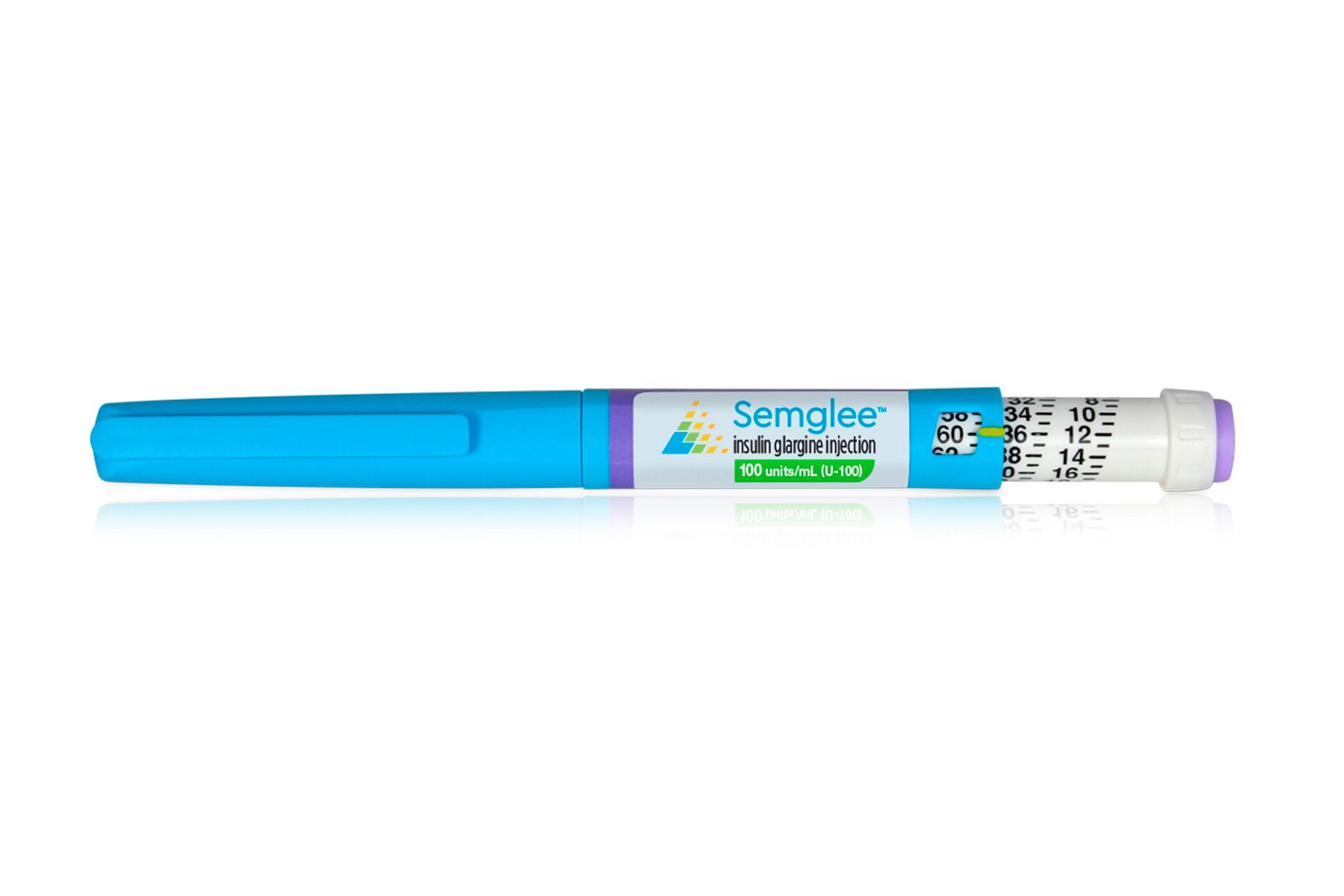
U.S. regulators have taken action that will make it easier to get a cheaper and similar version of a brand-name insulin at the drugstore.
A new interactive tracker from the Atlantic Council shows that 81 countries are at some stage of development with a central bank digital currency, but the U.S. is notably absent from its list of frontrunners.
Fueled by vaccinations and government aid, the U.S. economy grew at a solid 6.5% annual rate last quarter in the clearest sign to date that the nation has achieved a sustained recovery from the pandemic recession.
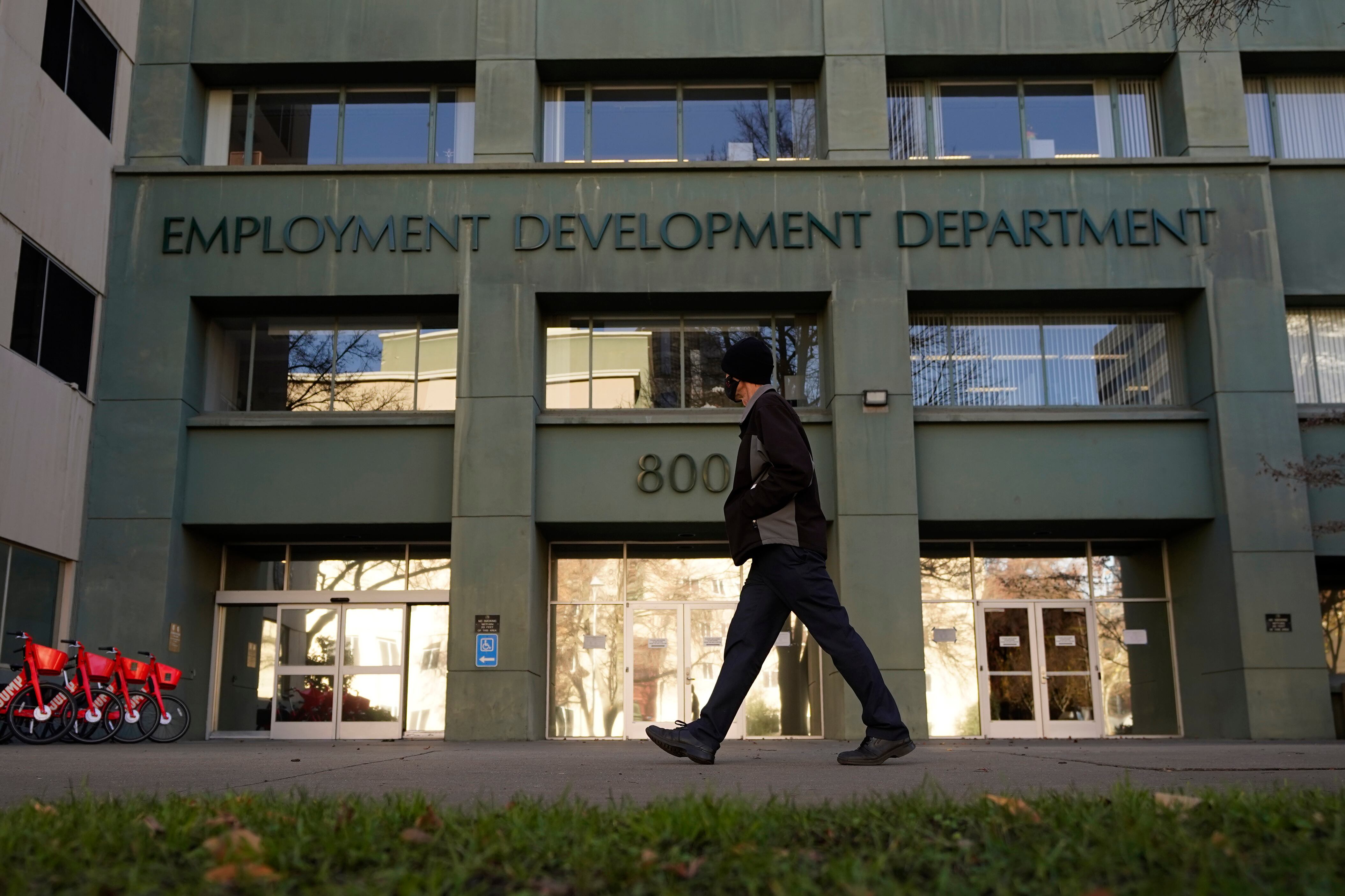
The number of Americans collecting unemployment benefits slid last week, another sign that the job market continues to recover rapidly from the coronavirus recession.
Fed-watchers had their ears peeled after Wednesday's meeting of the Federal Reserve's Open Market Committee for any signal of when the central bank might start tapering its $120 billion in monthly assets purchases.
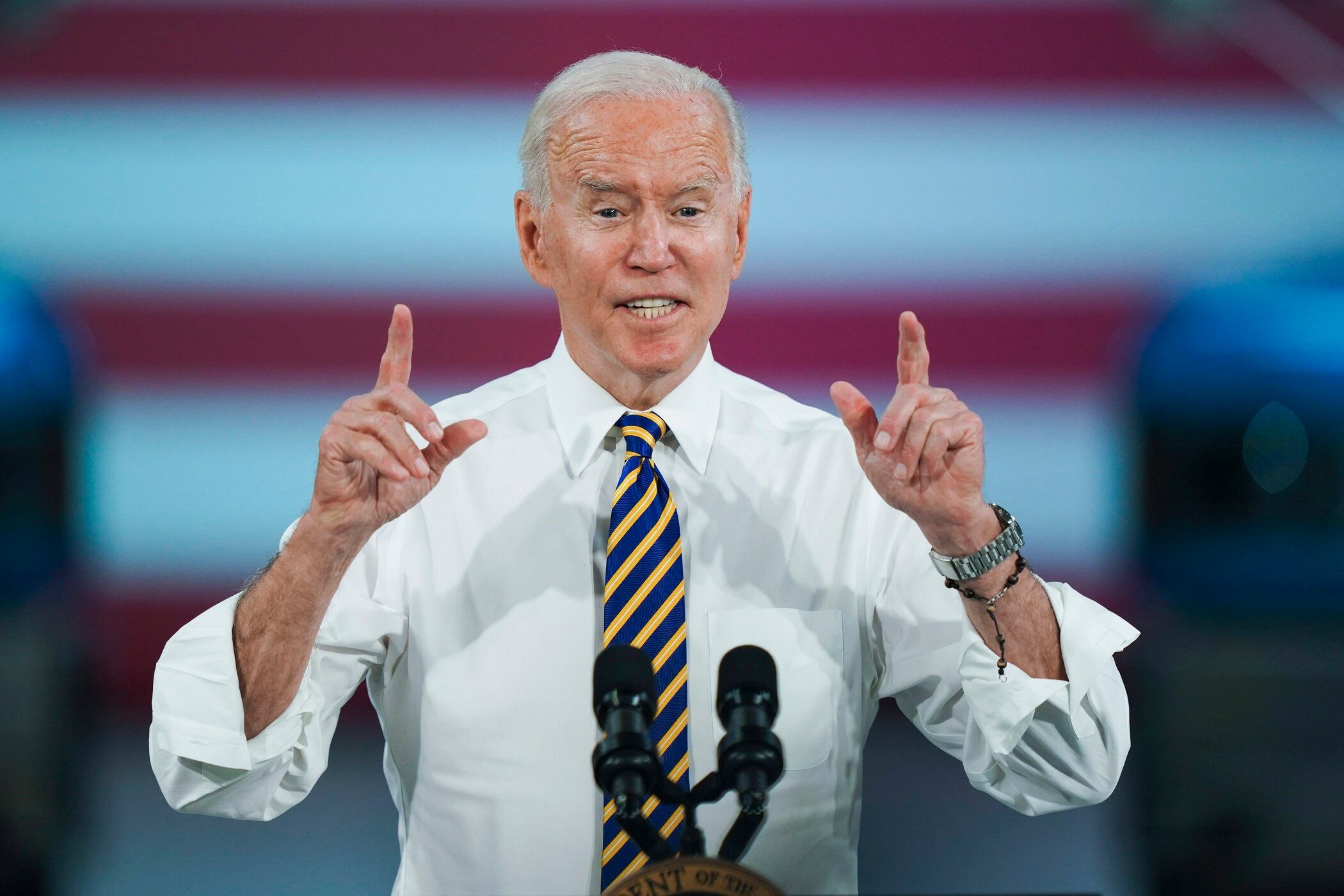
President Joe Biden and a bipartisan group of senators have reached a deal over major outstanding issues in a $1 trillion infrastructure bill.