As Washington debates whether the country should repeal the Affordable Care Act, known as Obamacare, applicants are rushing to get covered, reportedly driving applications to a record high.
“I’m glad that the people understand the importance of getting coverage,” Donna Christensen, the former delegate for the U.S. Virgin Islands’ at-large district, told Cheddar on Wednesday.
But many still remain uninsured. According to the National Center for Health Statistics, 28.2 million people under the age of 65 did not have coverage in 2016.
For context, that's a smaller proportion than before Obamacare passed. The federal agency said that the percentage of people uninsured now stands at 9 percent, compared to 16 percent in 2010.
Many uninsured and current beneficiaries of the Act worry that a repeal would be in place by 2019 and that time is running out. However, Christensen argues that this is not the case. She says it’s going to be very hard for Congress to repeal ACA.
“The Affordable Care Act is still the law of the land,” the ex-congresswoman said, stating that she doubts a repeal would ever happen.
“It was not easy to get the law passed, but it’s going to be more difficult to take it away,” Christensen said.
She encouraged the uninsured to seek coverage by December 15th this year, pointing out that benefits will be valid into the next year.
Congressional Budget Office director Keith Hall put out a blog post on the federal agency’s website on Wednesday. He says that according to the CBO’s most recent baseline, repealing Obamacare's individual mandate would reduce the nation’s federal budget deficit by $338 billion within the next decade. That's less than the previous estimate of $416 billion, made last December.
The Treasury Department pushed for the requirement to help close the tax gap in the crypto industry by forcing better IRS reporting, but legislators on both sides of the aisle argue that the language is too broad and could curb innovation in the space.
The number of Americans applying for unemployment benefits plummeted last week to the lowest level in more than half a century, another sign that the U.S. job market is rebounding rapidly from last year’s coronavirus recession.
Federal officials said Monday they are seeking more than $160,000 in fines from eight airline passengers over incidents involving alcohol.
President Joe Biden is ordering a record-setting 50 million barrels of oil released from America's strategic reserve to help bring down energy costs.
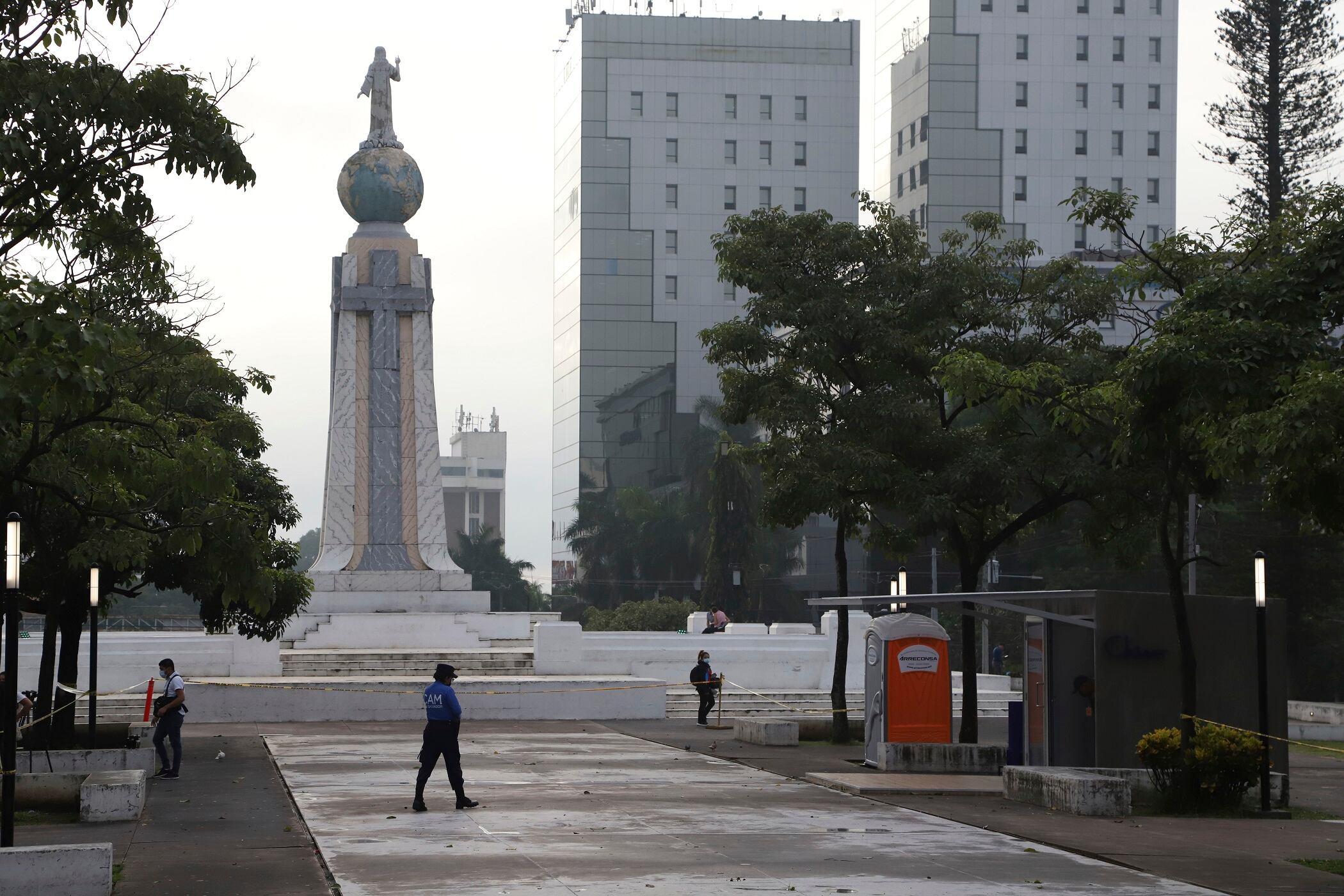
El Salvador President Nayib Bukele says his government will build an oceanside “Bitcoin City” at the base of a volcano.
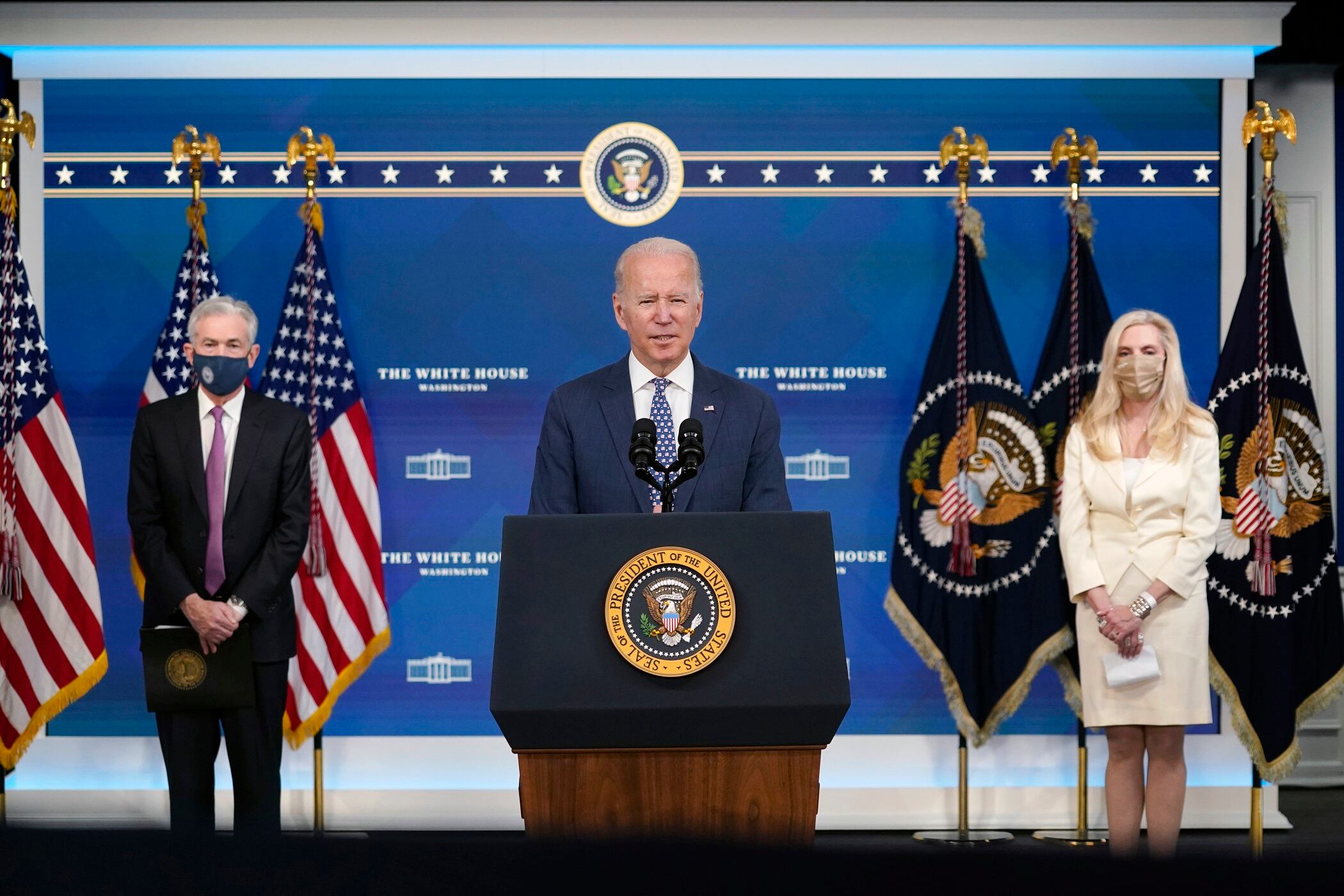
President Joe Biden announced he’s nominating Jerome Powell for a second term as Federal Reserve chair, endorsing Powell’s stewardship of the economy through a brutal pandemic recession.
From Wall Street to Silicon Valley, these are the top stories that moved markets and had investors, business leaders, and entrepreneurs talking this week on Cheddar.
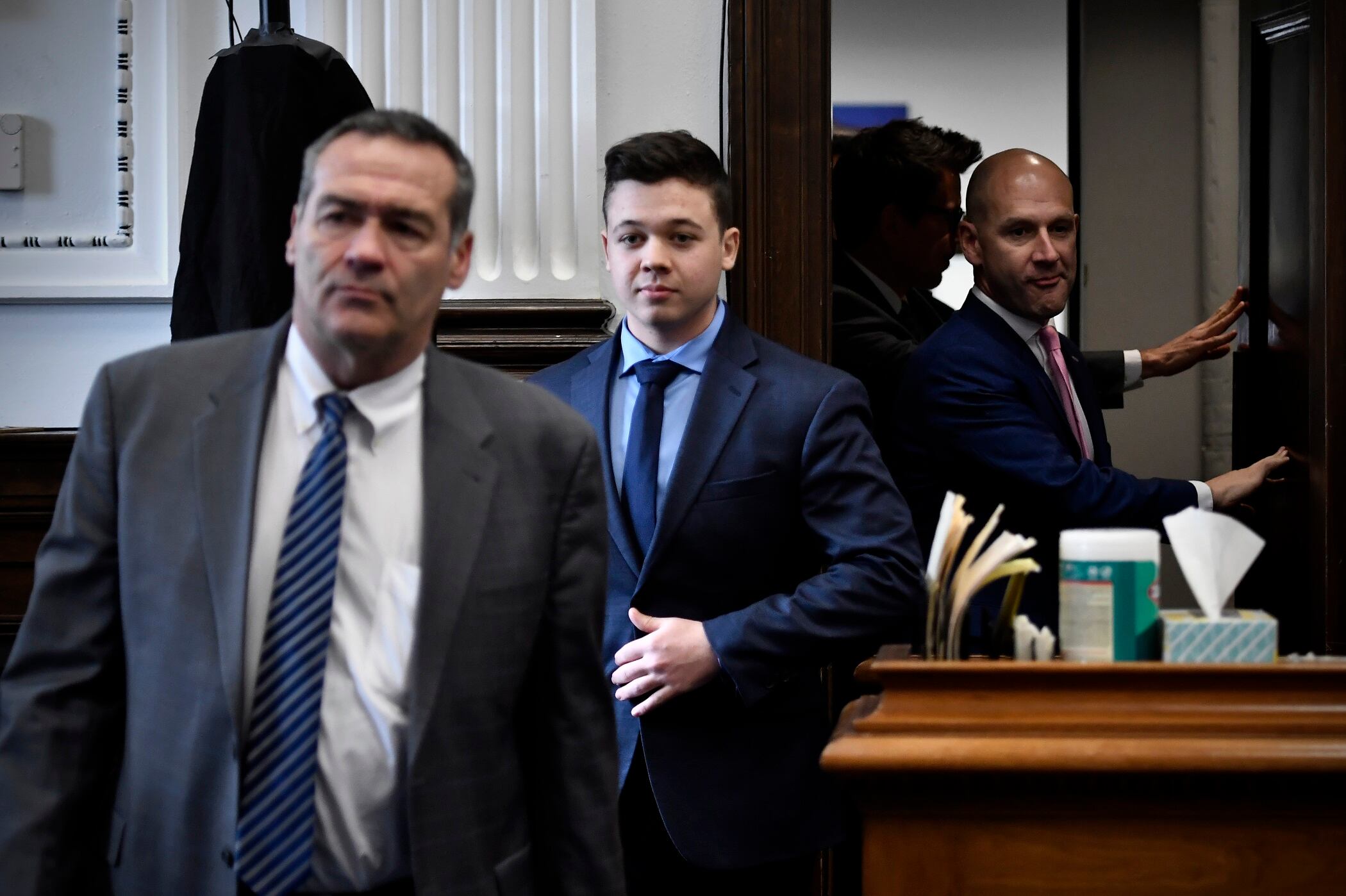
Kyle Rittenhouse has been acquitted of all charges after pleading self-defense in the deadly Kenosha, Wisconsin, shootings that became a flashpoint in the nation’s debate over guns, vigilantism and racial injustice.
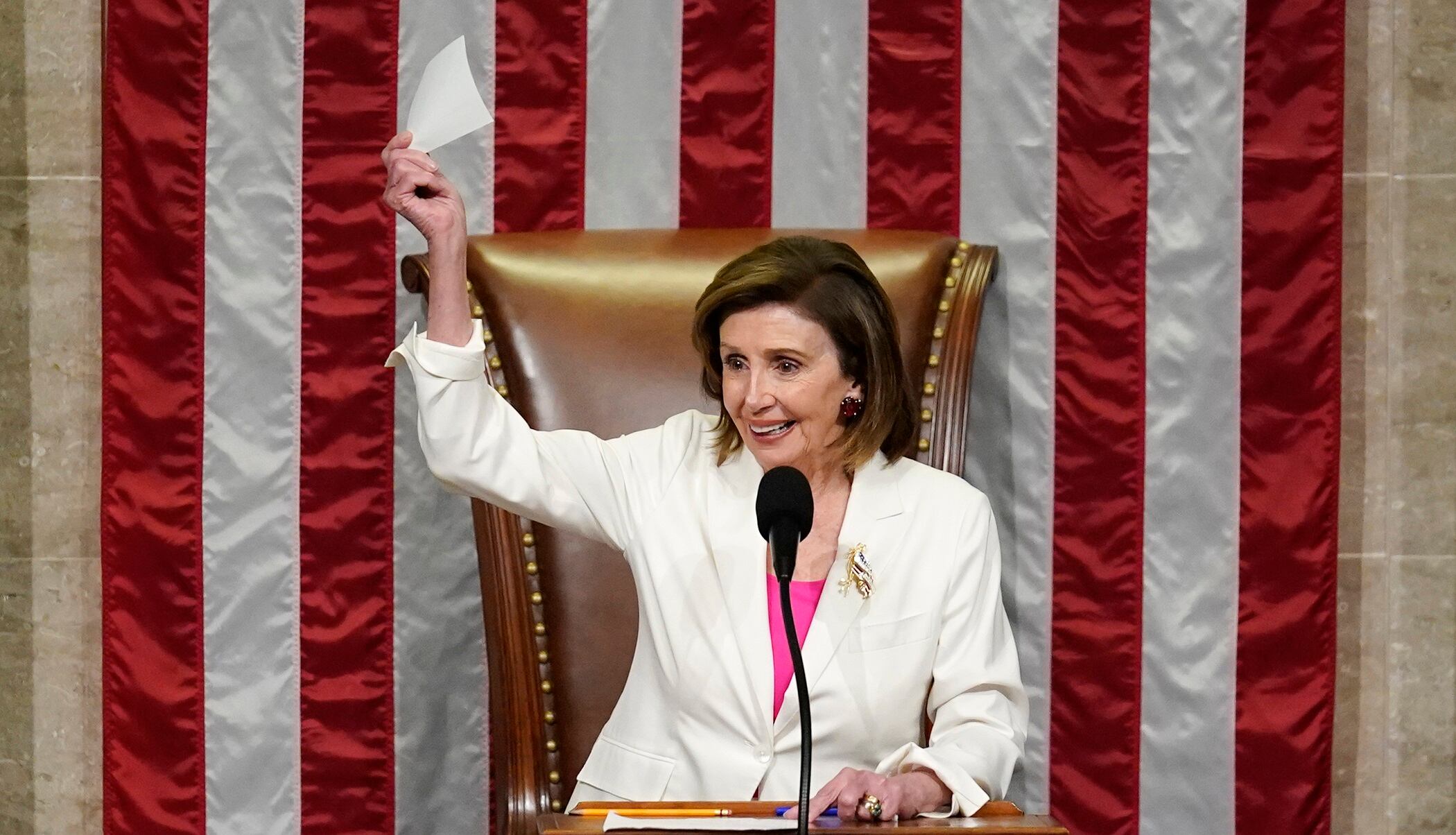
A sharply divided House has approved the Democrats’ sweeping social and environment bill, a big victory for President Joe Biden.
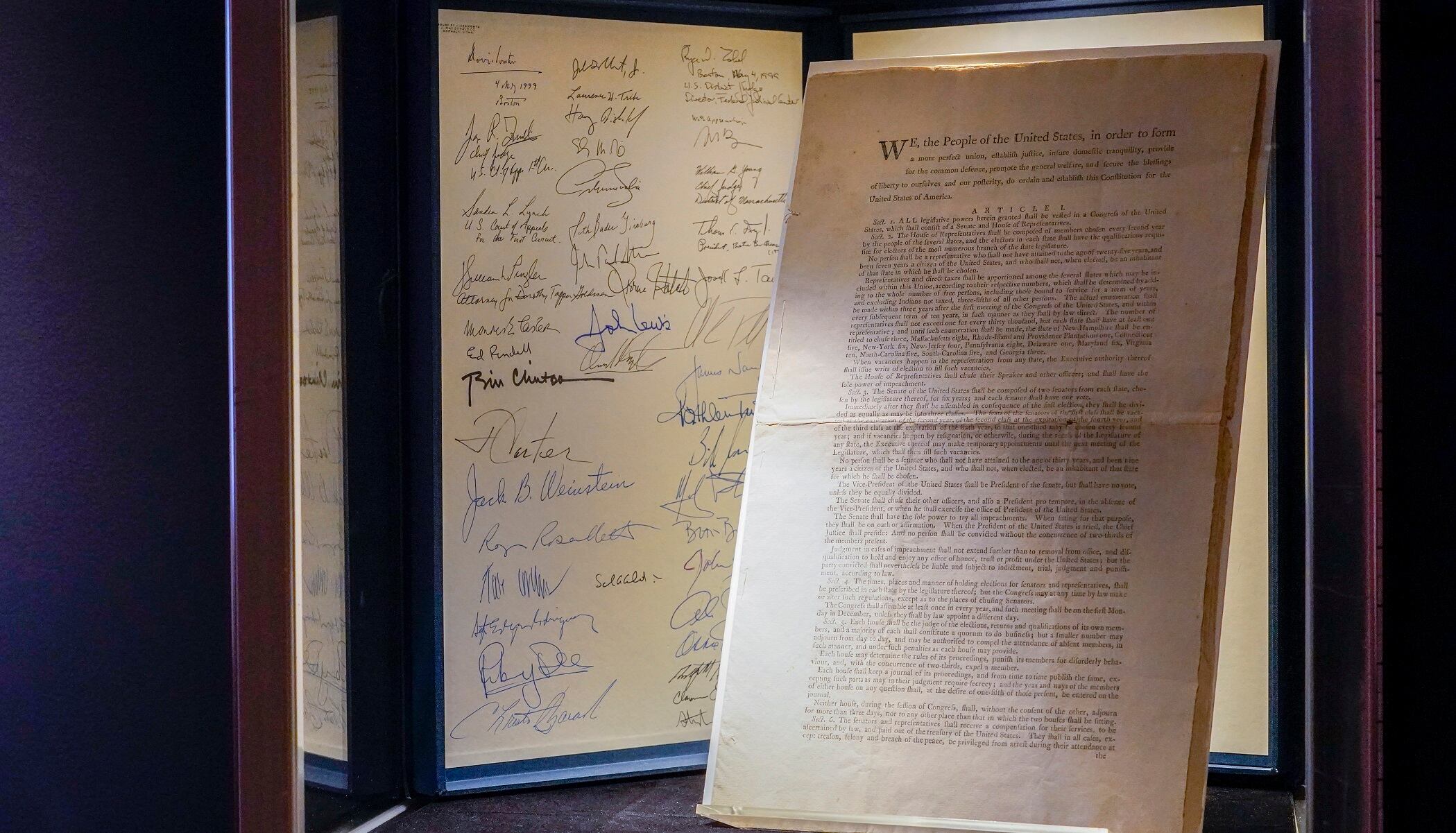
A rare first printing of the U.S. Constitution has sold at Sotheby’s in New York for $43.2 million, a record price for a document or book sold at auction.