Fmr. Rep. Donna Christensen: Affordable Care Act Isn't Going Away
As Washington debates whether the country should repeal the Affordable Care Act, known as Obamacare, applicants are rushing to get covered, reportedly driving applications to a record high.
“I’m glad that the people understand the importance of getting coverage,” Donna Christensen, the former delegate for the U.S. Virgin Islands’ at-large district, told Cheddar on Wednesday.
But many still remain uninsured. According to the National Center for Health Statistics, 28.2 million people under the age of 65 did not have coverage in 2016.
For context, that's a smaller proportion than before Obamacare passed. The federal agency said that the percentage of people uninsured now stands at 9 percent, compared to 16 percent in 2010.
Many uninsured and current beneficiaries of the Act worry that a repeal would be in place by 2019 and that time is running out. However, Christensen argues that this is not the case. She says it’s going to be very hard for Congress to repeal ACA.
“The Affordable Care Act is still the law of the land,” the ex-congresswoman said, stating that she doubts a repeal would ever happen.
“It was not easy to get the law passed, but it’s going to be more difficult to take it away,” Christensen said.
She encouraged the uninsured to seek coverage by December 15th this year, pointing out that benefits will be valid into the next year.
Congressional Budget Office director Keith Hall put out a blog post on the federal agency’s website on Wednesday. He says that according to the CBO’s most recent baseline, repealing Obamacare's individual mandate would reduce the nation’s federal budget deficit by $338 billion within the next decade. That's less than the previous estimate of $416 billion, made last December.
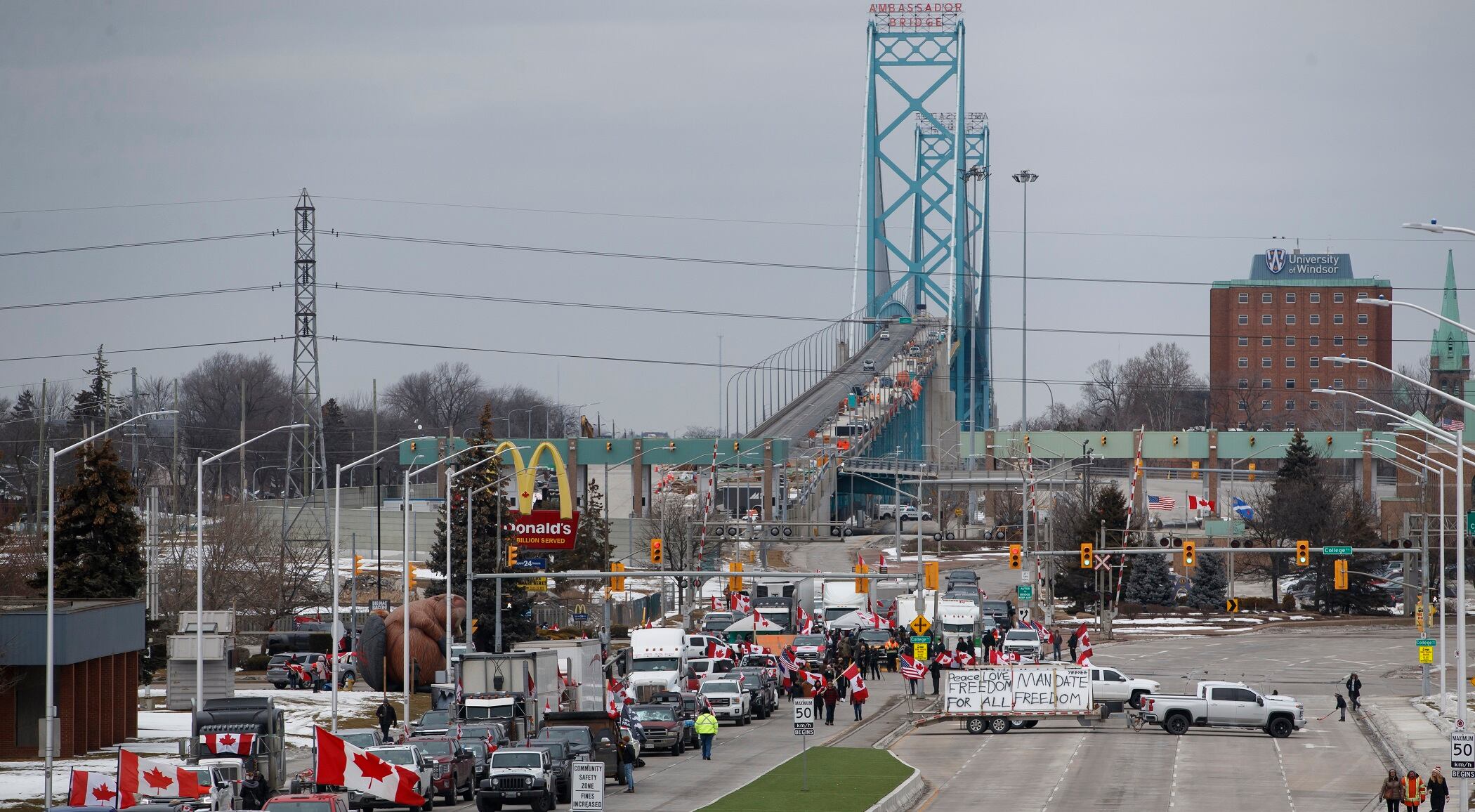
The truck blockade at the U.S. border by Canadians protesting the country’s COVID-19 restrictions is tightening the screws on the auto industry, forcing Ford, Toyota and General Motors to shut down plants or otherwise curtail production.
Inflation was hotter than expected in January, but the debate over what this means for the economy is getting even hotter as markets brace for a flurry of Fed rate hikes in 2022.
Inflation soared over the past year at its highest rate in four decades, hammering America’s consumers, wiping out pay raises and reinforcing the Federal Reserve’s decision to begin raising borrowing rates.
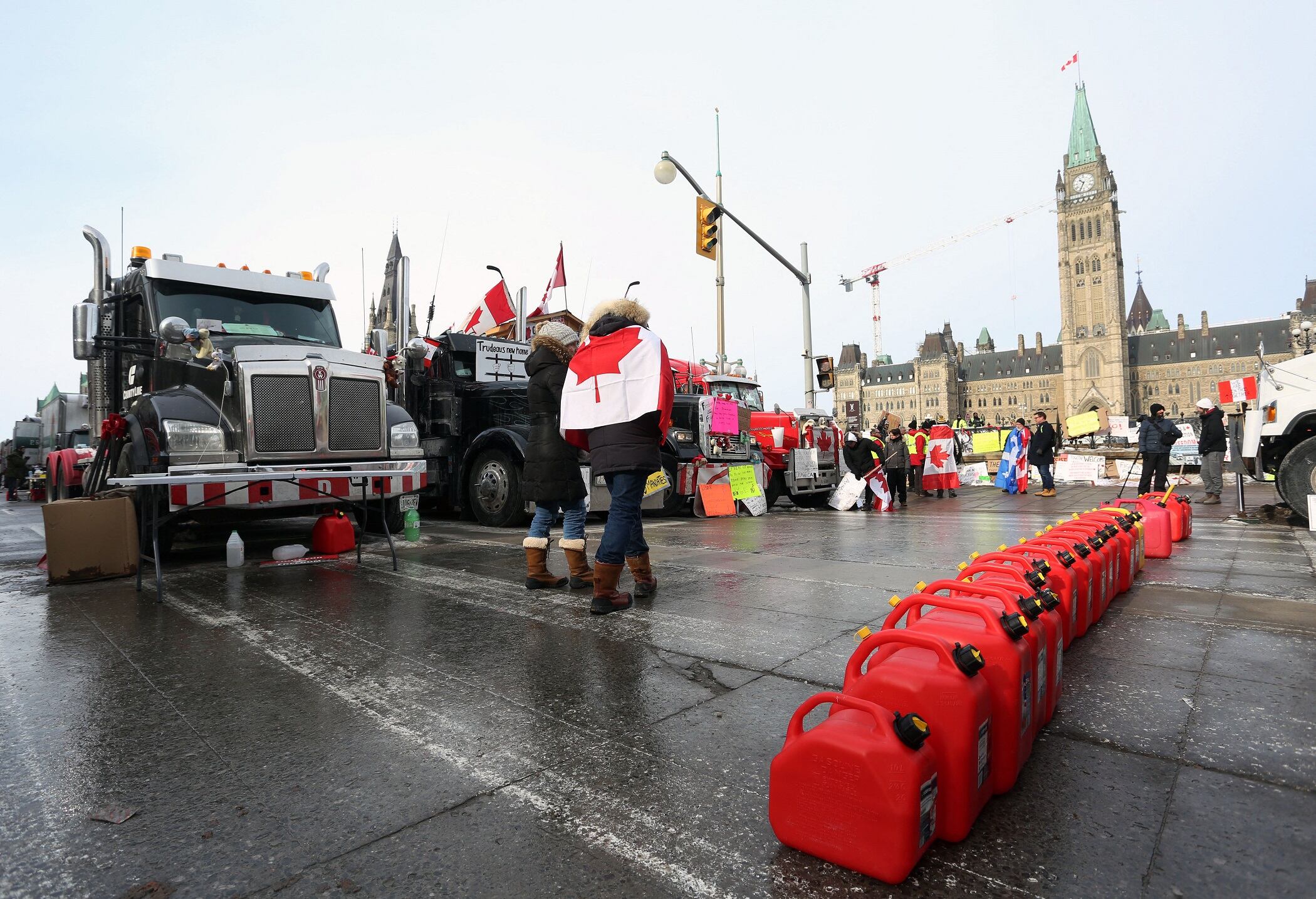
A rapidly growing list of Canadian provinces moved to lift their COVID-19 restrictions as protesters decrying vaccine mandates and other precautions kept up the pressure with truck blockades.
The House has approved legislation financing federal agencies for another month. It's the latest emblem of Congress’ inability to finish its budget work on time.
The IRS said Monday it will suspend the use of facial recognition technology to authenticate people who create online accounts after the practice was criticized by privacy advocates and lawmakers.
The first lady says real people often are caught in the middle. She spoke Monday in Washington about a now-stalled proposal for tuition-free community college, which she's pushed for a long time as a community college professor.
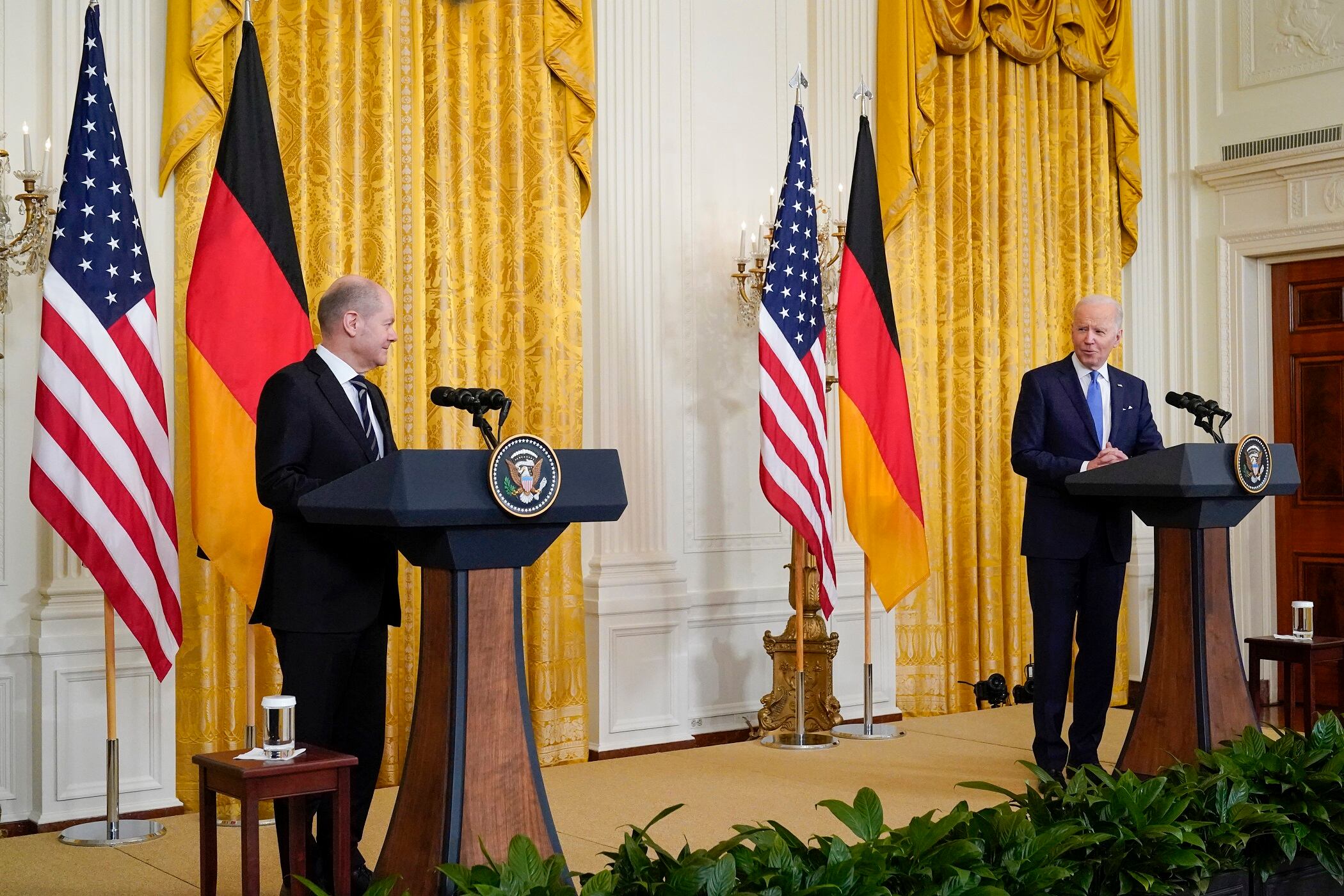
In a flurry of diplomacy across two continents, President Joe Biden emerged from a meeting with Germany’s new leader to vow the crucial Nord Stream 2 gas pipeline in Europe would be blocked if Russia further invades Ukraine.
Kristin Myers, Editor-in-Chief at The Balance, joined Cheddar News to preview the January jobs report, and to break down the racial disparity in employment numbers in the U.S.