Flooding Major Concern as Tropical Storm Michael Moves Past Florida and Over Storm-Weary Carolinas
*By Carlo Versano*
Tropical Storm Michael moved rapidly northeast over Georgia and the Carolinas on Thursday after coming ashore as an unprecedented Category 4 on the Florida Panhandle a day earlier and doing severe damage to coastal cities like Panama Beach.
But the biggest fears of potentially catastrophic storm surge did not appear to have been realized. Sarah Rosario, a reporter for the local CBS affiliate in St. Petersburg, Fla., told Cheddar from Crystal River that the waters there had receded, and "things are looking much better."
Up north on the panhandle, though, the damage was more severe. At least two people are dead and hundreds of thousands remain without power after Michael made a direct hit on the region. "This is the biggest storm that area has seen ever," Rosario noted. "It came out of nowhere."
The focus now turns to flooding in the southeast, where the ground remains saturated with rainwater from last month's Hurricane Florence. Michael is expected to quickly move north toward Virginia before exiting back into the Atlantic as a post-tropical system.
Michael is the [fourth](https://twitter.com/chrisdolcewx/status/1050348660339412992) Category 4 storm to hit the U.S. in 14 months.
For full interview [click here](https://cheddar.com/videos/hurricane-michael-hits-florida).
Marjorie Woods, Owner of Epic Food Group, joins ChedHER to discuss the story behind her company, challenges during the pandemic, and her plans for growth.
The Department of Justice is suing Texas over the state's new abortion law that prohibits abortions after six weeks, well before many women even know they're pregnant. The lawsuit argues the law is unconstitutional under long-standing Supreme Court precedent. It was filed last week in federal court in Texas, but could go all the way to the high court within weeks. Josh Blackman, a constitutional law professor at South Texas College of Law Houston, discusses the DOJ lawsuit and what it could mean for other abortion laws across the country.
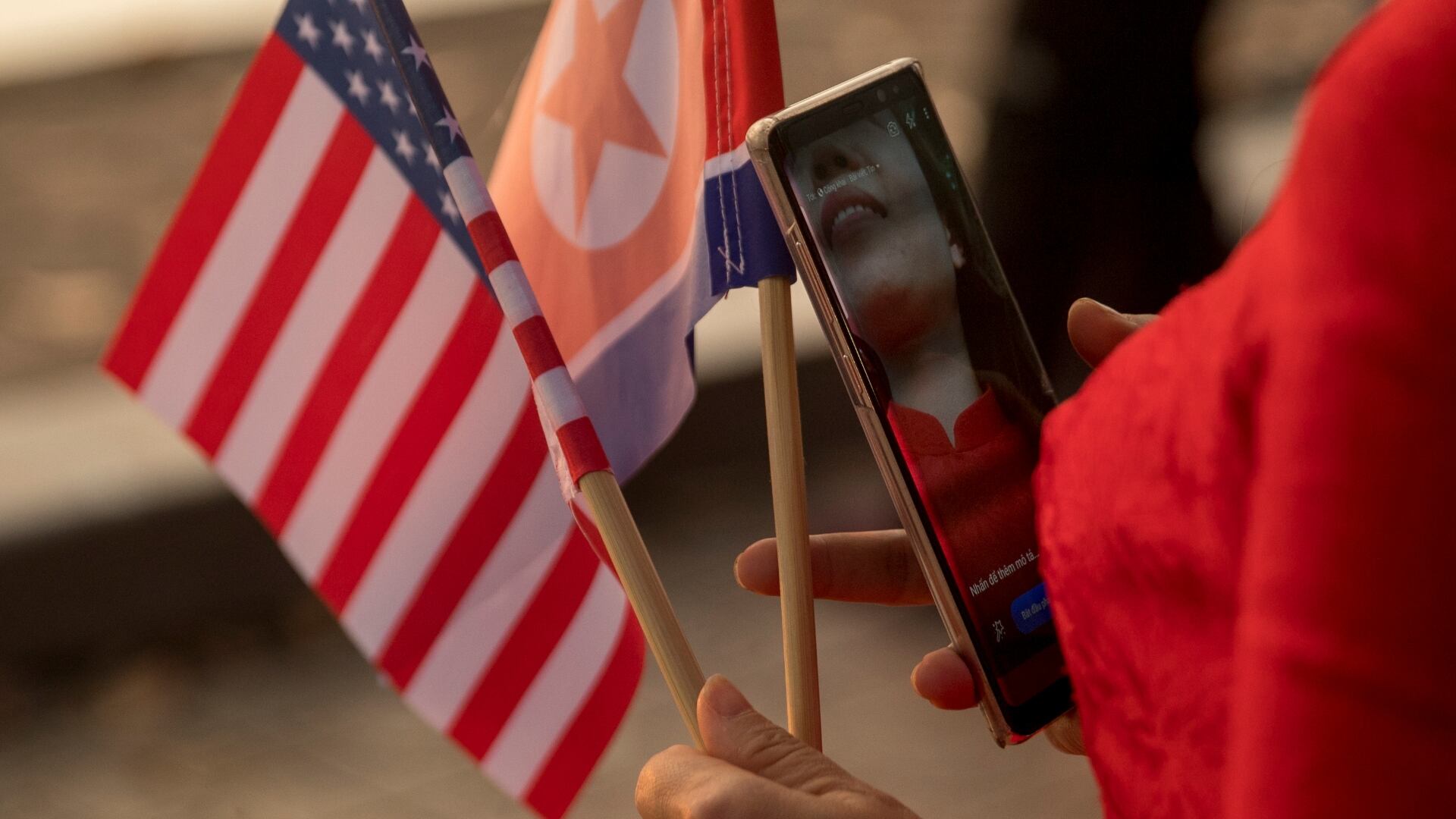
The Biden Administration has officially extended a ban on a Trump-era policy that prohibits traveling with a U.S. passport to North Korea. The extension is expected to last until August 2022. The ban was initially enforced after the death of Otto Warmbier, who entered a vegetative state while in North Korean custody. Advocates against the ban argue that it has caused crippling impacts on Korean Americans who have not been able to reunite with their families back home. Senior Fellow at The Foundation For Defense of Democracies Anthony Ruggiero joined Cheddar's News Wrap to discuss more.
In this edition of Tik Talk None Of The Above's J.D. Durkin breaks down the latest trend on TikTok where people sit down to tape a scholarship application video and it all goes off the rails.