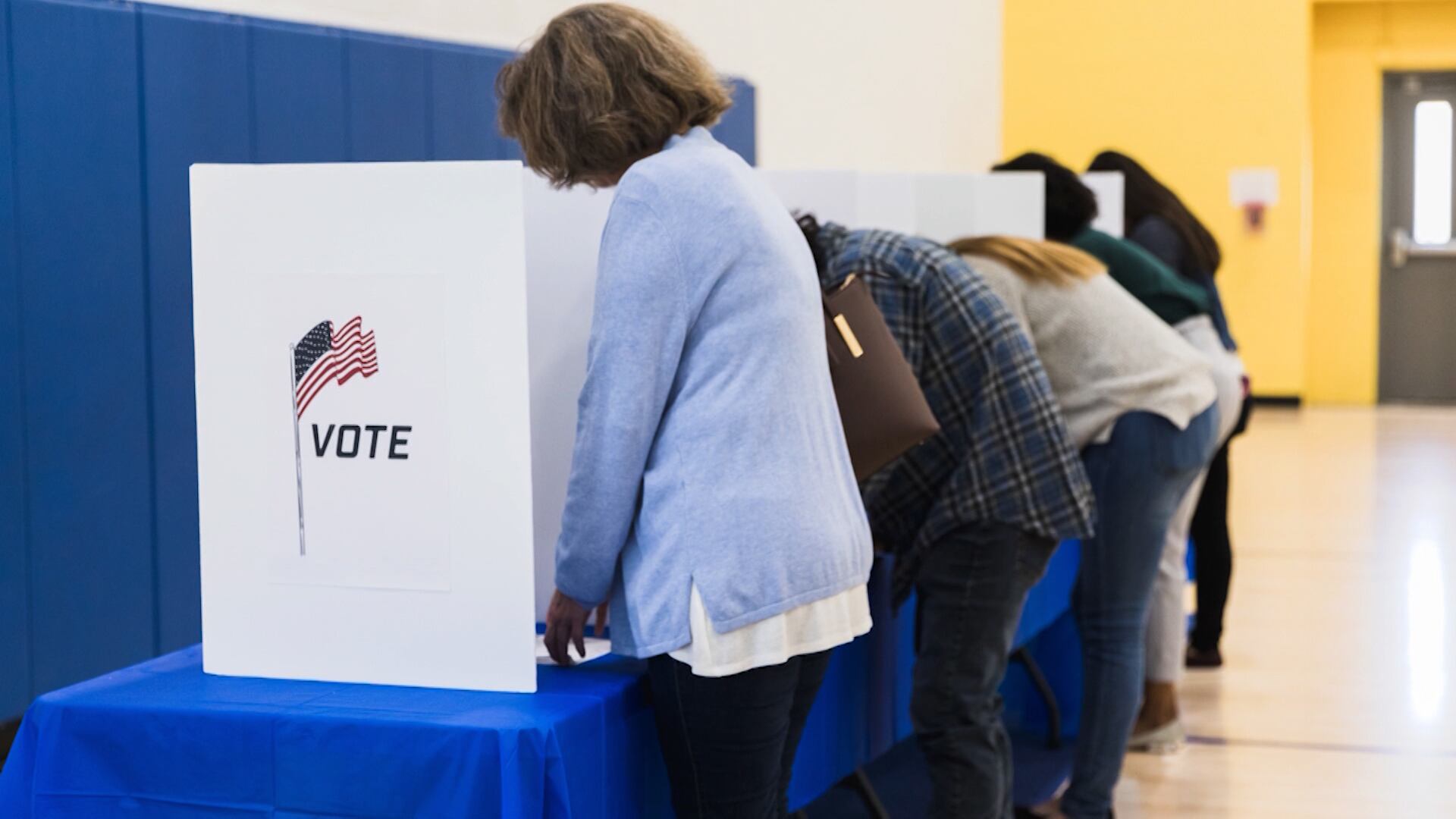
The race for 2020 is gaining speed today as the first votes are cast in Iowa, the first test of political strength, for the Democratic nominee for the presidency. Since the 1970s, Iowa has been the home of the first caucus.
Iowa voters take their pick seriously, as winners often gain momentum from the early voting. This year, with so many Democratic contenders still in the running and Bloomberg, a growing contender who bypassing early voting states entirely, there’s still a lot up in the air, meaning there’s a chance Iowans may not pick the candidate who will ultimately win the nomination at the convention. Caucus-goers have picked seven out of the last 11 Democratic presidential nominees but only four out of the last 11 GOP presidential nominees.
Here are five times the Iowa caucus results did not pick the eventual party nominees.
1988 Republicans
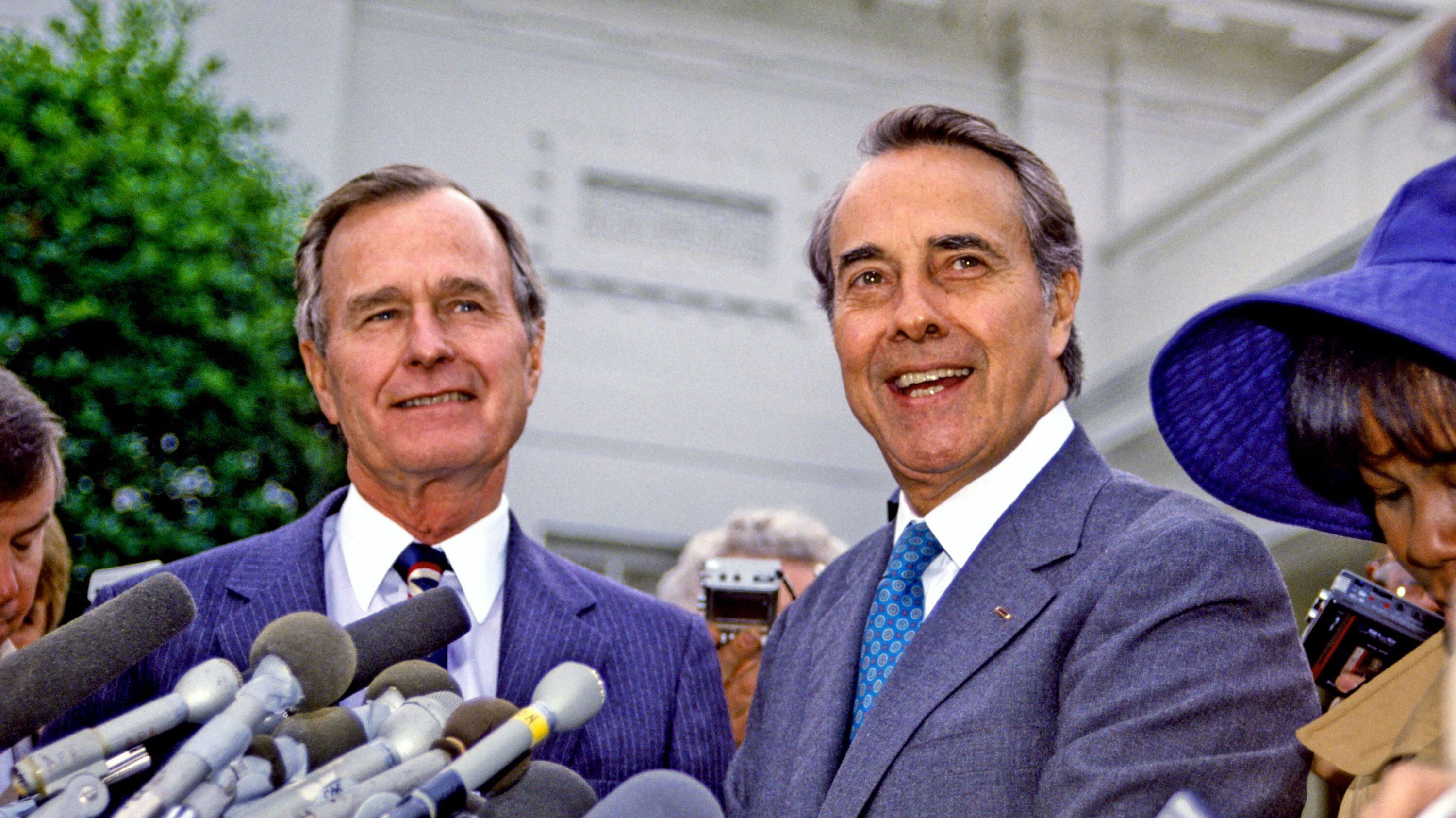
George H.W. Bush, who went on to claim the Republican nomination and the presidency in 1988 came in third in Iowa, after Bob Dole and Pat Robertson. Bush was the vice president at the time.
<i>President-elect George H.W. Bush and Senate Republican Leader Bob Dole meet reporters at the White House, Nov. 28, 1988. / Photo Credit: Shutterstock</i>
1992 Democrats
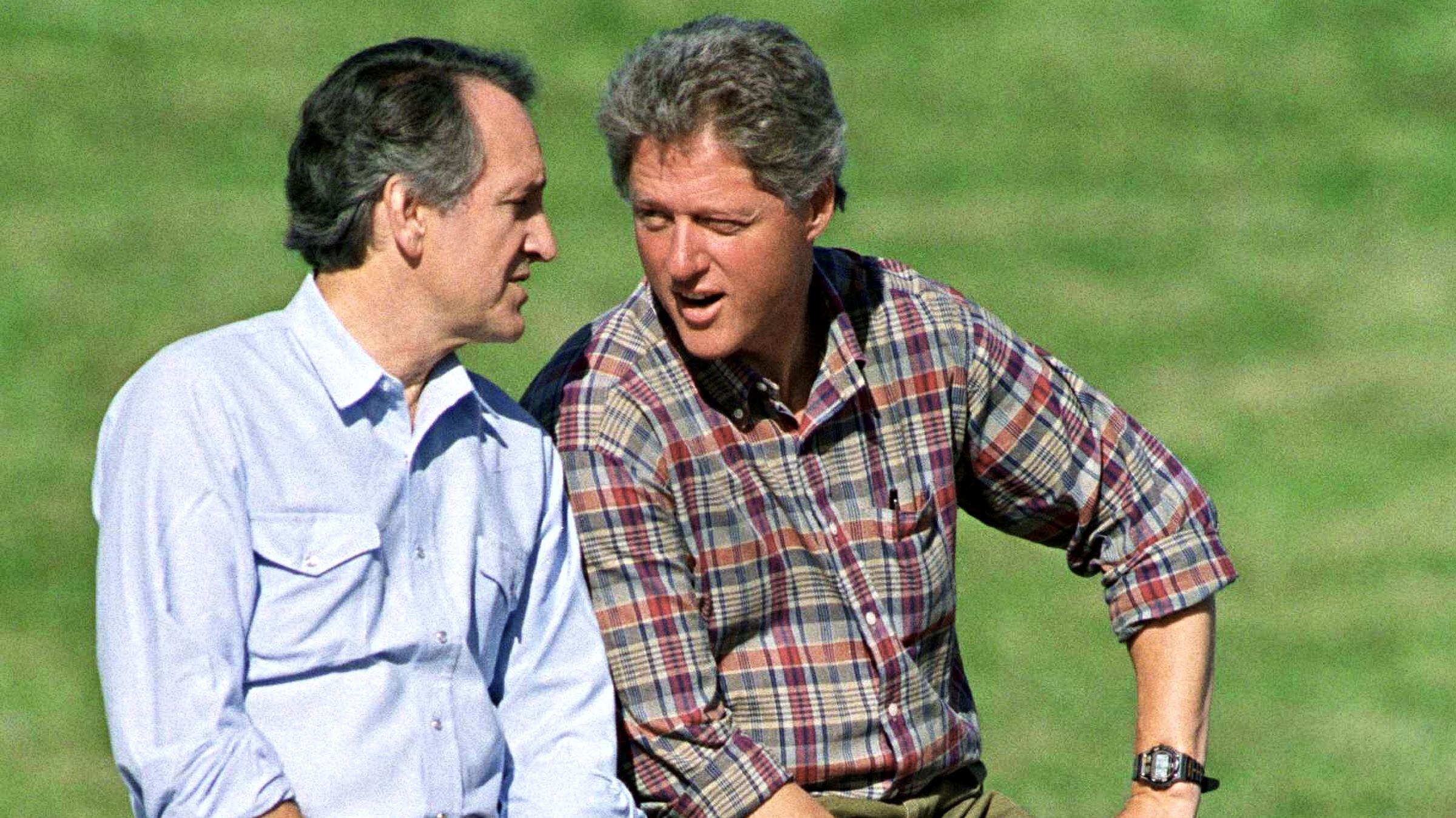
The last time Iowa got it wrong for Democrats was 1992, when Bill Clinton, the eventual nominee and president, only claimed 2.8 percent of the vote and came in fourth place. That year, the Iowa Senator Tom Harkin was running for president and claimed more than 75 percent of the caucus vote.
<i>Iowa Senator Tom Harkin talks with Democratic presidential candidate Bill Clinton at a party fund-raiser in Indianola, Iowa, Sept. 27, 1992. / Photo Credit: Charlie Neibergall/AP/Shutterstock</i>
2008 Republicans
When Barack Obama entered the national political scene, he won the Democratic caucus in 2008 and went on to win the presidency. But Mike Huckabee, former Arkansas governor, won the Republican caucus in Iowa. He would not go on to win the nomination. Senator John McCain, the eventual Republican nominee had come in fourth place in Iowa with 13.1 percent of the caucus vote. The previous time McCain was up for the nomination, in 2000, he nabbed only 4.7 percent of the caucus vote and came in fifth place. Eventual nominee and winner of the presidency George W. Bush came in first that year in Iowa, and businessman Steve Forbes came in second.
2012 Republican
In 2012, Rick Santorum squeaked by with a victory by just a tenth of a percent in the Iowa Caucus, though the Republican party had initially called it for Senator Mitt Romney (R-Utah) who later went on to nab the nomination and run against President Barack Obama.
2016 Republican
Today’s president, Donald Trump, did not win the Republican caucus in 2016. Senator Ted Cruz (R-Texas) won 27.6 percent of the vote compared to Donald Trump who carried 24.3 percent.
This story was updated February 3 to clarify the number of times Iowa Democrats and Republicans have selected the candidate who ultimately became their party's candidate.
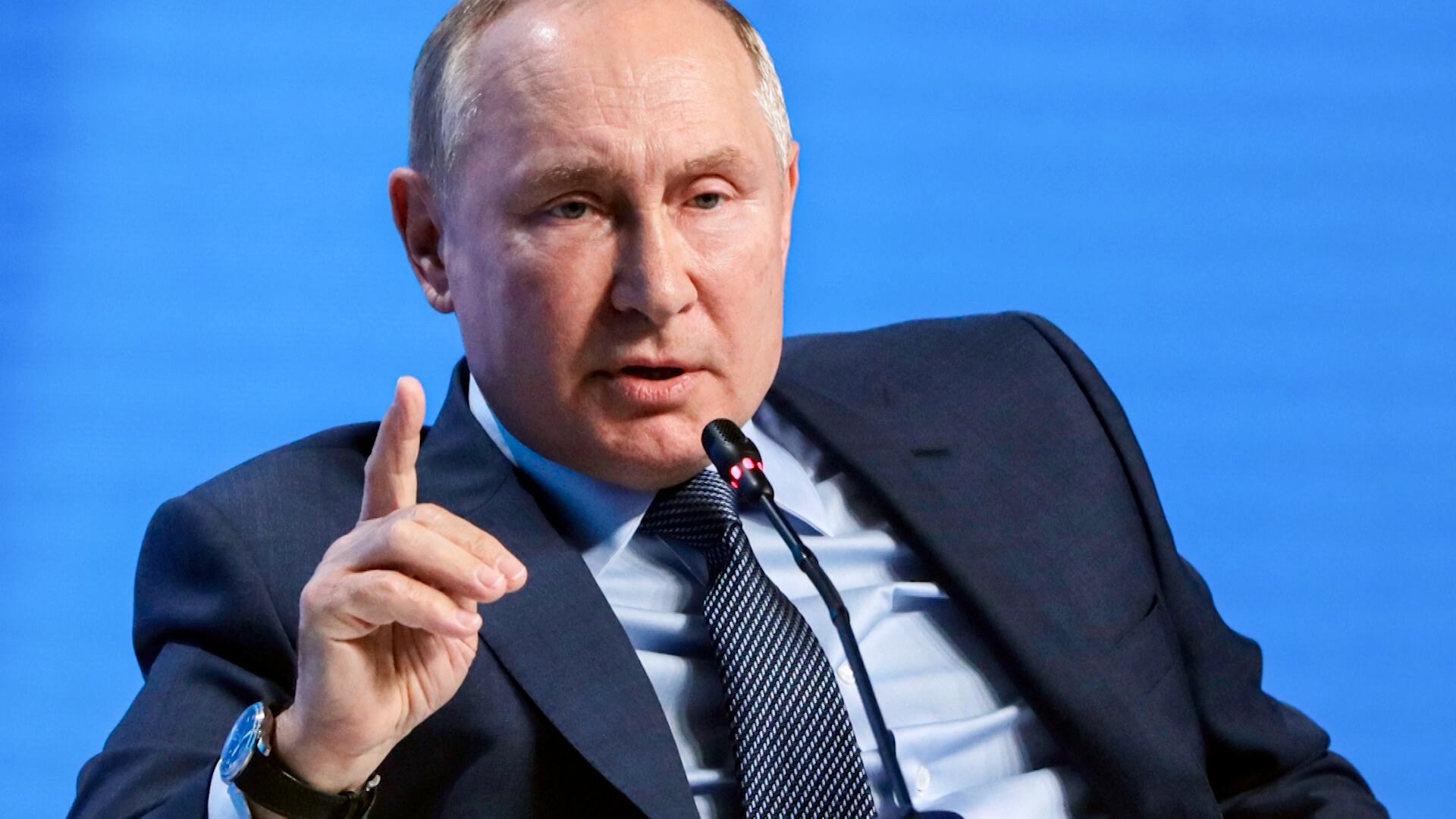
Alex Ward, National Security Reporter at Politico, joined Wake Up With Cheddar to discuss the latest in a looming international threat as Russia continues aggression against Ukraine, in defiance of Western nations.
The recent Virginia and New Jersey elections are making one trend line pretty clear: voters in this climate will vote on education, and it could be a winning tactic for Republicans.
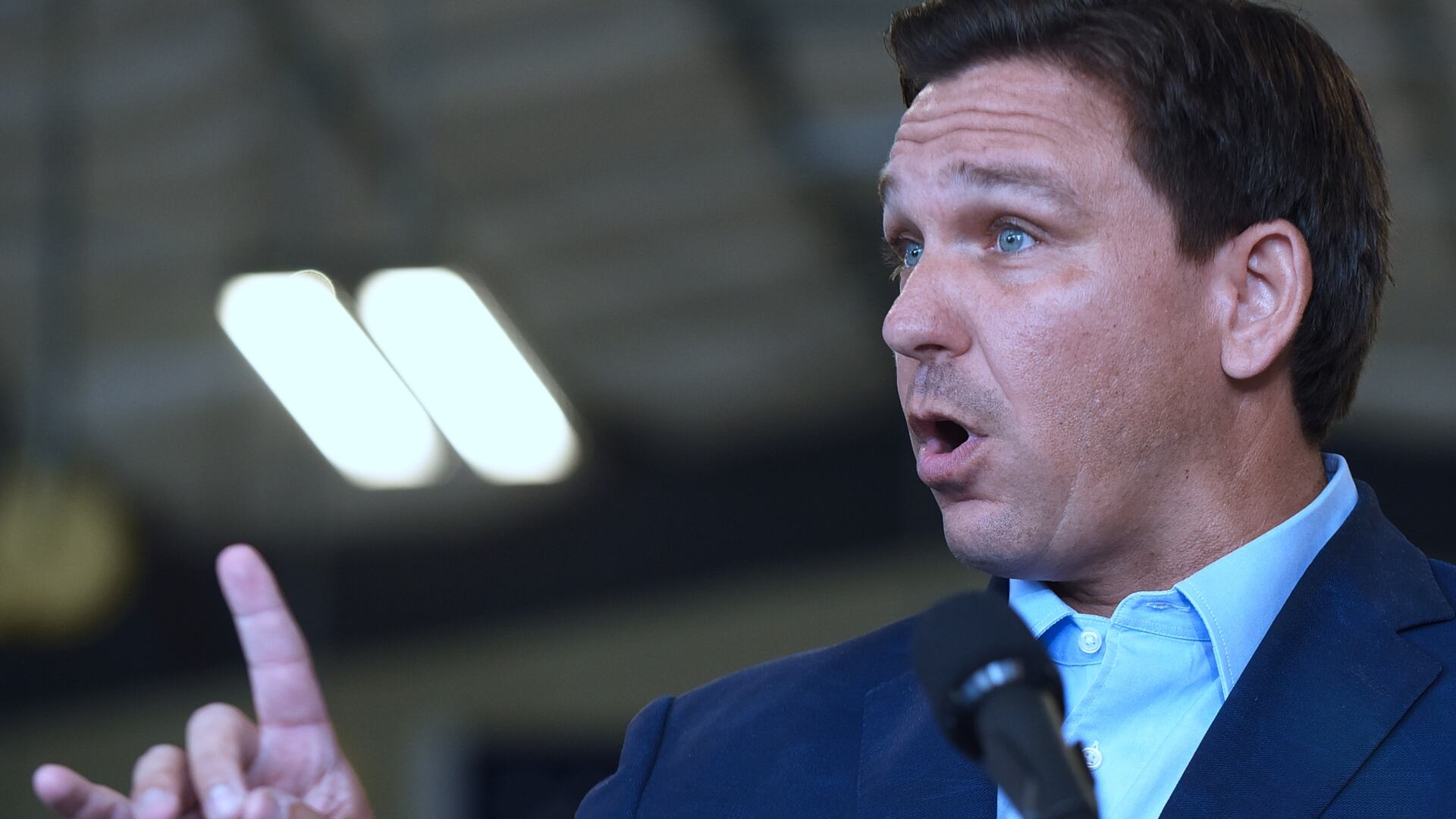
Virginia's race for governor was defined by, as the Republican candidate and eventual winner described it, "school-choice." Florida Governor Ron DeSantis is taking a page out of Governor Youngkin's playbook for his upcoming reelection bid, over-indexing on themes of education. John Kennedy, Florida capital reporter at Gannett, joins Cheddar News to discuss.
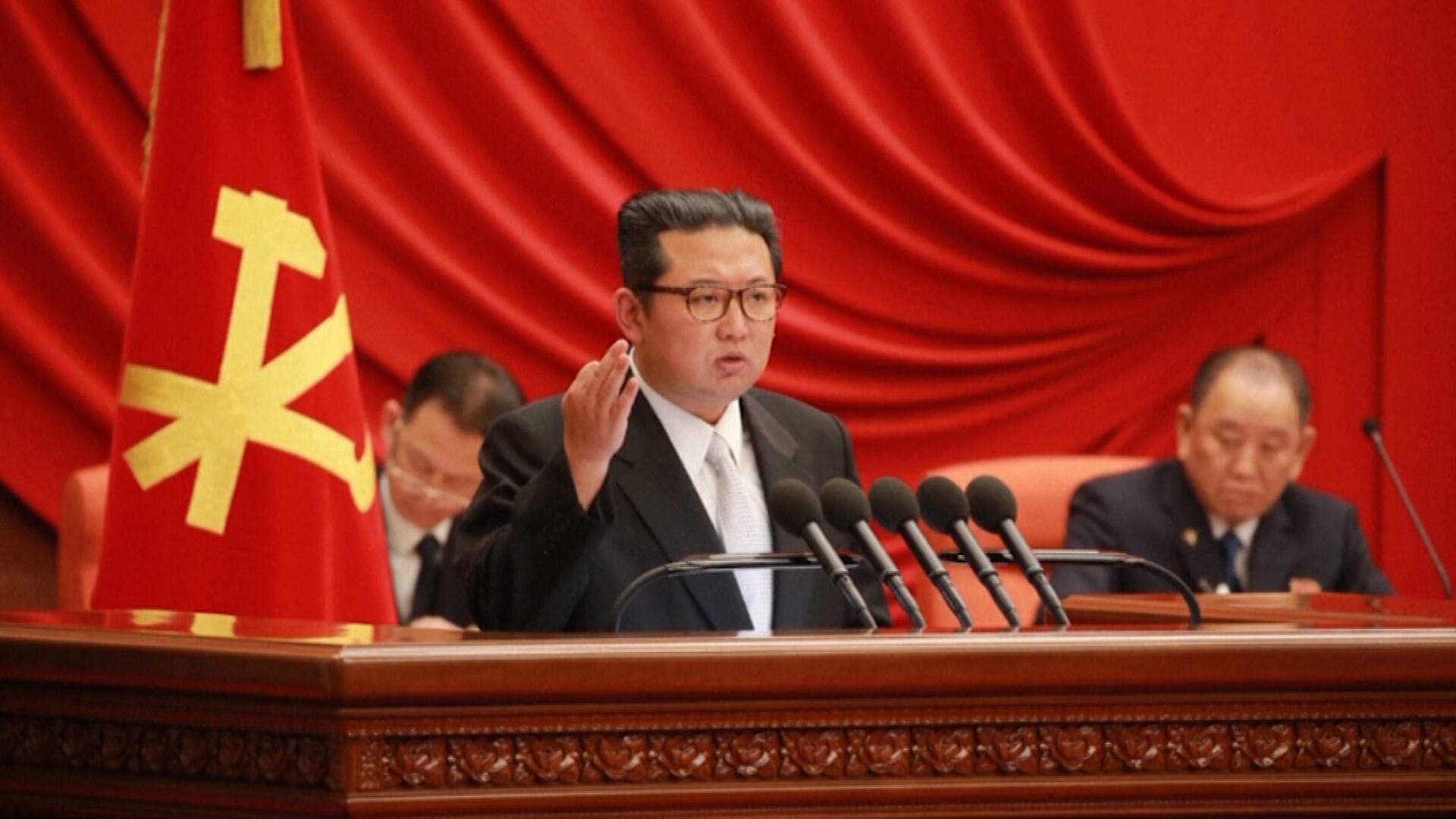
North Korea launched its sixth missile test this month, equaling the total number performed in all of 2021. Cheddar News speaks with Bruce Klinger of the Heritage Foundation on why the regime is suddenly ramping up its weapons testing program.
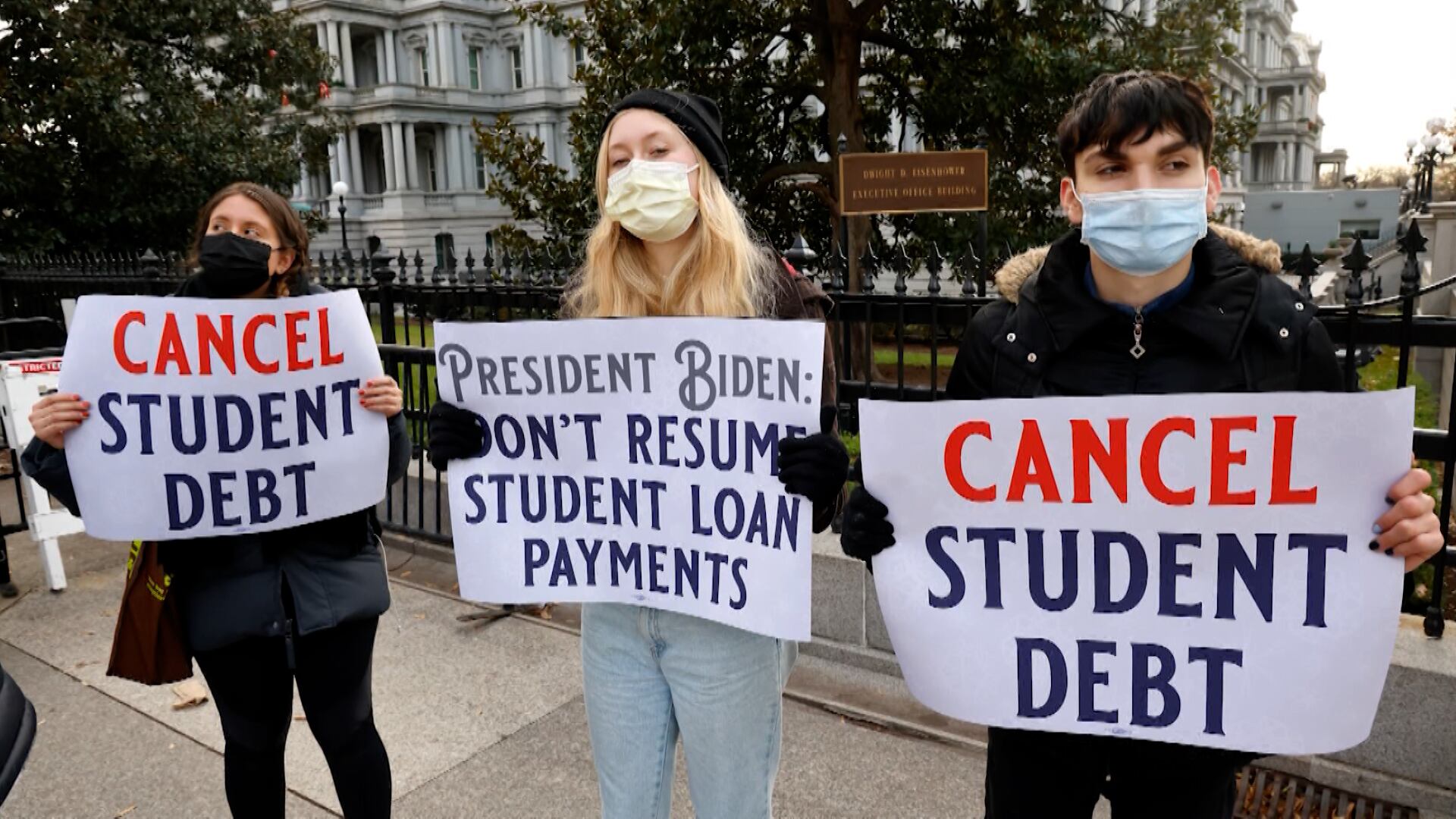
More than 80 lawmakers are calling for President Biden to release a memo outlining the legal pros and cons regarding the president's authority to cancel student loan debt, the total of which sits around $1.75 trillion. Senator Tina Smith (D-Minn.), joined Cheddar to discuss the memo and support the push to forgive student debt that could potentially have a massive positive impact on the U.S. economy. "I think that would be really helpful for all of us to be able to see as we figure out how we can go forward," she said. "It seems like a simple thing to do, and I hope that the administration will release this memo." For her part, Sen. Smith said she believes the president does have the authority to abolish student loan debt.
Dr. Celeste González de Bustamante, professor and director of the Center for Border and Global Journalism at the Univerity of Arizona, and Dr. Jeannine E. Relly, professor and director of Global Initiatives at the Center for Border and Global Journalism at the University of Arizona, join Cheddar News to discuss the recent journalist killings in Mexico.
Joe Kennedy III, a former congressman and co-founder of Give Us the Ballot, joined Cheddar News to discuss voting protections in the United States and how his campaign is aiming to fix the issue of voter suppression. "Yes, redistricting is critical — Give Us the Ballot though recognizes it's 'redistricting, and —', because voting rights has an implication for every single election at every single level: school board, mayor, city council, House of Representatives, Senate, president," he said. Kennedy also gave his thoughts about the retirement of Justice Stephen Breyer.