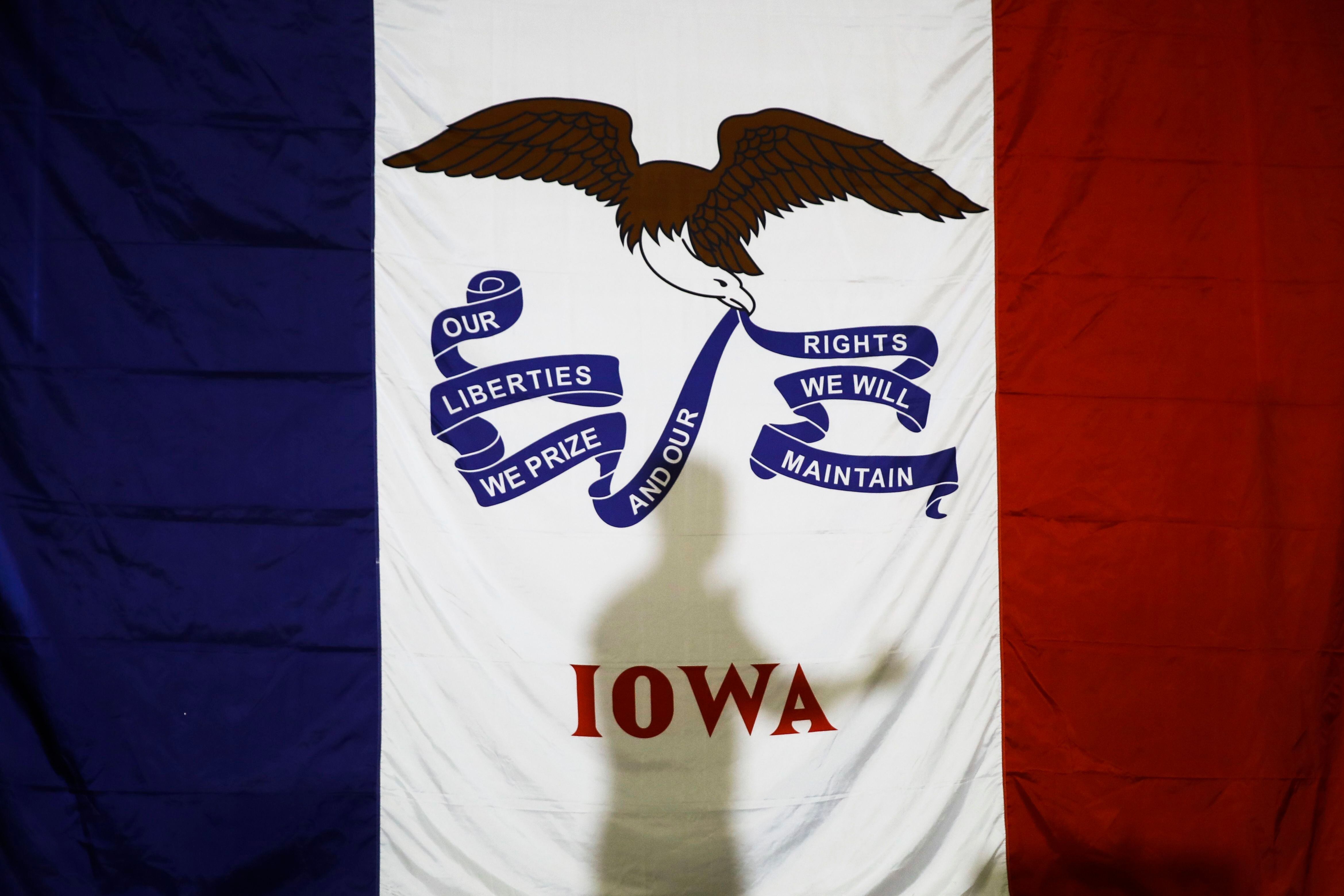
The race for 2020 is gaining speed today as the first votes are cast in Iowa, the first test of political strength, for the Democratic nominee for the presidency. Since the 1970s, Iowa has been the home of the first caucus.
Iowa voters take their pick seriously, as winners often gain momentum from the early voting. This year, with so many Democratic contenders still in the running and Bloomberg, a growing contender who bypassing early voting states entirely, there’s still a lot up in the air, meaning there’s a chance Iowans may not pick the candidate who will ultimately win the nomination at the convention. Caucus-goers have picked seven out of the last 11 Democratic presidential nominees but only four out of the last 11 GOP presidential nominees.
Here are five times the Iowa caucus results did not pick the eventual party nominees.
1988 Republicans
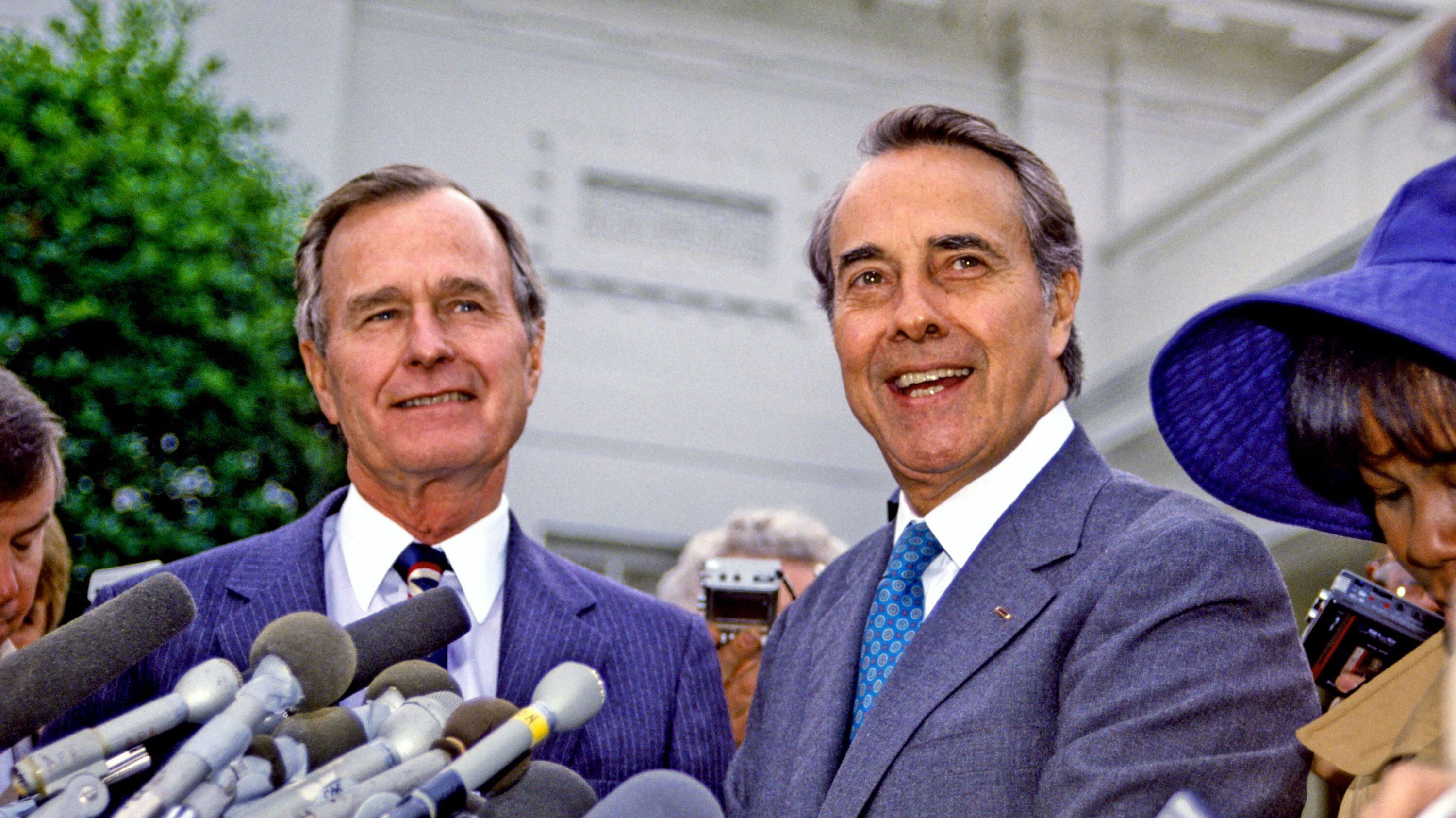
George H.W. Bush, who went on to claim the Republican nomination and the presidency in 1988 came in third in Iowa, after Bob Dole and Pat Robertson. Bush was the vice president at the time.
<i>President-elect George H.W. Bush and Senate Republican Leader Bob Dole meet reporters at the White House, Nov. 28, 1988. / Photo Credit: Shutterstock</i>
1992 Democrats
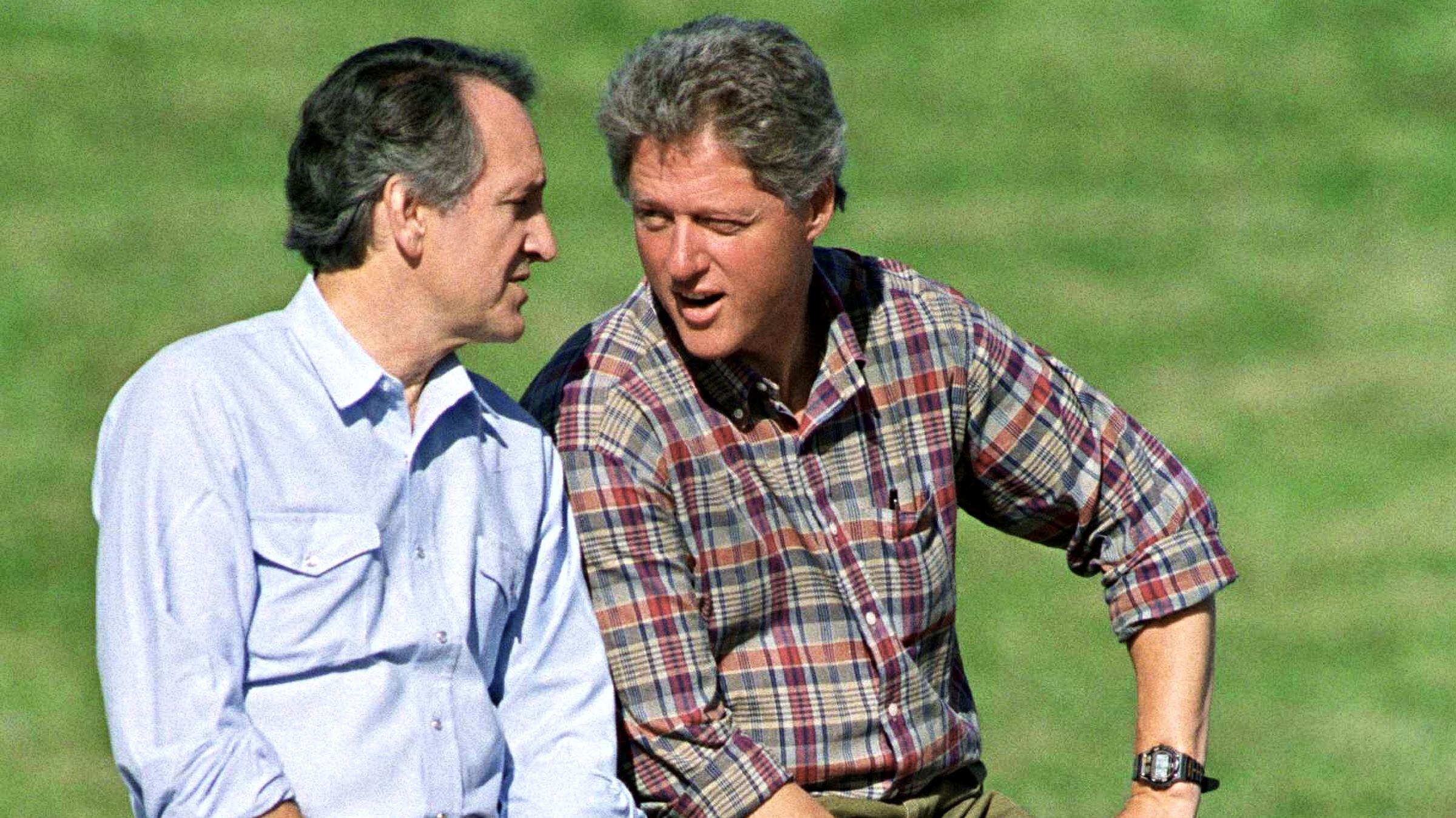
The last time Iowa got it wrong for Democrats was 1992, when Bill Clinton, the eventual nominee and president, only claimed 2.8 percent of the vote and came in fourth place. That year, the Iowa Senator Tom Harkin was running for president and claimed more than 75 percent of the caucus vote.
<i>Iowa Senator Tom Harkin talks with Democratic presidential candidate Bill Clinton at a party fund-raiser in Indianola, Iowa, Sept. 27, 1992. / Photo Credit: Charlie Neibergall/AP/Shutterstock</i>
2008 Republicans
When Barack Obama entered the national political scene, he won the Democratic caucus in 2008 and went on to win the presidency. But Mike Huckabee, former Arkansas governor, won the Republican caucus in Iowa. He would not go on to win the nomination. Senator John McCain, the eventual Republican nominee had come in fourth place in Iowa with 13.1 percent of the caucus vote. The previous time McCain was up for the nomination, in 2000, he nabbed only 4.7 percent of the caucus vote and came in fifth place. Eventual nominee and winner of the presidency George W. Bush came in first that year in Iowa, and businessman Steve Forbes came in second.
2012 Republican
In 2012, Rick Santorum squeaked by with a victory by just a tenth of a percent in the Iowa Caucus, though the Republican party had initially called it for Senator Mitt Romney (R-Utah) who later went on to nab the nomination and run against President Barack Obama.
2016 Republican
Today’s president, Donald Trump, did not win the Republican caucus in 2016. Senator Ted Cruz (R-Texas) won 27.6 percent of the vote compared to Donald Trump who carried 24.3 percent.
This story was updated February 3 to clarify the number of times Iowa Democrats and Republicans have selected the candidate who ultimately became their party's candidate.
Stephanie Akin, Politics Reporter for CQ Roll Call, breaks down
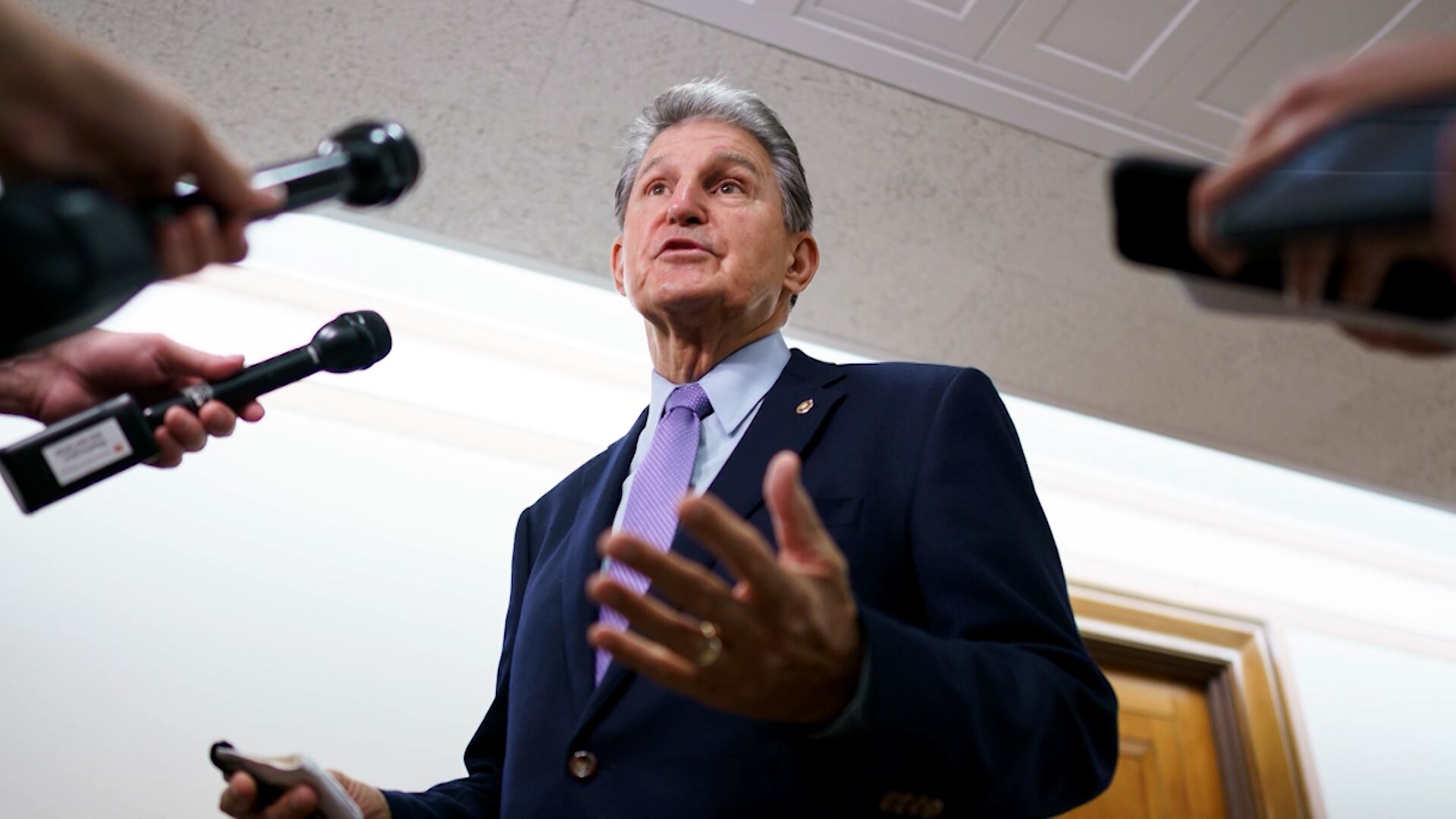
Senator Manchin's donation pool, and highlights what this support means for the conservative Democrat as well as the Republican party.
The global oil benchmark surpassed $90 for the first time in more than seven years. This comes as growing tensions between Russia and Ukraine add to concerns about the already-tight market. Jay Hatfield, Chief Investment Officer at ICAP, joined Cheddar to discuss what this benchmark means for the oil industry, and what might happen if Russia does invade its neighbor.
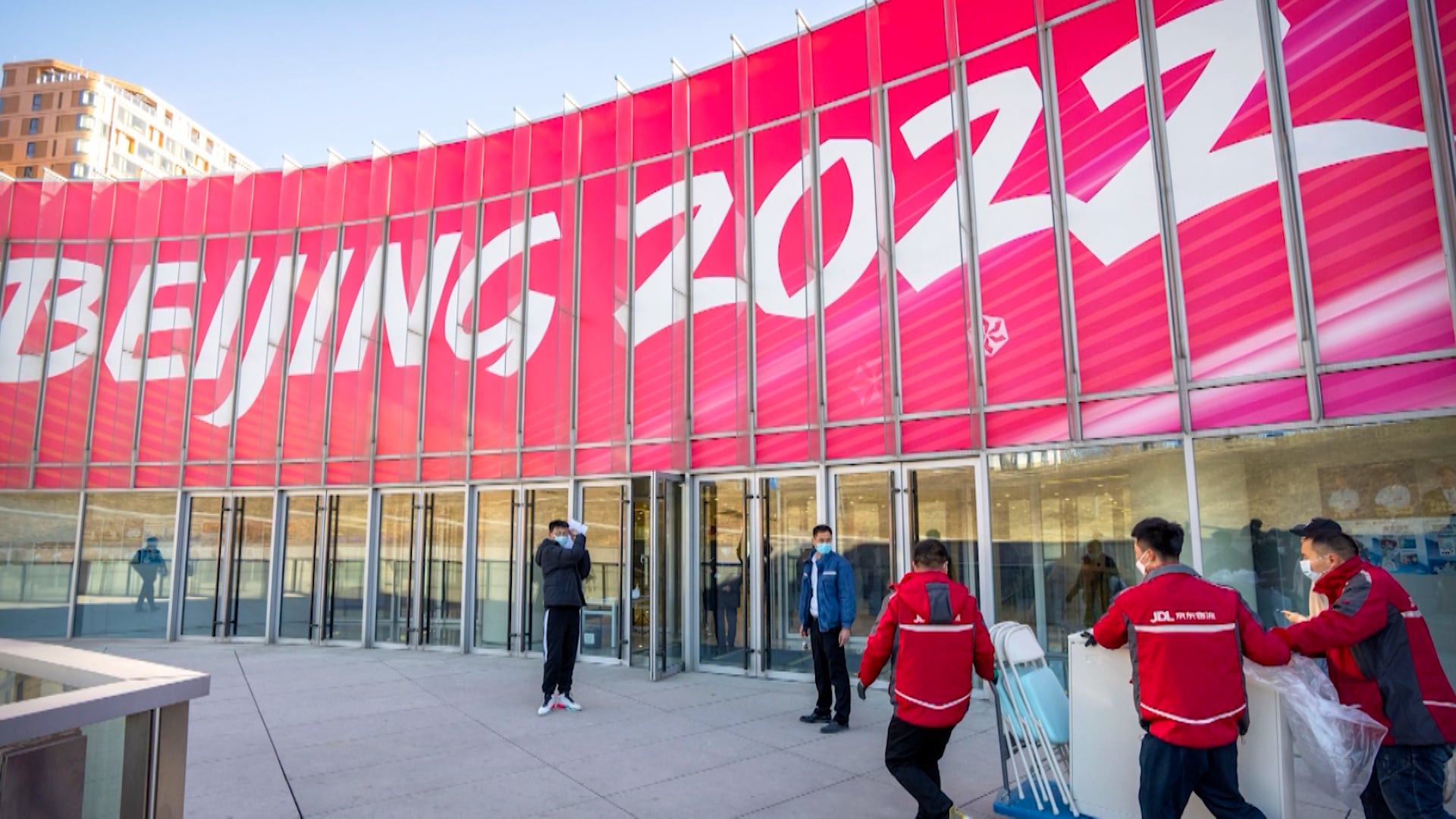
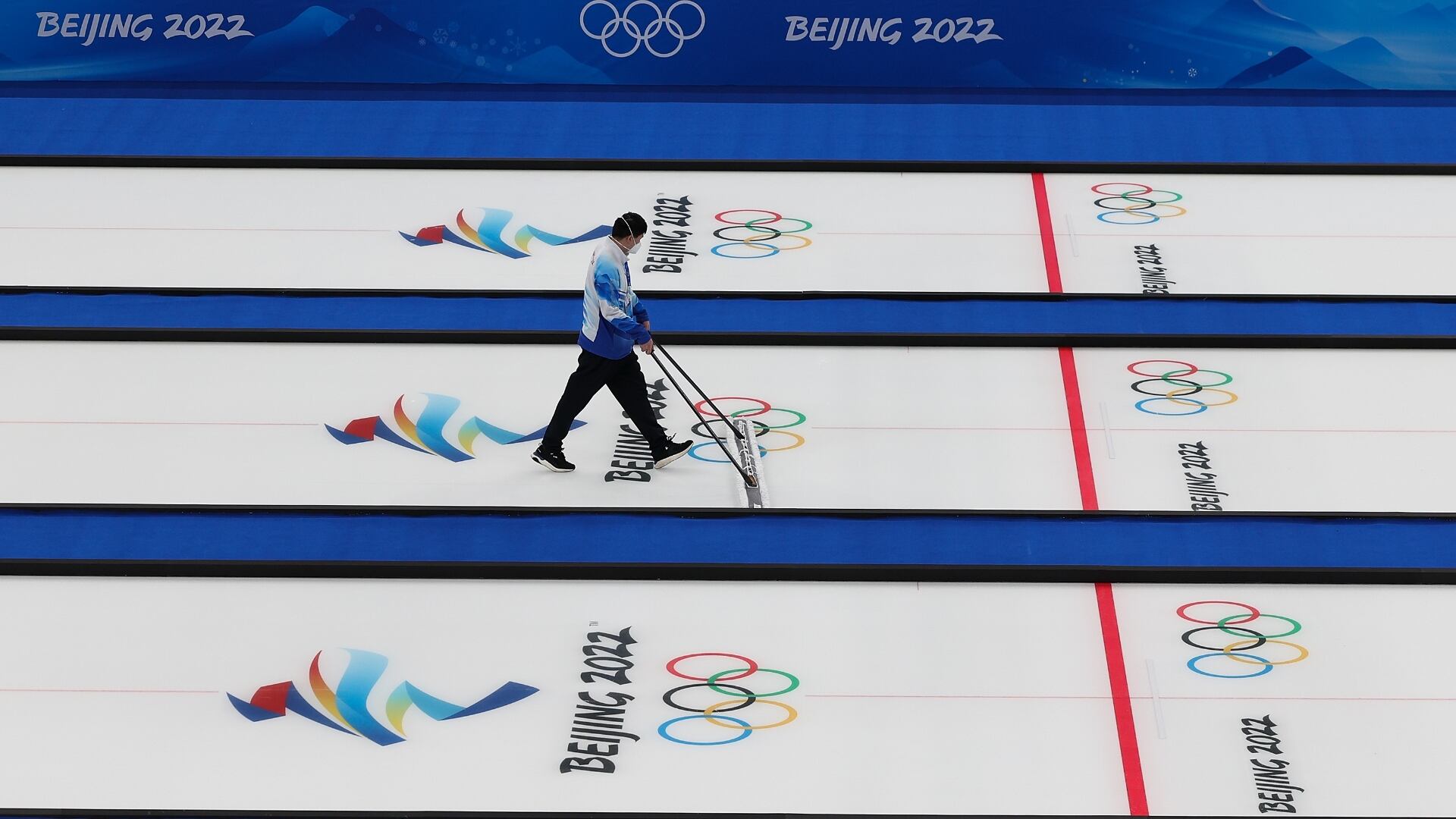
With the Beijing Winter Olympics set to get underway on Friday, Dan Wolken, a national columnist for USA Today, joined Cheddar News to break down the big storylines as the pandemic and international conflicts threaten to cast a cloud over the event that is aspirationally seen as a beacon of international cooperation. Wolken noted specific issues over cybersecurity for visiting athletes and disputes over human rights leading to a diplomatic boycott have been making waves even before the opening ceremony. "So you've got sort of these barbs going back and forth already between the Americans and the Chinese, and things haven't even started yet," he said. "We don't even know what's going to happen once the games start and people actually start winning medals."
We are a week away from the 2022 Beijing Olympics, and China has already faced a host of problems leading up to the opening ceremony of the Beijing games. DJ Peterson, president of Longview Global Advisors, joins Cheddar News to discuss the many concerns and controversies surrounding the event.
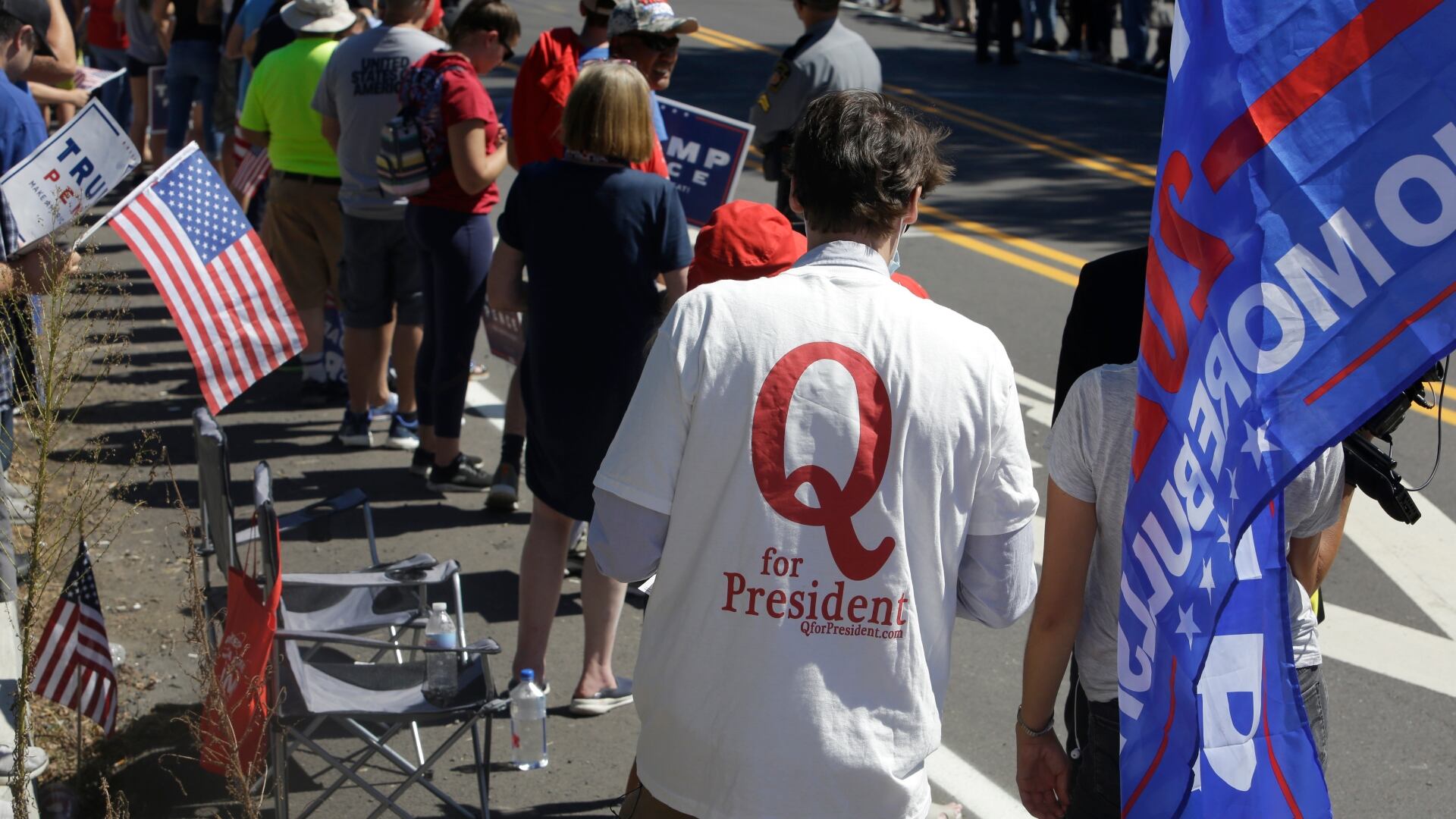
In 2021, QAnon, the community which traffics in conspiracy theories saw a rapid growth in its numbers. As a result of vaccine rollouts, a number of conspiracies surrounding them also began to circulate which then led to the rise of "Anti-Vaxxers". As a result, the QAnon and anti-vax communities have become increasingly intertwined and the results could be costing lives. Senior Researcher at Media Matters Alex Kaplan, joined Cheddar to discuss more.
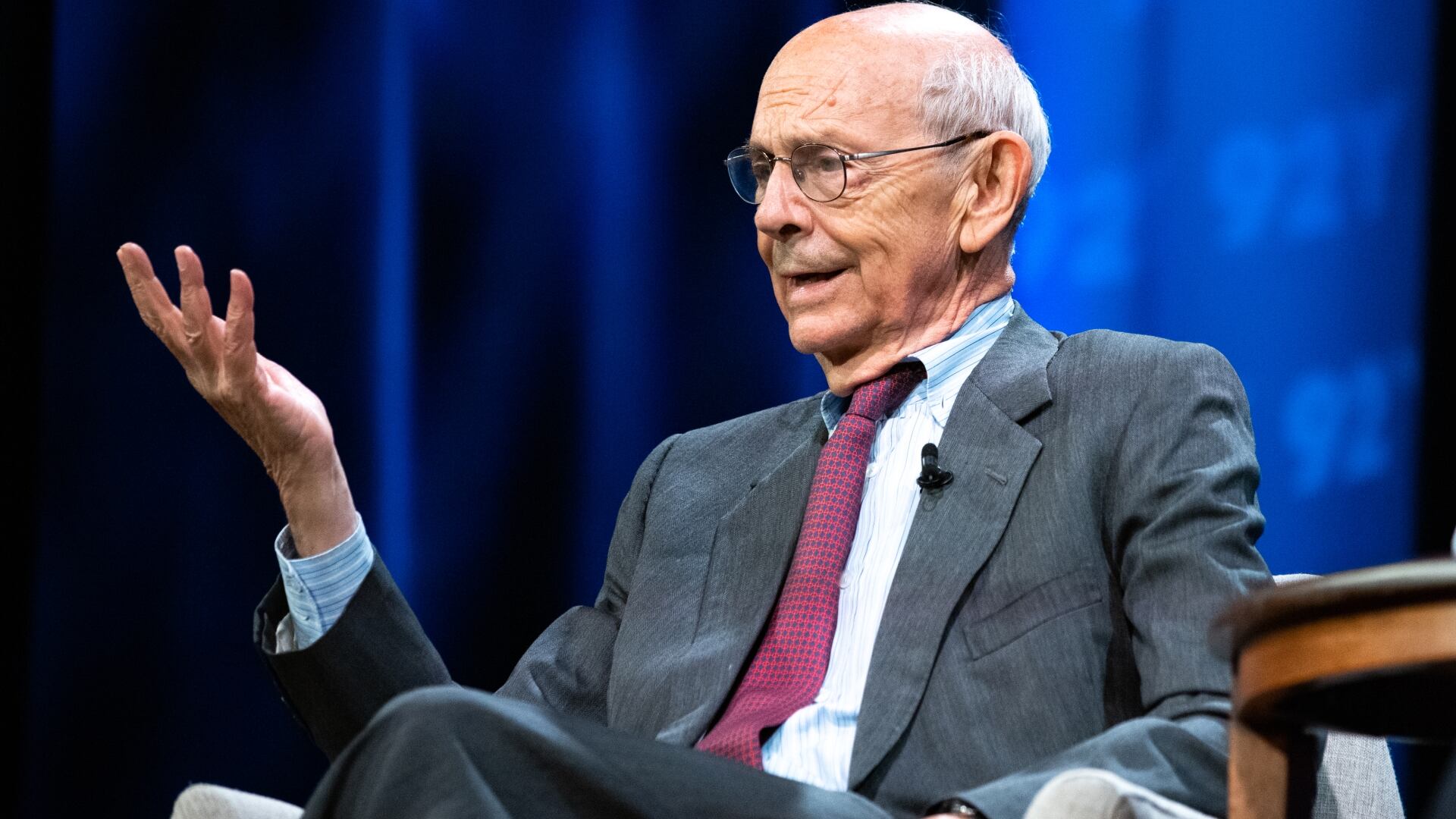
Supreme Court Justice Breyer has announced that he will officially retire from his post. He has served as the senior member of the more liberal wing in recent years. Now his retirement puts pressure on President Biden to decide on who will replace Breyer. Attorney and Media Editor at SCOTUS blog Katie Barlow, joined Cheddar to discuss more.
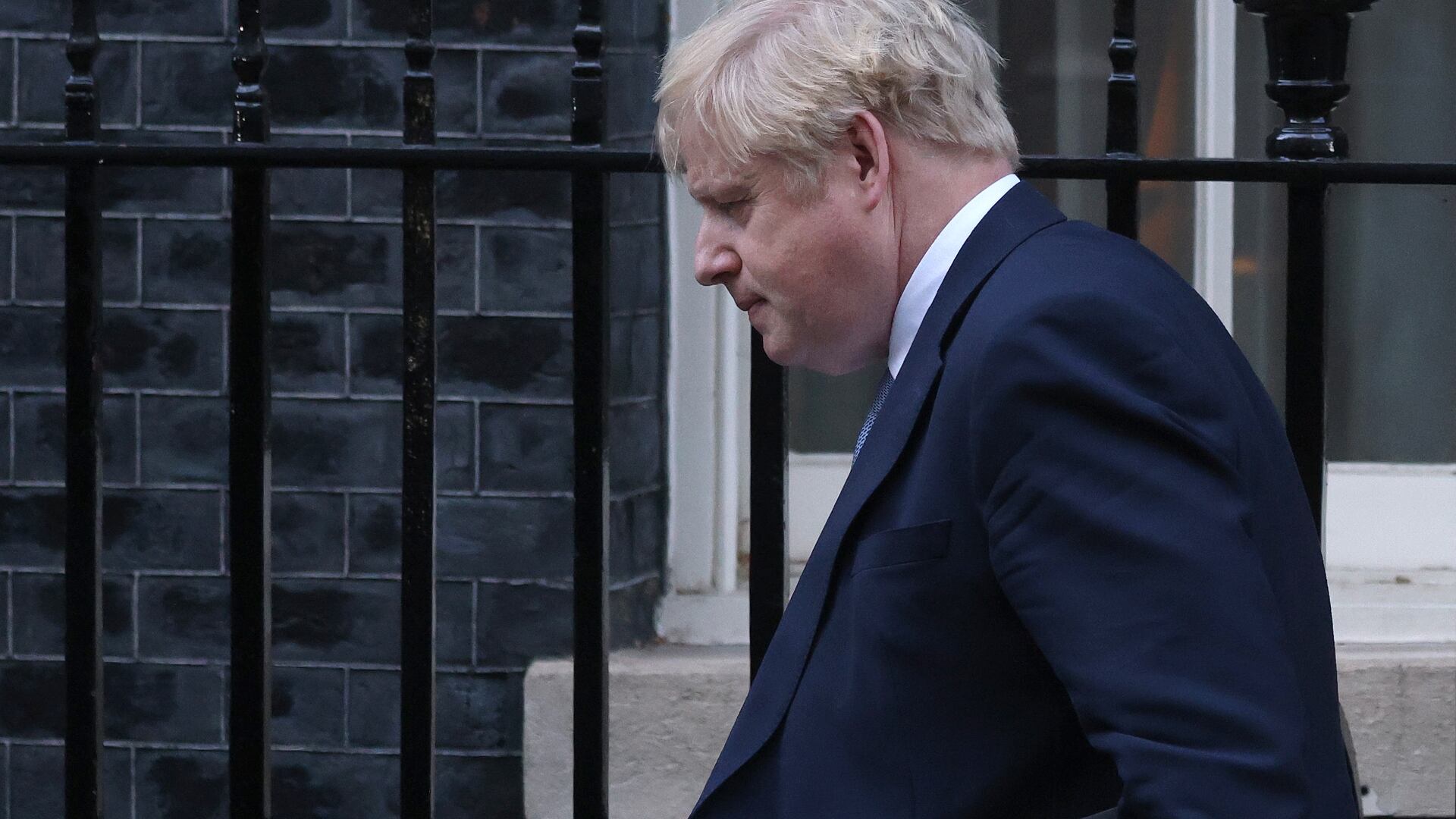
A long awaited report in the UK looking into the alleged parties held at 10 Downing Street during lockdown finds a culture of excessive drinking and a "failure of leadership" in Boris Johnson's government. Cheddar News speaks with international journalist Thomas Cole, who is closely monitoring latest developments.
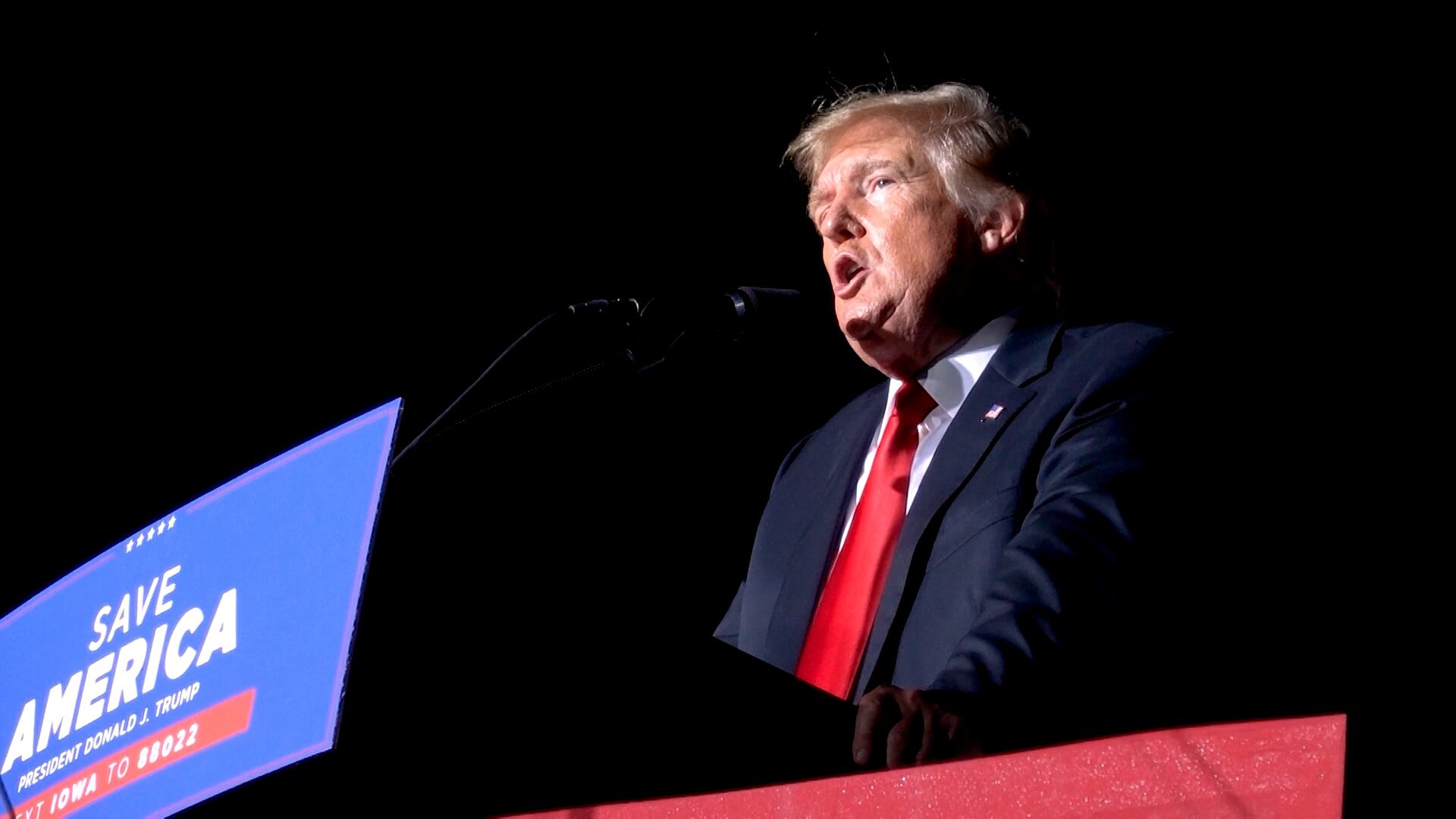
While Donald Trump stated he would be willing to pardon Capitol Hill insurrectionists should he return to the presidency, the January 6 Committee issued subpoenas to 14 individuals who cast bogus electoral votes for the former president in seven states won by Joe Biden in 2020. Molly Jong-Fast, editor-at-large at The Daily Beast, joined Cheddar News to discuss the ongoing congressional investigation. "It is kind of crazy that every time Trump speaks, he kind of confesses a little more of what he was up to, but you really have to have proof," said Jong-Fast.
Natalie Fertig, federal cannabis policy reporter at Politico Pro, joins Cheddar News to discuss a new YouGov poll that looks at how Americans feel about marijuana and politics.