The race for 2020 is gaining speed today as the first votes are cast in Iowa, the first test of political strength, for the Democratic nominee for the presidency. Since the 1970s, Iowa has been the home of the first caucus.
Iowa voters take their pick seriously, as winners often gain momentum from the early voting. This year, with so many Democratic contenders still in the running and Bloomberg, a growing contender who bypassing early voting states entirely, there’s still a lot up in the air, meaning there’s a chance Iowans may not pick the candidate who will ultimately win the nomination at the convention. Caucus-goers have picked seven out of the last 11 Democratic presidential nominees but only four out of the last 11 GOP presidential nominees.
Here are five times the Iowa caucus results did not pick the eventual party nominees.
1988 Republicans
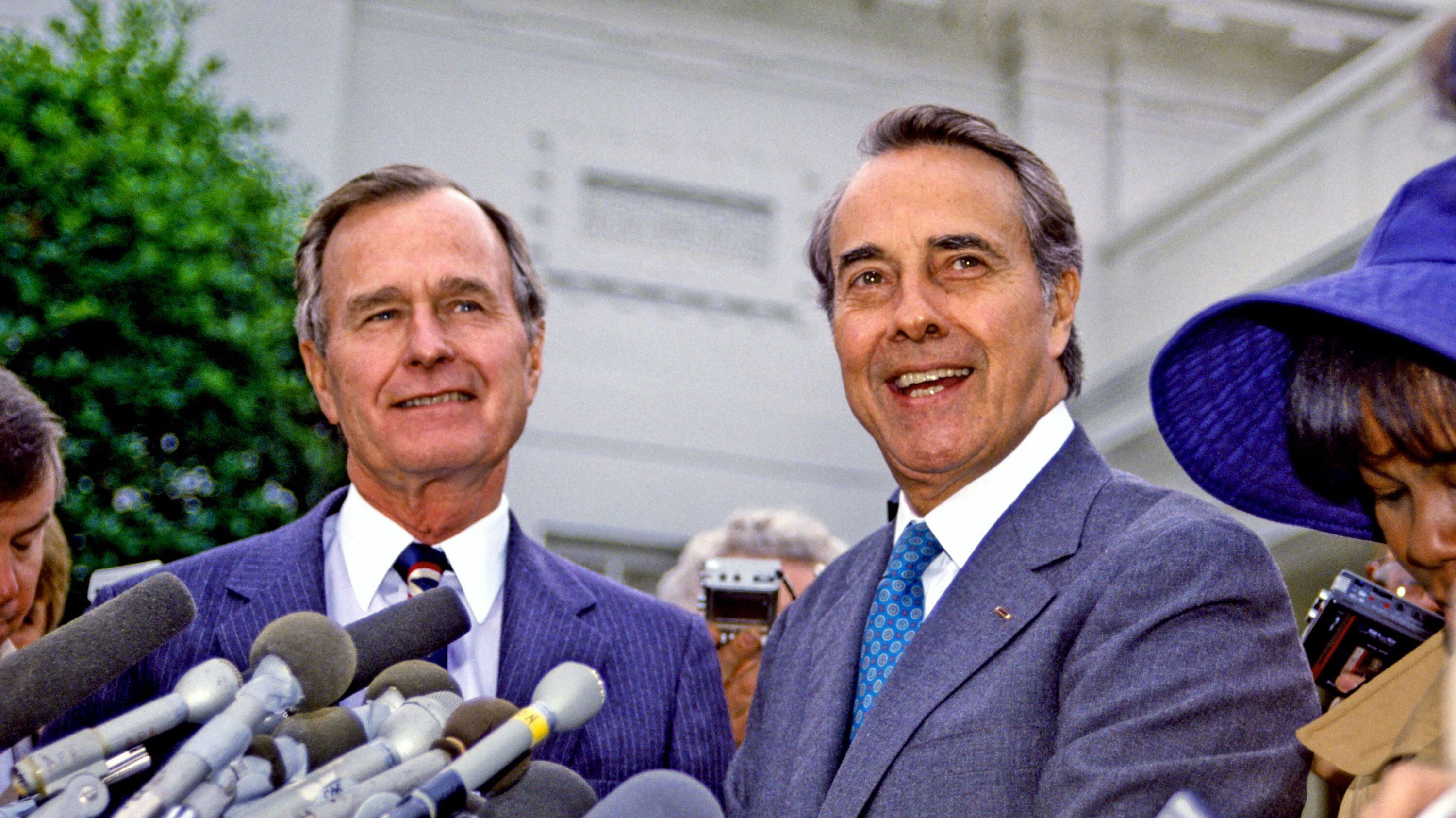
George H.W. Bush, who went on to claim the Republican nomination and the presidency in 1988 came in third in Iowa, after Bob Dole and Pat Robertson. Bush was the vice president at the time.
<i>President-elect George H.W. Bush and Senate Republican Leader Bob Dole meet reporters at the White House, Nov. 28, 1988. / Photo Credit: Shutterstock</i>
1992 Democrats
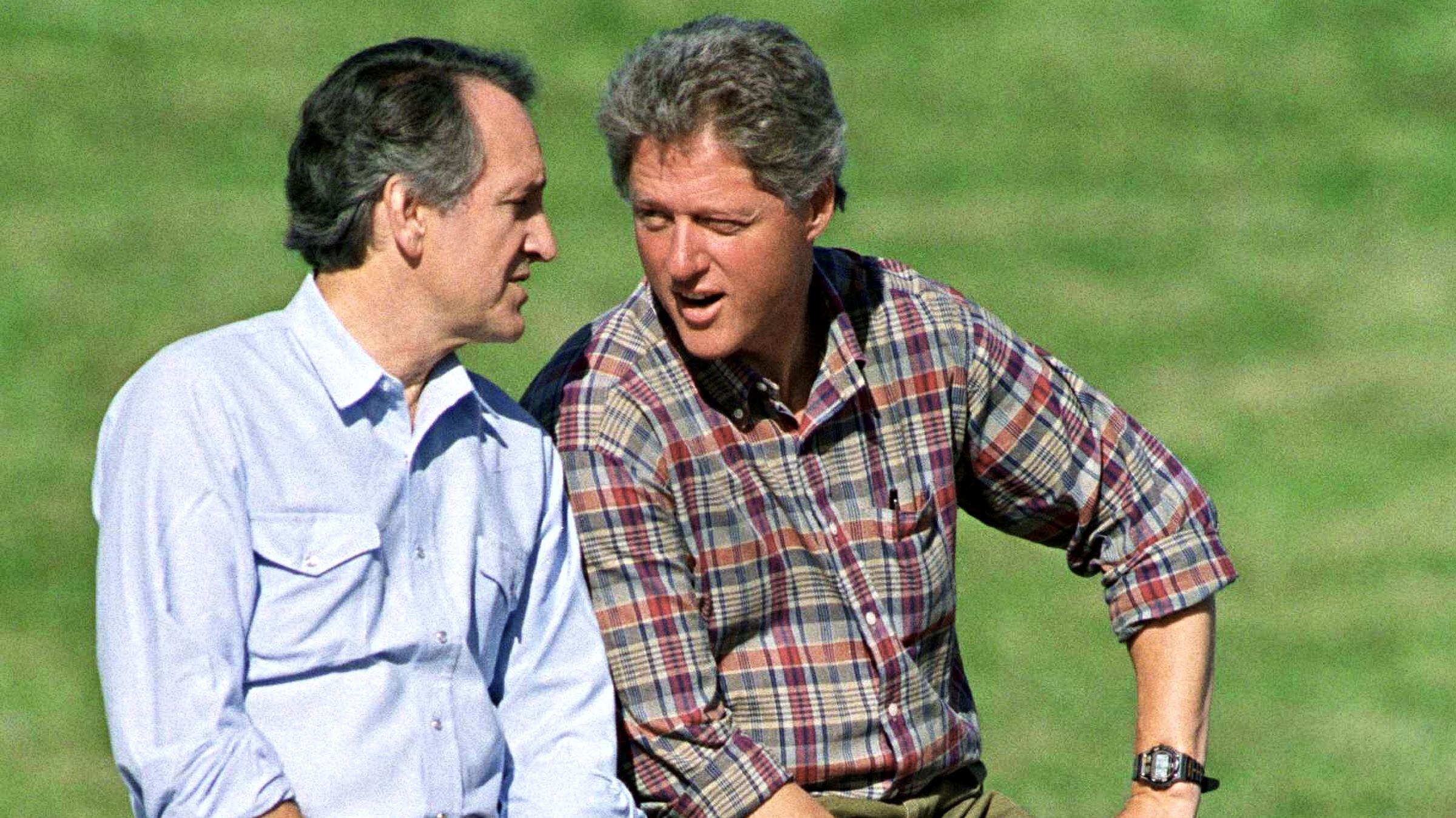
The last time Iowa got it wrong for Democrats was 1992, when Bill Clinton, the eventual nominee and president, only claimed 2.8 percent of the vote and came in fourth place. That year, the Iowa Senator Tom Harkin was running for president and claimed more than 75 percent of the caucus vote.
<i>Iowa Senator Tom Harkin talks with Democratic presidential candidate Bill Clinton at a party fund-raiser in Indianola, Iowa, Sept. 27, 1992. / Photo Credit: Charlie Neibergall/AP/Shutterstock</i>
2008 Republicans
When Barack Obama entered the national political scene, he won the Democratic caucus in 2008 and went on to win the presidency. But Mike Huckabee, former Arkansas governor, won the Republican caucus in Iowa. He would not go on to win the nomination. Senator John McCain, the eventual Republican nominee had come in fourth place in Iowa with 13.1 percent of the caucus vote. The previous time McCain was up for the nomination, in 2000, he nabbed only 4.7 percent of the caucus vote and came in fifth place. Eventual nominee and winner of the presidency George W. Bush came in first that year in Iowa, and businessman Steve Forbes came in second.
2012 Republican
In 2012, Rick Santorum squeaked by with a victory by just a tenth of a percent in the Iowa Caucus, though the Republican party had initially called it for Senator Mitt Romney (R-Utah) who later went on to nab the nomination and run against President Barack Obama.
2016 Republican
Today’s president, Donald Trump, did not win the Republican caucus in 2016. Senator Ted Cruz (R-Texas) won 27.6 percent of the vote compared to Donald Trump who carried 24.3 percent.
This story was updated February 3 to clarify the number of times Iowa Democrats and Republicans have selected the candidate who ultimately became their party's candidate.
Florida lawmakers have introduced a controversial bill restricting some discussion of sexual orientation and gender identity in classrooms with young students. Supporters say the move empowers parents to have more of a say in what their children learn. Florida State Senator Shevrin Jones joins Cheddar News to discuss more.
Congress this week passed a bill that would end forced arbitration for workplace sexual assault and harassment, one of the most significant changes to employment law in years. Cheddar News speaks with Marjorie Mesidor, Sexual Harassment Attorney, who explains that arbitrators are often retired judges or attorneys who "tends to have a more conservative view both to law and rewards."
As the situation with Russia has grown more precarious, the White House urged Americans remaining in Ukraine to leave immediately. The Biden administration that it sees continuing signs of escalation but did not have specific information detailing a timetable for a potential invasion. Kristine Berzina, senior fellow and head of the geopolitics team at the Alliance for Securing Democracy, joined Cheddar News to provide her analysis. "There's talk of an impending phone call between President Putin, President Biden," Berzina said. "That is certainly a good sign to indicate that there would be significant cost."
Terrell Starr, host of 'Black Diplomats' podcast and senior nonresident fellow at the Eurasia Center for Atlantic Council, joins Cheddar News from Kyiv, Ukraine to discuss the mounting tension there.
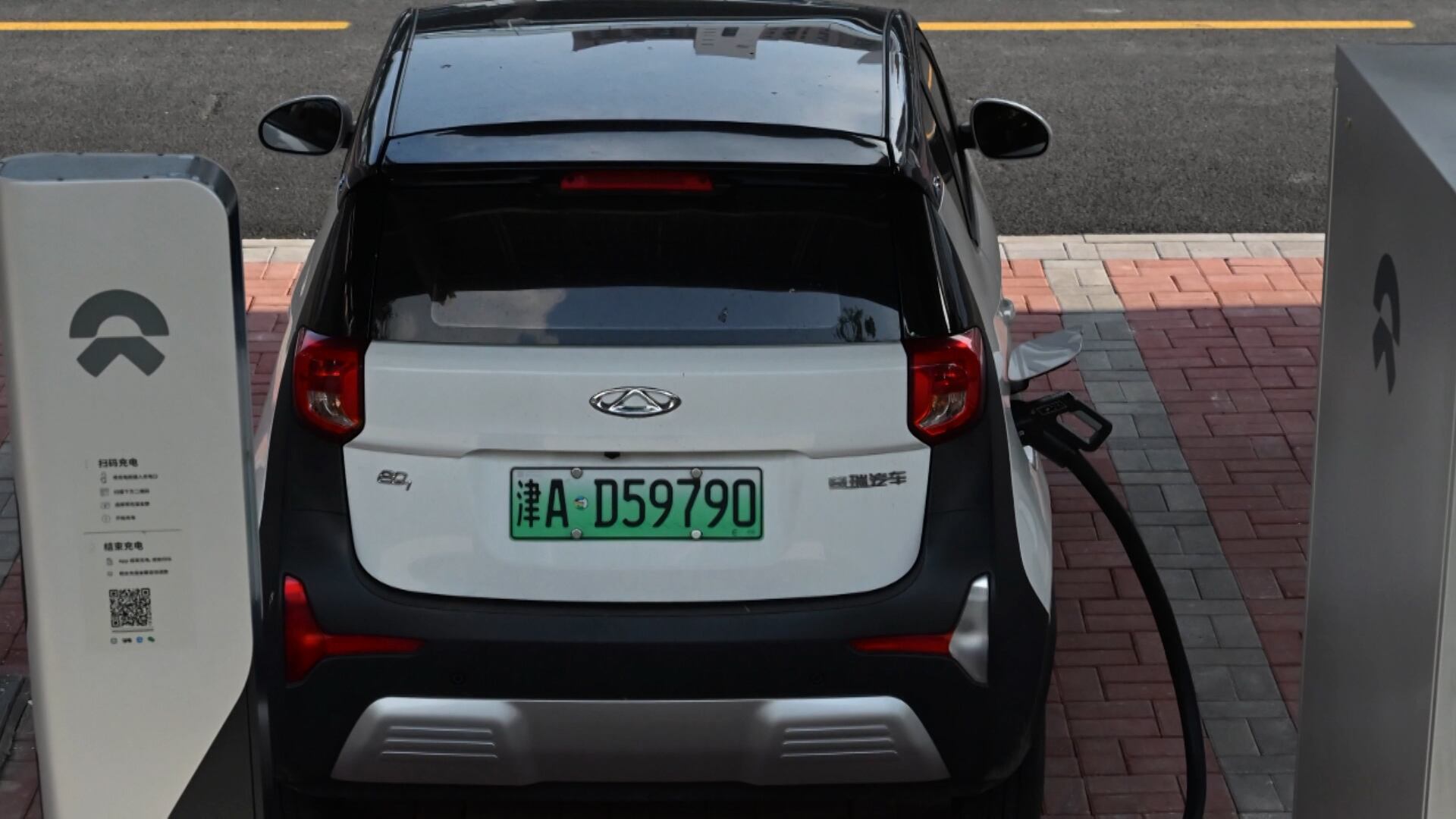
The White House laid out plans for a $5 billion investment into a national network of charging stations to ease EV driving anxiety. Bruce Brimacombe, CEO of EV infrastructure GOe3 joined Cheddar News to discuss how much needs to be done for drivers to get over the fear of running out of energy. "People need to be able to do what they're doing now," he said. "But that is the way that if you're going to buy an electric car, you got to feel like you're not changing your world." Brimacombe noted that building out the infrastructure between cities was GOe3's own focus.
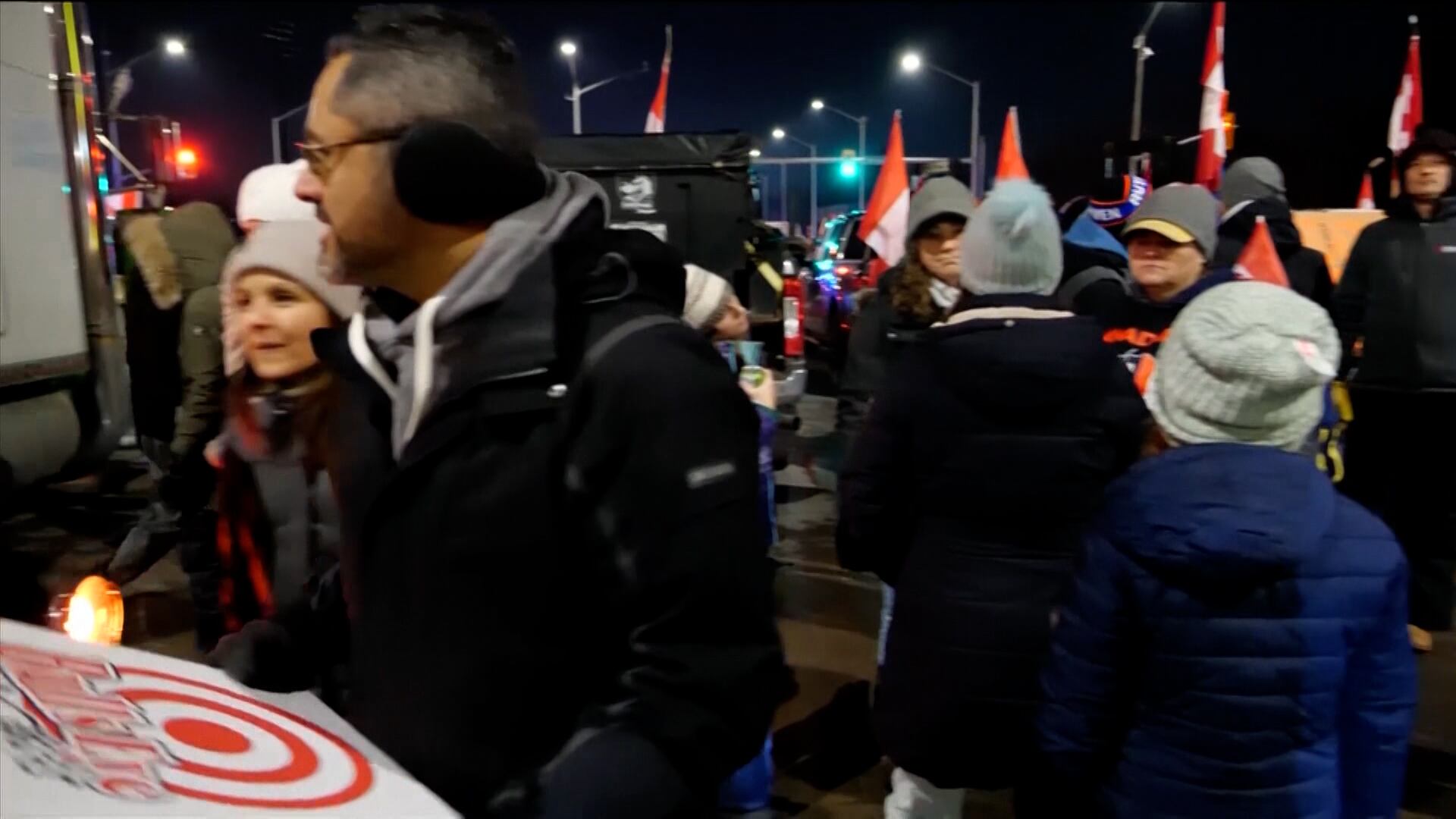
U.S. automakers are saying that the blockade of the Ambassador Bridge, a crucial border crossing between the U.S. and Canada, is affecting their production lines. Michelle Krebs of Cox Automotive warns that the disruption "couldn't come at a worst time," amid chip and labor shortages in Detroit.
AND DETROIT-BASED AUTO MAKERS SAY THEY ARE SHUTTING DOWN PLANTS OR SCALING BACK PRODUCTION BECAUSE OF PARTS SHORTAGES.
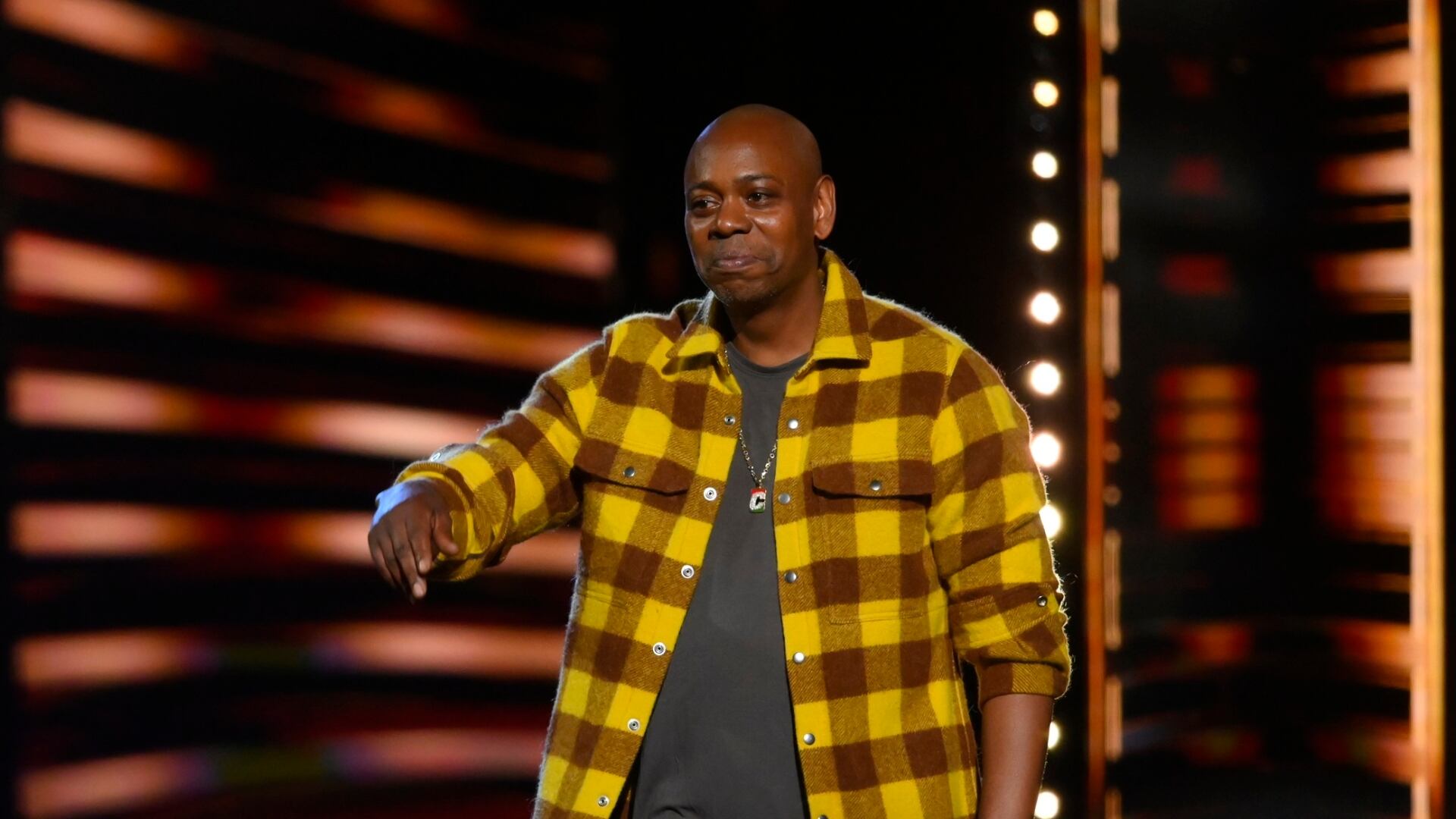
Plans to add affordable housing to a development in Yellow Springs, Ohio, were squashed after comedian Dave Chappelle and other community members spoke out against the project. Chappelle threatened to pull the plug on his local comedy club and restaurant projects if the development had been approved.
David Tafuri, Former Obama Campaign Foreign Policy Advisor & Former State Department Official, joined Cheddar News to break down the latest geopolitical stories from Beijing, amid China's human rights abuses against Uyghur Muslims and yet another Russian doping scandal.
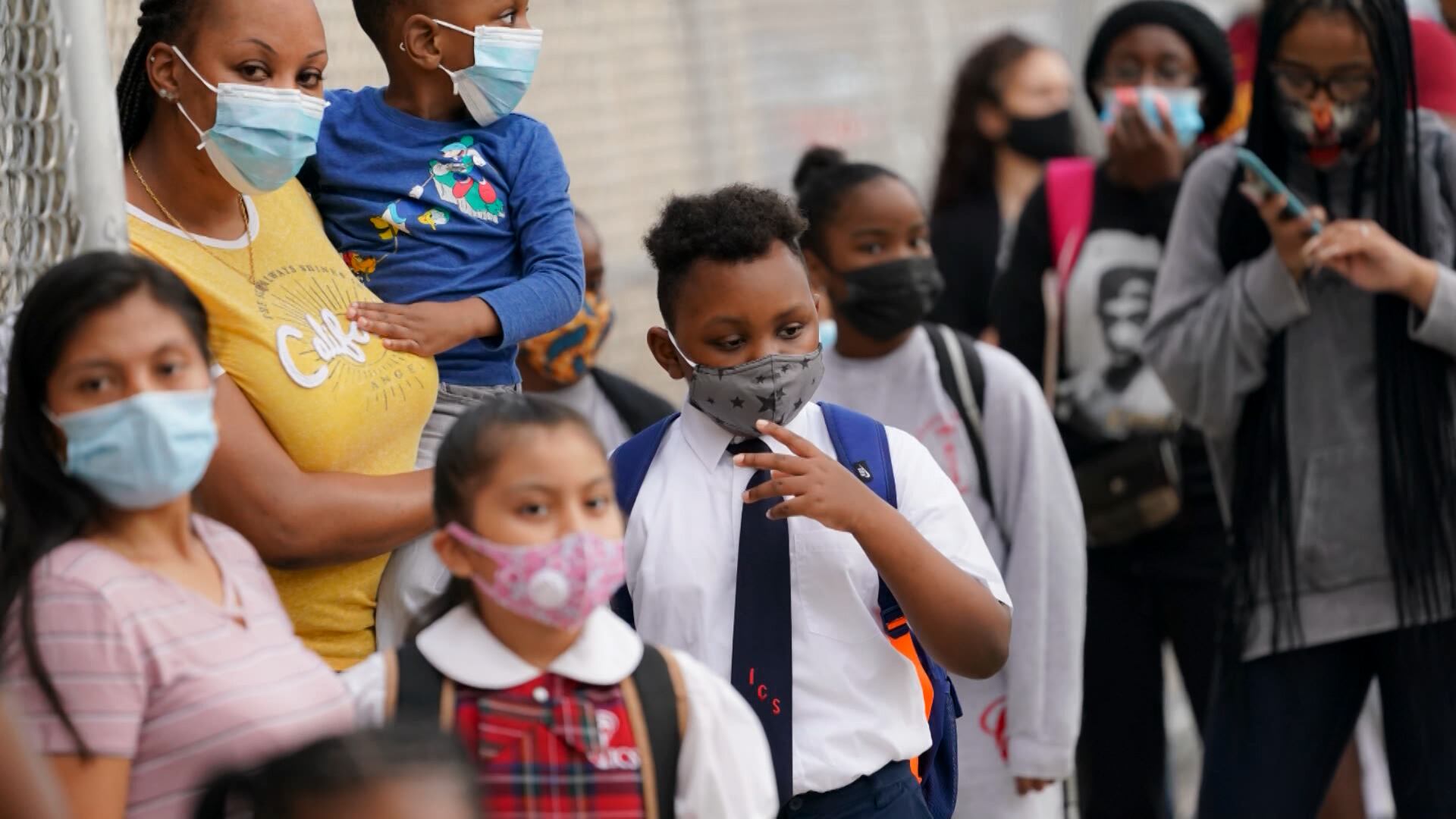
Dr. Jennifer Haythe of Columbia University's Irving Medical Center, joined Wake Up With Cheddar to discuss the latest with the pandemic, as the debate over child safety rages amid low vaccination rates and states easing school mask mandates.