The race for 2020 is gaining speed today as the first votes are cast in Iowa, the first test of political strength, for the Democratic nominee for the presidency. Since the 1970s, Iowa has been the home of the first caucus.
Iowa voters take their pick seriously, as winners often gain momentum from the early voting. This year, with so many Democratic contenders still in the running and Bloomberg, a growing contender who bypassing early voting states entirely, there’s still a lot up in the air, meaning there’s a chance Iowans may not pick the candidate who will ultimately win the nomination at the convention. Caucus-goers have picked seven out of the last 11 Democratic presidential nominees but only four out of the last 11 GOP presidential nominees.
Here are five times the Iowa caucus results did not pick the eventual party nominees.
1988 Republicans
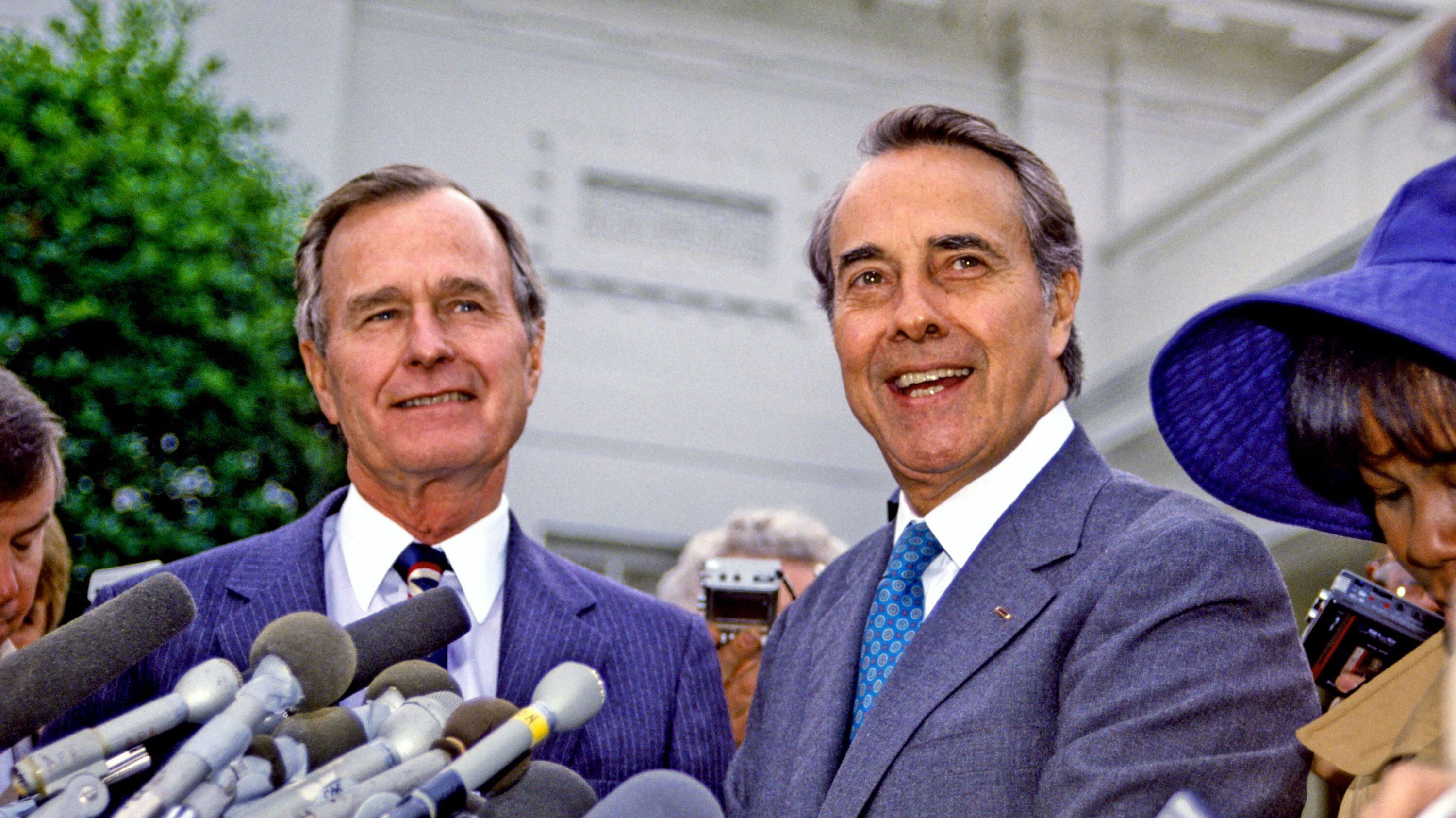
George H.W. Bush, who went on to claim the Republican nomination and the presidency in 1988 came in third in Iowa, after Bob Dole and Pat Robertson. Bush was the vice president at the time.
<i>President-elect George H.W. Bush and Senate Republican Leader Bob Dole meet reporters at the White House, Nov. 28, 1988. / Photo Credit: Shutterstock</i>
1992 Democrats
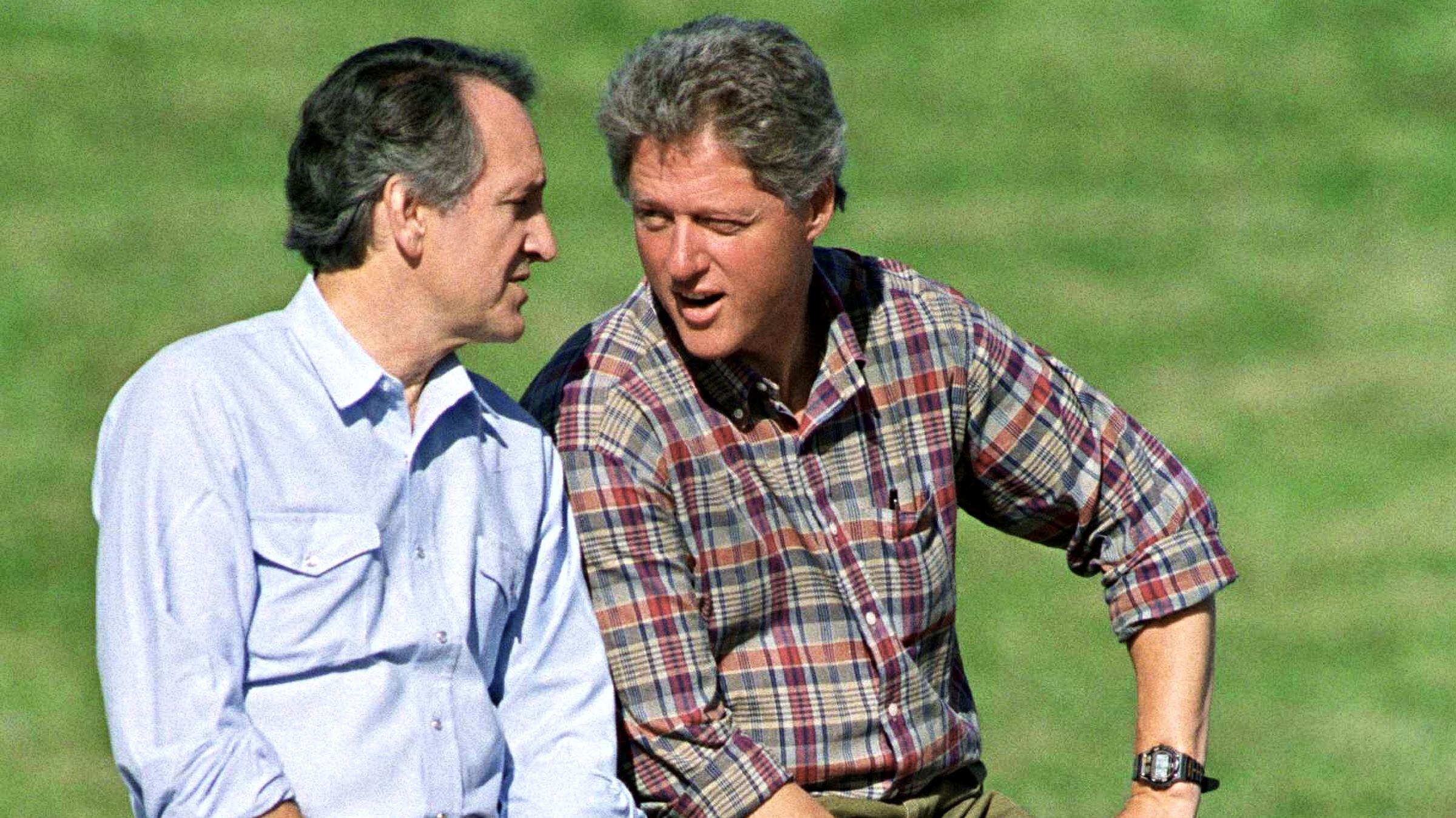
The last time Iowa got it wrong for Democrats was 1992, when Bill Clinton, the eventual nominee and president, only claimed 2.8 percent of the vote and came in fourth place. That year, the Iowa Senator Tom Harkin was running for president and claimed more than 75 percent of the caucus vote.
<i>Iowa Senator Tom Harkin talks with Democratic presidential candidate Bill Clinton at a party fund-raiser in Indianola, Iowa, Sept. 27, 1992. / Photo Credit: Charlie Neibergall/AP/Shutterstock</i>
2008 Republicans
When Barack Obama entered the national political scene, he won the Democratic caucus in 2008 and went on to win the presidency. But Mike Huckabee, former Arkansas governor, won the Republican caucus in Iowa. He would not go on to win the nomination. Senator John McCain, the eventual Republican nominee had come in fourth place in Iowa with 13.1 percent of the caucus vote. The previous time McCain was up for the nomination, in 2000, he nabbed only 4.7 percent of the caucus vote and came in fifth place. Eventual nominee and winner of the presidency George W. Bush came in first that year in Iowa, and businessman Steve Forbes came in second.
2012 Republican
In 2012, Rick Santorum squeaked by with a victory by just a tenth of a percent in the Iowa Caucus, though the Republican party had initially called it for Senator Mitt Romney (R-Utah) who later went on to nab the nomination and run against President Barack Obama.
2016 Republican
Today’s president, Donald Trump, did not win the Republican caucus in 2016. Senator Ted Cruz (R-Texas) won 27.6 percent of the vote compared to Donald Trump who carried 24.3 percent.
This story was updated February 3 to clarify the number of times Iowa Democrats and Republicans have selected the candidate who ultimately became their party's candidate.
Tensions in Ukraine continue to rise. According to NATO and U.S. officials, Russian troops are still being built up despite Moscow's claims of de-escalation. However, Ukraine does not believe the troops are enough to mount an invasion. The government in Kyiv has also reported several cyber attacks against its defense agencies and banks which is the largest attack in the country's history. Foreign Affairs Reporter based in Ukrain, Terrell Starr, joined Cheddar to discuss more
A Senate bill unveiled on Wednesday looks to tackleonline safety for children by regulating Big Tech and social media platforms to deter users from content that can harm their mental health. Irene Ly, a policy counsel for the age-based ratings and review organization Common Sense Media, joined Cheddar News to break down the potential of the Kids Online Safety Act. "We can't be imposing such a big burden on parents to be doing it all on theirselves," Ly said. "I think you also have to keep in mind that parents often didn't grow up with social media, so they don't understand what it's like to be addicted to social media or really understand how they work."
The Federal Reserve minutes from its January meeting are indicating it's sticking to an interest rate hike in March, but what does the report coupled with ongoing inflation mean for investors going forward? Scott Brown, a market strategist at LPL Financial, joined Cheddar News to break down the minutes and talk about how investors might navigate the rest of the year. "it seems like the market is kind of inclined to trade off these headlines, really, through the first half of the year," he said. "And then, oh, don't forget, we've got midterm elections, which always tend to add a little bit of volatility in the second half of the year." Brown noted that the path forward for stock investors in 2022 would be "rockier" than last year.
Senators Richard Blumenthal (D-Conn.) and Marsha Blackburn (R-Tenn.) have introduced a new bill to afford greater protection to minors on social media. The genesis of the Kids Online Safety Act came from a Facebook whistleblower case exposing the harm apps can have on the mental health of young girls.
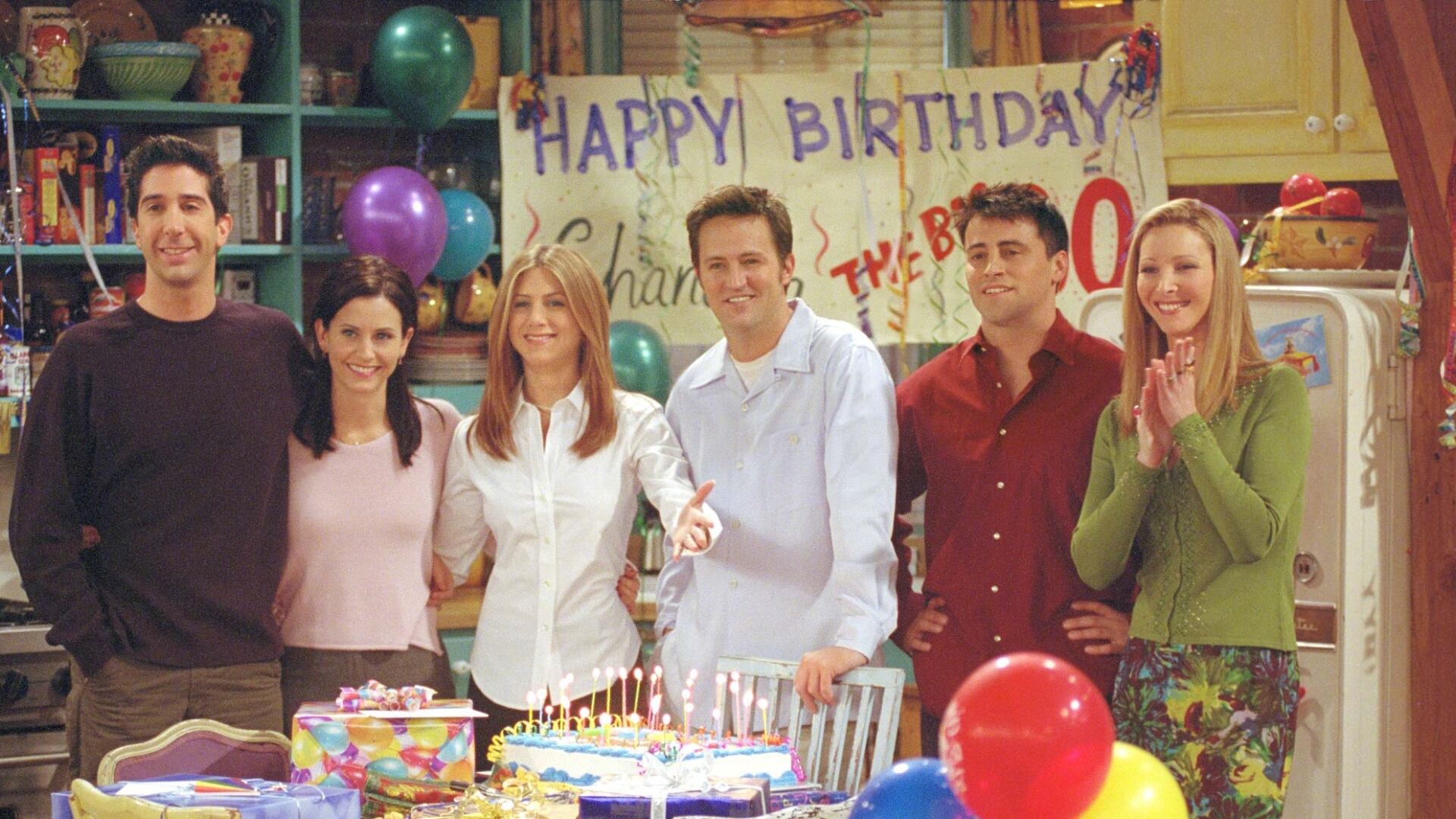
The Chinese government brought the sitcom "Friends" back to its streaming services. However, it had instances of LGBTQ+ references left out, after the series had been banned on Chinese streaming platforms for years.
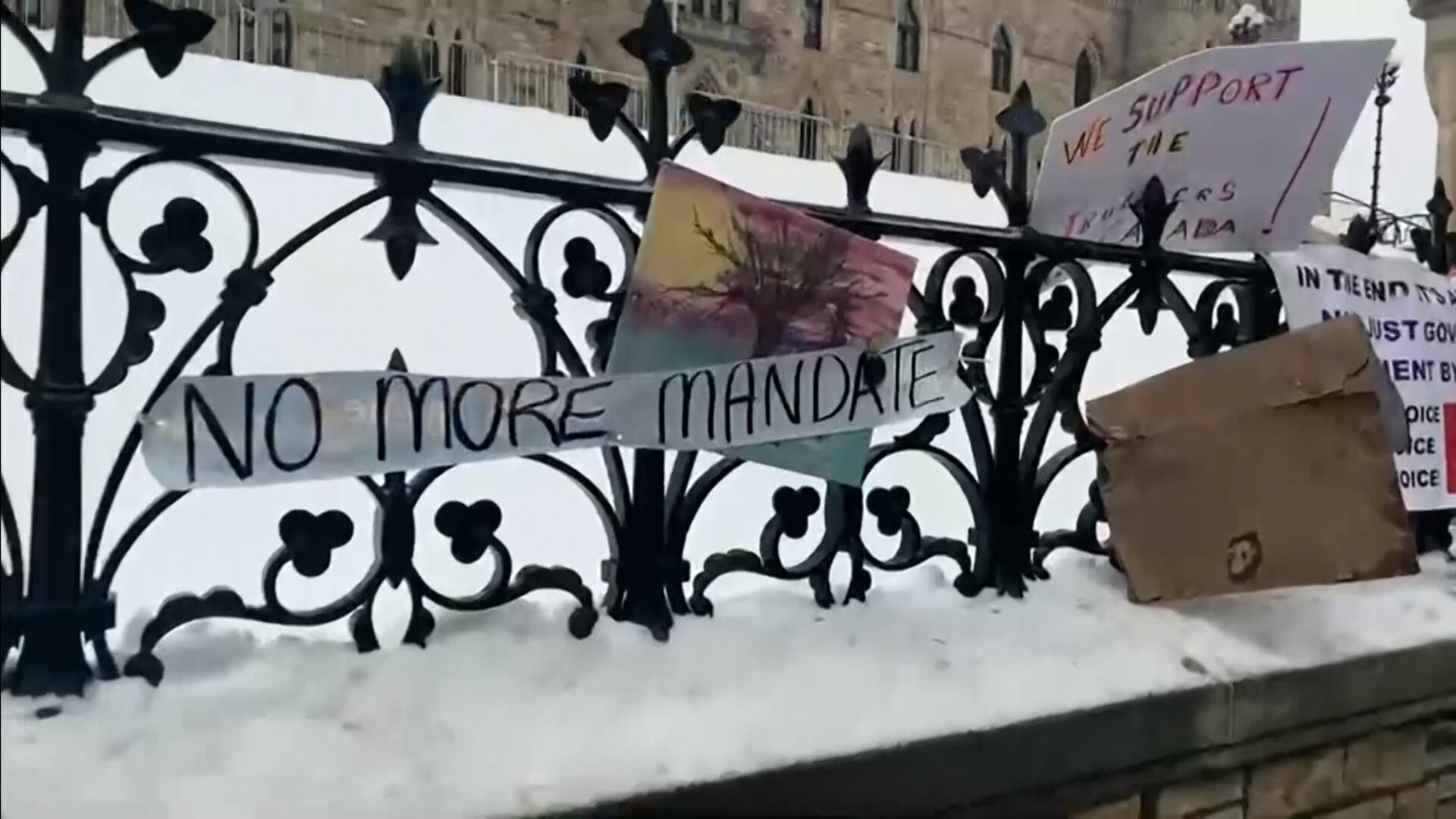
Prime Minister Justin Trudeau declared a national public order emergency as a 'last resort' to restore order after protests have significantly disrupted daily life and impacted the local economy since the protests began. It is the first time in 50 years a Canadian government has taken this type of action. Myah Ward, breaking news reporter at Politico, joins Cheddar News to discuss.
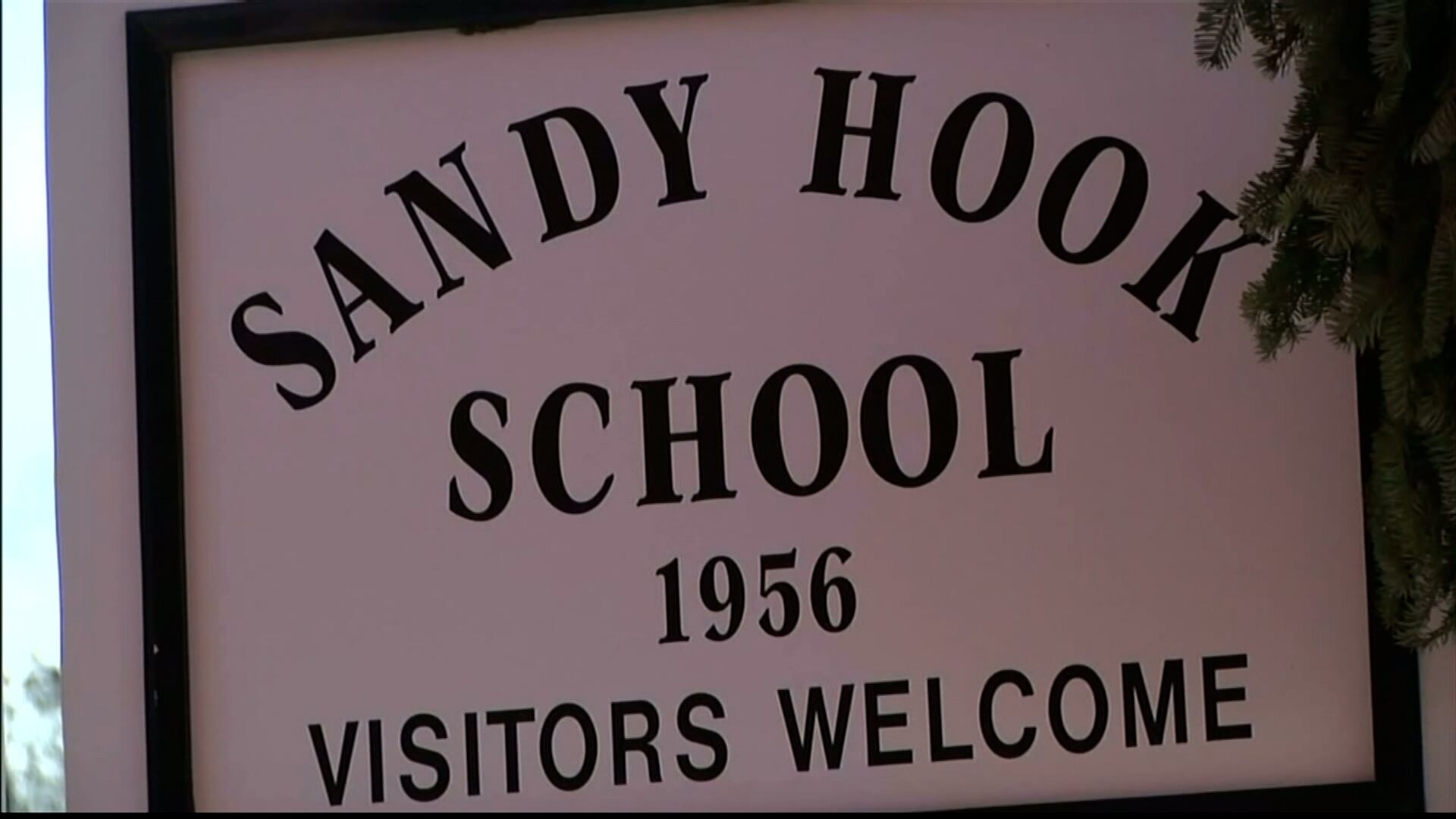
Almost a decade after facing a parent's worst nightmare, the families of the young students killed in the Sandy Hook School shooting reached a settlement with gun manufacturer Remington, makers of the Bushmaster AR-15 used in the crime. David Pucino, deputy chief counsel, Giffords Law Center to Prevent Gun Violence joined Cheddar News to discuss the families' case and how its strategy brought about the legal settlement. "They built a really great case showing the way that Bushmaster developed its advertising to drive sales using those toxic messages.
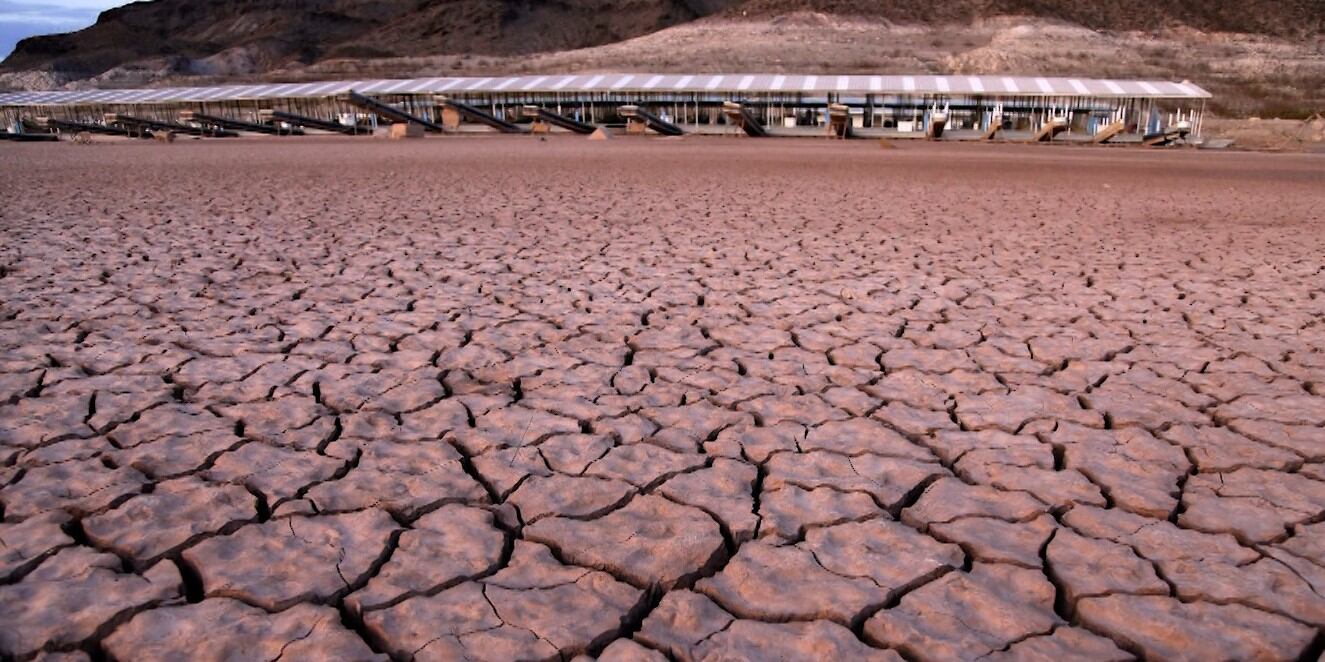
A new analysis reveals that for more than two decades, the West has been the driest it has ever been since 800 A.D. The drought which began in 2000 has brought more devastating wildfires and draining water reserves well below healthy levels. Climate Scientists and Adjunct Associate Research Scientist at Lamont Doherty Earth Observatory at Columbia University,Benjamin Cook, joined Cheddar to discuss more.