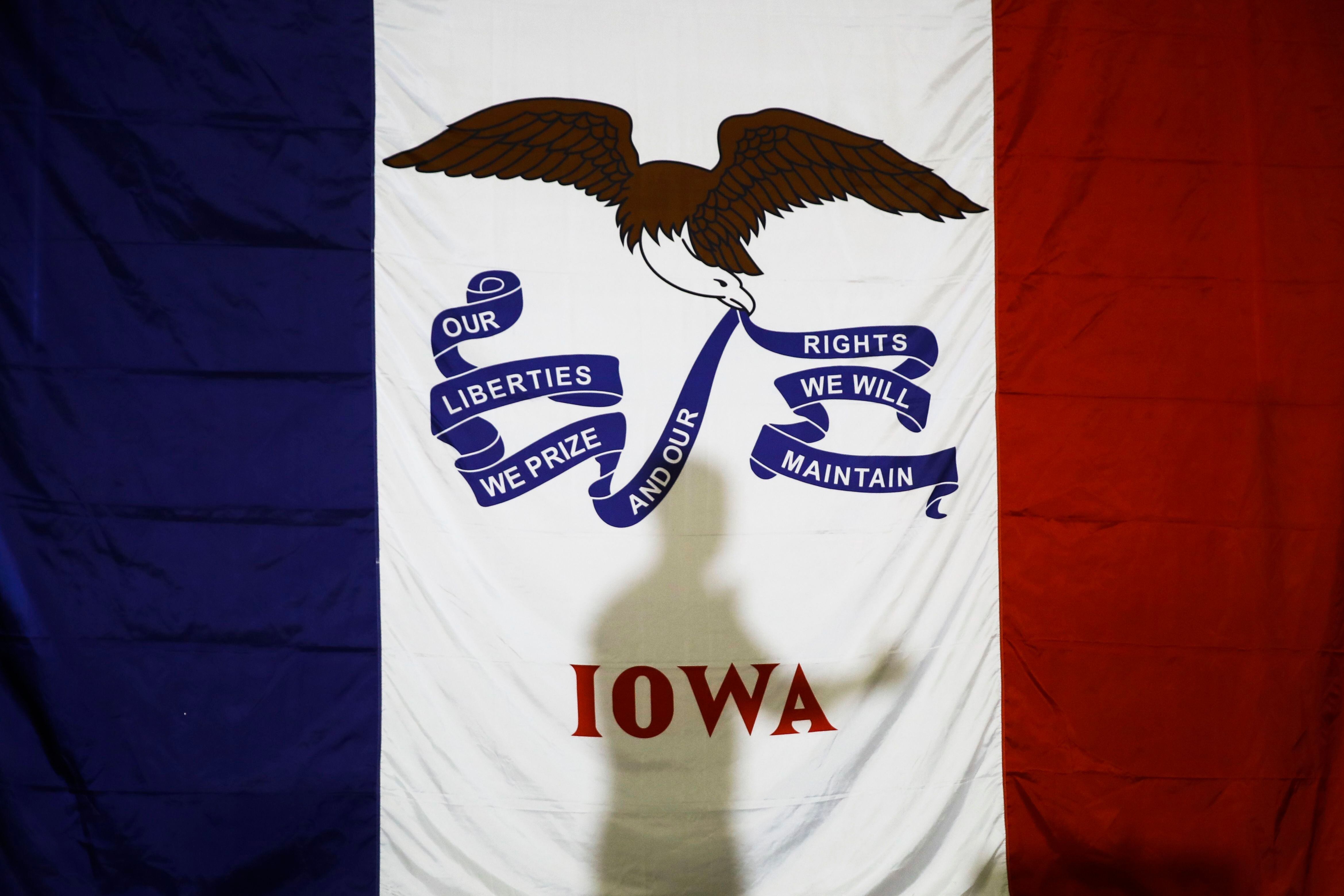
The race for 2020 is gaining speed today as the first votes are cast in Iowa, the first test of political strength, for the Democratic nominee for the presidency. Since the 1970s, Iowa has been the home of the first caucus.
Iowa voters take their pick seriously, as winners often gain momentum from the early voting. This year, with so many Democratic contenders still in the running and Bloomberg, a growing contender who bypassing early voting states entirely, there’s still a lot up in the air, meaning there’s a chance Iowans may not pick the candidate who will ultimately win the nomination at the convention. Caucus-goers have picked seven out of the last 11 Democratic presidential nominees but only four out of the last 11 GOP presidential nominees.
Here are five times the Iowa caucus results did not pick the eventual party nominees.
1988 Republicans
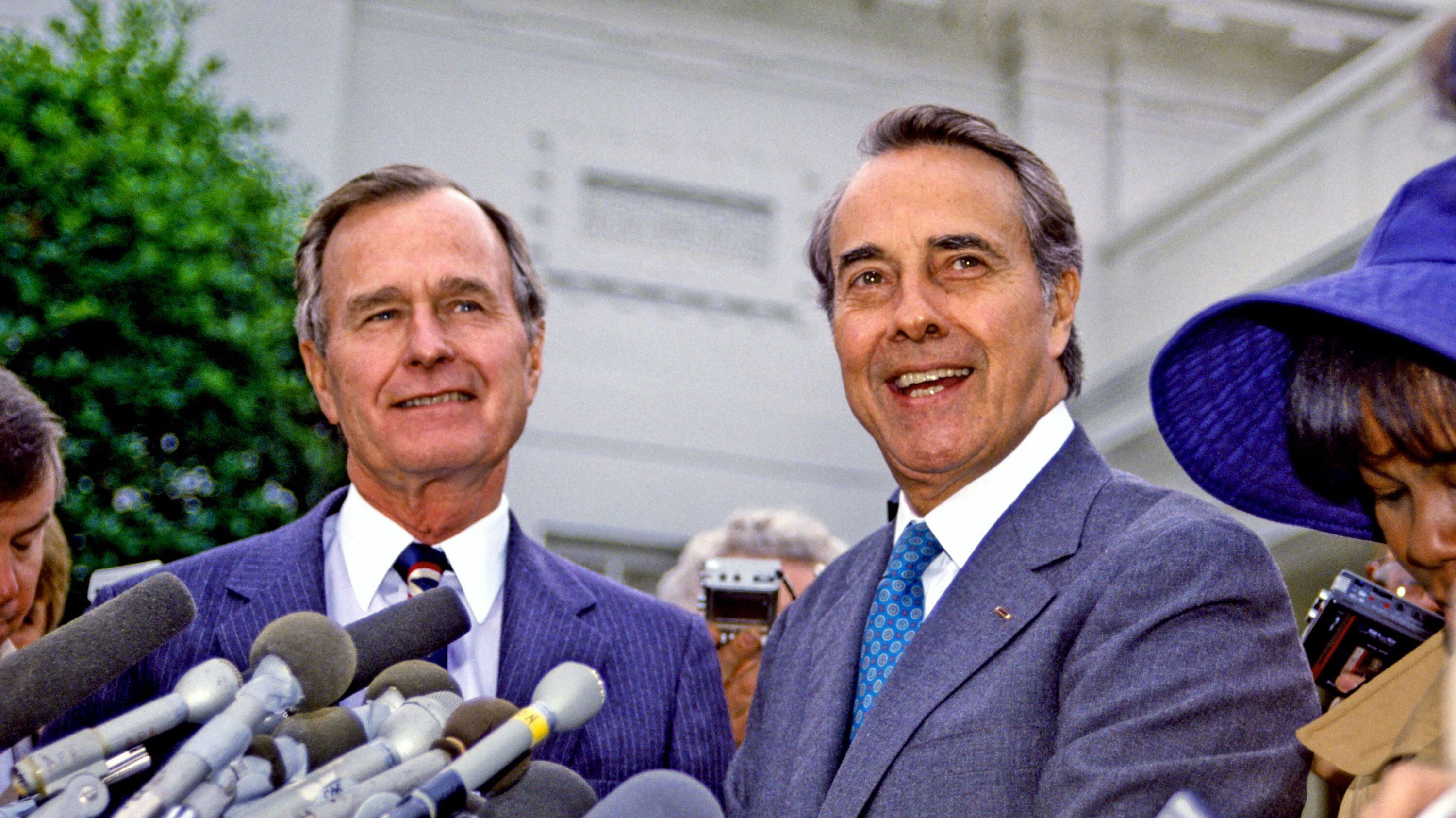
George H.W. Bush, who went on to claim the Republican nomination and the presidency in 1988 came in third in Iowa, after Bob Dole and Pat Robertson. Bush was the vice president at the time.
<i>President-elect George H.W. Bush and Senate Republican Leader Bob Dole meet reporters at the White House, Nov. 28, 1988. / Photo Credit: Shutterstock</i>
1992 Democrats
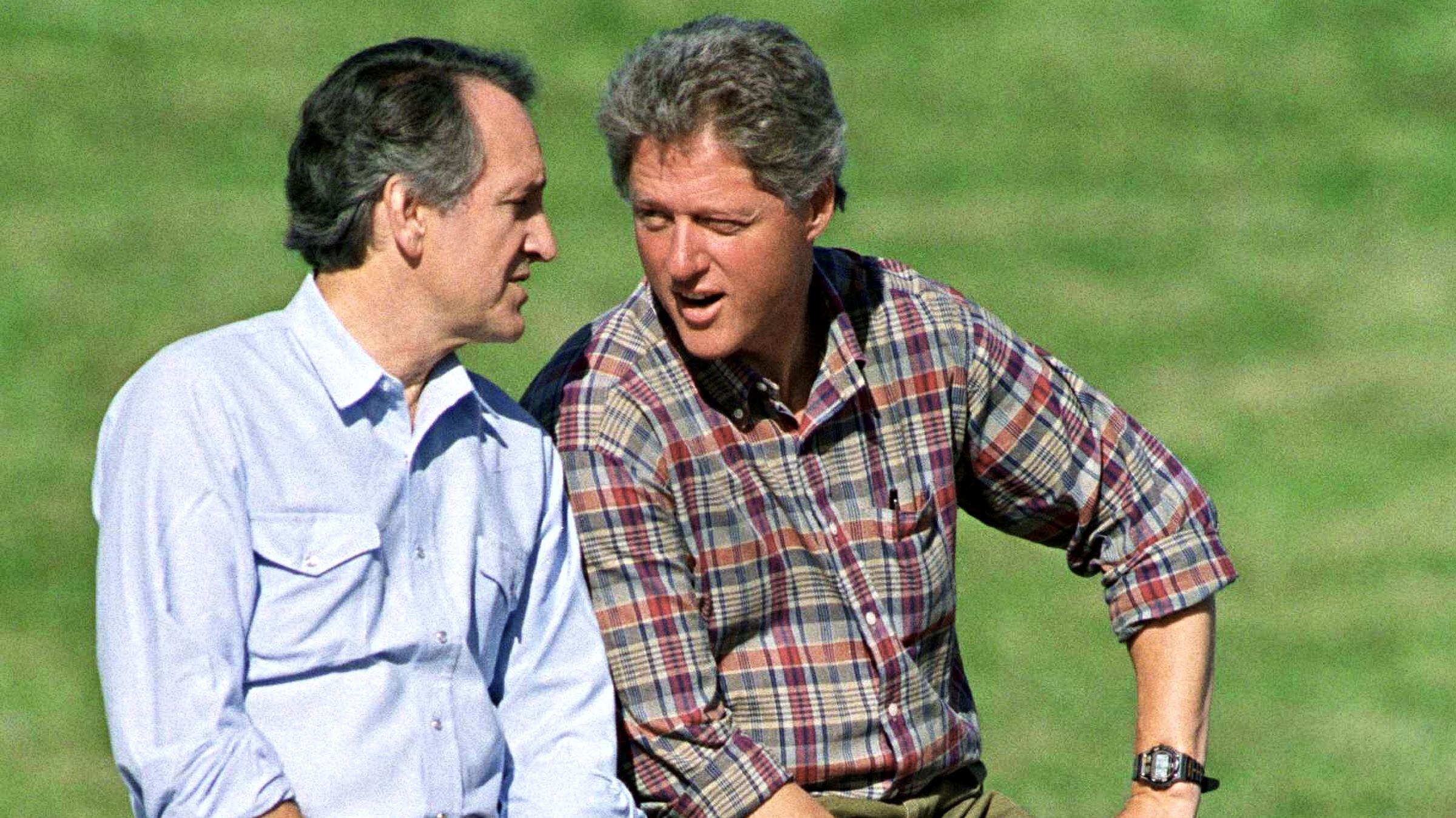
The last time Iowa got it wrong for Democrats was 1992, when Bill Clinton, the eventual nominee and president, only claimed 2.8 percent of the vote and came in fourth place. That year, the Iowa Senator Tom Harkin was running for president and claimed more than 75 percent of the caucus vote.
<i>Iowa Senator Tom Harkin talks with Democratic presidential candidate Bill Clinton at a party fund-raiser in Indianola, Iowa, Sept. 27, 1992. / Photo Credit: Charlie Neibergall/AP/Shutterstock</i>
2008 Republicans
When Barack Obama entered the national political scene, he won the Democratic caucus in 2008 and went on to win the presidency. But Mike Huckabee, former Arkansas governor, won the Republican caucus in Iowa. He would not go on to win the nomination. Senator John McCain, the eventual Republican nominee had come in fourth place in Iowa with 13.1 percent of the caucus vote. The previous time McCain was up for the nomination, in 2000, he nabbed only 4.7 percent of the caucus vote and came in fifth place. Eventual nominee and winner of the presidency George W. Bush came in first that year in Iowa, and businessman Steve Forbes came in second.
2012 Republican
In 2012, Rick Santorum squeaked by with a victory by just a tenth of a percent in the Iowa Caucus, though the Republican party had initially called it for Senator Mitt Romney (R-Utah) who later went on to nab the nomination and run against President Barack Obama.
2016 Republican
Today’s president, Donald Trump, did not win the Republican caucus in 2016. Senator Ted Cruz (R-Texas) won 27.6 percent of the vote compared to Donald Trump who carried 24.3 percent.
This story was updated February 3 to clarify the number of times Iowa Democrats and Republicans have selected the candidate who ultimately became their party's candidate.
As the US braces for the what's the follow after the end of the Title 43 pandemic-related restrictions, experts discuss the ramifications with Cheddar News.
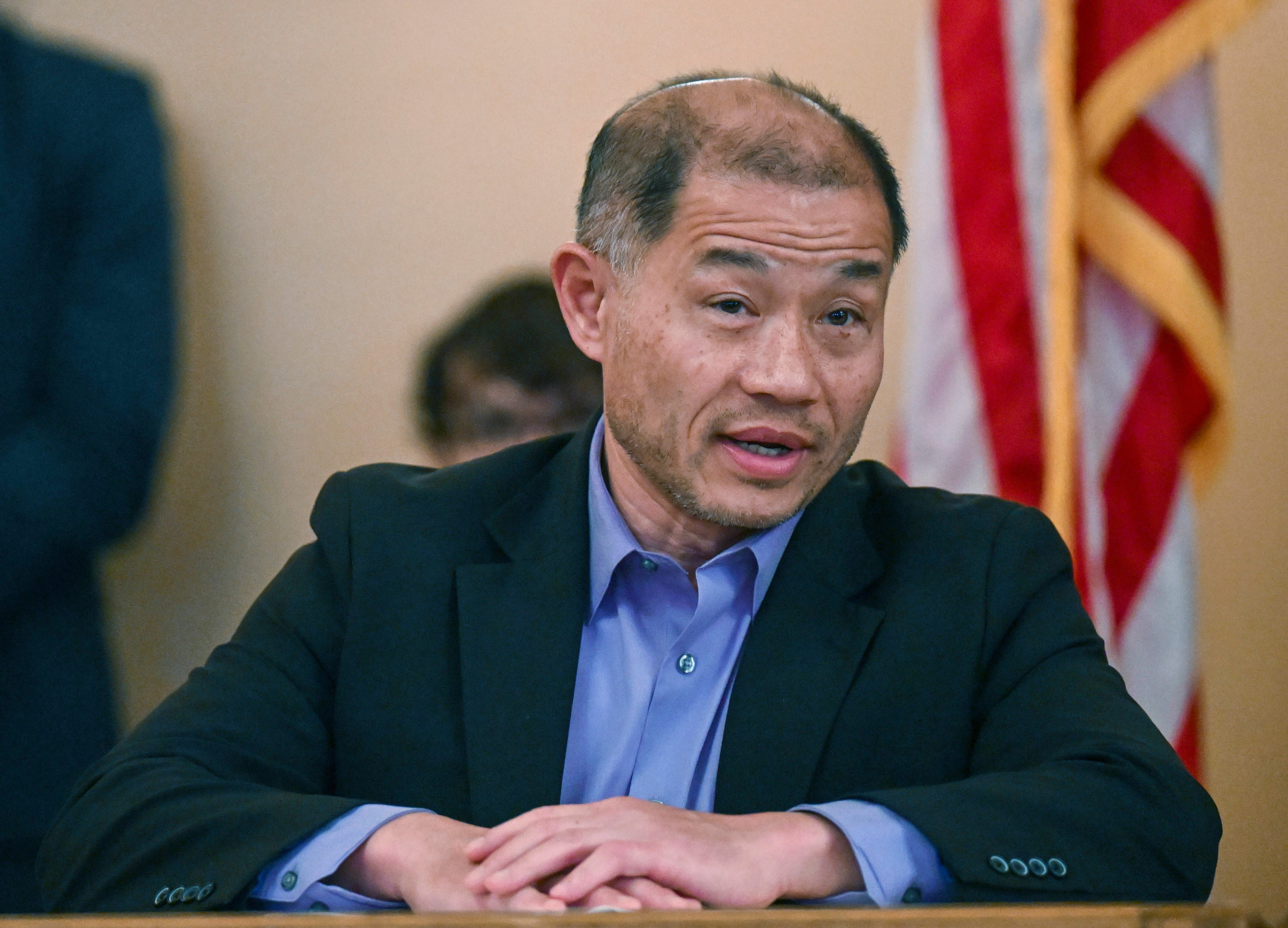
New York State Senator John Liu spoke with Cheddar News about Asian-American representation in politics, his bill to make Asian-American history mandatory in schools, and the ongoing hate crimes against his community. State Sen. Liu also discussed the debate over student loan forgiveness and gave his take on artificial intelligence in education.
The Senate Banking Committee held a hearing Thursday on the cannabis bill the Secure and Fair Enforcement (SAFE) Banking — a first step toward what advocates hope will be a full vote on the Senate Floor.
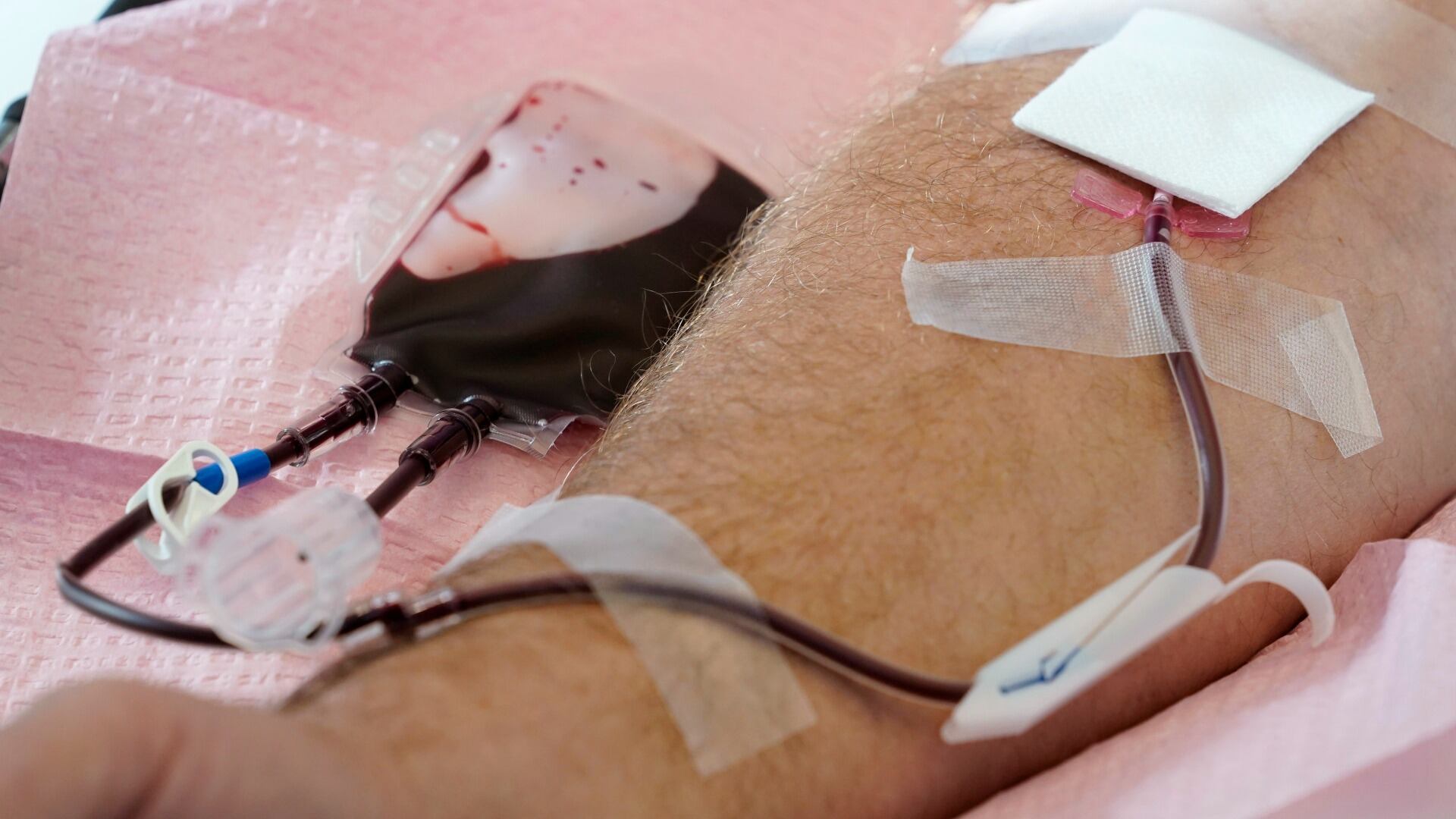
New blood donations rules will allow sexually active gay and bisexual men in monogamous relationships to give in the FDA guidelines ease decades-old restrictions put in place to protect the blood supply from HIV.
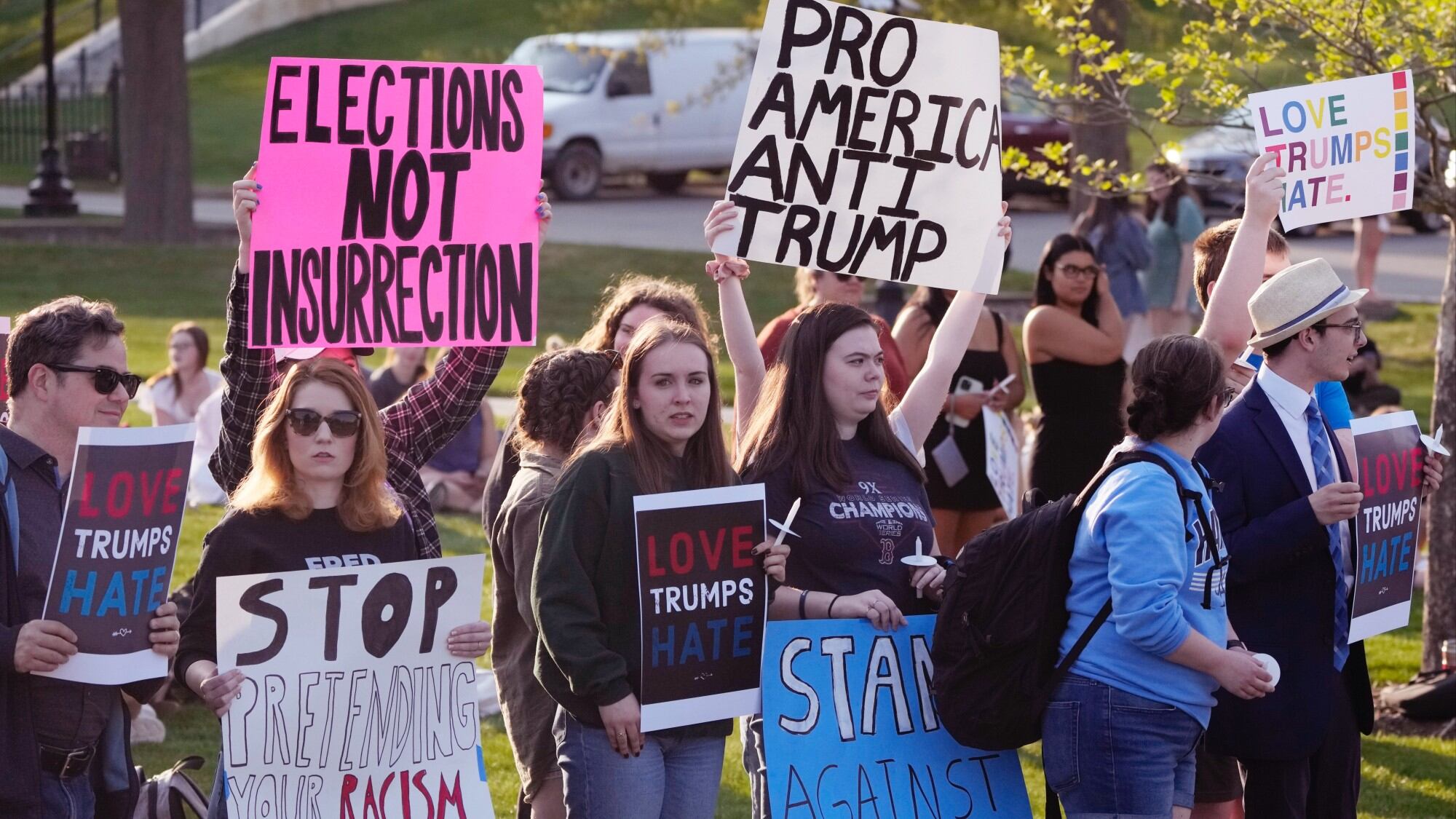
During a contentious CNN town hall Wednesday night, former President Donald Trump dug in on his lies about the 2020 election, downplayed the violence on Jan. 6, 2021, and repeatedly insulted the woman whom a civil jury this week found him liable of sexually abusing and defaming.
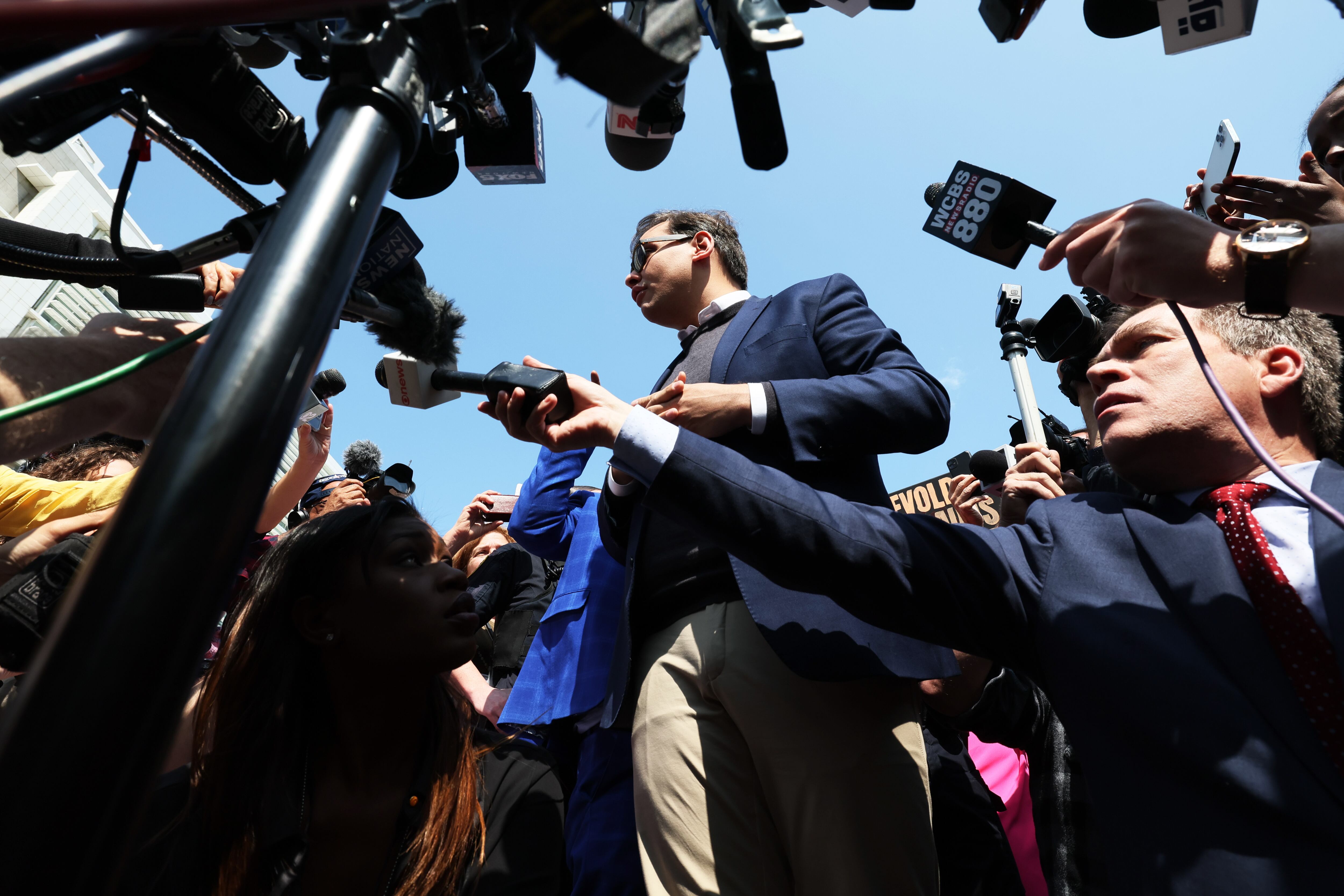
Criminal defense attorney Tamara Holder joined Cheddar News to break down the charges that New York Republican Congressman George Santos is facing. "When the feds come after you -- and this is for anyone, a politician or not -- they generally have already built their case before they indict you," Holder said, regarding the timeline of Rep. Santos' arrest.
Officials in Missouri's largest city are moving to declare it a sanctuary for people seeking or providing gender-affirming care, defying state officials who are intent on banning it for minors and restricting it for adults.
The Biden administration on Thursday will begin denying asylum to migrants who arrive at the U.S.-Mexico border without first applying online or seeking protection in a country they passed through.
Federal health advisers said Wednesday that a decades-old birth control pill should be sold without a prescription, paving the way for a likely U.S. approval of the first over-the-counter contraceptive medication.