Later this year, Jaguar will provide Waymo with its first I-Pace electric vehicle. It will then be fitted with self-driving tech and begin testing, says Dave Larsen, Jaguar's U.S. Product Planning Manager. The two companies hope to roll out about 20,000 autonomous vehicles by 2020.
For the full interview, [click here](https://cheddar.com/videos/jaguar-talks-new-waymo-collaboration-at-new-york-auto-show).
Hertz is teaming up with UFODRIVE, a self service electric vehicle rental company, as part of its commitment to lead the future of mobility. Based in Europe, UFODRIVE is the first all-digital all-electric car rental service controlled from an app. Jayesh Patel, senior VP of corporate strategy at Hertz, joined Cheddar's Opening Bell to discuss the partnership and how it will propel the transition to electric vehicles.
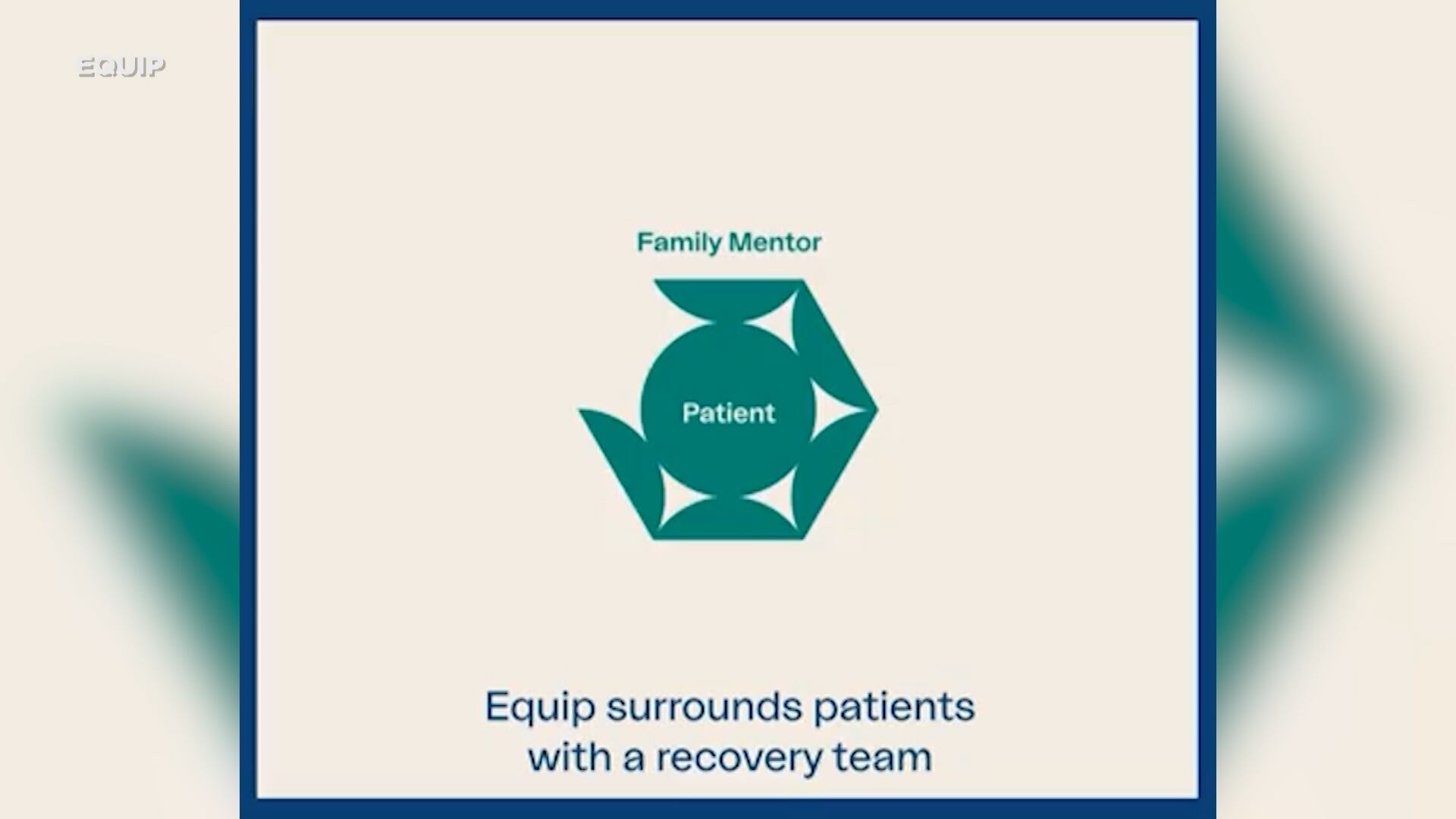
Equip is a virtual treatment platform for eating disorders, and recently raised $58 million in a Series B round led by The Chernin Group. The company aims to revolutionize treatment for eating disorders by delivering virtual care teams and clinical expertise directly to families' homes. Equip says the need for its platform has only been exacerbated by the COVID-19 pandemic. The National Eating Disorder Association's helpline has had a 107% increase in contacts since the start of the pandemic. Kristina Saffran, CEO and co-founder of Equip, joins Cheddar News' Closing Bell to discuss.
Roku shares dropped during Friday's session after the streaming company reported Q4 revenue on Thursday that missed expectations, and disappointing guidance for the Q1 of 2022. Tuna Amobi, director and senior analyst at CFRA Research, joins Cheddar News' Closing Bell to discuss what it means for investors and the company's future.
Karim Hijazi, CEO of Prevailion, joins Cheddar News' Closing Bell, where he says that crypto's decentralized nature will pose obstacles for the FBI's new crypto unit, but it will also make progress with items such as managing fraudulent exchanges.
In 2021, Americans reported losses from so-called romance scams hit an all-time high of $547 million, or six times the total losses in 2017, according to the FTC.