Firefly CEO Says Smart Screen Tech Will Boost Pay for Ridesharing Drivers, Provide Data to Cities
*By Tracey Cheek*
Firefly is a car-top digital smart screen that benefits ridesharing drivers by giving them a new source of income ー and helps their home cities by providing them with new streams of data, the company's CEO told Cheddar.
"We placed digital smart screens on top of taxi and rideshare cars, and thereby we serve location and time-targeted outdoor advertisements, at the same time our smart screen generates a lot of smart screen data which we share back with municipalities and cities," said Firefly's Co-Founder and CEO Kaan Gunay.
Firefly, which launched in December with $21.5 million in funding, has a list of around 8,000 drivers waiting to get on its platform, and only works with full-time drivers. The service is currently only in California, but will be launching in New York soon.
"When you do work with Firefly you can make 15 to 20 percent extra income without having to do anything different," Gunay said. "You drive same amount of time, you drive the same amount of hours."
Investors look at Firefly as a smart city data company and also an out-of-home play, according to its CEO. Along with helping ridesharing drivers boost their pay, the technology helps meet cities' growing need for data. The company launched around the time of the California wildfires, which provided an immediate use case for its technology.
"Initially we ended up launching with pollution information," explained Gunay. "Because our cars on every single street, pretty much on any given moment, we were able to provide real time information of air quality to the Coalition of Clean Air in California."
He said the company is also developing technology to help identify the location of potholes that can also be fed back to municipalities.
The tech start-up has a strict ad policy, so don't expect to be seeing cannabis, tobacco, or strip club ads on these taxis.
"We have a very community-first mentality," said Gunay. "When we're serving alcohol ads, for instance, we're geofencing off schools so that children won't get exposed to that."
For full interview [click here](https://cheddar.com/videos/tech-startup-firefly-adds-smart-screens-to-ridesharing).
While the U.S. may slowly be on the path to lowering inflation (and therefore interest rates), Europe has thoroughly trounced America, putting it on the path to lower rates by this summer.
April's release of the monthly Housing Starts and Building Permits reports by the Census Bureau provides crucial insights into the construction activity in the housing market. These reports are an economic indicator, shedding light on the current state of the housing market and its broader economic impact.
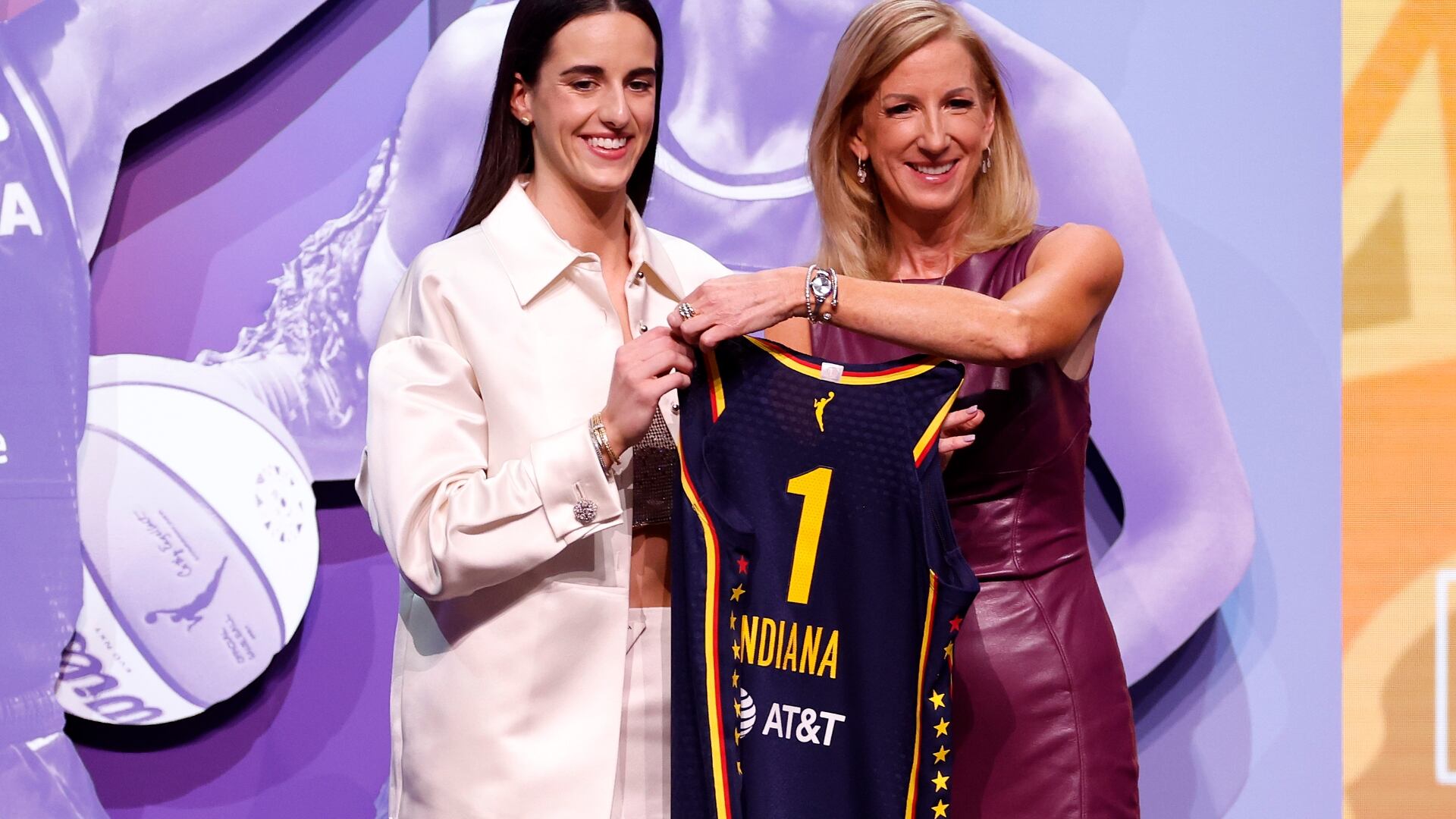
Caitlin Clark is heading to the Indiana Fever, the number one draft pick and the highest-scoring college basketball player of all time. And while she may not be getting millions from the WNBA, there's a few ways she'll net compensation for her generational talents.
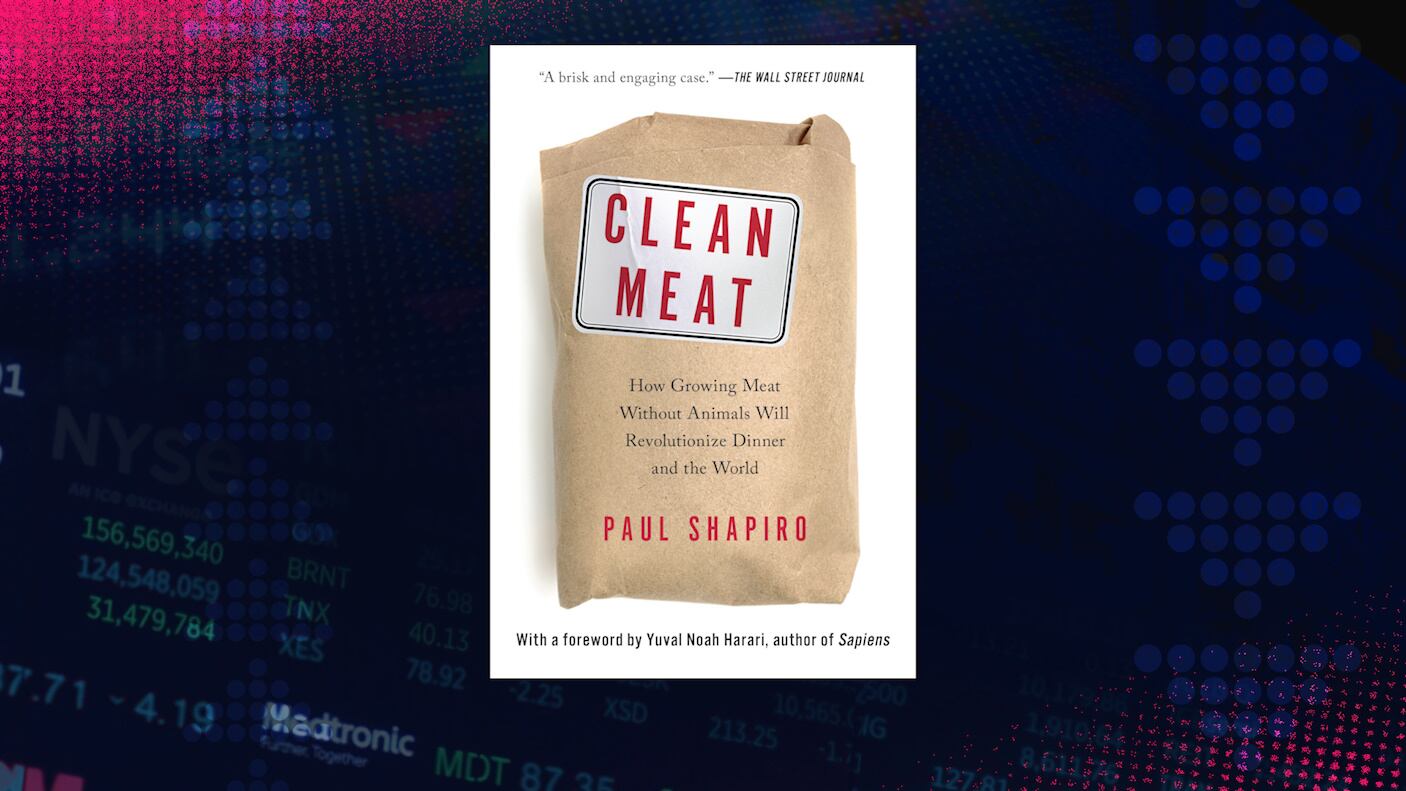
Author of 'Clean Meat,' Paul Shapiro joins Cheddar to discuss how the cellular agricultural revolution helps lower rates of foodborne illness and greatly improves environmental sustainability. Plus, how his company The Better Meat Co. is bringing healthier food options to the table.
Recent headlines might make it sound like World War III is imminent, but when it comes to your finances, it's not the time to panic. The market is coming off its longest winning streak since 2011.
You may have noticed fewer new venture capital-backed startups (like Airbnb or Uber) lately. The market slowed to a crawl after 2021, but things are expected to take off again in 2025.
Corporate earnings season is underway, that time when companies share their billions in sales or double-digit profits. But the data shows even companies are struggling with high inflation and interest rates.
Boeing continues their terrifying trend of having their planes fall apart mid-flight, inflation — checks notes — is still up and the future of AI looks terrifying. Cheery!
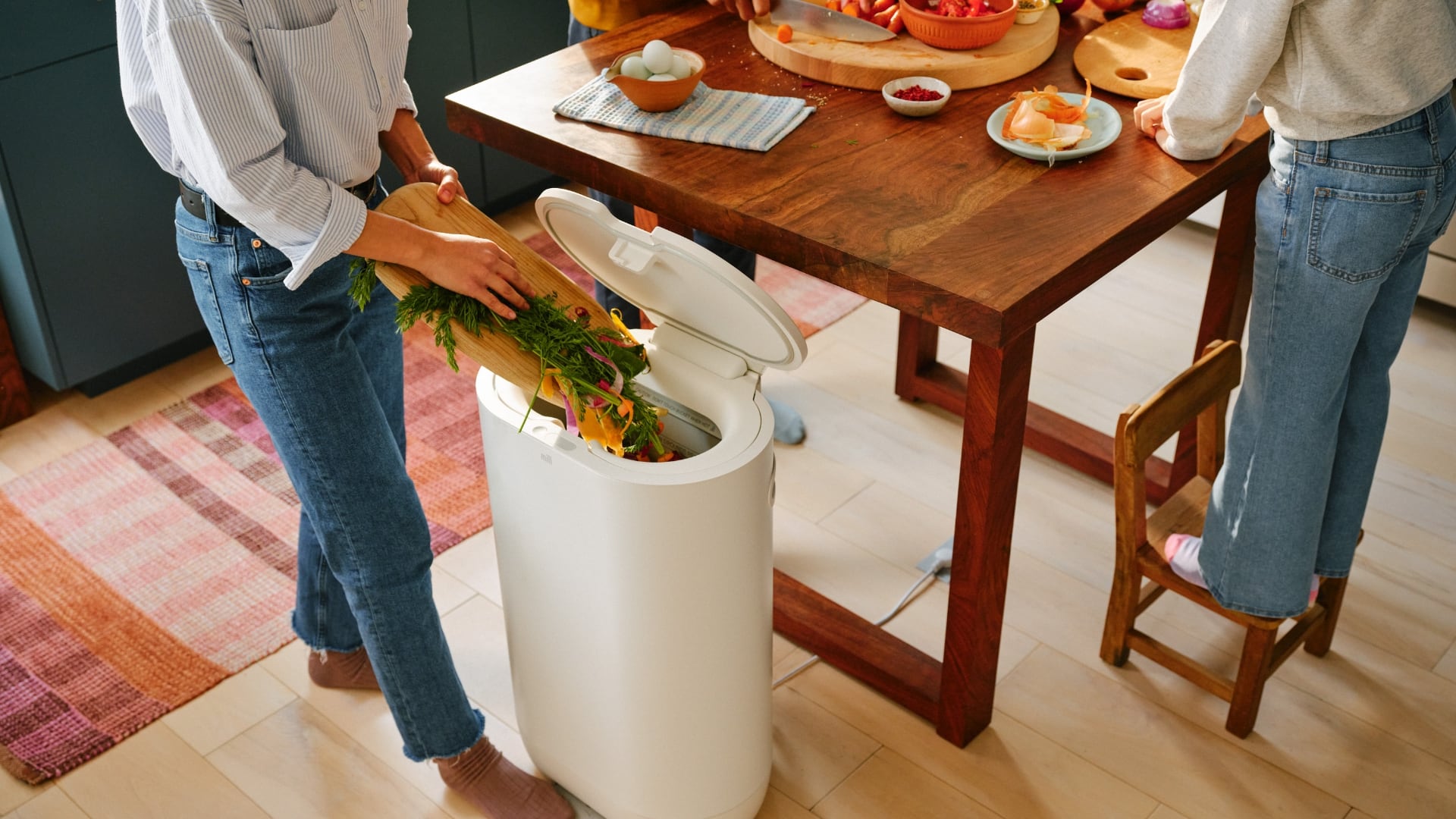
Food waste – uneaten scraps or leftovers sent to landfills – is responsible for 10% of global emissions. Mill, a new product from the co-founder of Nest, thinks technology can play a role in eliminating it.
By the time the 2024 election is over, be prepared to see some form of a recession – but this shouldn’t be as bad as what we experienced in 2020 or 2008.