Fintech Start-Up Plaid Snaps Up Rival Quovo to Help Expand into Brokerage Sector
*By Tanaya Macheel*
Plaid, the company that connects consumer bank accounts to fintech apps like Venmo, Coinbase or Robinhood, is acquiring competitor Quovo, according to a Tuesday morning blog post by the Plaid founders.
Data aggregators have existed in financial services for decades, but Plaid and Quovo ー the newest kids on the block ー have been especially popular among digitally native and more consumer-centric companies. They’re both data aggregators and providers of application programming interfaces, or APIs ー the connective tissue of financial services that allow banks and fintech companies to connect and share data more easily and securely. Big players that came before them, like Yodlee, have been known to sell user data to hedge funds; Plaid and Quovo have said they do not.
The agreement stands to give Plaid a stronger foothold in the investment and brokerage sector, founders Zach Perret and William Hockey said in their post.
"Financial applications have historically used Plaid primarily to interact with checking and savings accounts. In acquiring Quovo, we are extending our capabilities to a wider class of assets," they said. "Quovo has built the leading platform for investment and brokerage aggregation."
Plaid, which launched in 2013, has been successful in partnerships with companies looking to integrate with bank data, such as checking and credit card account information. Its best known customers include Venmo, Coinbase, and Robinhood, as well as legacy financial institutions like Chase, Citi, and Amex. Plaid supports more than 9,600 U.S. financial institutions.
Quovo, which counts Betterment, Wealthfront, and SoFi as well as legacy firms Stifel, Vanguard, and John Hancock as customers, has been the platform of choice for companies that want to access and integrate consumers' brokerage data.
Plaid raised $250 million in December at a $2.7 billion valuation, bringing its total funding to date to $310 million. At the time the company said it would use the financing to expand its presence in New York, Salt Lake City, as well as its home base of San Francisco.
After the 2021 boom, IPO activity slowed down significantly, in part due to monetary policy – but things are getting moving again with tech-friendly companies like Iboutta and Rubrik making a public debut.
With an increasing demand for mental health services, one person wanted to change the therapy game. In 2017, CEO Alex Katz founded Two Chairs, a company that uses technology to match patients with the right therapist.
Not only is April Financial Literacy Month, it’s also the kickoff of the spring homebuying season. So now is the time to make sure you have a financial plan in place – and why it might not be wise for that to include buying your first home.
While the U.S. may slowly be on the path to lowering inflation (and therefore interest rates), Europe has thoroughly trounced America, putting it on the path to lower rates by this summer.
April's release of the monthly Housing Starts and Building Permits reports by the Census Bureau provides crucial insights into the construction activity in the housing market. These reports are an economic indicator, shedding light on the current state of the housing market and its broader economic impact.
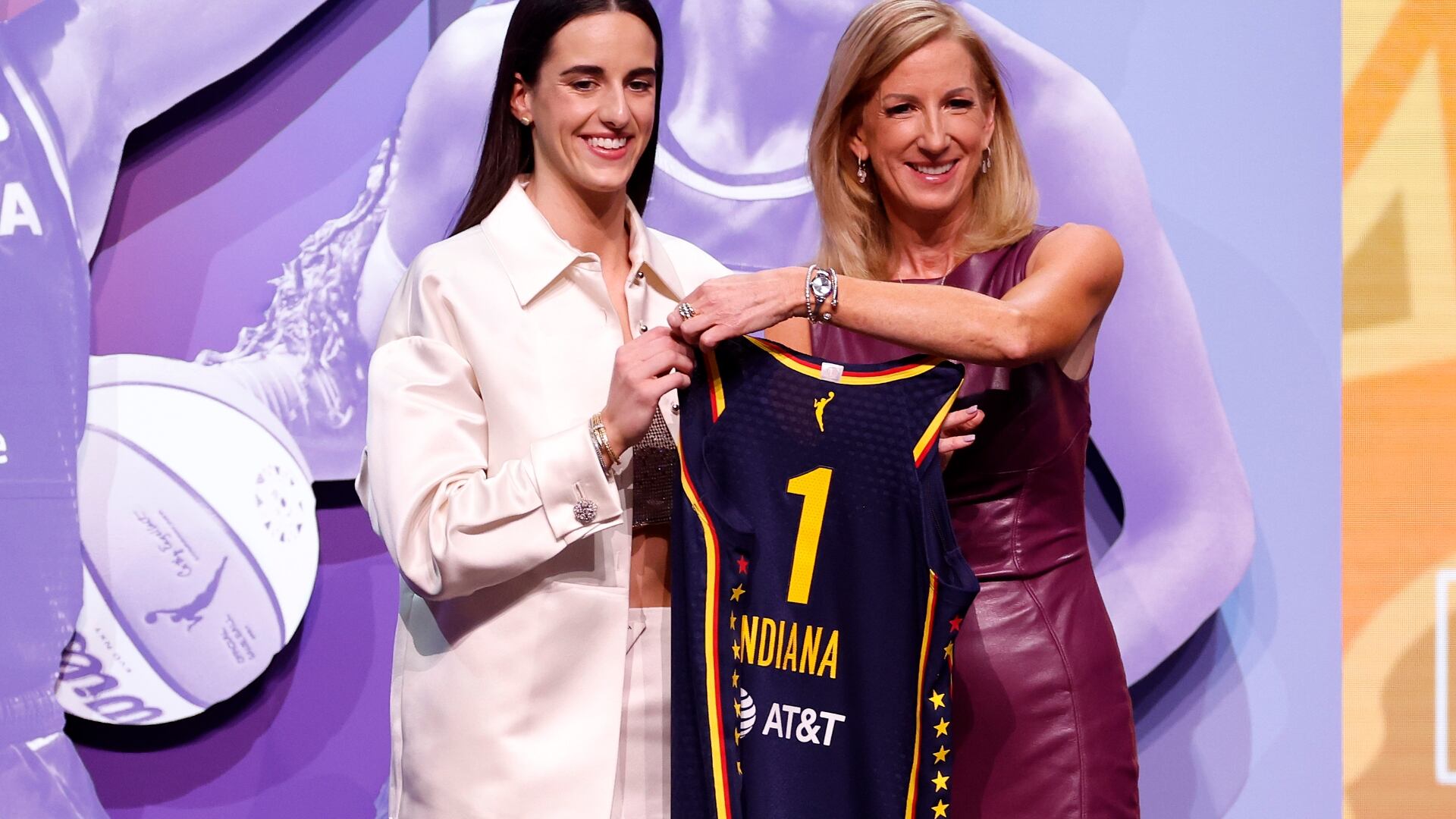
Caitlin Clark is heading to the Indiana Fever, the number one draft pick and the highest-scoring college basketball player of all time. And while she may not be getting millions from the WNBA, there's a few ways she'll net compensation for her generational talents.
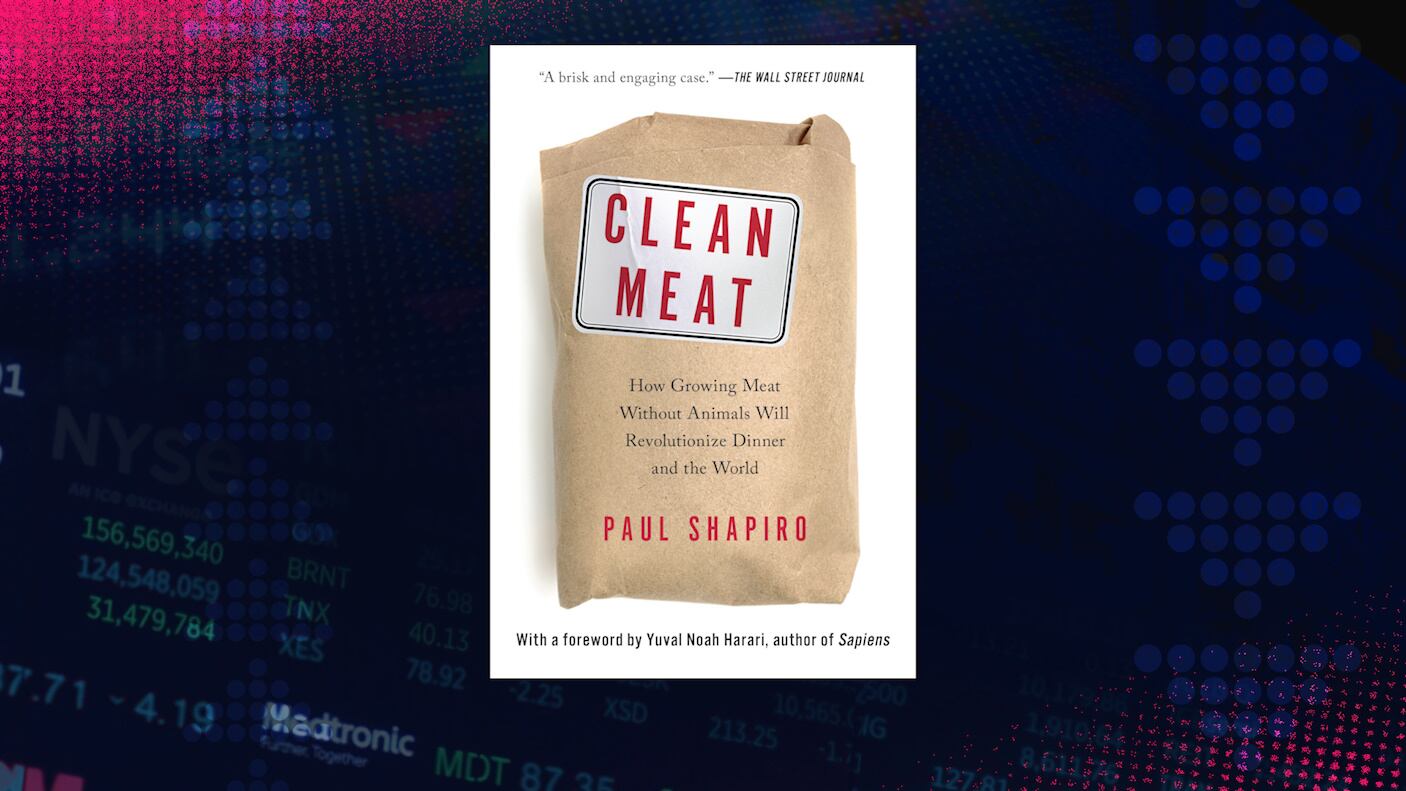
Author of 'Clean Meat,' Paul Shapiro joins Cheddar to discuss how the cellular agricultural revolution helps lower rates of foodborne illness and greatly improves environmental sustainability. Plus, how his company The Better Meat Co. is bringing healthier food options to the table.
Recent headlines might make it sound like World War III is imminent, but when it comes to your finances, it's not the time to panic. The market is coming off its longest winning streak since 2011.