Microsoft recently announced a new $50 million commitment to fight climate change with the power of artificial intelligence. They'll put these funds to work in its "A.I. for Earth" program, which uses artificial intelligence technology to drive sustainability around the globe. Lucas Joppa, Chief Environmental Scientist at Microsoft, joined us from Paris, France to discuss how Microsoft will put the new funds to work.
Microsoft is using the funds to increase seed grants provided to those working on climate and environmental issues. Joppa says the grants will give these groups access to the latest cloud and A.I. technology. The focus of Microsoft's "A.I. for Earth"program is to improve efficient generation and reduce energy consumption. The availability of new tech will help to accomplish these goals.
One of the key focuses for Microsoft is the future of water. In the next 20 years, demand for fresh water is predicted to outpace supply. The company is using A.I. to clean up and make more efficient use of our oceans in order to help conserve and protect the resource.
Nicola Mendelsohn, vice president of the global business group at the newly-christened Meta, joined Cheddar to discuss what went into the re-branding of Facebook's parent company. Regarding criticism that the name change might be a way for the company to deflect from news of its role in allegedly undermining child safety, growing political strife, and spreading vaccine disinformation, she noted that the process began even earlier. "Something like this takes a long time to pull together," Mendelsohn said.
Proptech startup Juno recently raised $20 million in a Series A funding round. The company says the funds will be used to further its mission of building sustainable and affordable apartment buildings across the United States. Juno Co-Founder and CEO Jonathan Sherr joined Cheddar News' Closing Bell to discuss.
The CEO at Activision Blizzard Bobby Kotick apologized to employees after the company had been rocked by the public airing of sexual harassment claims that went unchecked. Kotick also asked that his compensation of more than $150 million be slashed to just over $62,000.
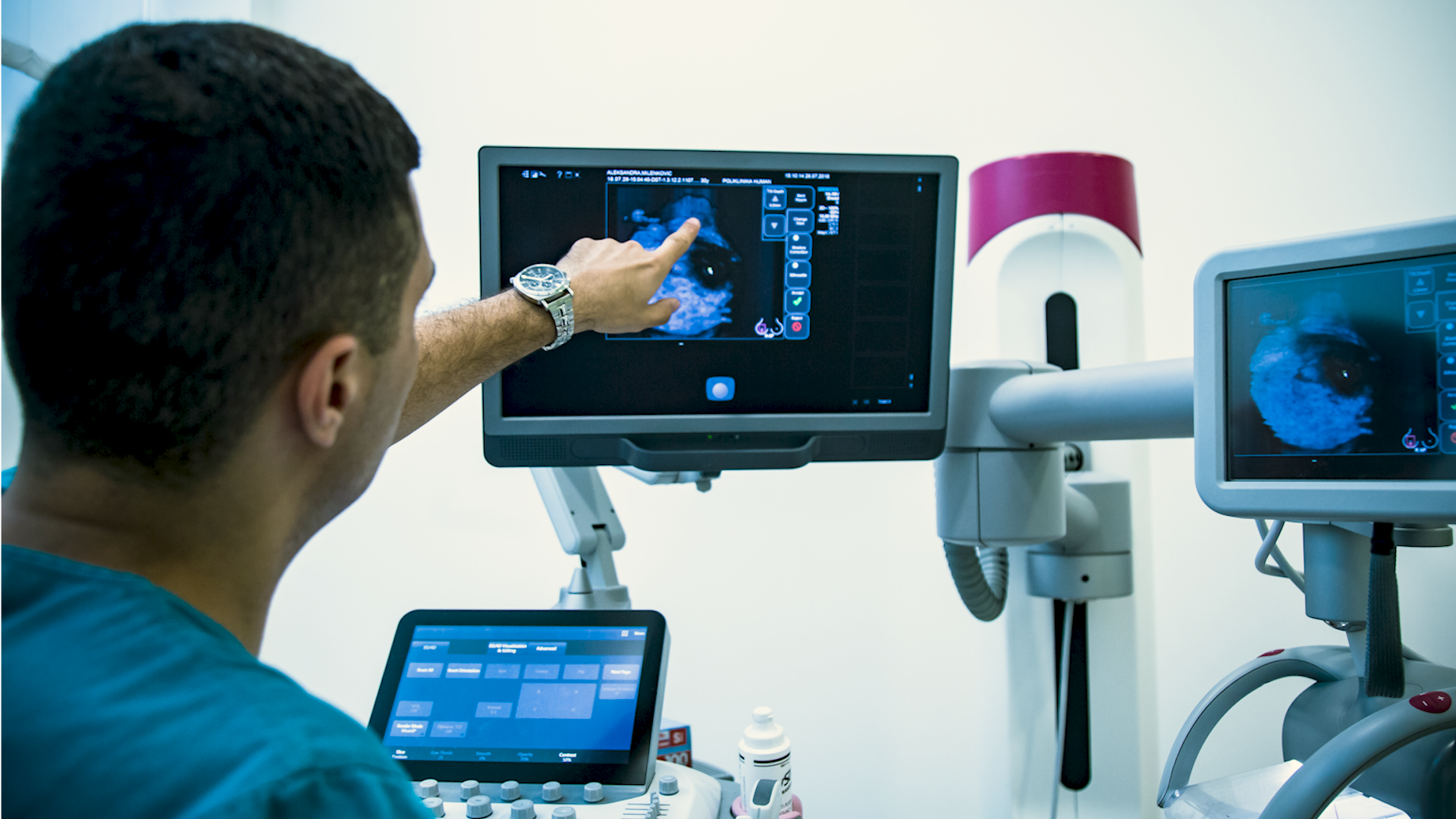
Stacey Stevens, President of iCAD, joins 'Cheddar Innovates' to discuss how 'Profound A.I. Risk' works as a short-term breast cancer risk estimation for women.
On this episode of 'Cheddar Innovates': President of iCAD breaks down how its technology is being used as a short-term breast cancer risk estimation for women; A look at Curiosity Stream's 'The Science of Thrills.'