Microsoft recently announced a new $50 million commitment to fight climate change with the power of artificial intelligence. They'll put these funds to work in its "A.I. for Earth" program, which uses artificial intelligence technology to drive sustainability around the globe. Lucas Joppa, Chief Environmental Scientist at Microsoft, joined us from Paris, France to discuss how Microsoft will put the new funds to work.
Microsoft is using the funds to increase seed grants provided to those working on climate and environmental issues. Joppa says the grants will give these groups access to the latest cloud and A.I. technology. The focus of Microsoft's "A.I. for Earth"program is to improve efficient generation and reduce energy consumption. The availability of new tech will help to accomplish these goals.
One of the key focuses for Microsoft is the future of water. In the next 20 years, demand for fresh water is predicted to outpace supply. The company is using A.I. to clean up and make more efficient use of our oceans in order to help conserve and protect the resource.
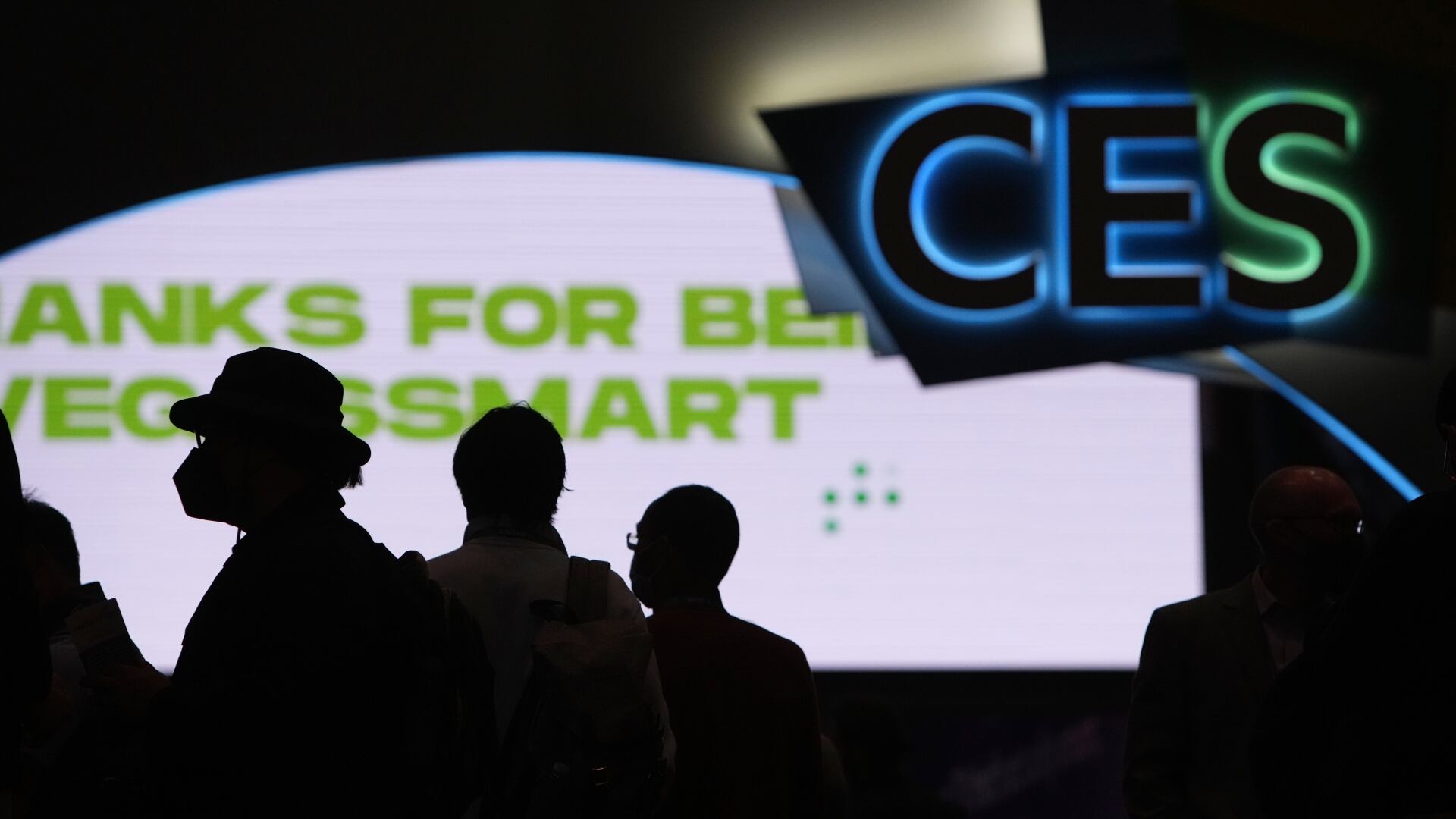
CES, the world’s largest annual tech trade show kicked off in Las Vegas on Wednesday. Cheddar News speaks with Ian Sherr, editor at large for CNET, about this year’s biggest trends.
At a time when banks in countries like Australia and Spain are offering customers cryptocurrency assets for the first time, Josh Goodbody, COO of Qredo, believes we're going to see more financial institutions across the world unveil their crypto solutions this year after developing them behind the scenes last year. He joined Cheddar News' Closing Bell to discuss.
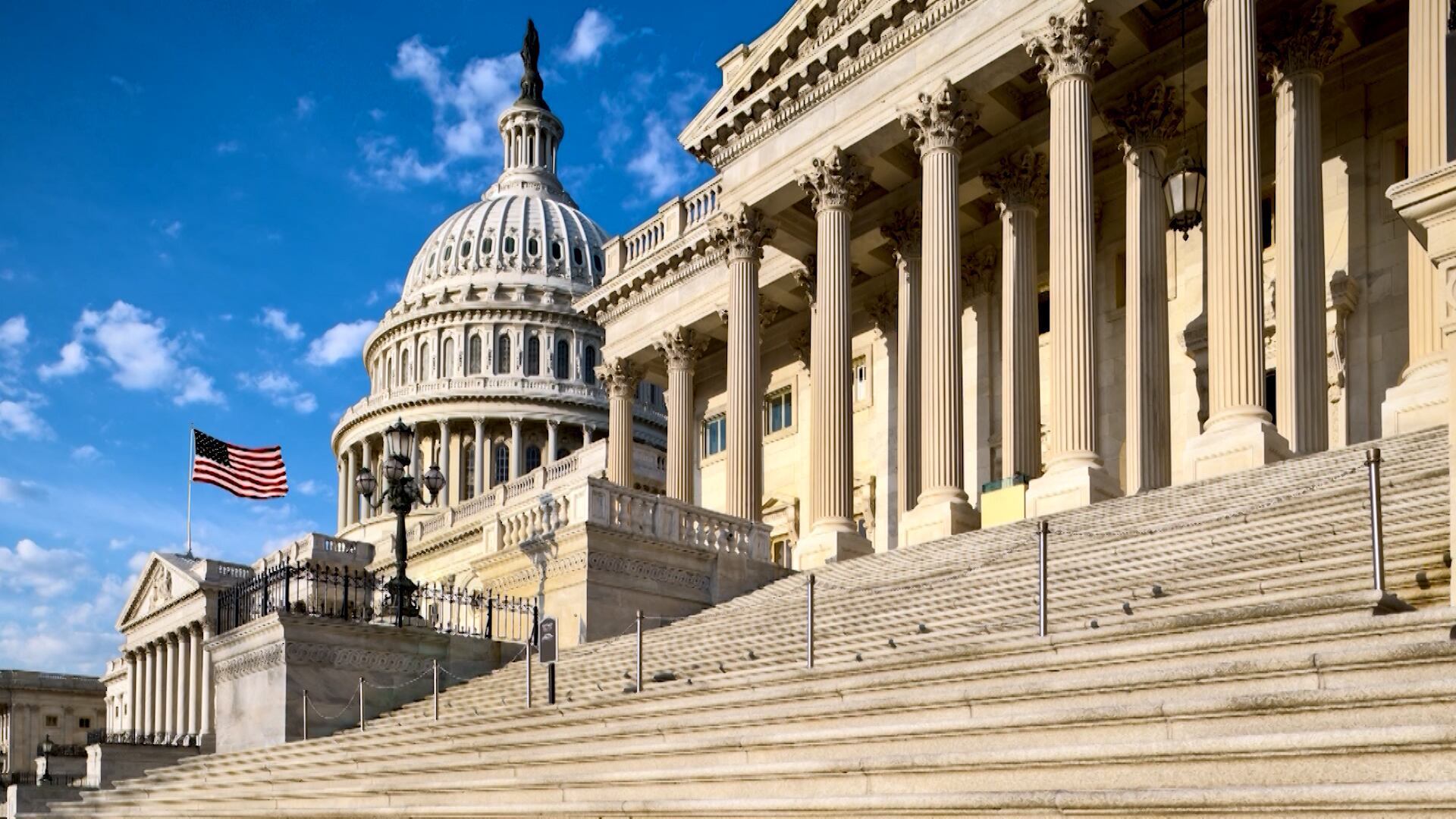
The new year has just gotten underway, but the clock is already ticking for the Democratic-led Congress to pass bills regulating big tech. Evan Greer, Director for Fight For the Future, joins Cheddar News to explain why Democratic lawmakers would want to push legislation now, and what a Republican takeover would mean for the industry.
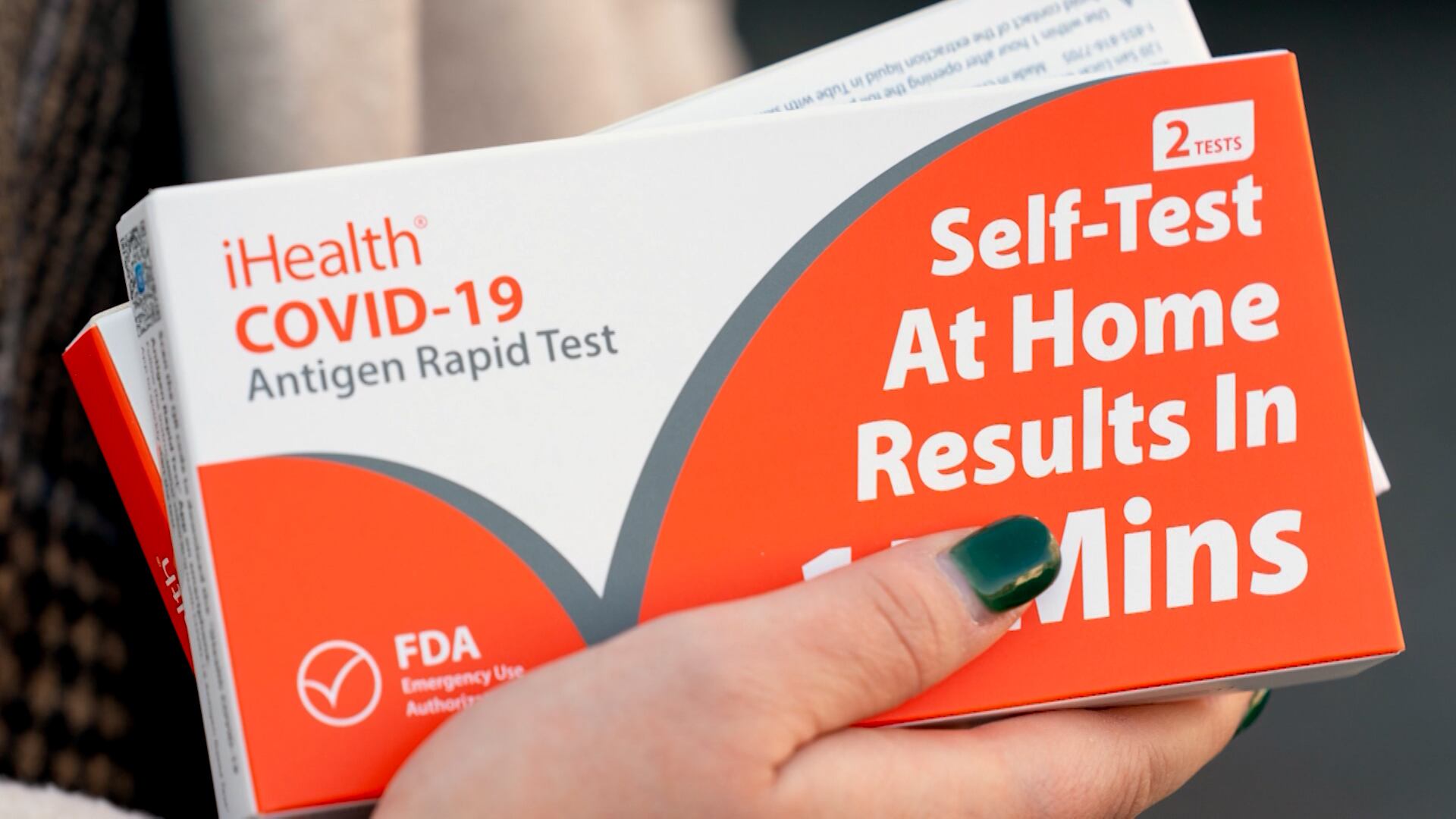
Americans looking to purchase at-home COVID-19 tests will now have to shell out a bit more money after an agreement expired between the White House and companies to sell the tests at cost. The price of Abbot's BinaxNow test kit from October to December was $14 apiece; on Tuesday, Walmart's website listed the test for $19.88, and Kroger listed the tests for $23.99. Carbon Health Regional Clinical Director Dr. Bayo Curry-Winchell joined Cheddar News' Closing Bell to discuss the impact higher prices will have as the nation experiences another surge in cases.
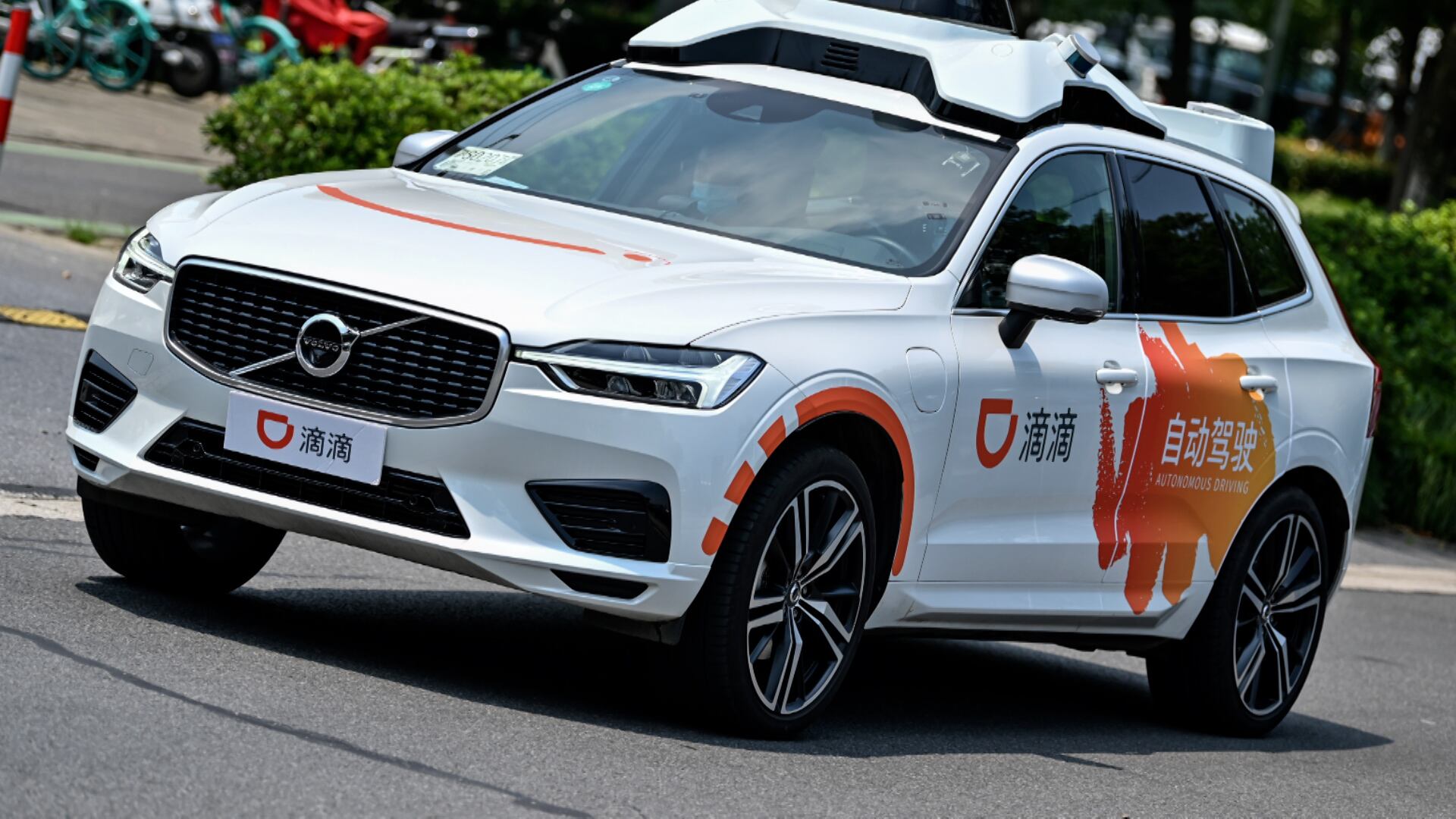
2022 is set to be a big year for autonomous technology. After many new partnerships, acquisitions, and developments in 2021, all eyes will be on the self-driving sector to see what progress, or lack there-of, will be made this year. Soroush Salehian, CEO and co-founder of Aeva, gives a look at what's ahead for the industry.
The largest tech convention in the world kicks off this week. CES, organized by the Consumer Technology Association, will run from Wednesday Jan. 5 through Friday Jan. 7, featuring more than 2,000 exhibitors showing off their latest tech products in Las Vegas. Ian Sherr, editor at large at CNET, gives a first look at some of the biggest trends expected this year.