Microsoft recently announced a new $50 million commitment to fight climate change with the power of artificial intelligence. They'll put these funds to work in its "A.I. for Earth" program, which uses artificial intelligence technology to drive sustainability around the globe. Lucas Joppa, Chief Environmental Scientist at Microsoft, joined us from Paris, France to discuss how Microsoft will put the new funds to work.
Microsoft is using the funds to increase seed grants provided to those working on climate and environmental issues. Joppa says the grants will give these groups access to the latest cloud and A.I. technology. The focus of Microsoft's "A.I. for Earth"program is to improve efficient generation and reduce energy consumption. The availability of new tech will help to accomplish these goals.
One of the key focuses for Microsoft is the future of water. In the next 20 years, demand for fresh water is predicted to outpace supply. The company is using A.I. to clean up and make more efficient use of our oceans in order to help conserve and protect the resource.
For the first time since September, Bitcoin fell below $40,000 early Monday. The currency's average short-term price has now dipped below its average long-term price, which is known by a rather dramatic term, a death cross. According to analysts, the indicator appears to be a result of mounting concerns of faster liquidity withdrawal by the US Federal Reserve. The crypto slump also follows a week of rough trading for equities overall. CEO Snickerdoodle Labs and Co-Founder of the Stanford Future of Digital Currency Initiative, Jonathan Padilla, joined Cheddar to discuss more.
With the record highs in pet ownership in recent months, there is a huge emerging market in pet technology. The new halo collar isn't just a smart collar; it's the next-generation dog safety system. Cheddar News sits down with the co-founders of Halo, Cesar Milan and Ken Ehrman, to discuss.
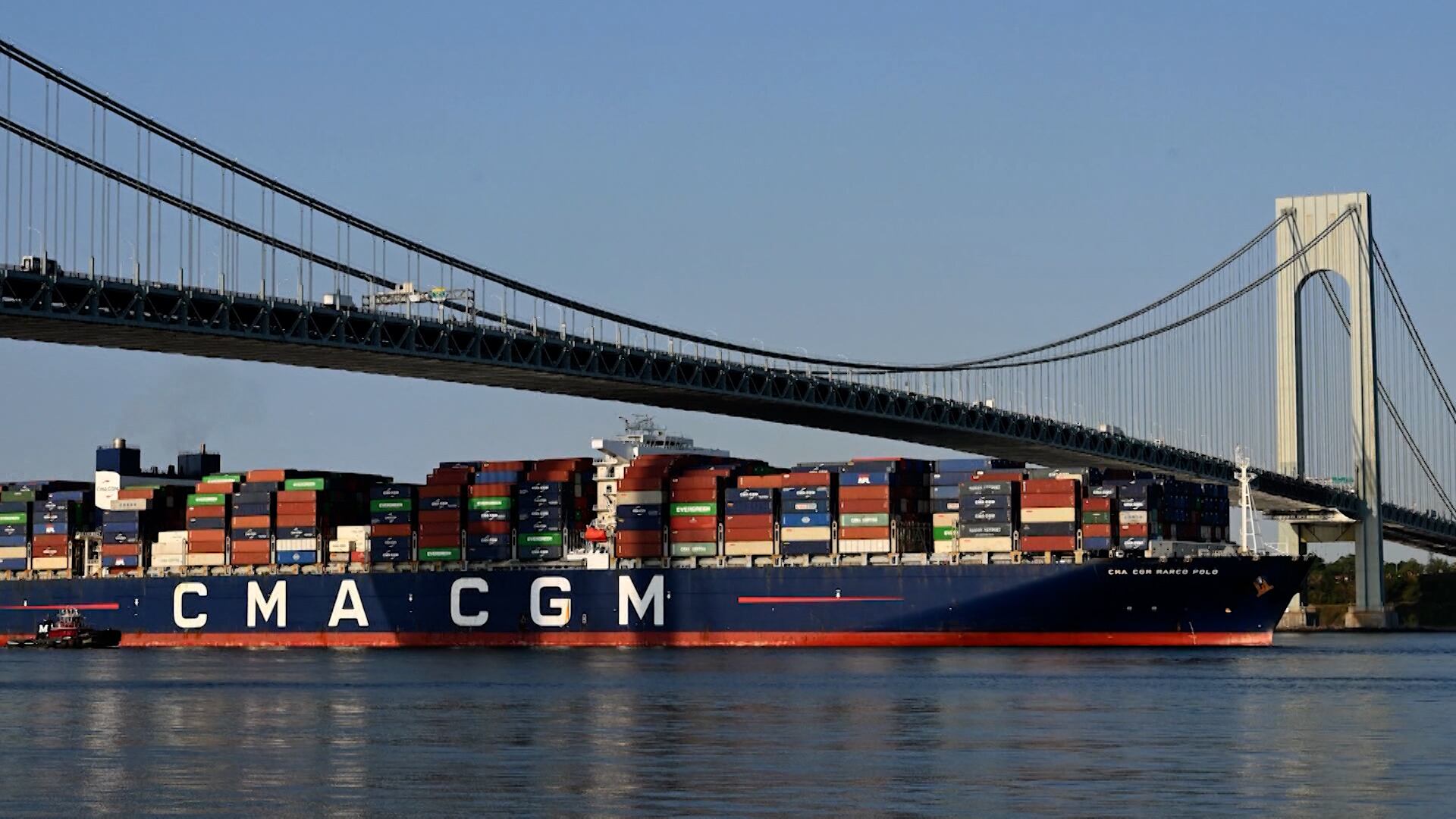
With no end in sight to supply chain snarls, some companies are reconsidering the way they manufacture goods. Harry Moser, founder and president of Reshoring Initiative and Jennifer Smith, logistics and supply chain reporter for the Wall Street Journal, joined Cheddar News' Closing Bell to discuss some of the ways companies are trying to solve their supply chain problems in the long term.
Bitcoin dipped below $40,000 this week amid a broader slump to begin the year. Some speculate that as cryptocurrencies correlate closer to traditional assets that factors like the Federal Reserve tightening monetary policy will weigh on digital coins. Jalak Jobanputra, managing partner at Future Perfect Ventures, joins Cheddar News' Closing Bell to discuss why crypto markets are feeling pressure from the Fed's potential 2022 rate hikes, broader crypto market predictions, and more.
A.I. startup Fractal has raised $360 million in funding, officially entering the unicorn club. Pranay Agrawal, CEO and Co-Founder of Fractal, joined Cheddar News' Closing Bell to discuss what the company plans to do with the fresh capital.
Electric vehicles are quickly becoming an accessible way for consumers to slash emissions as legacy automakers begin to electrify their fleets and world leaders including President Joe Biden push for broad EV adoption. But consumers have concerns about EV range, the availability of charging stations, and more. What if it were both helpful to consumers — and feasible from a climate change standpoint — to keep hybrid models that run on gas on the market? Gill Pratt, CEO of the Toyota Research Institute & Toyota Motor Corporation's Chief Scientist joins Cheddar Climate to discuss his team's research about 'carbon return on investment,' how Toyota is electrifying its fleet, and more.