By Matt Ott
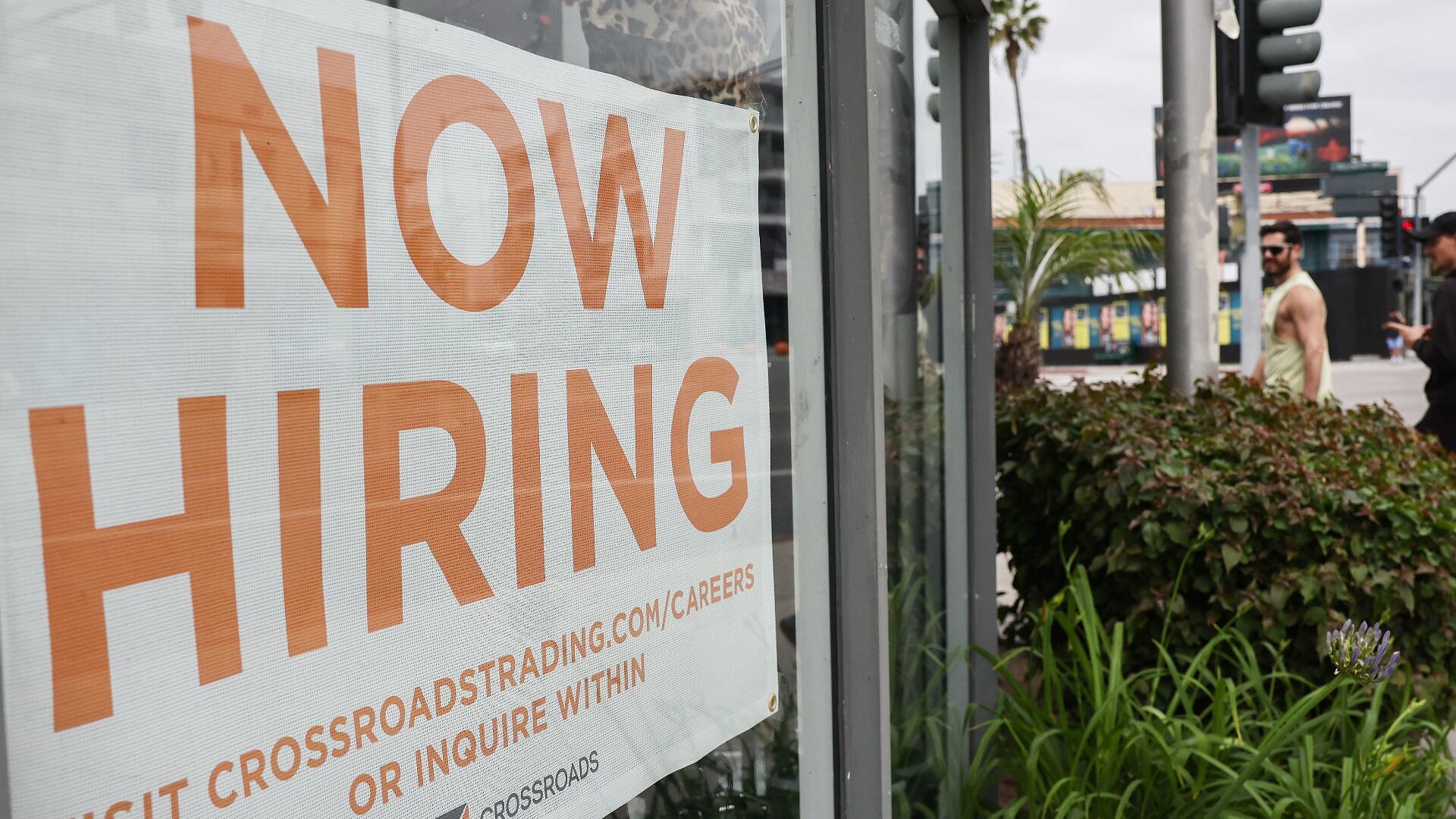
Fewer Americans applied for jobless aid last week with the number of Americans collecting unemployment at historically low levels.
Applications for unemployment benefits fell by 11,000 to 200,000 for the week ending May 28, the Labor Department reported Thursday. First-time applications generally track the number of layoffs.
The four-week average for claims, which evens out some of the weekly volatility, dipped by 500 from the previous week to 206,500.
The total number of Americans collecting jobless benefits for the week ending May 21 fell from the previous week, to 1,309,000, the fewest since Dec. 27, 1969.
American workers are enjoying historically strong job security two years after the coronavirus pandemic plunged the economy into a short but devastating recession. Weekly applications for unemployment aid have been consistently below the pre-pandemic level of 225,000 for most of 2022, even as the overall economy contracted in the first quarter and concerns over inflation persist.
Last month, the government reported America’s employers added 428,000 jobs in April, leaving the unemployment rate at 3.6%, just above the lowest level in a half-century. Hiring gains have been strikingly consistent in the face of the worst inflation in four decades, with employers adding at least 400,000 jobs for 12 straight months.
The government's May jobs report will be released Friday, with many expecting that 400,000 jobs added streak to be broken. Economists surveyed by FactSet project that the U.S. added 323,000 jobs in May, which would be the fewest in about a year-and-a-half.
On Wednesday, a separate government employment report said that the number of job openings across the economy ticked a bit lower in April but remains much higher, at 11.4 million, than the number of unemployed people.
The healthy level of open jobs shows that companies are still trying to add staff and grow, even as inflation hovers near a 40-year high and the Federal Reserve has embarked on what could be its fastest pace of interest rate hikes since the 1980s.
Last month, the government reported that U.S. producer prices soared 11% in April from a year earlier, a hefty gain that indicates high inflation will remain a burden for consumers and businesses in the months ahead.
Inflation at the consumer level eased slightly in April after months of relentless increases but remained near a four-decade high. Consumer prices jumped 8.3% last month from a year ago, just below the 8.5% year-over-year surge in March, which was the highest since 1981.
Earlier in May, the Federal Reserve intensified its fight against inflation by raising its benchmark short-term interest rate by a half-percentage point, signaling further large rate hikes to come.
There had been some speculation that the Fed may consider a rate hike pause at its September meeting, but such hopes diminished after a report Wednesday from the Institute for Supply Management showing that manufacturing growth accelerated last month, contrary to economists’ expectations for a slowdown.