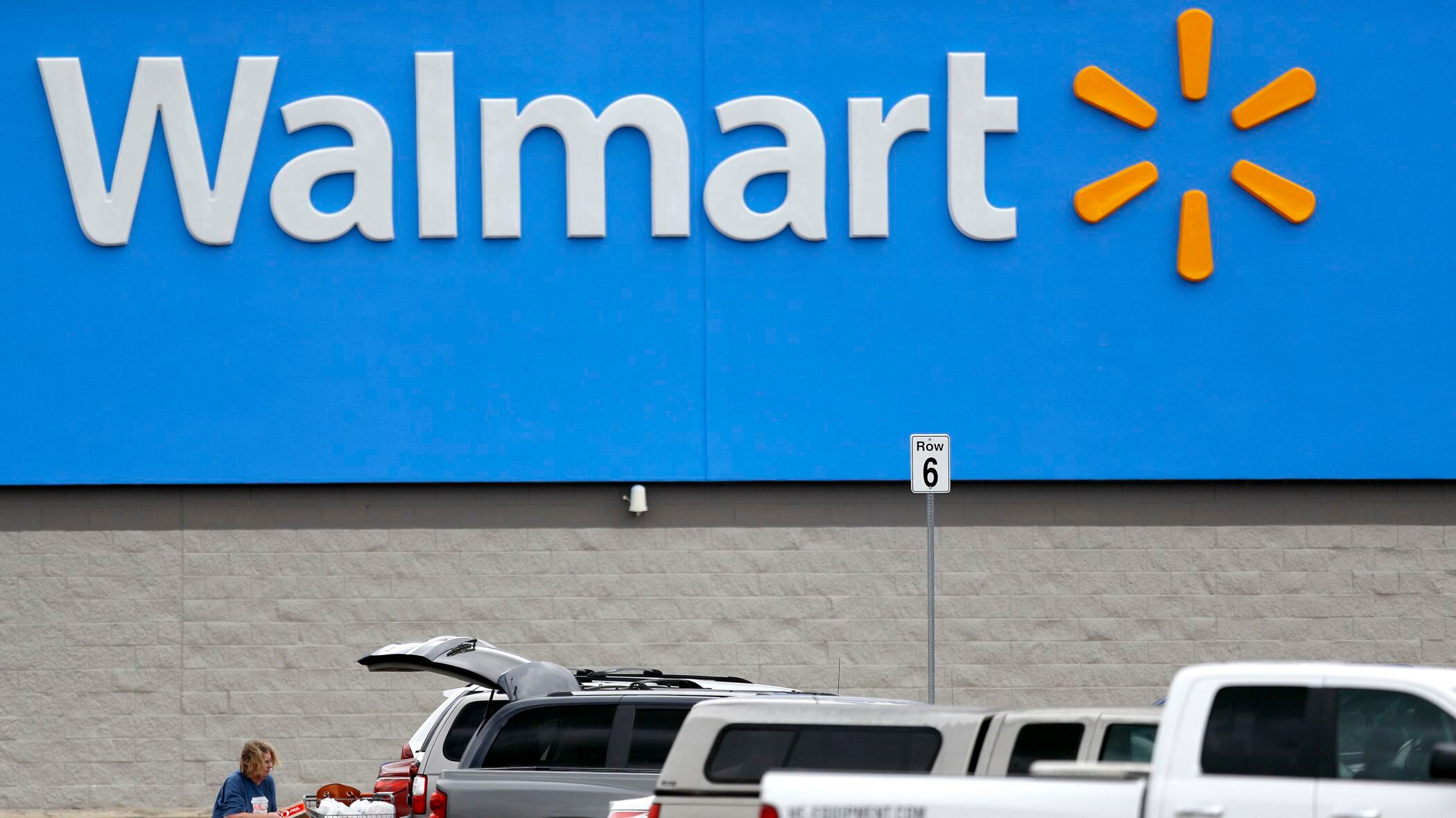
In this March 31, 2020 file photo, a woman pulls groceries from a cart to her vehicle outside of a Walmart store in Pearl, Miss. Walmart is teaming with the General Motors' Cruise autonomous vehicle unit to test automated package delivery in Arizona. (AP Photo/Julio Cortez, File)
By Michael Balsamo and Ann D'Innocenzio
The Justice Department is suing Walmart, alleging the company unlawfully dispensed controlled substances through its pharmacies, helping to fuel the opioid crisis in America.
The civil complaint being filed Tuesday points to the role Walmart’s pharmacies may have played in the crisis by filling opioid prescriptions and by unlawfully distributing controlled substances to the pharmacies during the height of the opioid crisis. Walmart operates more than 5,000 pharmacies in its stores around the country.
The Justice Department alleges Walmart violated federal law by selling thousands of prescriptions for controlled substances that its pharmacists “knew were invalid,” said Jeffrey Clark, the acting assistant attorney general in charge of the Justice Department’s civil division.
Federal law required Walmart to spot suspicious orders for controlled substances and report those to the Drug Enforcement Administration, but prosecutors charge the company didn’t do that. Walmart couldn’t immediately be reached for comment.
“Walmart knew that its distribution centers were using an inadequate system for detecting and reporting suspicious orders,” said Jason Dunn, the U.S. attorney in Colorado. “As a result of this inadequate system, for years Walmart reported virtually no suspicious orders at all. In other words, Walmart’s pharmacies ordered opioids in a way that went essentially unmonitored and unregulated.”
The suit alleges that Walmart made it difficult for its pharmacists to follow the rules, putting “enormous pressure" on them to fill a high volume of prescriptions as fast as possible, while at the same time denying them the authority to categorically refuse to fill prescriptions issued by prescribers the pharmacists knew were continually issuing invalid prescriptions.
AP reported the news of the lawsuit ahead of the Justice Department's public announcement, citing a person who could not discuss the matter publicly before the announced move. The person spoke to the AP on condition of anonymity.
The Justice Department’s lawsuit comes nearly two months after Walmart filed its own preemptive suit against the Justice Department, Attorney General William Barr, and the Drug Enforcement Administration.
In its lawsuit, Walmart said the Justice Department’s investigation — launched in 2016 — had identified hundreds of doctors who wrote problematic prescriptions that Walmart’s pharmacists should not have filled. But the lawsuit charged that nearly 70% of the doctors still have active registrations with the DEA.
Walmart’s lawsuit alleged the government was blaming it for the lack of regulatory and enforcement policies to stem the crisis. The company is asking a federal judge to declare the suit has no basis to seek civil damages. That suit remains ongoing.
The initial investigation was the subject of a ProPublica story published in March. ProPublica reported that Joe Brown, then U.S. attorney for the Eastern District of Texas office, spent years pursuing a criminal case against Walmart for its opioid prescription practices, only to have it stymied after the retail giant’s lawyers appealed to senior officials in the Justice Department.
Two months later, Brown resigned. He didn’t give a reason for his departure except to say he would be “pursuing opportunities in the private and public sectors." Brown went into private practice in the Dallas area.
Updated on December 22, 2020, at 3:44 p.m. ET with additional details.
The value of most cryptocurrencies have plummeted in recent months since reaching all-time highs in November, wiping out more than $1 trillion in value globally. The steep crash has some talking about the possibility of a crypto winter, a term referring to a prolonged bearish period where asset prices persistently fall over many months. This all comes as the Fed is expected to raise interest rates, and the Biden administration is working on an executive order to regulate Bitcoin and other assets. Josh Goodbody, COO of Qredo, joined Cheddar's Opening Bell to discuss the crypto crash, and how the industry might recover from it.
Logitech posted better-than-expected earnings in its third quarter, reporting sales of $1.63 billion dollars, down 2% from the year ago quarter, but well ahead of the Wall Street consensus of $1.48 billion dollars. The PC and gaming peripherals company also raised its annual guidance for both sales and profitability. Bracken Darrell, Logitech CEO, joined Cheddar to break down his reaction to the results, how the pandemic played a role in its growth, and where he wants to take the company next.
Starbucks is scheduled to report its fiscal first quarter 2022 earnings Tuesday, February 1 after the bell. The coffee giant is expected to report revenue of nearly $8 billion and earnings per share of 79 cents. Starbucks has seen a solid recovery in demand since the beginning of pandemic lockdowns, but is now facing a unionization push, labor shortage, and the Omicron variant. Thomas Hayes, chairman of Great Hill Capital, joined Cheddar's Opening Bell to give a preview of Starbucks earnings.
GM is scheduled to report its Q4 earnings after the bell on Tuesday February 1. Wall Street expects a miss as the automaker navigates the global chip shortage, which has hit car sales hard. Investors are looking for an update on production, as well as outlook for the electric vehicles that GM is investing billions to bring to market. Karl Brauer, executive analyst at iseecars.com, joined Cheddar to give a preview of the automaker's report.
Recent data reveals that streaming giants are struggling to retain subscribers in the months following a major release.
According to data from Antenna, subscriber trends show that users will subscribe to a given streaming service just to watch a particular show, and then cancel those subscriptions shortly after. This comes as the streaming space continues to heat up as new entrants crowd the space. Jon Christian, Founding Partner + Digital Supply Chain Leader at OnPrem joined Cheddar's Opening Bell to discuss.
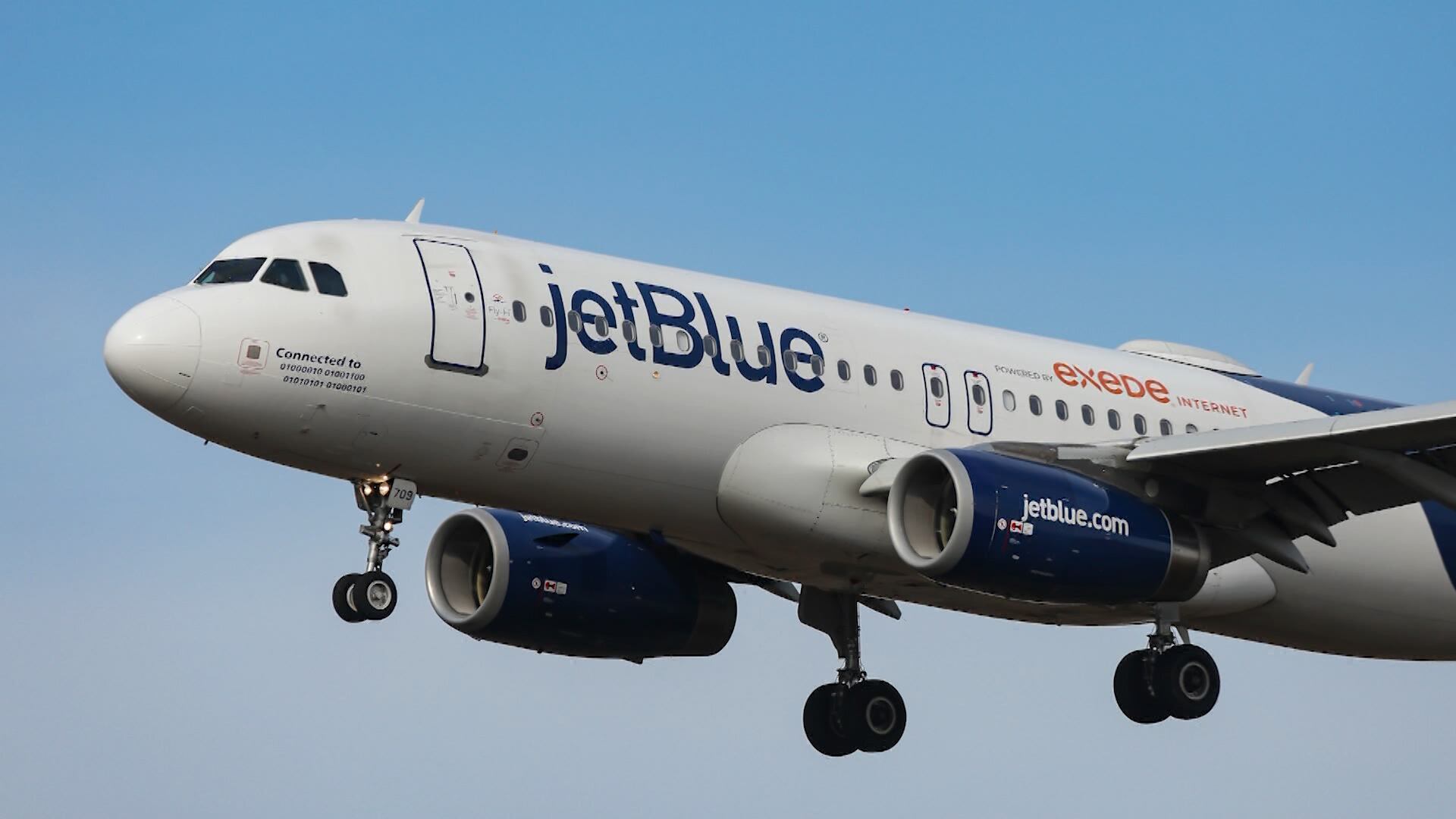
As airlines continues to face massive pilot shortages, United Airlines is opening a training academy for future pilots. United projects that the academy will train around 5,000 new pilots by 2030. David Slotnick, Senior Aviation Business Reporter at The Points Guy joined Cheddar's Opening Bell to discuss.
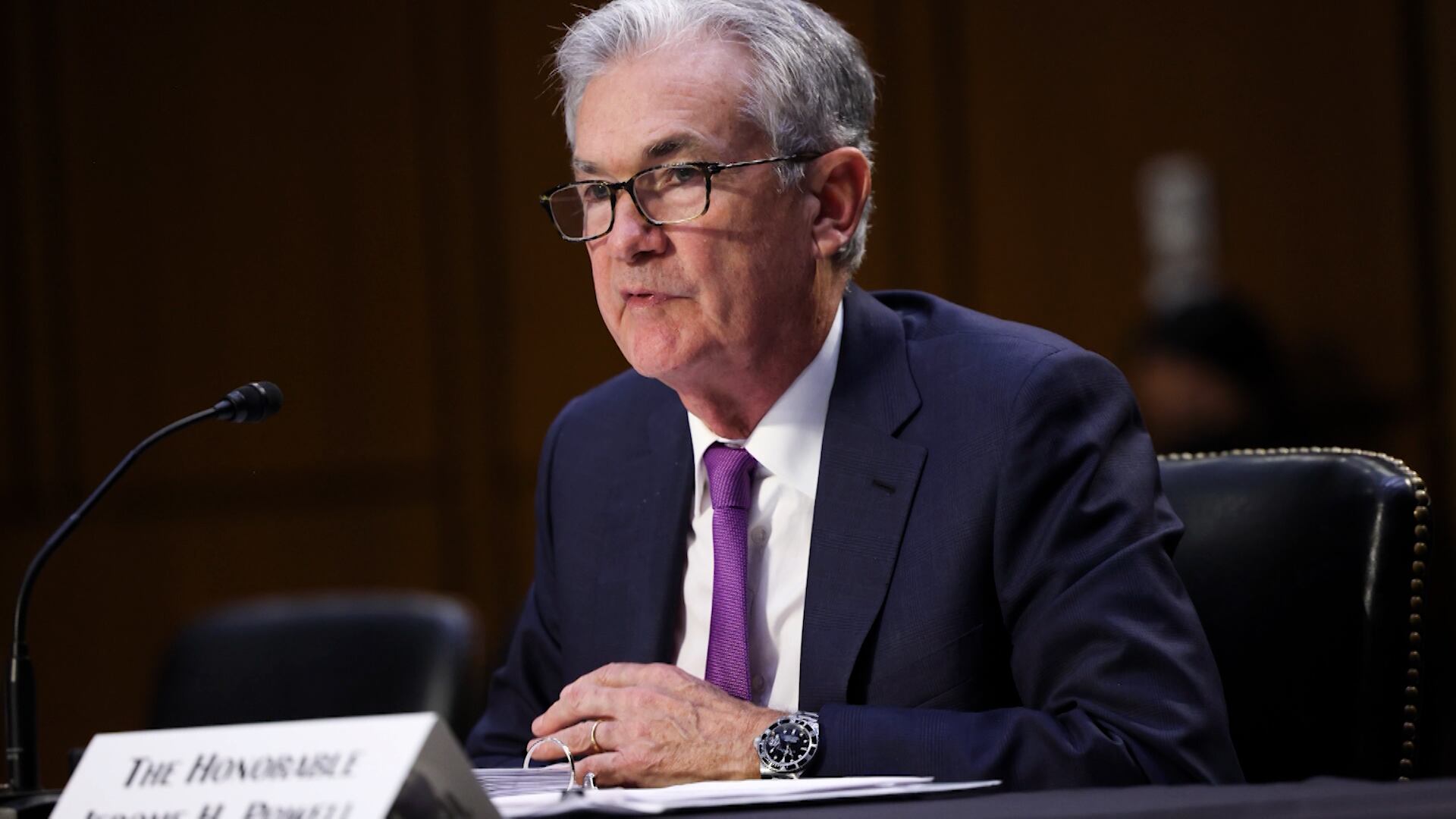
Stocks opening mostly higher to close out a wild week on Wall Street. It comes as investors continue to digest comments from the Federal Reserve, as well as the latest slew of earnings. Gene Goldman, Chief Investment Officer at Cetera, joined Cheddar's Opening Bell to discuss.
Jim Lacamp, Senior VP of Investments at Morgan Stanley, recaps the headwinds markets faced over the last four weeks and what to expect from this month's Jobs report.
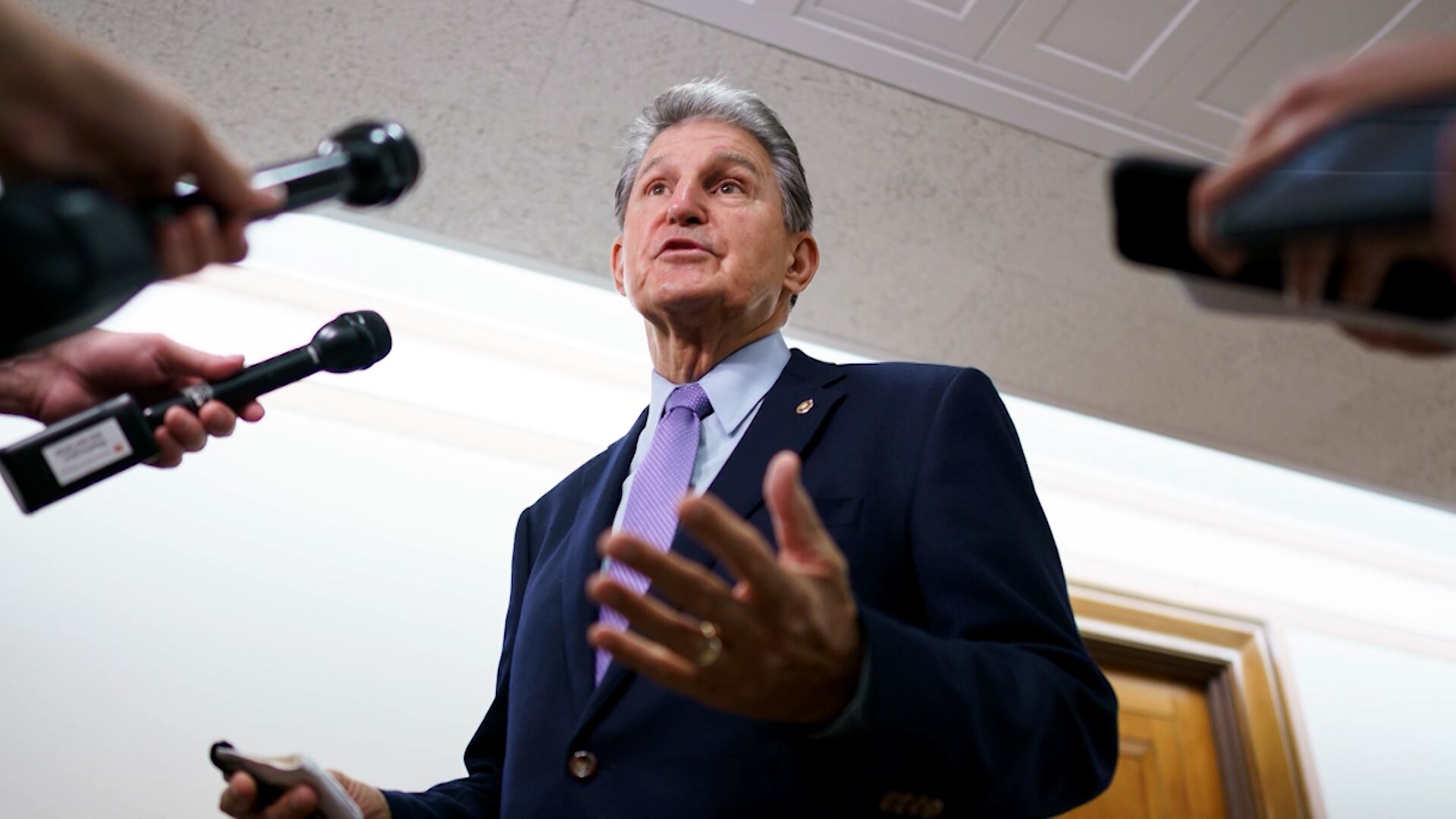
Stephanie Akin, Politics Reporter for CQ Roll Call, breaks down
Senator Manchin's donation pool, and highlights what this support means for the conservative Democrat as well as the Republican party.
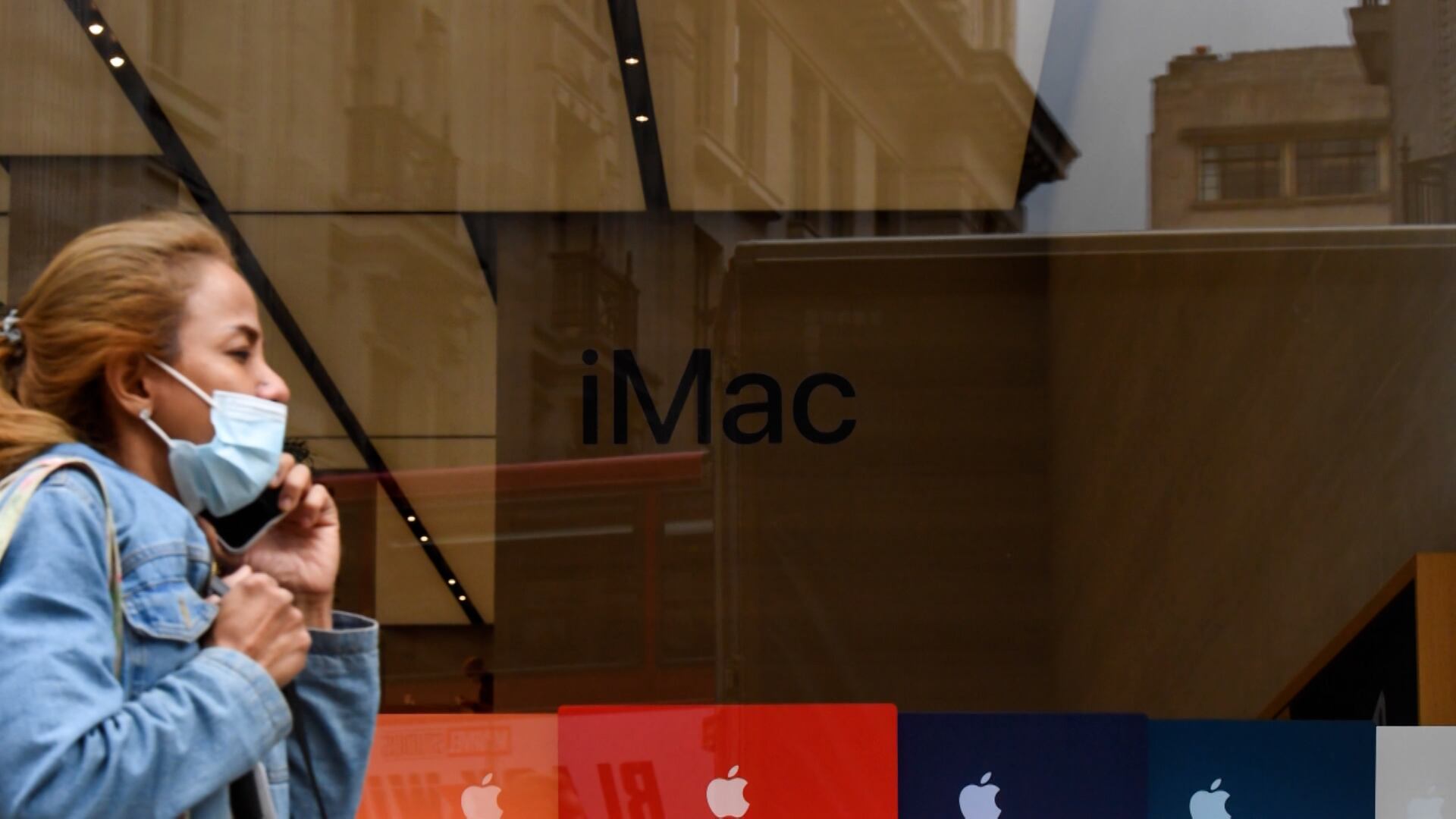
Julie Gillespie, Trading Analyst at TipRanks, breaks down Apple's record-breaking quarter and highlights areas of the business where the tech giant may see potential growth throughout the year.