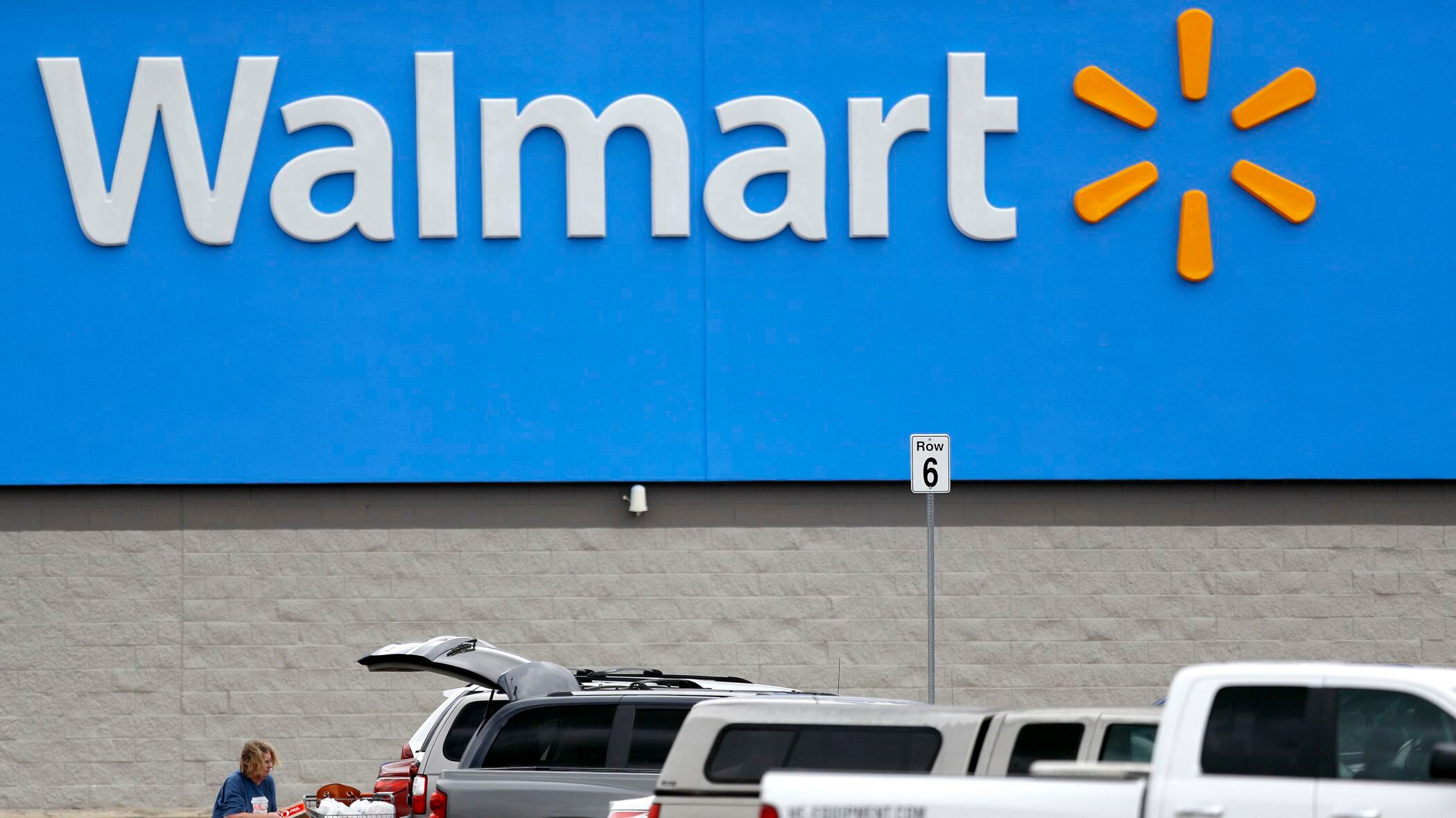
In this March 31, 2020 file photo, a woman pulls groceries from a cart to her vehicle outside of a Walmart store in Pearl, Miss. Walmart is teaming with the General Motors' Cruise autonomous vehicle unit to test automated package delivery in Arizona. (AP Photo/Julio Cortez, File)
By Michael Balsamo and Ann D'Innocenzio
The Justice Department is suing Walmart, alleging the company unlawfully dispensed controlled substances through its pharmacies, helping to fuel the opioid crisis in America.
The civil complaint being filed Tuesday points to the role Walmart’s pharmacies may have played in the crisis by filling opioid prescriptions and by unlawfully distributing controlled substances to the pharmacies during the height of the opioid crisis. Walmart operates more than 5,000 pharmacies in its stores around the country.
The Justice Department alleges Walmart violated federal law by selling thousands of prescriptions for controlled substances that its pharmacists “knew were invalid,” said Jeffrey Clark, the acting assistant attorney general in charge of the Justice Department’s civil division.
Federal law required Walmart to spot suspicious orders for controlled substances and report those to the Drug Enforcement Administration, but prosecutors charge the company didn’t do that. Walmart couldn’t immediately be reached for comment.
“Walmart knew that its distribution centers were using an inadequate system for detecting and reporting suspicious orders,” said Jason Dunn, the U.S. attorney in Colorado. “As a result of this inadequate system, for years Walmart reported virtually no suspicious orders at all. In other words, Walmart’s pharmacies ordered opioids in a way that went essentially unmonitored and unregulated.”
The suit alleges that Walmart made it difficult for its pharmacists to follow the rules, putting “enormous pressure" on them to fill a high volume of prescriptions as fast as possible, while at the same time denying them the authority to categorically refuse to fill prescriptions issued by prescribers the pharmacists knew were continually issuing invalid prescriptions.
AP reported the news of the lawsuit ahead of the Justice Department's public announcement, citing a person who could not discuss the matter publicly before the announced move. The person spoke to the AP on condition of anonymity.
The Justice Department’s lawsuit comes nearly two months after Walmart filed its own preemptive suit against the Justice Department, Attorney General William Barr, and the Drug Enforcement Administration.
In its lawsuit, Walmart said the Justice Department’s investigation — launched in 2016 — had identified hundreds of doctors who wrote problematic prescriptions that Walmart’s pharmacists should not have filled. But the lawsuit charged that nearly 70% of the doctors still have active registrations with the DEA.
Walmart’s lawsuit alleged the government was blaming it for the lack of regulatory and enforcement policies to stem the crisis. The company is asking a federal judge to declare the suit has no basis to seek civil damages. That suit remains ongoing.
The initial investigation was the subject of a ProPublica story published in March. ProPublica reported that Joe Brown, then U.S. attorney for the Eastern District of Texas office, spent years pursuing a criminal case against Walmart for its opioid prescription practices, only to have it stymied after the retail giant’s lawyers appealed to senior officials in the Justice Department.
Two months later, Brown resigned. He didn’t give a reason for his departure except to say he would be “pursuing opportunities in the private and public sectors." Brown went into private practice in the Dallas area.
Updated on December 22, 2020, at 3:44 p.m. ET with additional details.
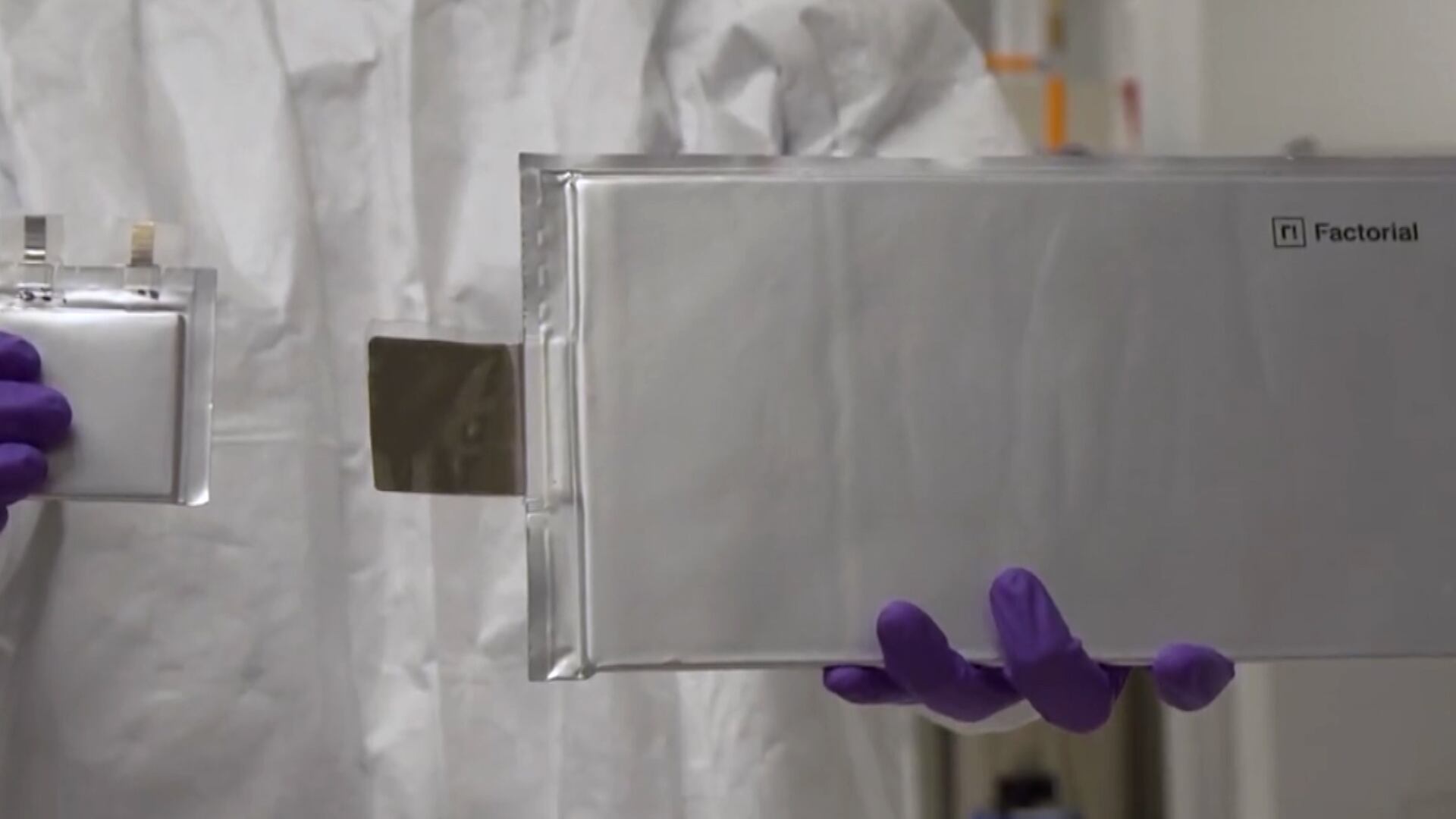
Solid-state battery maker Factorial Energy recently raised $200 million in a Series D round led by Mercedes-Benz and Stellantis. Factorial says the funding will be used to accelerate commercial production and deployment of its solid-state battery technology, which the company says is safer, and offers up to 50% more driving range than current lithium-ion technology. Factorial also has joint development agreements (announced in late 2021) with Mercedes-Benz, Stellantis, and Hyundai, three of the top 10 global automotive manufacturers, to commercialize its batteries. Factorial CEO Siyu Huang joined Cheddar News' Closing Bell to discuss.
Art Hogan, Chief Market Strategist at National Securities, joins Cheddar News' Closing Bell, where he says investors are paying more attention to earnings this week, which is leading to the Dow, S&P, and Nasdaq gaining this week. Hogan also breaks down Spotify and Meta's earnings, both of which came out after the bell.
Google's parent company Alphabet reported blockbuster fourth quarter earnings, boosted by better-than-expected Google ad revenue and Google Cloud revenue. The results sent Alphabet's stock soaring, and the company could come close to hitting a $2 trillion market valuation similar to other tech giants Apple and Microsoft. The company also announced a 20-for-1 stock split, which would make shares more accessible to would-be investors. Mark Lehmann, CEO at JMP Securities, a Citizens Company, joins Closing Bell to discuss Alphabet's earnings report, whether the company will reach a $2 trillion market cap, its stock split, and more.
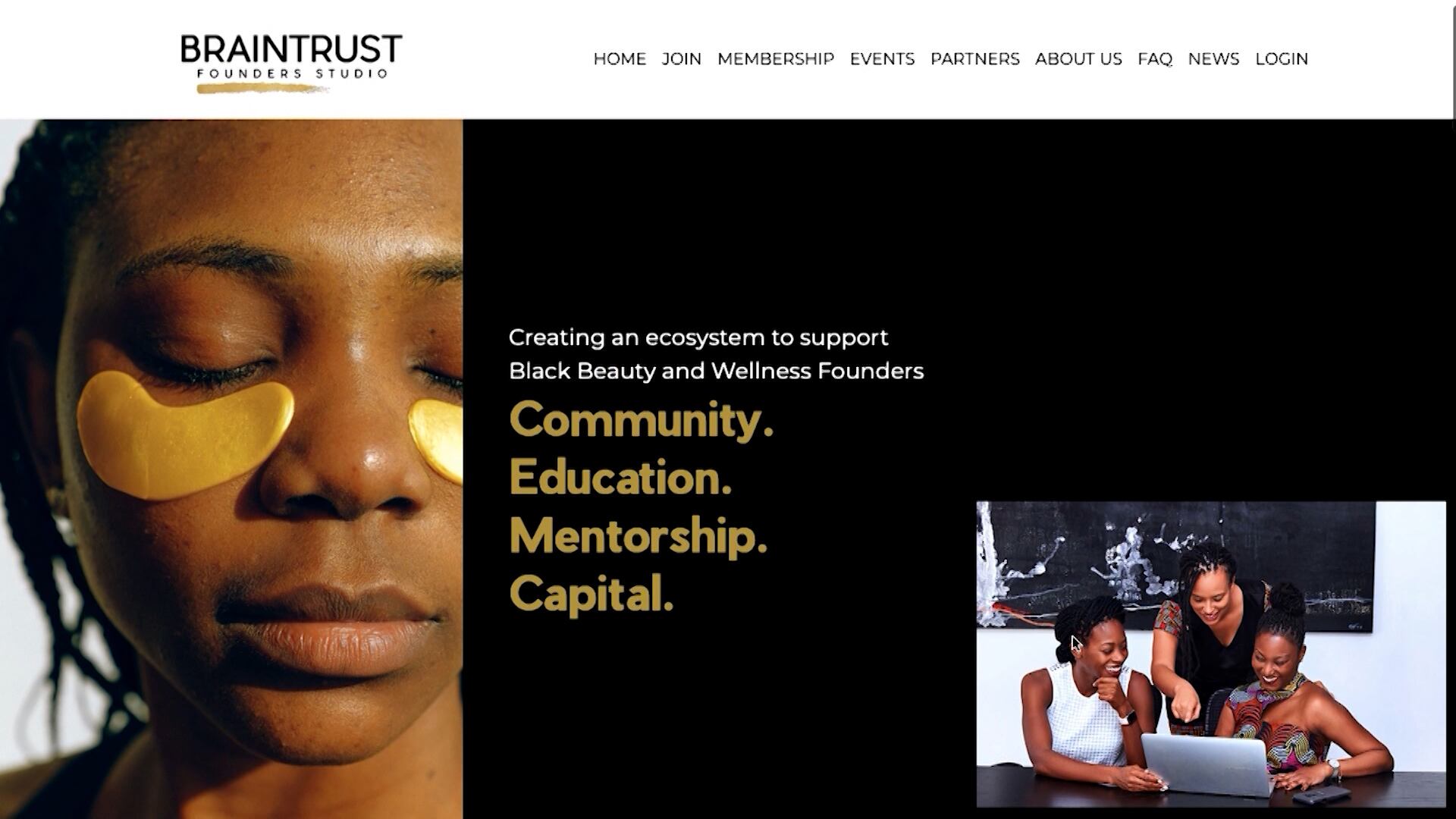
Kendra Bracken-Ferguson, founder of BrainTrust Founders Studio joins Cheddar News to talk about the importance of supporting Black beauty and wellness founders.
Damali Peterman, founder and CEO of Breakthrough ADR, joins Cheddar News to discuss what Black professionals are up against in the workplace this year.
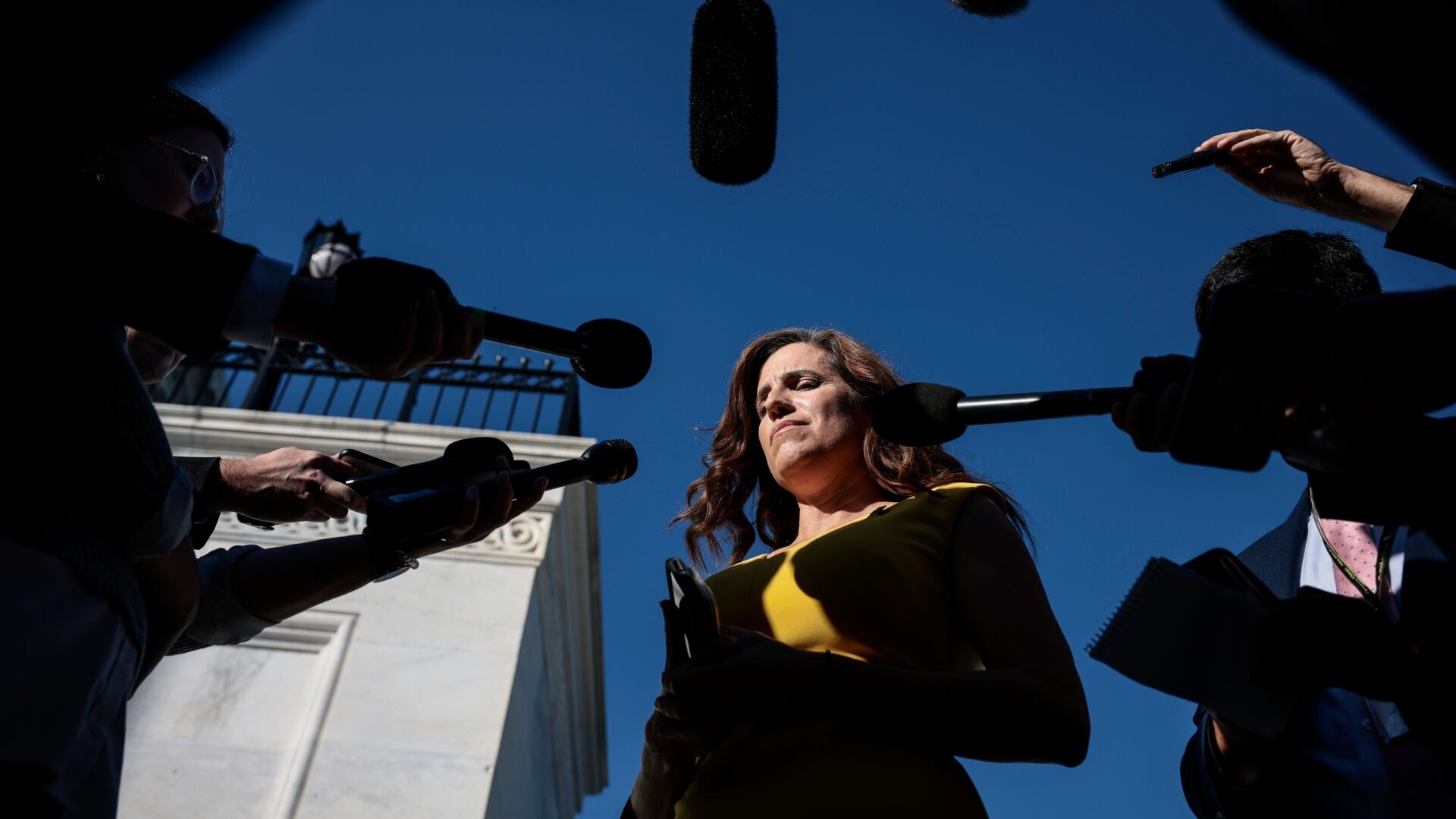
Rep. Nancy Mace (R-S.C. 1st District) joined Cheddar to discuss her cannabis legalization bill, the States Reform Act, and the prospects for gaining bipartisan support for a bill that has garnered the endorsement of e-commerce giant Amazon. This legislation is supported by businesses large and small, Amazon obviously being the most recent and largest business to support it," Mace said. "They don't want to sell pot. But what it does do is it affects their working employment pool." She stated that 10 percent of eligible new hires for Amazon are affected by restrictive marijuana laws. The representative also explained that the bill leaves equity provisions up to the states rather than mandating them on a federal level.
Jess Hunichen and Emily Ward, co-founder of Shine Talent Group join Cheddar News to talk about The BodCon conference and how it empowers men and women to feel confident.
FIT:MATCH is looking to change the game when it comes to the way retailers size clothes. The company's augmented reality technology takes a look at body shape data rather than generalized, traditional sizing parameters to determine how a piece of apparel will fit wearers. Haniff Brown, CEO and founder, joined Cheddar to discuss the patented ar-powered apparel technology and partnering with pop superstar Rihanna’s Savage X Fenty lingerie line. "We launched in Vegas with Savage on January 22 and we've been having goosebumps at some of the testimonials, where customers are saying this is such an easier process versus going into a fitting room and having an associate have to touch and get handsy with a cold tape measure," Brown said.