FedEx has joined the ranks of major companies giving themselves a hard deadline when it comes to addressing climate change by overhauling their global operations.
The shipping giant on Wednesday announced its plan to become carbon neutral by 2040 through a combination of fleet electrification, sustainable fuel conversion, more efficient facility management, and natural carbon sequestration, among other measures.
Mitch Jackson, chief sustainability officer for FedEx, told Cheddar that the company had set climate goals in the past but now saw the need to apply its "logistical know-how" and "technical expertise" to a more ambitious sustainability program.
"FedEx has a long history of taking on ambitious programs," he said. "We helped create an industry many years ago with our founder Fred Smith."
Better Procurement
The company plans to spend $2 billion over the next two decades on the transformation — though many of the changes will stem from simply tweaking existing procurement practices.
"For the most part, this is using a strategy that we already have for upgrading facilities and upgrading and replenishing and refreshing our vehicles as well," Jackson said.
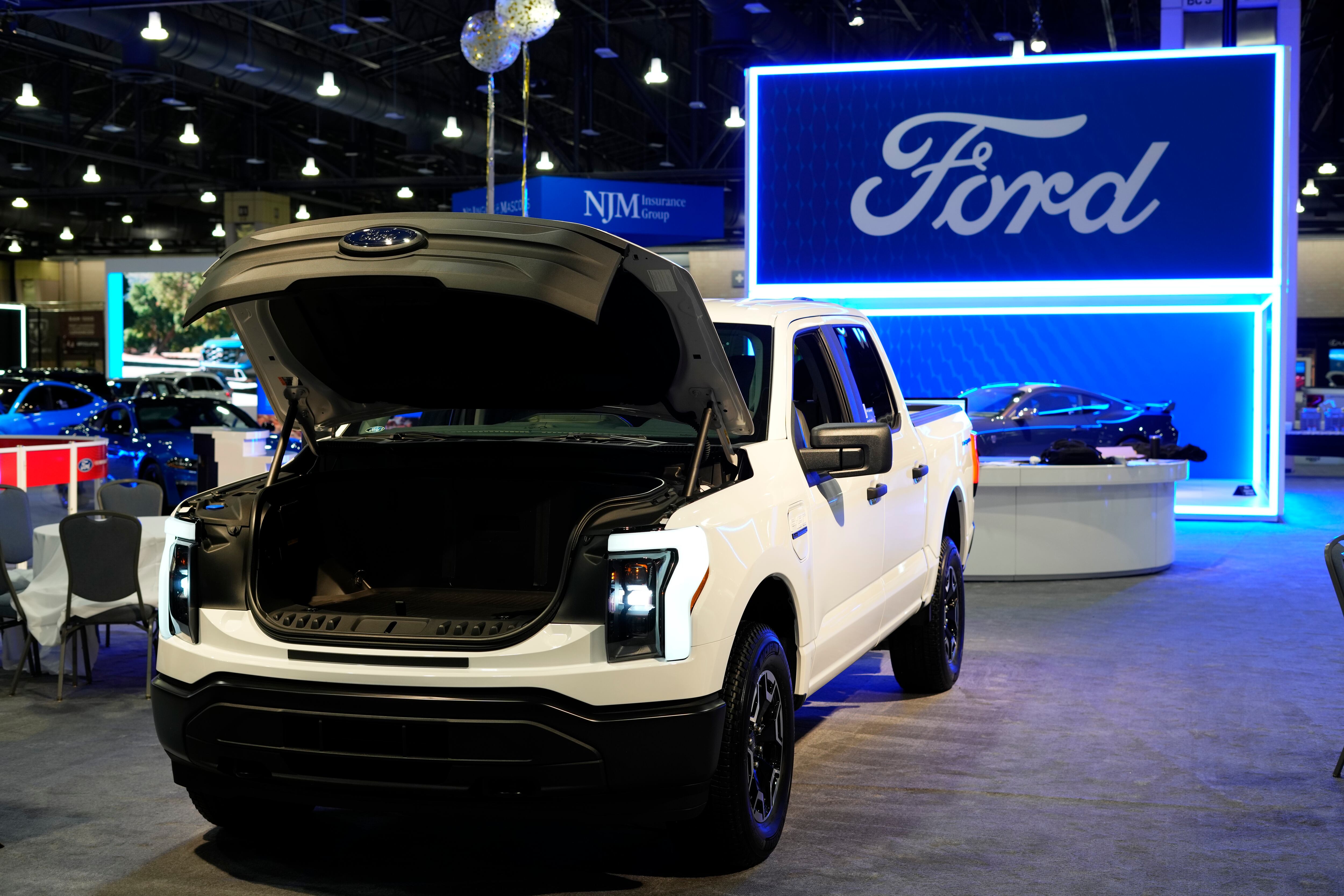
When FedEx replaces vehicles in its parcel pick-up and delivery fleet, for instance, now by default it will go with electric rather than gas-powered cars, a choice that has gotten easier as the economic benefits of going electric have become clearer.
Jackson noted that customers are increasingly demanding these types of changes as well.
"I've long said that sustainability is a team sport. It takes all of us working together," he said, calling out companies, customers, policy makers, and institutions.
Carbon Sequestration
As part of the initiative, the company also gifted $100 million to Yale University to fund the Center for Natural Carbon Capture, which aims to accelerate research of carbon capture across academic disciplines.
The partnership tackles what is set to become FedEx's biggest challenge on the road to becoming carbon neutral: its fuel-intensive aircrafts that criss-cross the globe.
While electrification is a clear path forward for the company's ground fleet, "aviation is more of a challenge," Jackson said. "There is no single solution that will work with respect to aviation."
He added that the Yale center is looking at biological, geological, and industrial methods of sequestration to make up for the massive emissions produced by aviation in a given year.
"This is a tremendous challenge for society today, and it's going to take all of us to do it."