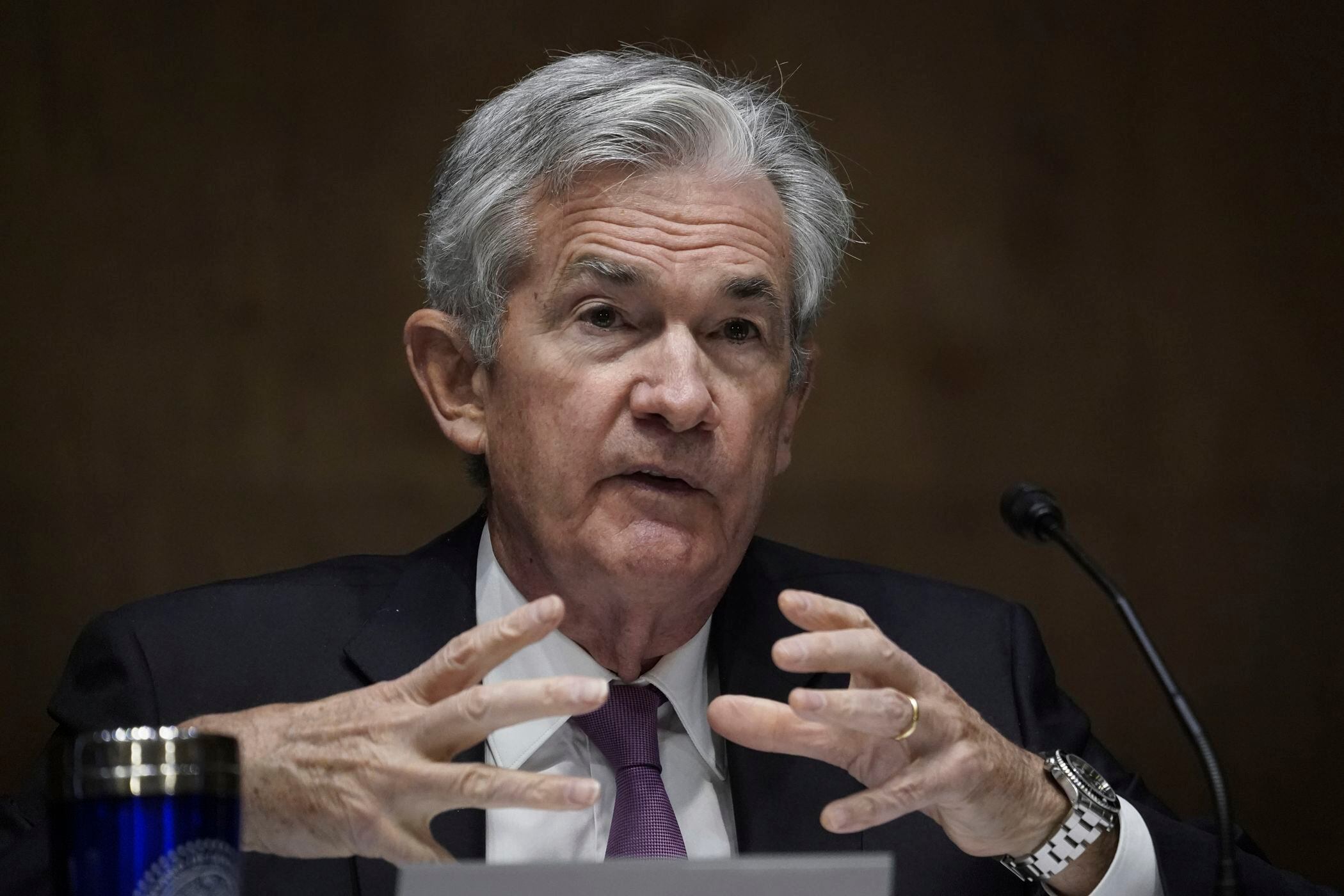
Federal Reserve Board Chairman Jerome Powell testifies during a Senate Banking Committee hearing, Thursday Sept. 24, 2020 on Capitol Hill in Washington about the CARES Act and the economic effects of the coronavirus pandemic. (Drew Angerer/Pool via AP)
By Martin Crutsinger
The Federal Reserve kept its benchmark interest rate at a record low near zero Thursday and signaled its readiness to do more if needed to support an economy under threat from a worsening coronavirus pandemic.
The Fed announced no new actions after its latest policy meeting but left the door open to provide further assistance in the coming months. The central bank again pledged to use its "full range of tools to support the U.S. economy in this challenging time.” The economy in recent weeks has weakened after mounting a tentative recovery from the deep pandemic recession in early spring.
Several Fed officials have expressed concern that Congress has failed so far to provide further aid for struggling individuals and businesses. But the Fed's policy statement, issued after a two-day meeting, made no mention of lawmakers' failure to act.
A multi-trillion-dollar stimulus, enacted in the spring, had helped sustain jobless Americans and ailing businesses but has since expired. The failure of lawmakers to agree on any new rescue package has clouded the future for the unemployed, for small businesses, and for the economy as a whole. There is some hope, though, that a logjam can be broken and more economic relief can be enacted during a post-election “lame-duck” session of Congress between now and early January.
The central bank has been buying Treasury and mortgage bonds to hold down long-term borrowing rates to encourage spending. And it has kept its key short-term rate, which influences many corporate and individual loans, near zero. Some economists think the policymakers' next move will be to expand its bond buying effort, which is intended to boost the economy by lowering longer-term borrowing rates.
The Fed’s latest policy meeting coincided with an anxiety-ridden election week and an escalation of the virus across the country. Most economists warn that the economy cannot make a sustained recovery until the pandemic is brought under control and most Americans are confident enough to return to their normal habits of shopping, traveling, dining and congregating in groups.
Ty Young, CEO of Ty J. Young Wealth Management, joins Cheddar to discuss Trump's moves as he returns to Washington D.C. and how it may affect the U.S. economy.
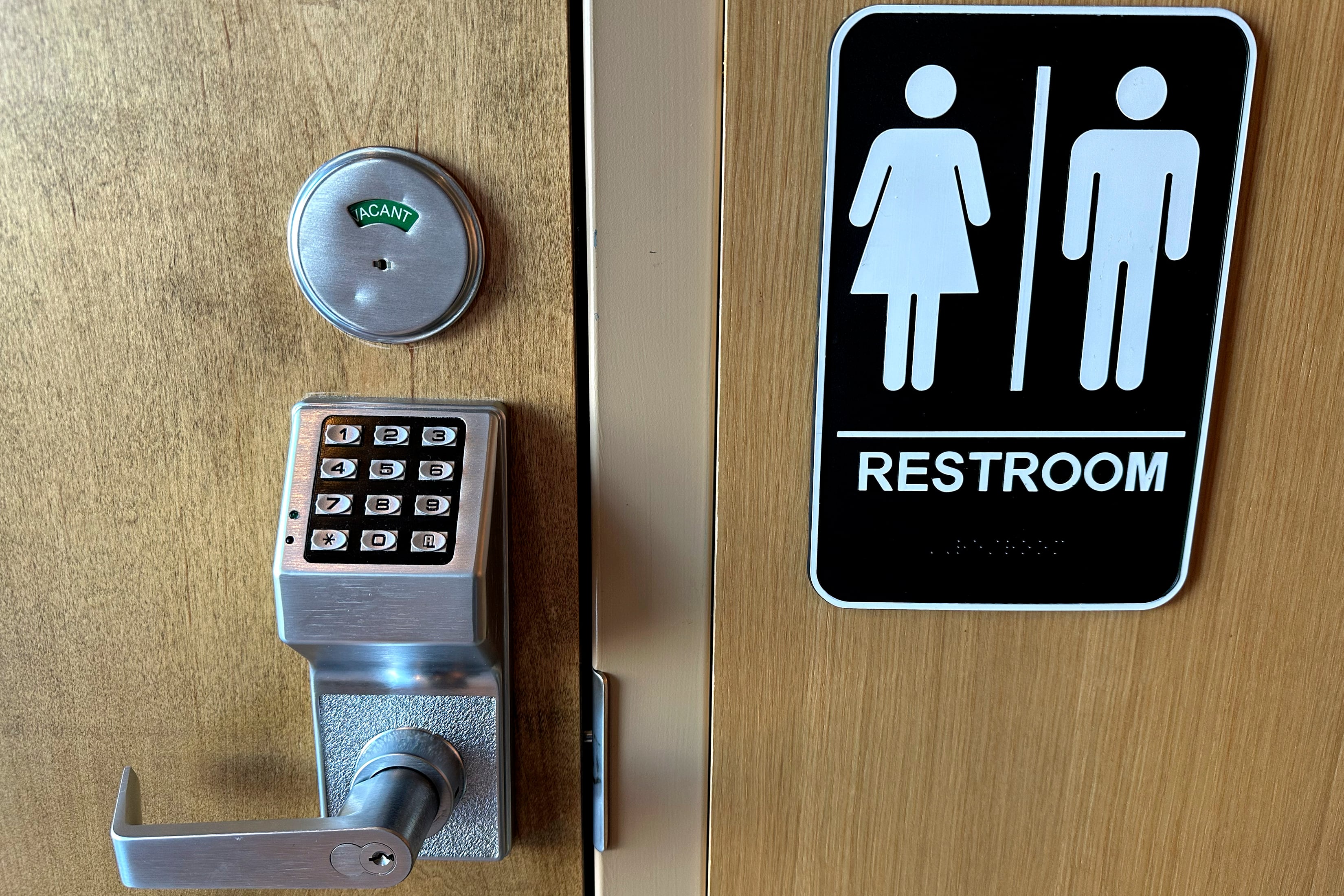
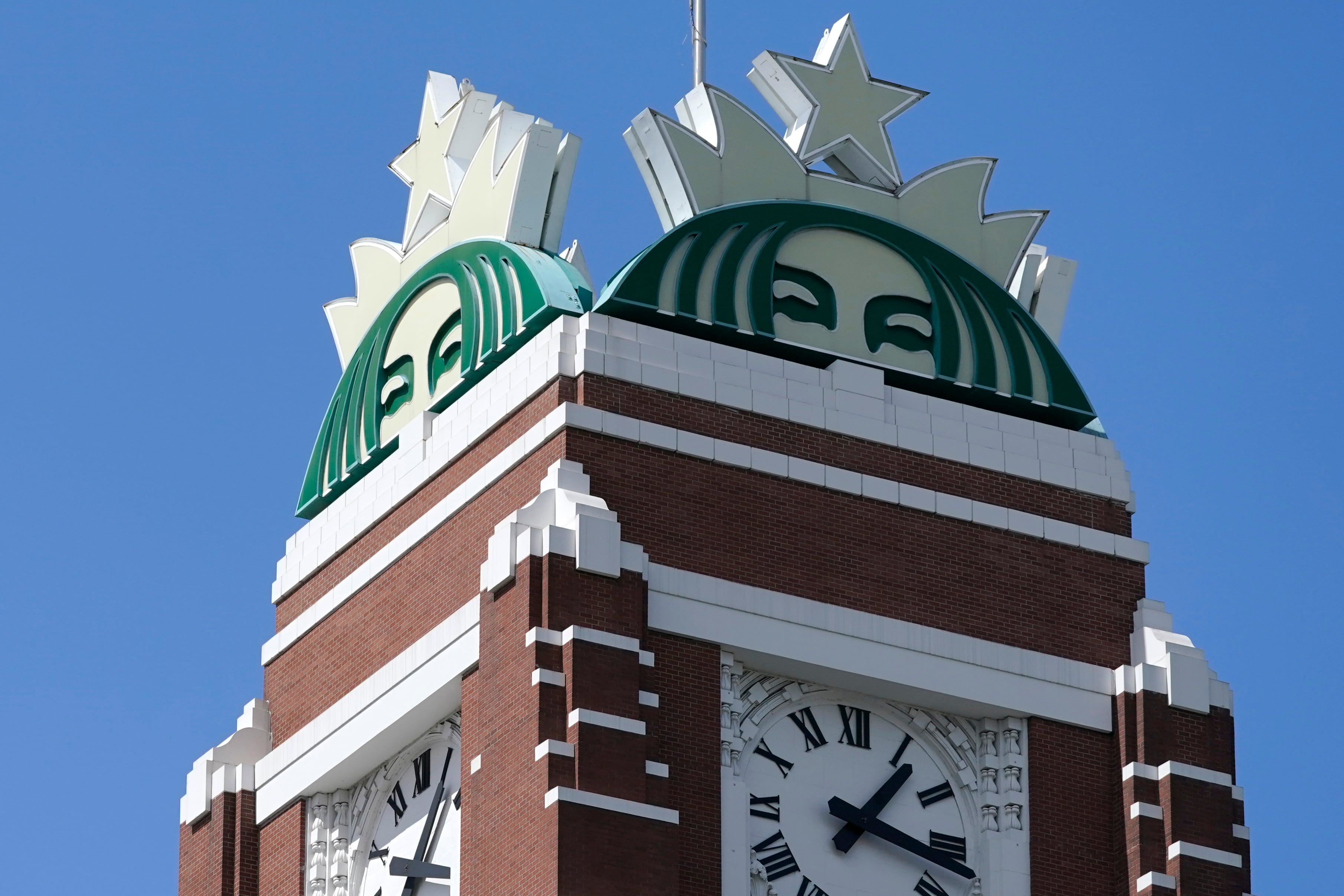
Starbucks’ decision to restrict its restrooms to paying customers has flushed out a wider problem: a patchwork of restroom use policies that varies by state and city. Starbucks announced last week a new code of conduct that says people need to make a purchase if they want to hang out or use the restroom. The coffee chain's policy change for bathroom privileges has left Americans confused and divided over who gets to go and when. The American Restroom Association, a public toilet advocacy group, was among the critics. Rules about restroom access in restaurants vary by state, city and county. The National Retail Federation says private businesses have a right to limit restroom use.
President Donald Trump is talking up a joint venture investing up to $500 billion for infrastructure tied to artificial intelligence by a new partnership formed by OpenAI, Oracle and SoftBank. The new entity, Stargate, will start building out data centers and the electricity generation needed for the further development of the fast-evolving AI in Texas, according to the White House. The initial investment is expected to be $100 billion and could reach five times that sum. While Trump has seized on similar announcements to show that his presidency is boosting the economy, there were already expectations of a massive buildout of data centers and electricity plants needed for the development of AI.
Chris Ruder, Spikeball Founder and CEO, explains how he and his friends put roundnet on the global map, plus, how Spikeball helps people "find their circle."
J.W. Roth, CEO of Venu Holding Corporation, discusses the company's IPO and plans to redefine live music entertainment with their fan founded, fan-owned model.
Variety's Clayton Davis discusses why more than just the 1% are struggling after the LA fires. Plus, how awards shows will pivot to help victims. Watch!
Emily Hosie, CEO of Rebelstork, explains the concept of Returns Recommerce, plus how her company raised $18M to address the industry-wide issue of returns.