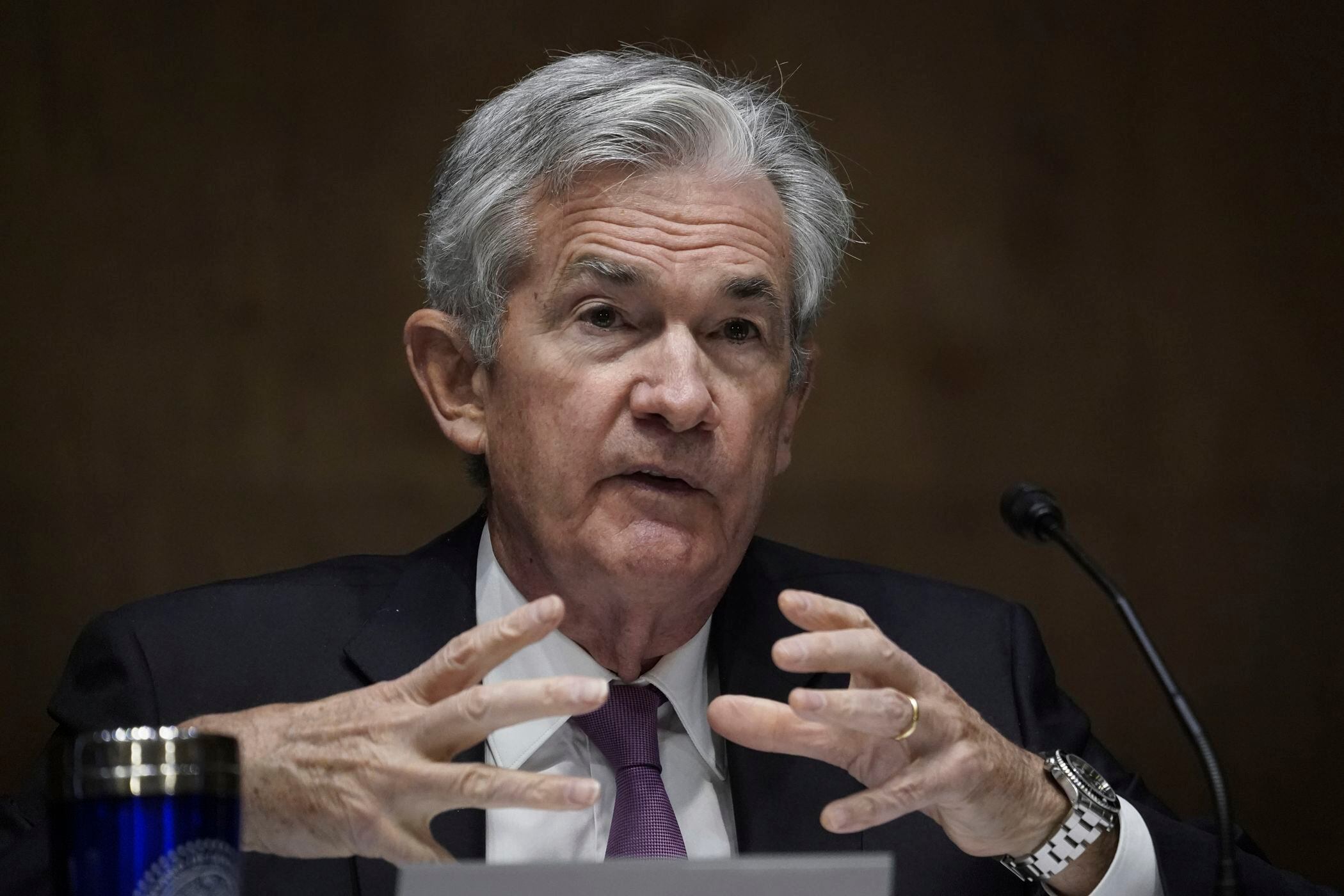
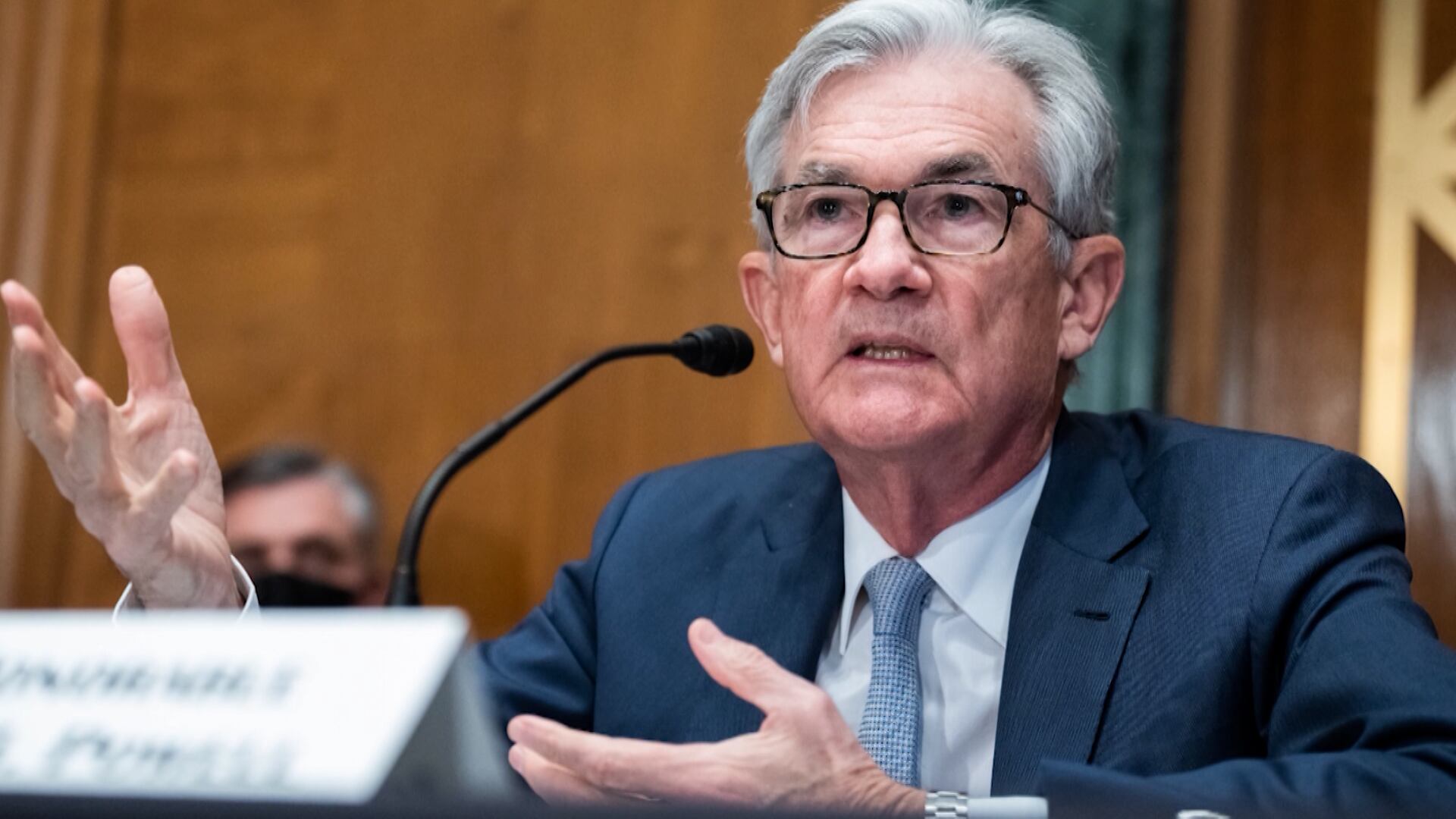
Federal Reserve Board Chairman Jerome Powell testifies during a Senate Banking Committee hearing, Thursday Sept. 24, 2020 on Capitol Hill in Washington about the CARES Act and the economic effects of the coronavirus pandemic. (Drew Angerer/Pool via AP)
By Martin Crutsinger
The Federal Reserve kept its benchmark interest rate at a record low near zero Thursday and signaled its readiness to do more if needed to support an economy under threat from a worsening coronavirus pandemic.
The Fed announced no new actions after its latest policy meeting but left the door open to provide further assistance in the coming months. The central bank again pledged to use its "full range of tools to support the U.S. economy in this challenging time.” The economy in recent weeks has weakened after mounting a tentative recovery from the deep pandemic recession in early spring.
Several Fed officials have expressed concern that Congress has failed so far to provide further aid for struggling individuals and businesses. But the Fed's policy statement, issued after a two-day meeting, made no mention of lawmakers' failure to act.
A multi-trillion-dollar stimulus, enacted in the spring, had helped sustain jobless Americans and ailing businesses but has since expired. The failure of lawmakers to agree on any new rescue package has clouded the future for the unemployed, for small businesses, and for the economy as a whole. There is some hope, though, that a logjam can be broken and more economic relief can be enacted during a post-election “lame-duck” session of Congress between now and early January.
The central bank has been buying Treasury and mortgage bonds to hold down long-term borrowing rates to encourage spending. And it has kept its key short-term rate, which influences many corporate and individual loans, near zero. Some economists think the policymakers' next move will be to expand its bond buying effort, which is intended to boost the economy by lowering longer-term borrowing rates.
The Fed’s latest policy meeting coincided with an anxiety-ridden election week and an escalation of the virus across the country. Most economists warn that the economy cannot make a sustained recovery until the pandemic is brought under control and most Americans are confident enough to return to their normal habits of shopping, traveling, dining and congregating in groups.
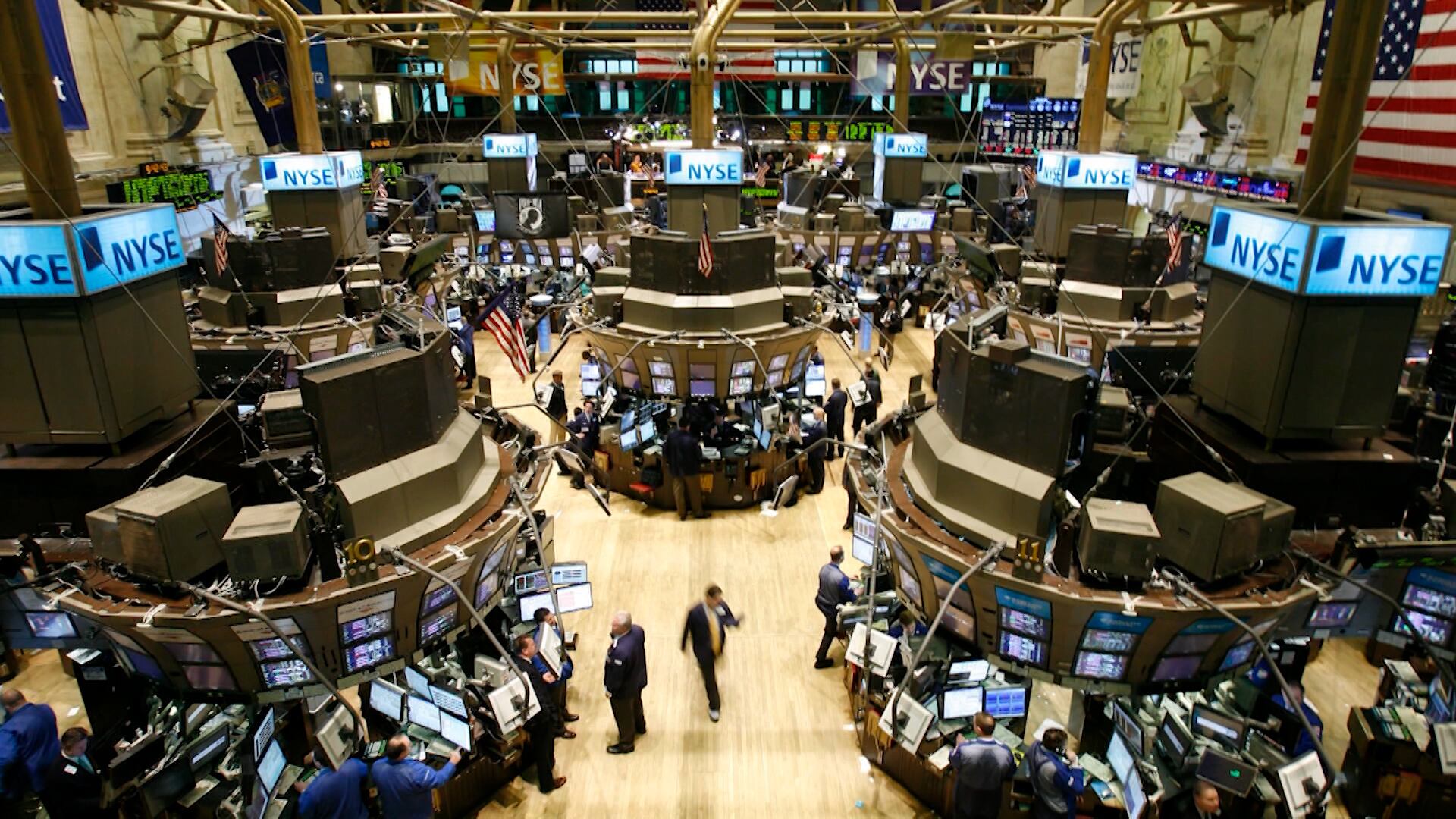
U.S. stocks closed Thursday at their lowest levels of the trading day, as investors continue to eye inflation ahead of the May CPI report out Friday. Art Hogan, Chief Market Strategist for National Holdings, joins Cheddar News' Closing Bell to discuss.
Creating a brand is one of the most important steps in building a business. It can help set you apart from the competition and tells customers what your values are, but many companies don't know how to brand themselves effectively. Tiana Von Johnson, CEO & Chief Brand Strategist of TVJ World, gives expert tips on the do’s and don’ts of branding.
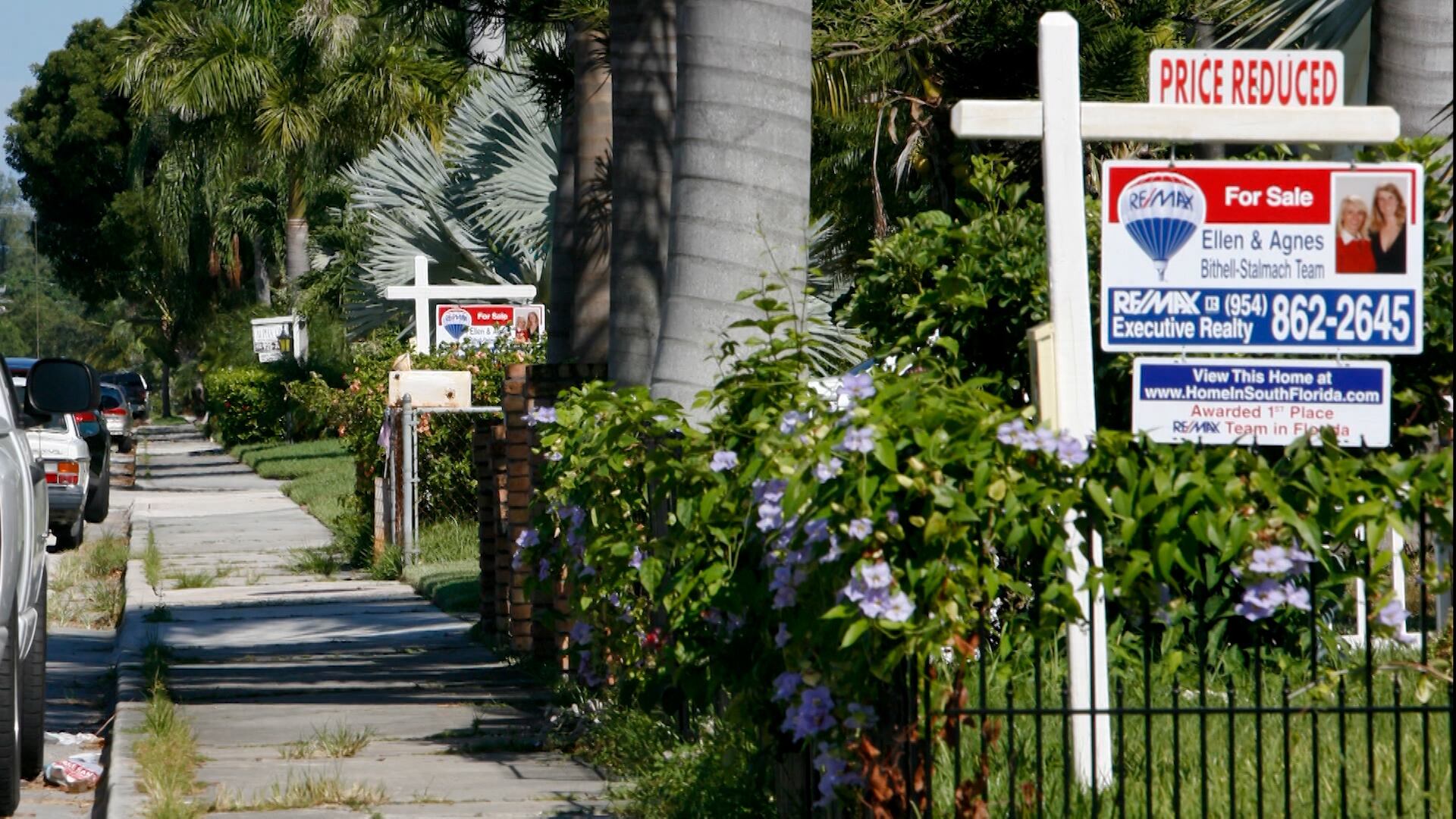
Housing affordability has collapsed to its lowest level on record over the last year. According to the national association of realtors, affordability has dropped by 29%, thanks to surging home prices and mortgage rates. Odeta Kushi, Deputy Chief Economist of First American, breaks down the housing market, and when buyers can expect prices to finally drop.
U.S. markets opened sharply lower on Friday on hotter-than-expected inflation data. The May CPI showed an 8.6% jump in consumer prices year-over-year, higher the expected 8.3%. Mark Howard, Senior Multi-Asset Specialist at BNP Paribas joined Cheddar's Opening Bell to discuss.
U.S. stocks closed Friday at session lows after May CPI data showed inflation in the U.S. has not peaked and is still rising rapidly. For the week, the S&P fell 5.06%, the Dow lost 4.58%, and the Nasdaq dropped 5.60%, marking the worst week since January for all three major indexes. Mike Zigmont, Head of Trading and Research at Harvest Volatility Management, joins Cheddar News' Closing Bell to discuss.
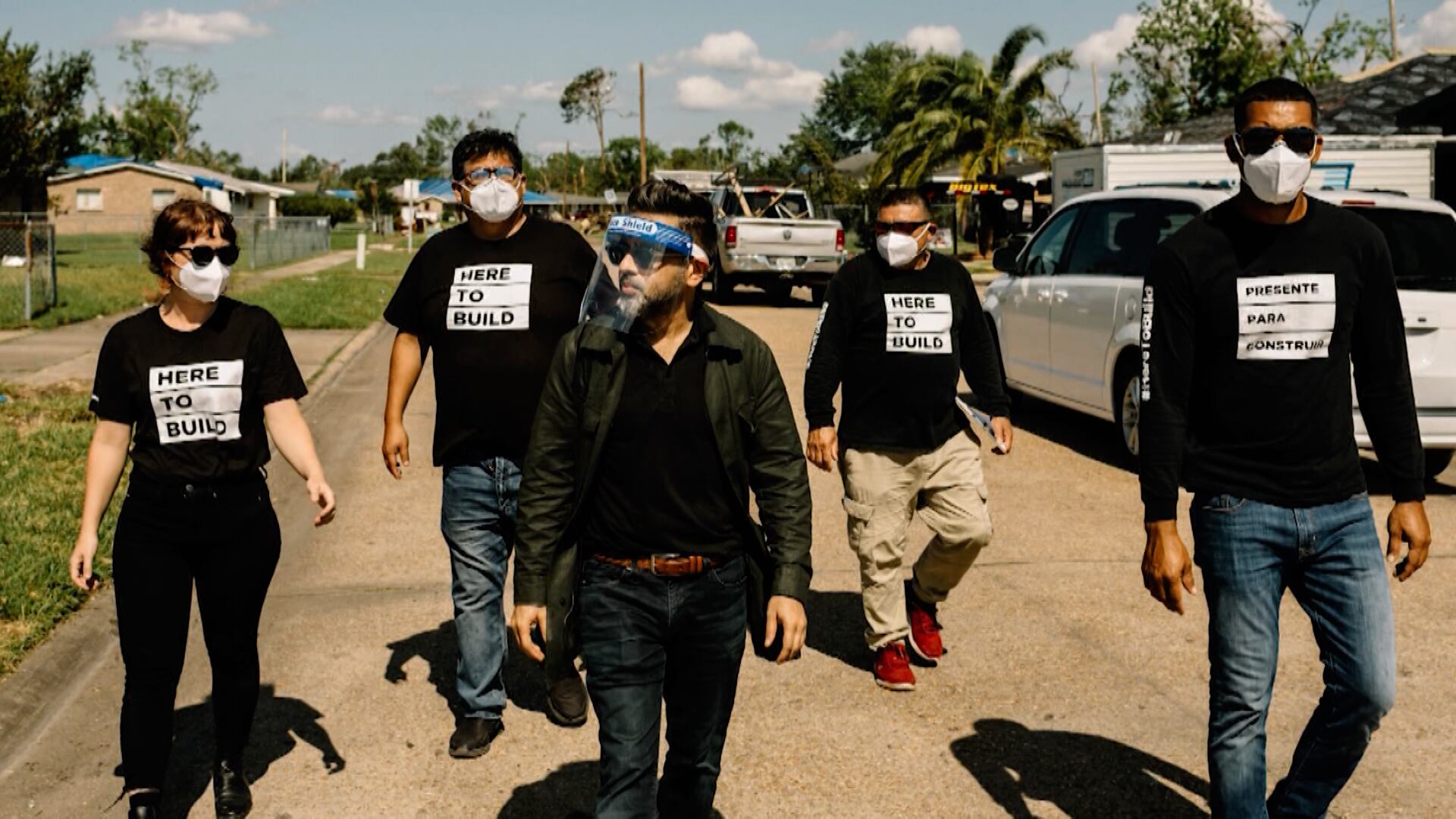
Residents often have to wait on federal assistance after a disaster, but one group has a solution: hiring community members to help clean up and improve their neighborhoods. Resilience Force tackles two problems at once by creating jobs in response to growing climate-related disasters. LaTanja Silvester, director of New Orleans programming for Resilience Force, joins Closing Bell to discuss how the organization creates jobs in communities that need help and higher employment, the importance of creating a "green" workforce, and more.
Benefits brokerage, Nava Benefits, raised $40 million in a Series B round. Nava says it's on a mission to fix healthcare, one benefits plan at a time. The startup is working to bring benefits to small business that are normally available to only Fortune 500 companies. Brandon Weber, Co-Founder and CEO of Nava Benefits, joined Cheddar News' Closing Bell to discuss.
Yung Lim, CEO and Fixed Income Strategist at FolioBeyond, joined Closing Bell to discuss the May CPI report, as inflation is still red-hot going into a key decision from the Federal Reserve about interest rates.
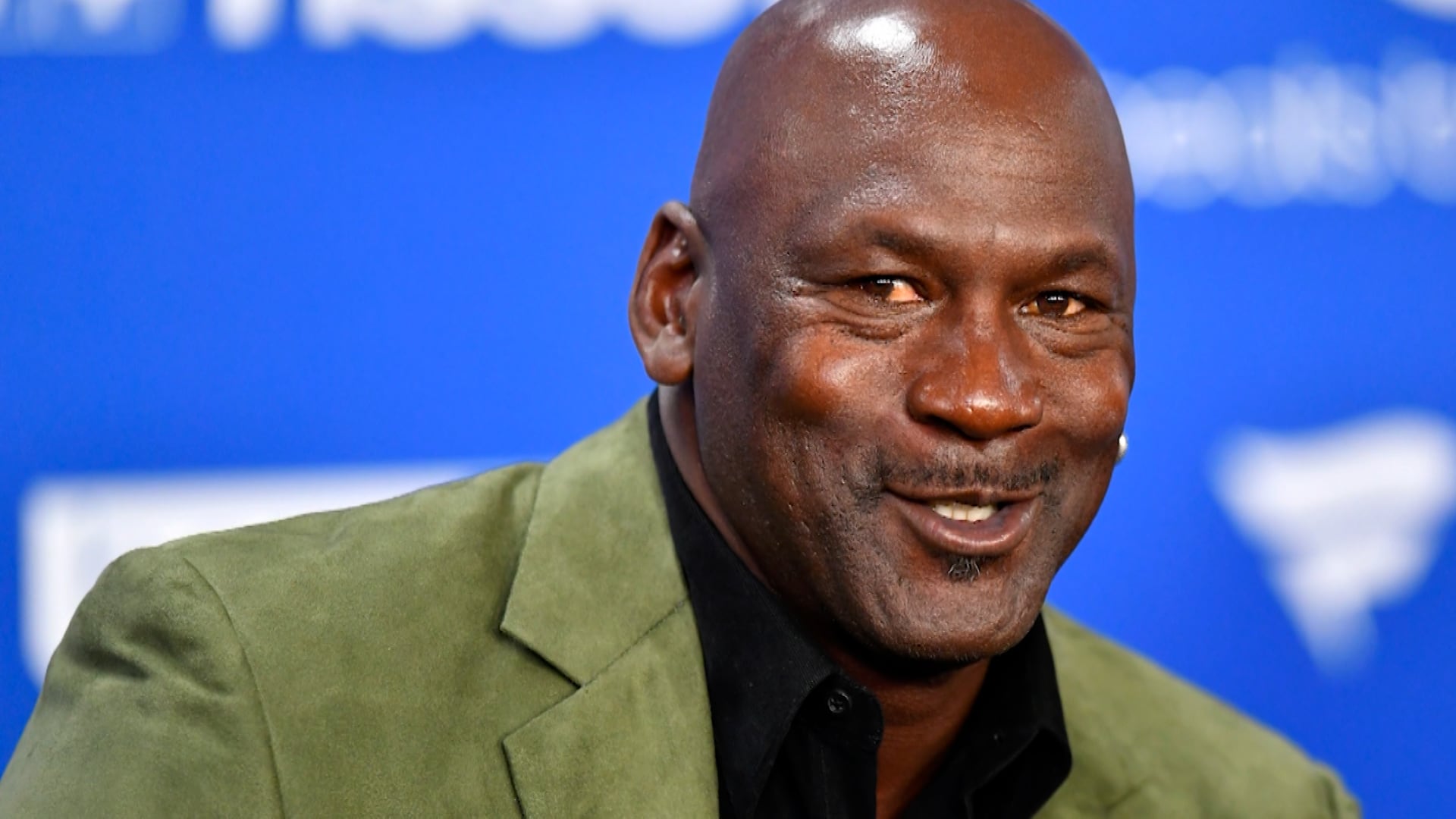
Auction house Christie's will be presenting "Legacy of the GOAT," which will include a rare Michael Jordan signed rookie card and sneakers. Caitlin Donovan, the vice president of Christie's handbags and accessories department. joined Cheddar News to discuss the special memorabilia selection for the NBA great. "He's been a global phenomenon, so he's really shaped '90s culture and streetwear culture," she said. "And we see bidders from every pocket in the world."