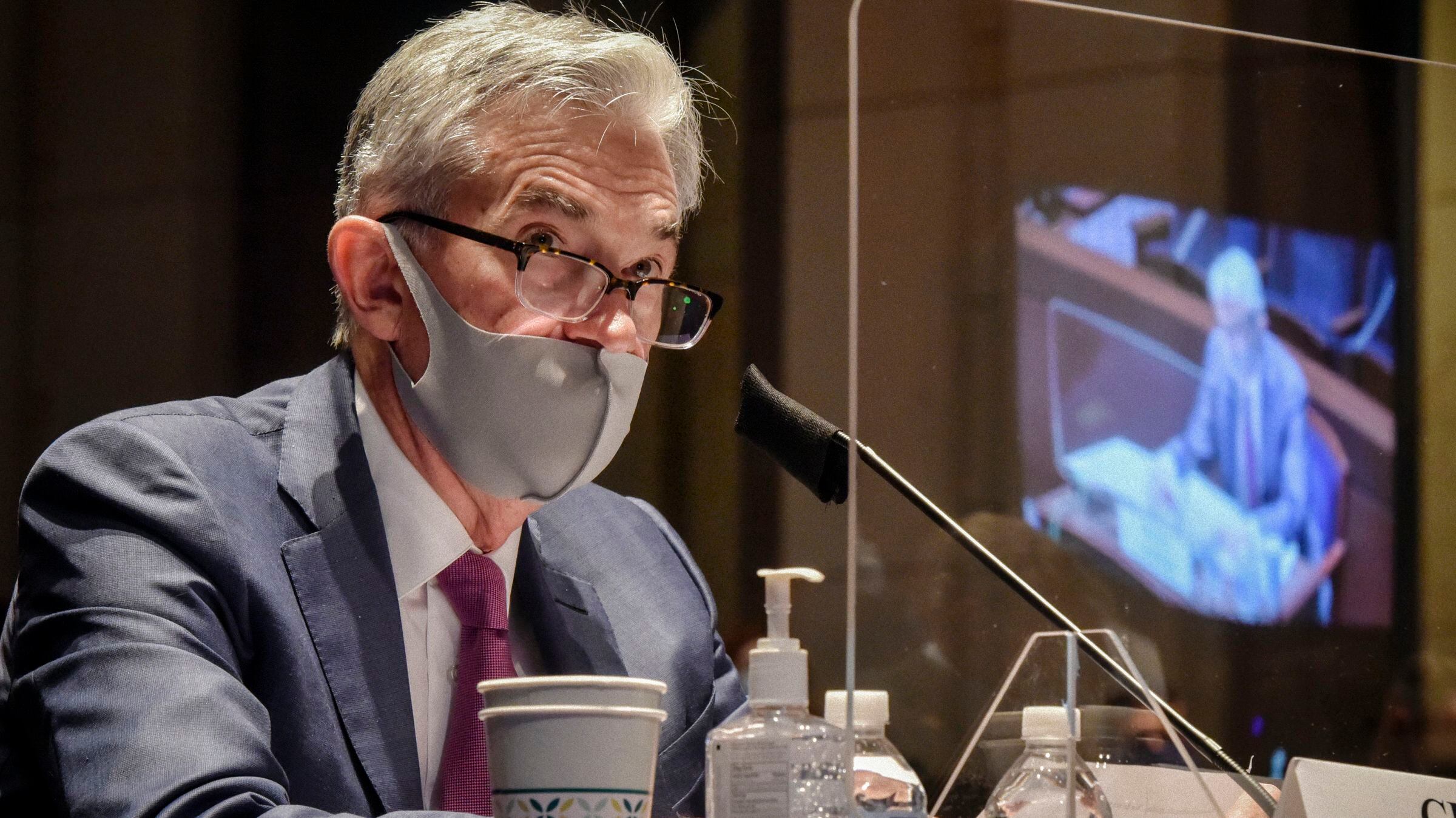
In this June 30, 2020, file photo Federal Reserve Board Chairman Jerome Powell, reflected in the sneeze guard set up between himself and members of the House Committee on Financial Services, speaks during a hearing on oversight of the Treasury Department and Federal Reserve pandemic response on Capitol Hill in Washington. The Federal Reserve adjusted its inflation target to seek price increases above 2% annually, a move that will likely keep interest rates low for years to come. The Fed on Wednesday, Sept. 16, also left its benchmark short-term rate unchanged at nearly zero, where it has been since the pandemic intensified in March. (Bill O'Leary/The Washington Post via AP, Pool)
By Christopher Rugaber
The Federal Reserve adjusted its inflation target to seek price increases above 2 percent annually, a move that will likely keep interest rates low for years to come.
The Fed on Wednesday also left its benchmark short-term rate unchanged at nearly zero, where it has been since the pandemic intensified in March. Fed officials also indicated in a set of economic projections that they expect the rate to stay there at least through 2023.
The Fed's benchmark interest rate influences borrowing costs for homebuyers, credit card users, and businesses.
The Fed's statement says that because inflation has mostly fallen below its target of 2 percent in recent years, Fed policymakers now "will aim to achieve inflation moderately above 2 percent for some time." It also says it will keep rates low until inflation averages 2 percent over an unspecified period.
The change is significant for the central bank because it means that Fed officials will accept higher inflation to make up for its previous shortfalls below 2 percent. Previously, the Fed has ignored such shortfalls.
Fed chair Jerome Powell first said last month that the Fed would seek inflation above 2 percent over time, rather than just keeping it as a static goal.
The change reflects a growing concern at the Fed that in recessions, inflation often falls far below 2 percent, but it doesn't necessarily reach 2 percent when the economy is expanding. Over time, that means inflation on average falls further from the target. As businesses and consumers come to expect increasingly lower inflation, they act in ways that entrench slower price gains.
The Fed prefers a little inflation because that gives the central bank more room to cut or raise short-term interest rates.
Joe Zhao, Managing Partner at Millennia Capital, joined Cheddar to discuss the latest stock moves and how the market is being impacted by artificial intelligence.
Wall Street was quiet early following a lackluster session a day earlier as markets await U.S. inflation data and high-profile corporate earnings reports later in the week.
The World Economic Forum says false and misleading information supercharged with cutting-edge artificial intelligence is the top immediate risk to the global economy.
CES 2024 starts this week in Las Vegas. It's set to feature swaths of the latest advances and gadgets across personal tech, transportation, health care, sustainability and more. Here's a list of the coolest announcements so far.
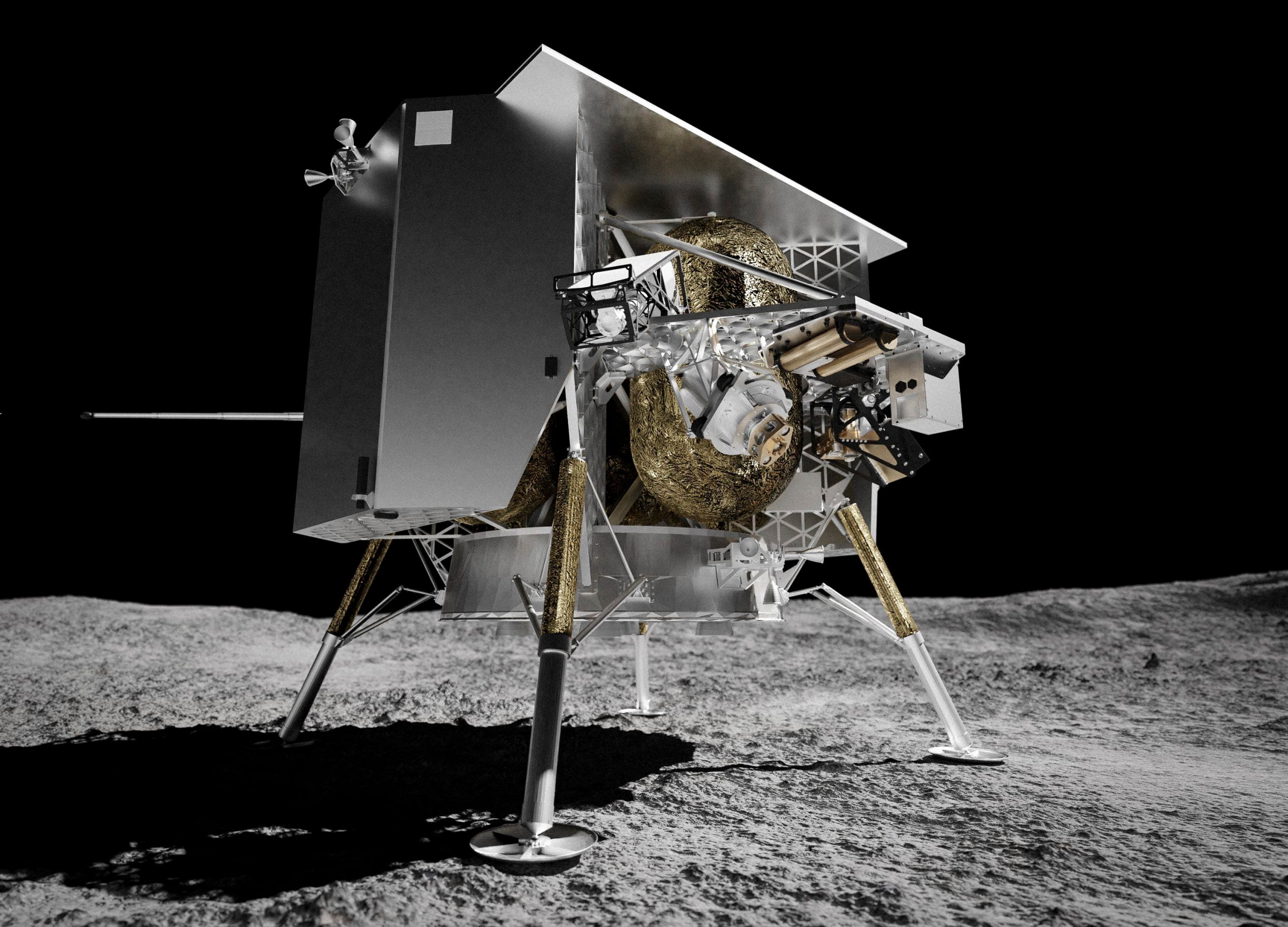
Astronauts will have to wait until next year before flying to the moon and another few years before landing on it. NASA on Tuesday announced the latest round of delays in its Artemis moon-landing program.
The Biden administration has enacted a new labor rule that aims to prevent the misclassification of workers as independent contractors. The labor department rule going into effect Tuesday replaces a scrapped Trump-era standard that lowered the bar for classifying employees as contractors
The KC-46 was to be the ideal candidate for a fixed-price development program. Instead, it has cost Boeing billions, and made industry wary of such deals.
Dave Long, CEO and Co-Founder of Orangetheory Fitness joins Cheddar to chat trends in the industry for 2024. He updates us on the company's plans to expand and what the state of the economy has meant for business.
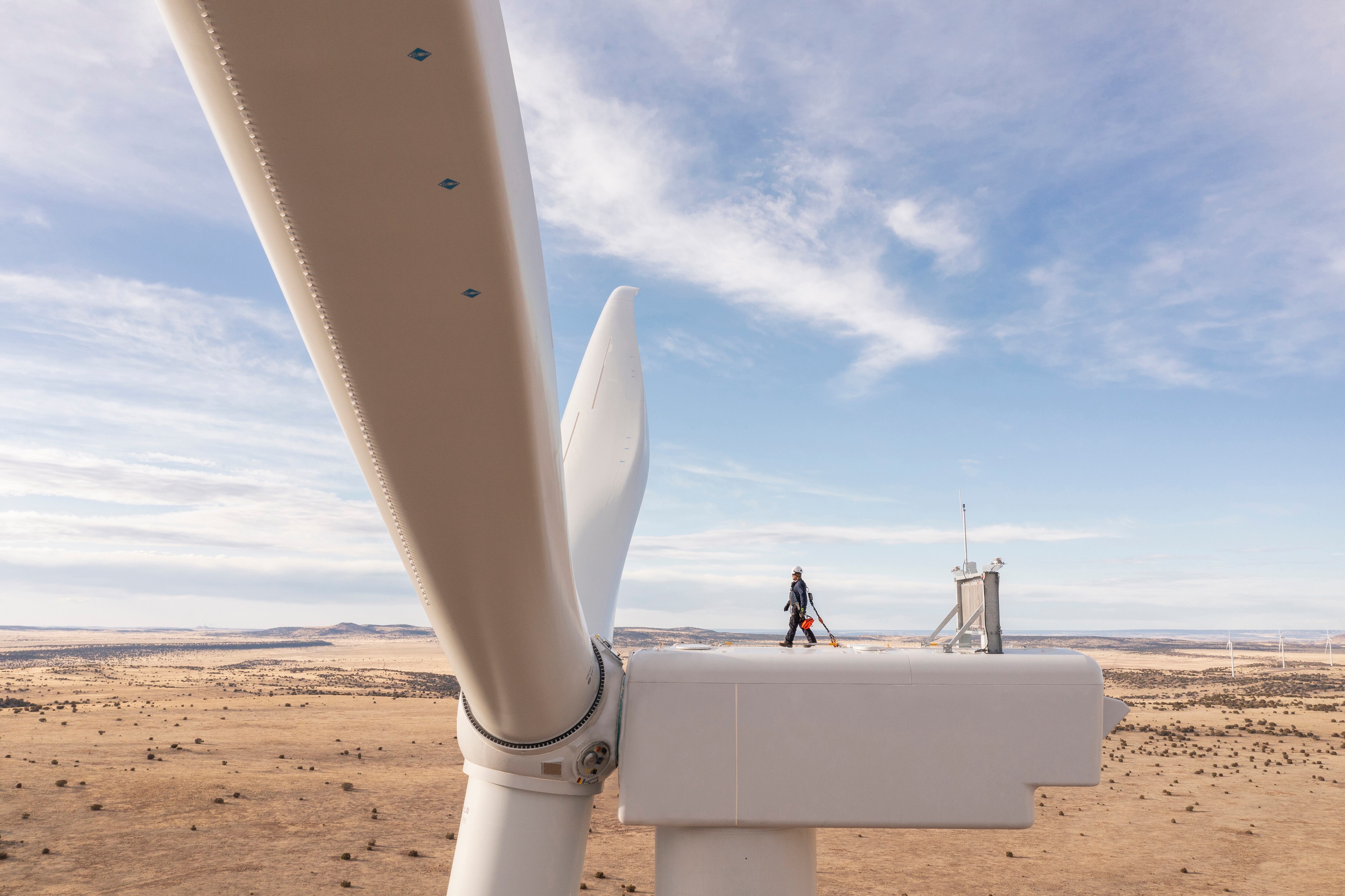
One of the world's largest renewable energy developers will be getting hundreds of wind turbines from General Electric spinoff GE Vernova as part of a record equipment order and long-term service deal.