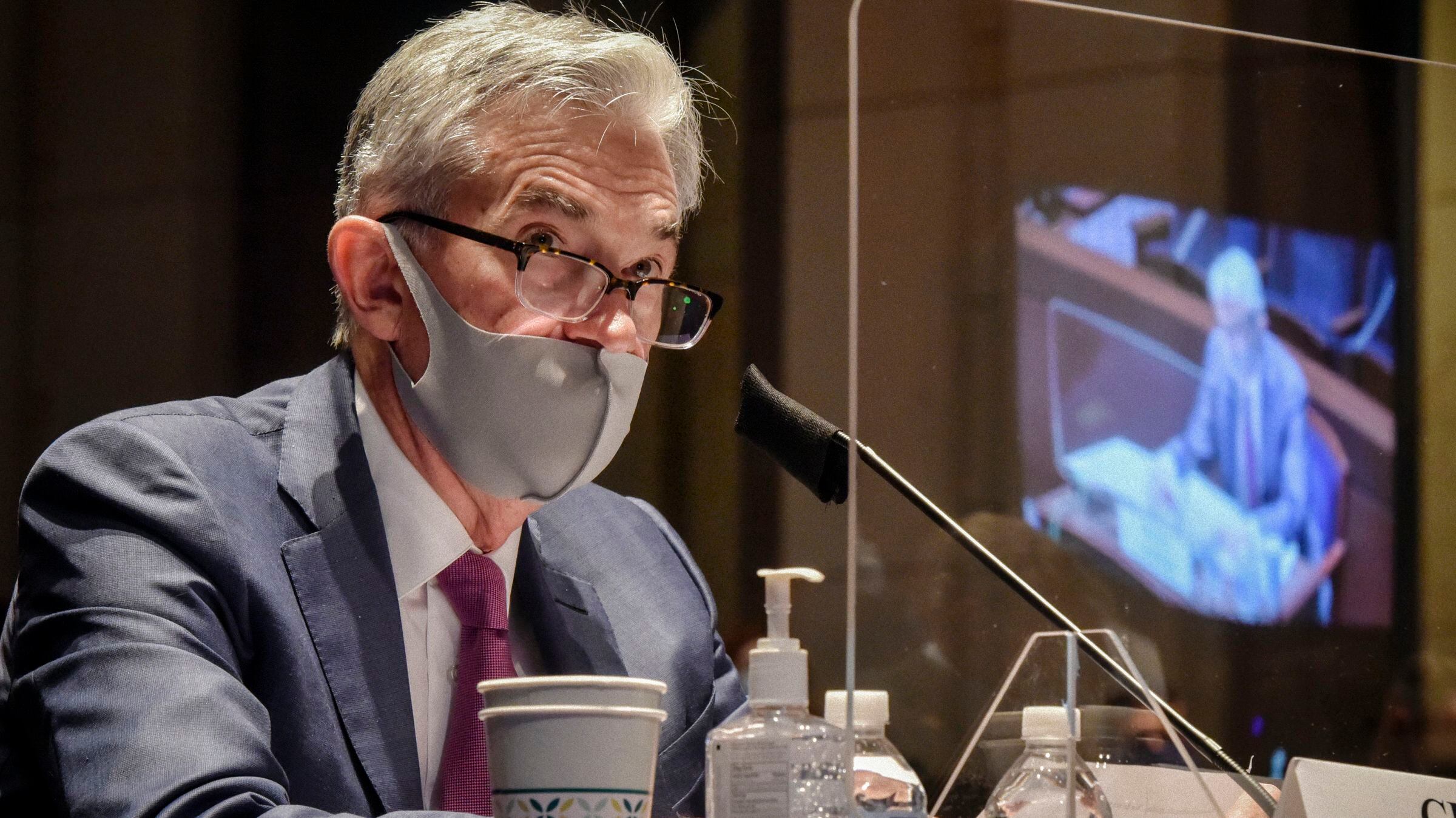
In this June 30, 2020, file photo Federal Reserve Board Chairman Jerome Powell, reflected in the sneeze guard set up between himself and members of the House Committee on Financial Services, speaks during a hearing on oversight of the Treasury Department and Federal Reserve pandemic response on Capitol Hill in Washington. The Federal Reserve adjusted its inflation target to seek price increases above 2% annually, a move that will likely keep interest rates low for years to come. The Fed on Wednesday, Sept. 16, also left its benchmark short-term rate unchanged at nearly zero, where it has been since the pandemic intensified in March. (Bill O'Leary/The Washington Post via AP, Pool)
By Christopher Rugaber
The Federal Reserve adjusted its inflation target to seek price increases above 2 percent annually, a move that will likely keep interest rates low for years to come.
The Fed on Wednesday also left its benchmark short-term rate unchanged at nearly zero, where it has been since the pandemic intensified in March. Fed officials also indicated in a set of economic projections that they expect the rate to stay there at least through 2023.
The Fed's benchmark interest rate influences borrowing costs for homebuyers, credit card users, and businesses.
The Fed's statement says that because inflation has mostly fallen below its target of 2 percent in recent years, Fed policymakers now "will aim to achieve inflation moderately above 2 percent for some time." It also says it will keep rates low until inflation averages 2 percent over an unspecified period.
The change is significant for the central bank because it means that Fed officials will accept higher inflation to make up for its previous shortfalls below 2 percent. Previously, the Fed has ignored such shortfalls.
Fed chair Jerome Powell first said last month that the Fed would seek inflation above 2 percent over time, rather than just keeping it as a static goal.
The change reflects a growing concern at the Fed that in recessions, inflation often falls far below 2 percent, but it doesn't necessarily reach 2 percent when the economy is expanding. Over time, that means inflation on average falls further from the target. As businesses and consumers come to expect increasingly lower inflation, they act in ways that entrench slower price gains.
The Fed prefers a little inflation because that gives the central bank more room to cut or raise short-term interest rates.
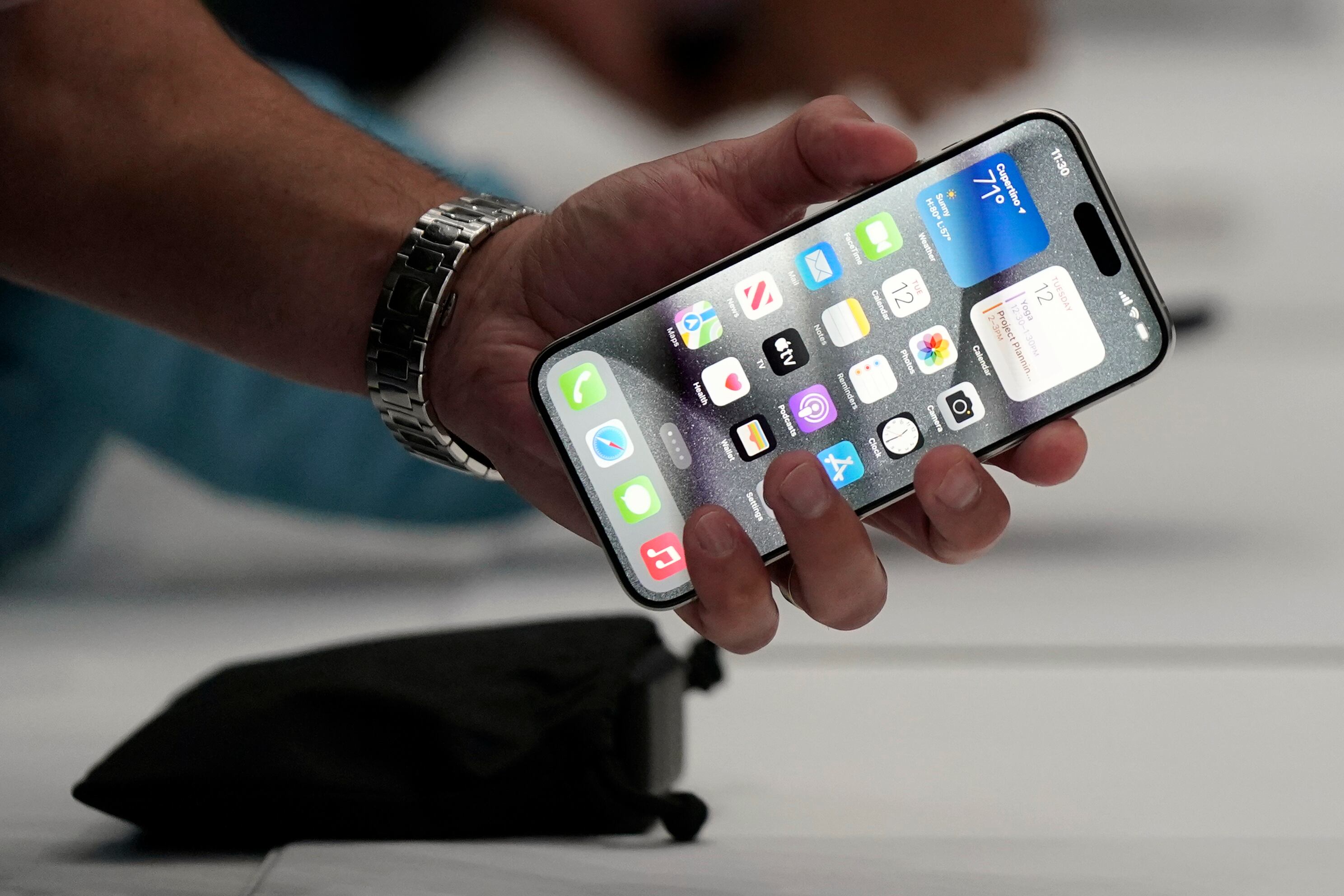
Apple has rolled out an update to its operating system this week with a feature called Stolen Device Protection. It makes it a lot harder for phone thieves to access key functions and settings, and users are being urged to turn it on immediately.
The U.S. economy grew at an unexpectedly brisk 3.3% annual pace from October through December as Americans showed a continued willingness to spend freely despite high interest rates and frustrating price levels.
Alan Becker, CEO and Investment Adviser Representative at Retirement Solutions Group and RSG Investments, shares his thoughts on the latest GDP data plus why he's not sold cryptocurrency as a long-term asset.
The Biden administration wants to ban another type of bank “junk fee," targeting fees that are typically charged by banks when a transaction is declined in real time.
Al Root, senior writer at Barron’s, breaks down everything expected from Tesla’s earnings report, from Elon Musk’s demands from the board to why the market has been looking for affordable EV options.
Online retailer eBay Inc. will cut about 1,000 jobs, or an estimated 9% of its full-time workforce. The announcement follows similar moves by other tech companies that ramped up hiring during the pandemic while people spent more time and money online.
Tony Drake, CFP at Drake and Associates, LLC shares thoughts on whether the record gains in technology will broaden to other sectors, the risks of the Fed keeping interest rates higher for too long, and the health of the U.S. consumer.