In this June 30, 2020, file photo Federal Reserve Board Chairman Jerome Powell, reflected in the sneeze guard set up between himself and members of the House Committee on Financial Services, speaks during a hearing on oversight of the Treasury Department and Federal Reserve pandemic response on Capitol Hill in Washington. The Federal Reserve adjusted its inflation target to seek price increases above 2% annually, a move that will likely keep interest rates low for years to come. The Fed on Wednesday, Sept. 16, also left its benchmark short-term rate unchanged at nearly zero, where it has been since the pandemic intensified in March. (Bill O'Leary/The Washington Post via AP, Pool)
By Christopher Rugaber
The Federal Reserve adjusted its inflation target to seek price increases above 2 percent annually, a move that will likely keep interest rates low for years to come.
The Fed on Wednesday also left its benchmark short-term rate unchanged at nearly zero, where it has been since the pandemic intensified in March. Fed officials also indicated in a set of economic projections that they expect the rate to stay there at least through 2023.
The Fed's benchmark interest rate influences borrowing costs for homebuyers, credit card users, and businesses.
The Fed's statement says that because inflation has mostly fallen below its target of 2 percent in recent years, Fed policymakers now "will aim to achieve inflation moderately above 2 percent for some time." It also says it will keep rates low until inflation averages 2 percent over an unspecified period.
The change is significant for the central bank because it means that Fed officials will accept higher inflation to make up for its previous shortfalls below 2 percent. Previously, the Fed has ignored such shortfalls.
Fed chair Jerome Powell first said last month that the Fed would seek inflation above 2 percent over time, rather than just keeping it as a static goal.
The change reflects a growing concern at the Fed that in recessions, inflation often falls far below 2 percent, but it doesn't necessarily reach 2 percent when the economy is expanding. Over time, that means inflation on average falls further from the target. As businesses and consumers come to expect increasingly lower inflation, they act in ways that entrench slower price gains.
The Fed prefers a little inflation because that gives the central bank more room to cut or raise short-term interest rates.
International Master Alice Lee defeated grandmaster Irina Krush to win the American Cup – becoming one of the best women players in the world in the process – but she’s not stopping there.
You can track your sleep habits or heart rate, but how about your brain? Neurable's MW75-Neuro headphones turn your focus and productivity into data you can use to avoid burnout – here's how they do it.
Whether it’s a deepfake video of actor Tom Cruise discovering gum in a lollipop or President Joe Biden discouraging people from voting via telephone, you’ve likely come across a deepfake video, photo or audio recording.
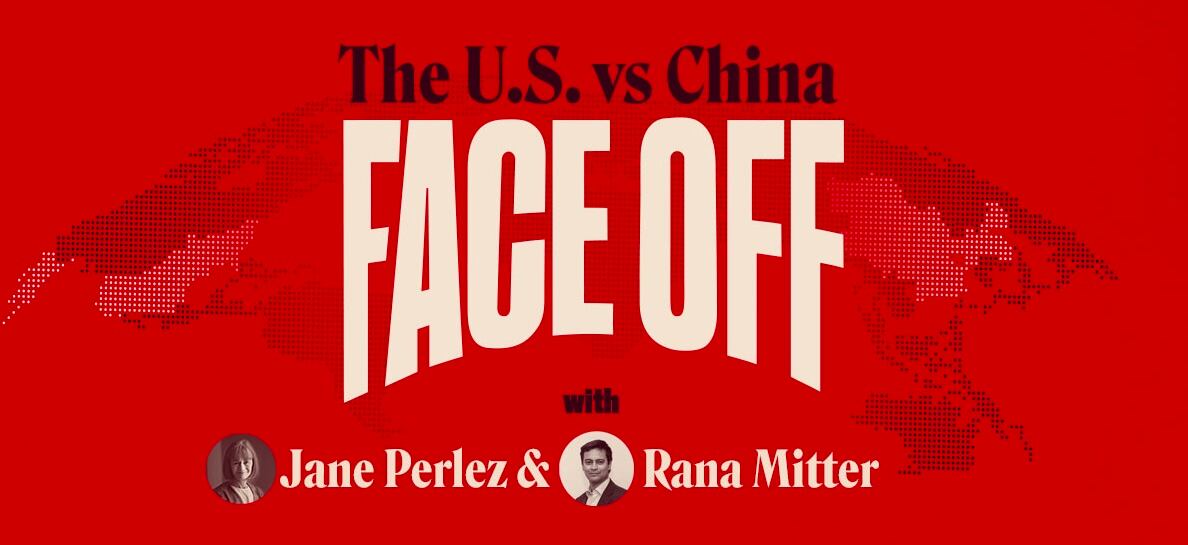
Tensions in the South China Sea, Apple moving to India, and banning TikTok? The podcast ‘Face Off: The U.S. Versus China’ helps explain how we got here.
Cust2Mate is a leading innovator in retail technology, aiming to revolutionize the shopping experience. By implementing smart cart technology, the tech company addresses the issue of theft while enhancing the shopper's journey.
The Biden administration has unveiled a plan, Plan B, to address the student loan debt crisis. It offers to cancel up to $20,000 in interest for borrowers enrolled in income-driven repayment plans. This proposal aims to reset balances for those facing growing debt due to unpaid interest, benefiting low—and middle-income borrowers. An estimated 25 million borrowers are eligible for some form of interest forgiveness.
As we head into the second quarter, there’s an argument in favor of buying Boeing stock. Why? As one expert says, ‘there’s nowhere else to get planes.’