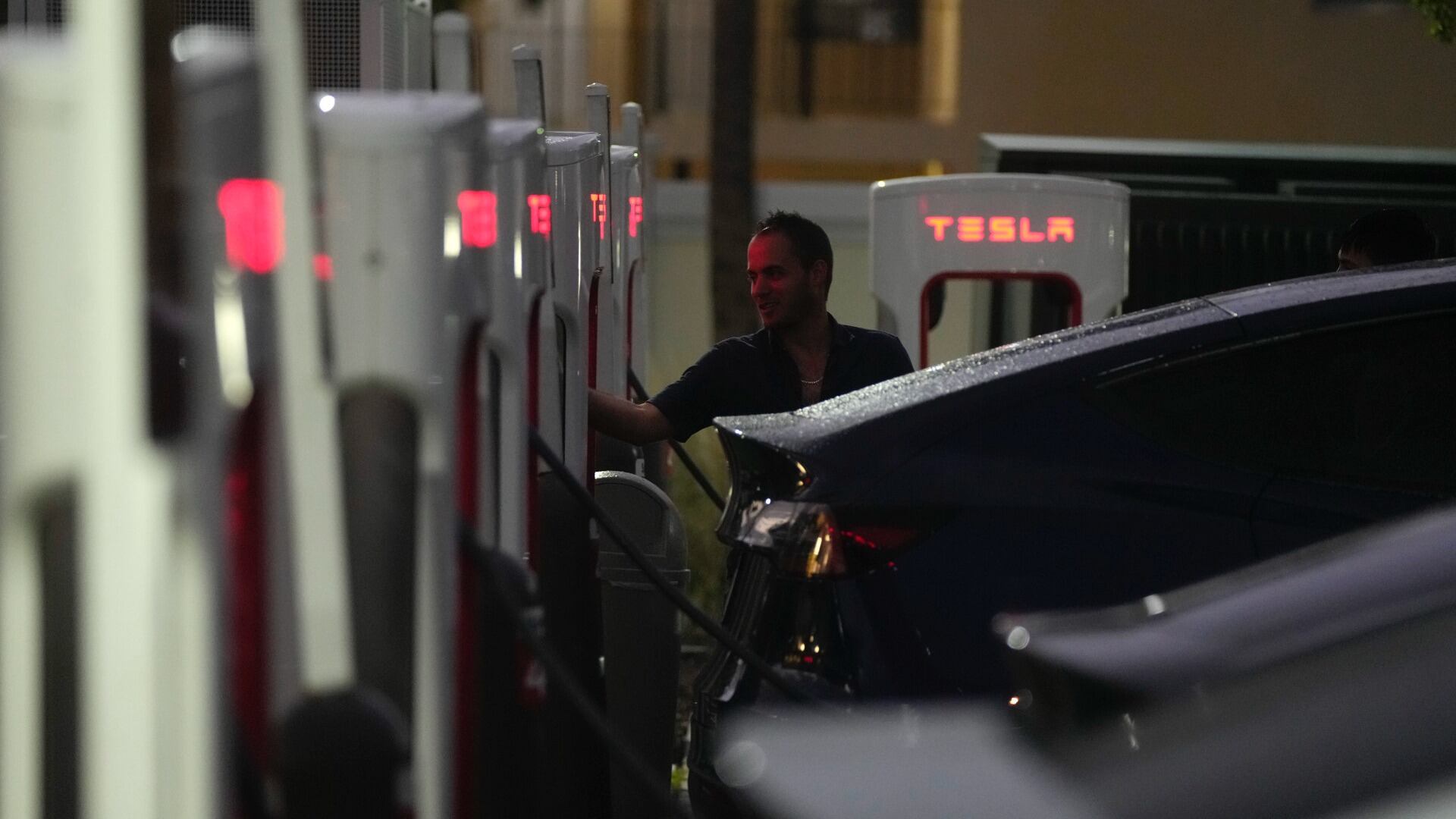
A driver charges his car at a Tesla Supercharger station, Wednesday, Nov. 16, 2022, in Miami. A tweet from Elon Musk indicating that Tesla might allow some owners who are testing a "Full Self-Driving" system to disable an alert that reminds them to keep their hands on the steering wheel has drawn attention from U.S. safety regulators. (AP Photo/Rebecca Blackwell, File)
The National Highway Traffic Safety Administration (NHTSA) is investigating a tweet from Elon Musk indicating Tesla might allow some customers who are testing the company's "Full Self-Driving" system to disable an alert that tells them to keep their hands on the wheel.
The tweet caught the agency's eye because it is currently investigating whether Tesla's autopilot feature was involved in 11 crashes with emergency vehicles since the company started beta-testing the system in 2021. The electric vehicle maker said earlier this year that 15 percent of the 160,000 Tesla vehicles on U.S. roads are participating in the beta.
Musk has noted multiple times in the past that Tesla vehicles are not ready for fully automated driving. Tesla's website also states that both the Autopilot and Full Self-Driving systems require a “fully attentive driver who has their hands on the wheel and is prepared to take over at any moment.”
Why Tesla would get rid of the alert then is unclear. As part of the broader investigation into the feature, NHTSA has asked Musk to clarify what exactly he meant in the tweet.
NHTSA previously pointed out that numerous Tesla crashes have occurred in which the driver had their hands on the wheel but was still not paying attention, even with alerts telling them to pay attention.
Musk's tweet was a reply to a fan on twitter who proposed that drivers with more than 10,000 miles on the "Full Self-Driving" mode should be able to turn off the so-called "steering wheel nag."
Musk tweeted back, “Agreed, update coming in Jan.”
A Senate bill unveiled on Wednesday looks to tackleonline safety for children by regulating Big Tech and social media platforms to deter users from content that can harm their mental health. Irene Ly, a policy counsel for the age-based ratings and review organization Common Sense Media, joined Cheddar News to break down the potential of the Kids Online Safety Act. "We can't be imposing such a big burden on parents to be doing it all on theirselves," Ly said. "I think you also have to keep in mind that parents often didn't grow up with social media, so they don't understand what it's like to be addicted to social media or really understand how they work."
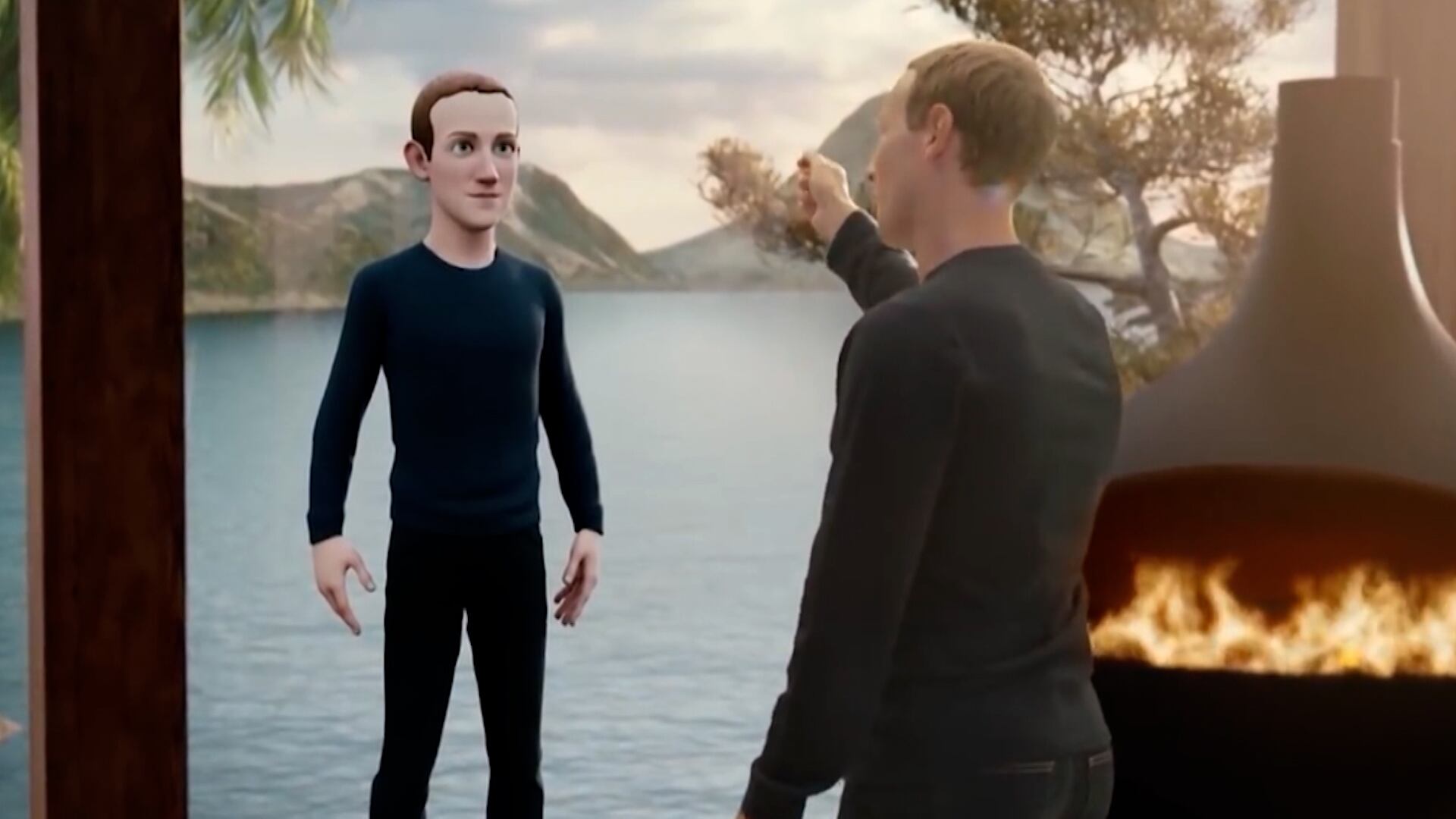
While many still remain skeptical about the metaverse, big tech firms and even one big bank are ready to expand their virtual worlds. Facebook parent company has pivoted so hard it will now call its employees 'Metamates,' and even JPMorgan Chase has created its own digital lounge on one virtual platform. While the sector remains young, there seems to be significant investment opportunity, especially with companies like Nvidia. Adam Johnson, a portfolio strategist at Adviser Investments, joins Closing Bell to discuss which companies could win in this space, consumer appetite, and more.
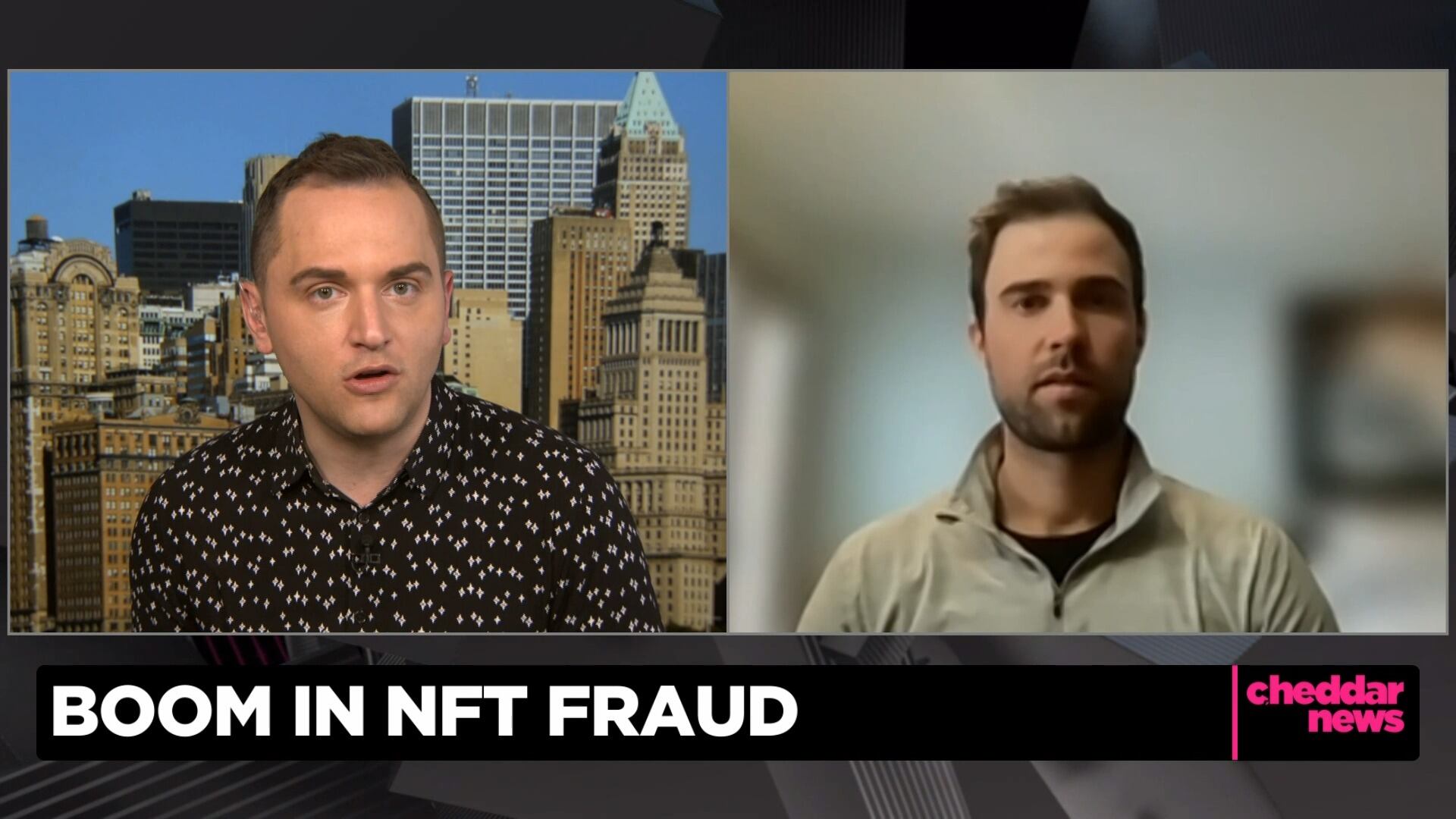
Marc Blinder, Co-Founder and CEO of Aikon, joins Cheddar News' Closing Bell, where he discusses how his company is helping businesses use blockchain applications without needing to learn the intricacies of the new technology.
Senators Richard Blumenthal (D-Conn.) and Marsha Blackburn (R-Tenn.) have introduced a new bill to afford greater protection to minors on social media. The genesis of the Kids Online Safety Act came from a Facebook whistleblower case exposing the harm apps can have on the mental health of young girls.
Ride share competitors Uber and Lyft both posted their fourth quarter earnings days apart from each other. Both companies have been trying to get back on their feet after taking some pandemic-related hits, but the Omicron variant had other ideas as the year came to a close, with each company taking a hit in ridership in December. Lance Ippolito, head trader at The Future of Wealth explains how Uber and Lyft measured up this earnings period and why Uber may still have an edge over the competition.