In its latest emergency action, the Federal Reserve is establishing a lending facility to buy short-term loans from banks and companies to ease the flow of credit as the economy grinds to a halt from the viral outbreak.
The Fed announced Tuesday that it's reviving a program it first used during the 2008 financial crisis to unclog a short-term lending market for what is known as “commercial paper.” Large businesses issue commercial paper to raise cash to meet payrolls and cover other short-term costs.
Borrowing rates in the commercial paper market have been spiking as more companies have sought to raise cash in the expectation that their revenue will plunge.
At the same time, money market funds, among the largest buyers of the short-term loans, are seeking to sell commercial paper themselves. They need to raise money because they expect large institutional investors to withdraw funds, and they need cash to cover those withdrawals.
All that activity has made it harder for banks and other companies to raise the cash they need.
In its announcement, the Fed said it has set up an investment vehicle to buy the commercial paper with the approval of the Treasury Department. The Treasury has also committed to guaranteeing up to $10 billion of the loans, to prevent the Fed from taking losses.
“An improved commercial paper market will enhance the ability of businesses to maintain employment and investment as the nation deals with the coronavirus outbreak,” the Fed said in a statement.
Nearly 40% of Americans choose travel over financial stability, funding trips on credit and sacrificing other budget line items to take a vacation — because live fast or die trying.
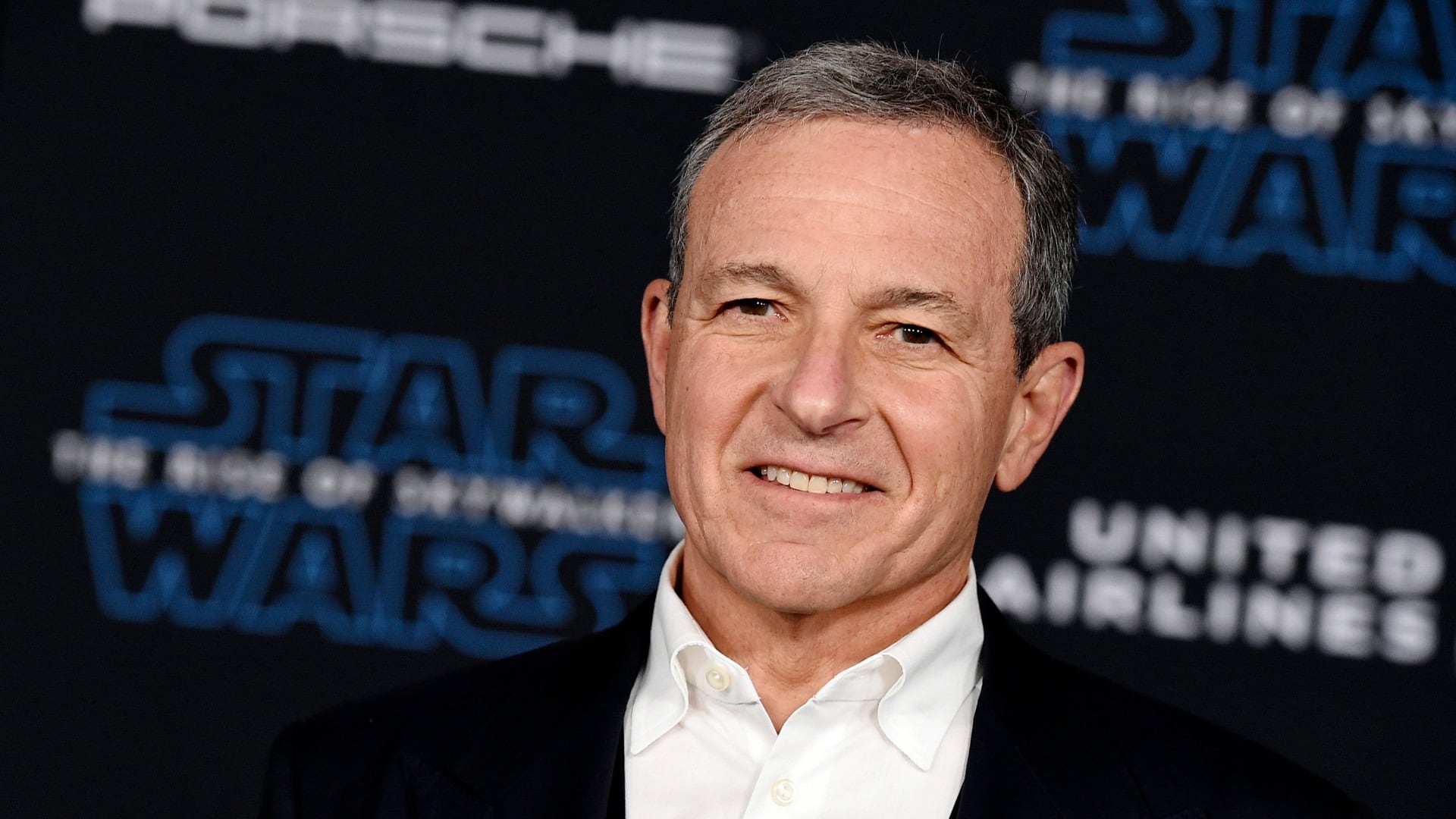
Disney shareholders have rallied behind longtime CEO Robert Iger. They voted Wednesday to rebuff activist investor Nelson Peltz and his ally, former Disney chief financial officer Jay Rasulo.
Student loan borrowers have the ability to earn retirement funds pegged to their payments – and the company Summer might be bringing it to your workplace.
It might not be what investors want to hear… but bringing down inflation could mean interest rates stay higher for (even) longer. But it's not all downside.
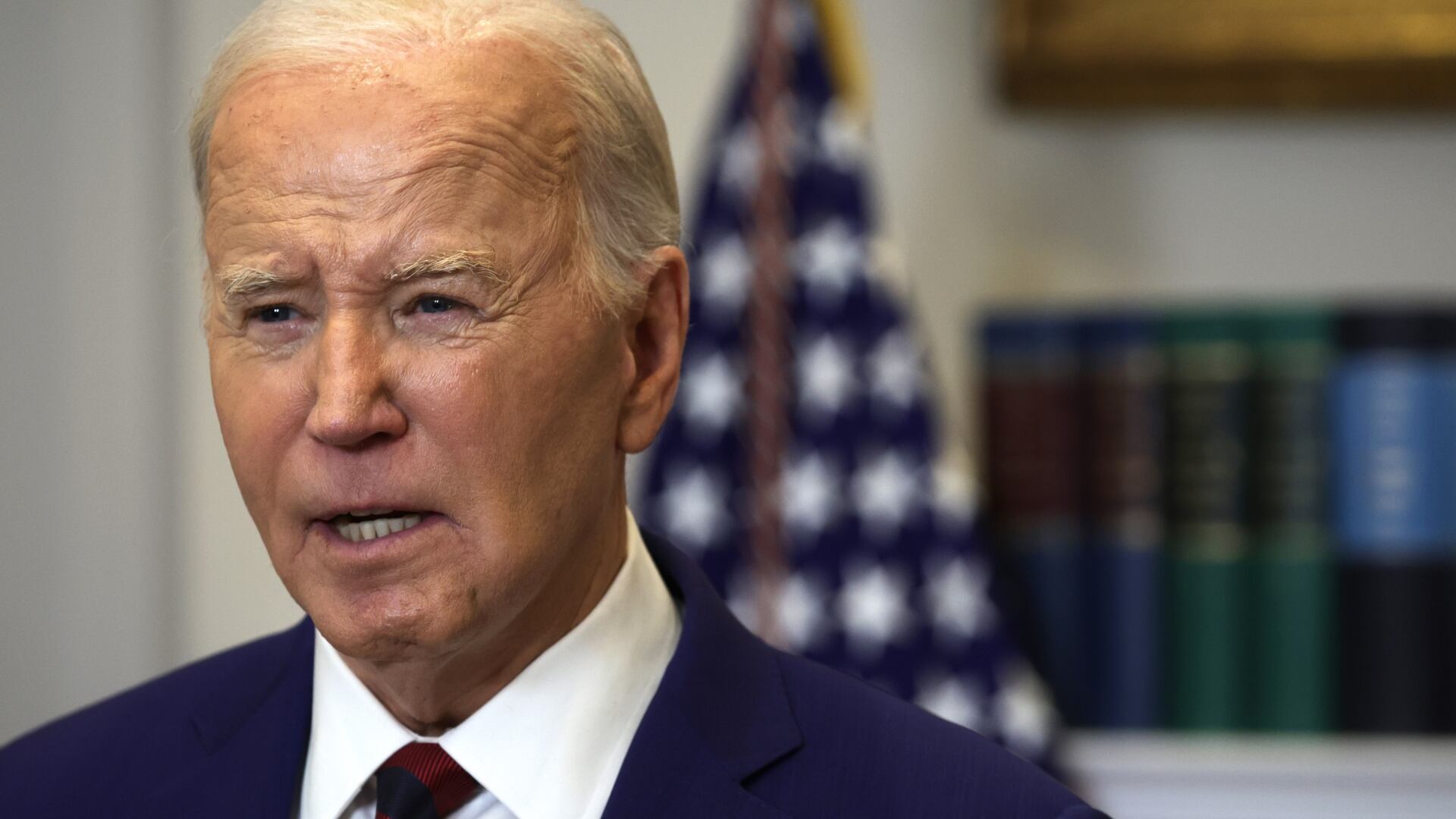
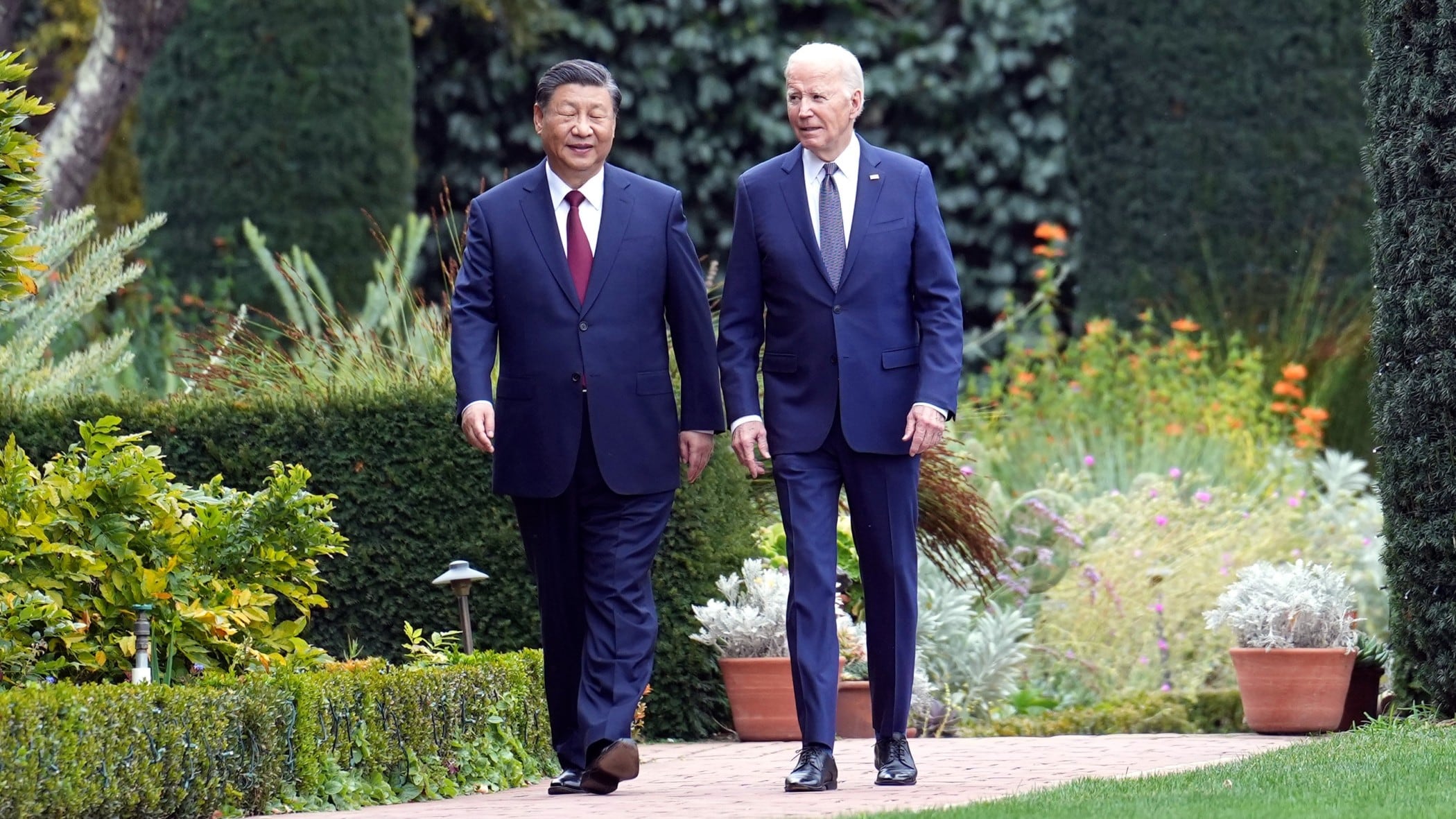
President Joe Biden and Chinese President Xi Jinping have discussed Taiwan, artificial intelligence and security issues in a call meant to demonstrate a return to regular leader-to-leader dialogue between the two powers.
April is Earth month, and while the green revolution might feel far away, the founder of climate VC Siam Capital says it’s on it’s way, and, even better: it won't cost you more.