By Christopher Rugaber
In its latest emergency action, the Federal Reserve is establishing a lending facility to buy short-term loans from banks and companies to ease the flow of credit as the economy grinds to a halt from the viral outbreak.
The Fed announced Tuesday that it's reviving a program it first used during the 2008 financial crisis to unclog a short-term lending market for what is known as “commercial paper.” Large businesses issue commercial paper to raise cash to meet payrolls and cover other short-term costs.
Borrowing rates in the commercial paper market have been spiking as more companies have sought to raise cash in the expectation that their revenue will plunge.
At the same time, money market funds, among the largest buyers of the short-term loans, are seeking to sell commercial paper themselves. They need to raise money because they expect large institutional investors to withdraw funds, and they need cash to cover those withdrawals.
All that activity has made it harder for banks and other companies to raise the cash they need.
In its announcement, the Fed said it has set up an investment vehicle to buy the commercial paper with the approval of the Treasury Department. The Treasury has also committed to guaranteeing up to $10 billion of the loans, to prevent the Fed from taking losses.
“An improved commercial paper market will enhance the ability of businesses to maintain employment and investment as the nation deals with the coronavirus outbreak,” the Fed said in a statement.
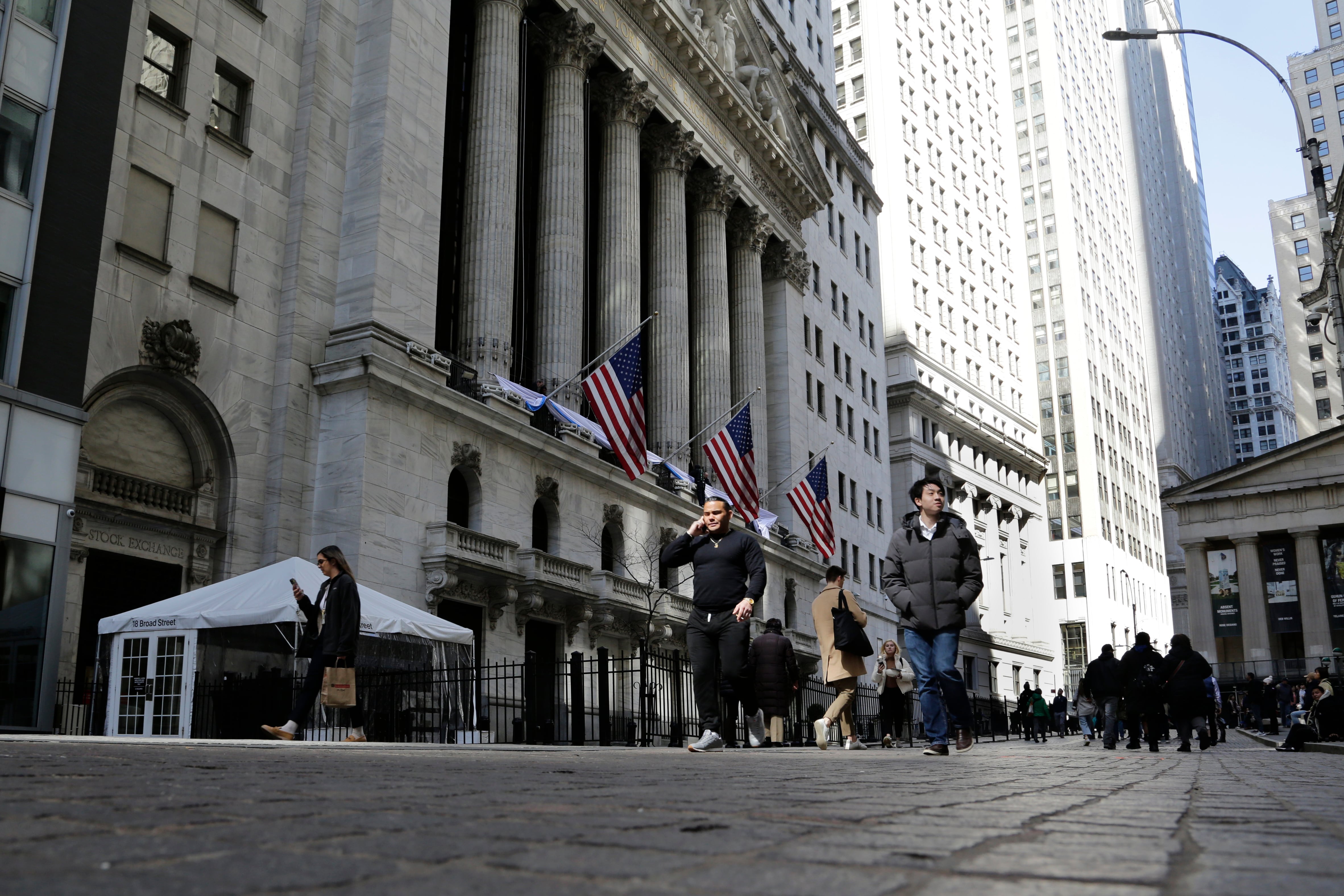
Stocks fell in the opening session Tuesday as earnings reports continued to pour in and as investors brace for the Federal Reserve's interest-rate decision on Wednesday.
What to Know About Open Enrollment
A flow of recent data from the U.S. government has made one thing strikingly clear: A surge in consumer spending is fueling strong growth, demonstrating a resilience that has confounded economists, Federal Reserve officials and even the sour sentiments that Americans themselves have expressed in opinion polls.
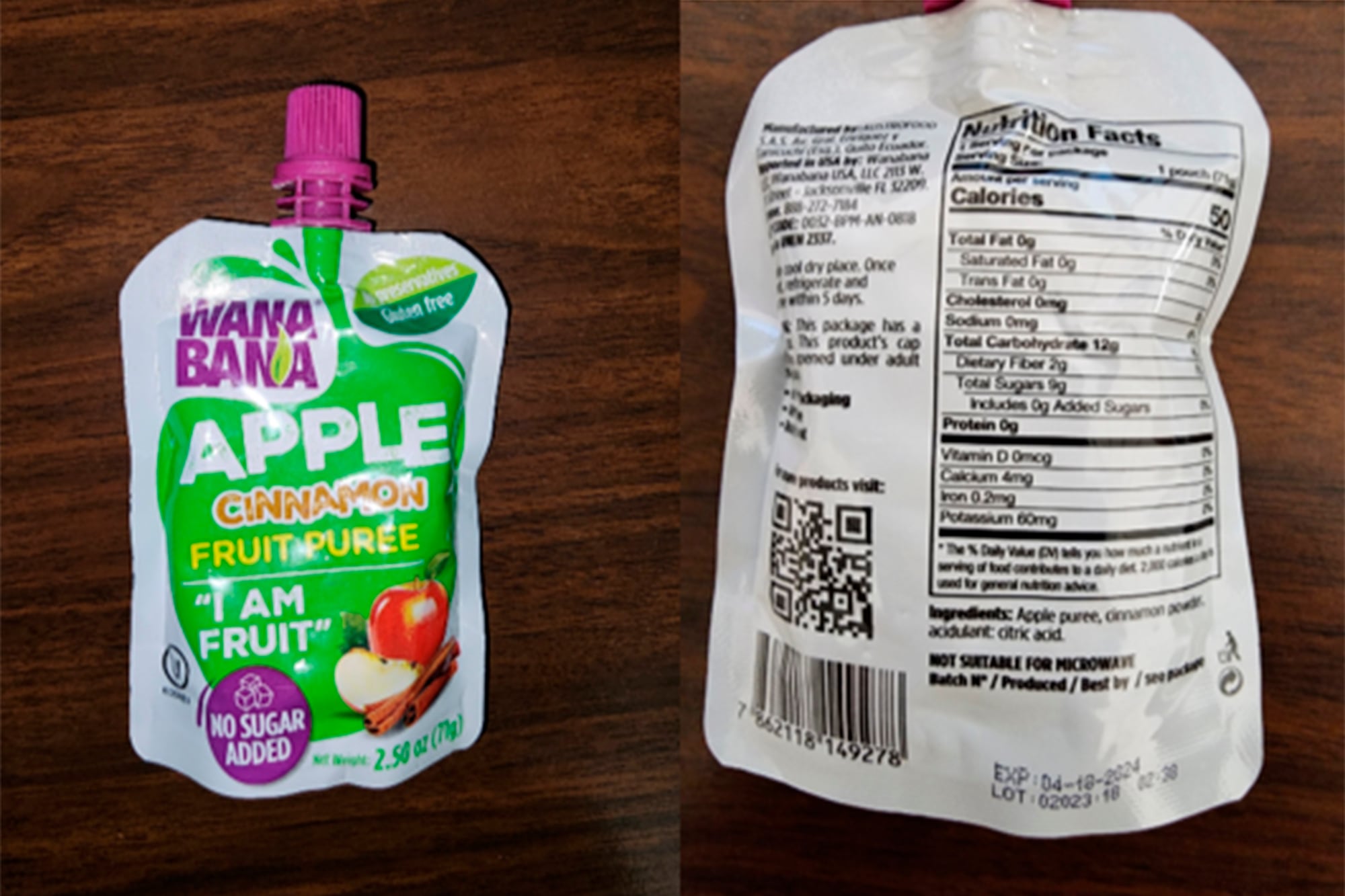
The U.S. Food and Drug Administration is warning parents and caregivers not to buy or serve certain pureed fruit pouches marketed to toddlers and young children because the food might contain dangerous levels of lead.
Some pumpkin farmers in the West, particularly wholesalers in places like Colorado and New Mexico, are feeling the pinching effects of drought.
General Motors and the United Auto Workers union have reached a tentative contract agreement that could end a six-week-old strike against Detroit automakers, three people briefed on the deal said.
Apple's 8pm ET event Monday will revolve around its iMAC computer lineup of products which are expected to contain its new faster and three next-generation silicon chip.
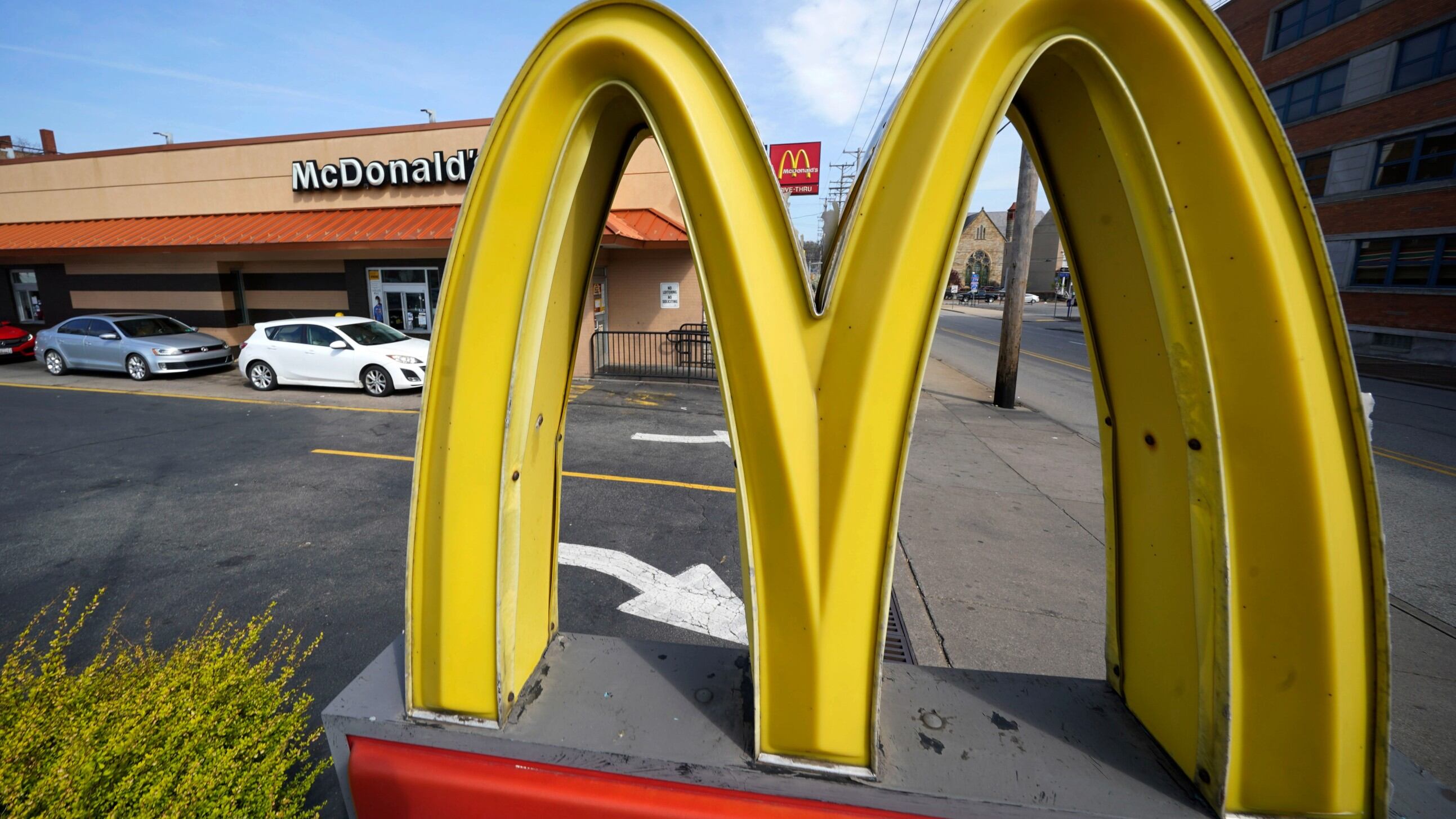
McDonald's reported better-than-expected profit and sales in the third quarter.
Major stock indexes are slated to close lower this month as investors brace for the Federal Reserve's rate decision and ahead of new jobs data.
The Food and Drug Administration issued an alert and specifically mentioned 26 eye drop products from a number of brands.