In its latest emergency action, the Federal Reserve is establishing a lending facility to buy short-term loans from banks and companies to ease the flow of credit as the economy grinds to a halt from the viral outbreak.
The Fed announced Tuesday that it's reviving a program it first used during the 2008 financial crisis to unclog a short-term lending market for what is known as “commercial paper.” Large businesses issue commercial paper to raise cash to meet payrolls and cover other short-term costs.
Borrowing rates in the commercial paper market have been spiking as more companies have sought to raise cash in the expectation that their revenue will plunge.
At the same time, money market funds, among the largest buyers of the short-term loans, are seeking to sell commercial paper themselves. They need to raise money because they expect large institutional investors to withdraw funds, and they need cash to cover those withdrawals.
All that activity has made it harder for banks and other companies to raise the cash they need.
In its announcement, the Fed said it has set up an investment vehicle to buy the commercial paper with the approval of the Treasury Department. The Treasury has also committed to guaranteeing up to $10 billion of the loans, to prevent the Fed from taking losses.
“An improved commercial paper market will enhance the ability of businesses to maintain employment and investment as the nation deals with the coronavirus outbreak,” the Fed said in a statement.
Accrue CEO and founder Michael Hershfield explains why Americans' credit card delinquencies are on the rise, advice on what can help, and the key difference between Boomers and Gen Z when it comes to money.
Senior Economist at Morning Consult Kayla Bruun shares thoughts on what to expect from the Fed's January meeting and where monetary policy is headed, as well as how consumers are faring.
Former Medtronic CEO and author of 'True North' Bill George explains the steps Boeing leadership must take to regain client and consumer trust after 737 Max 9 production was stopped.
Amazon blamed "regulatory hurdles" for calling off its proposed acquisition of robot vacuum maker iRobot. Not even a Roomba could clean up the deal's antitrust scrutiny.
To celebrate Flutter Entertainment's debut on the NYSE, FanDuel CEO Amy Howe shares her thoughts on the company's plans for growth, the future of online sportsbetting, and Super Bowl Sunday.
Investopedia's Caleb Silver shares thoughts on the upcoming Fed meeting, why individual investors are still slightly skeptical, and what he's looking for from mega cap tech earnings.
Season's greetings! Tax season, that is. January 29 is the first day you can file your tax return. We walk you through each step — plus a checklist you can download.
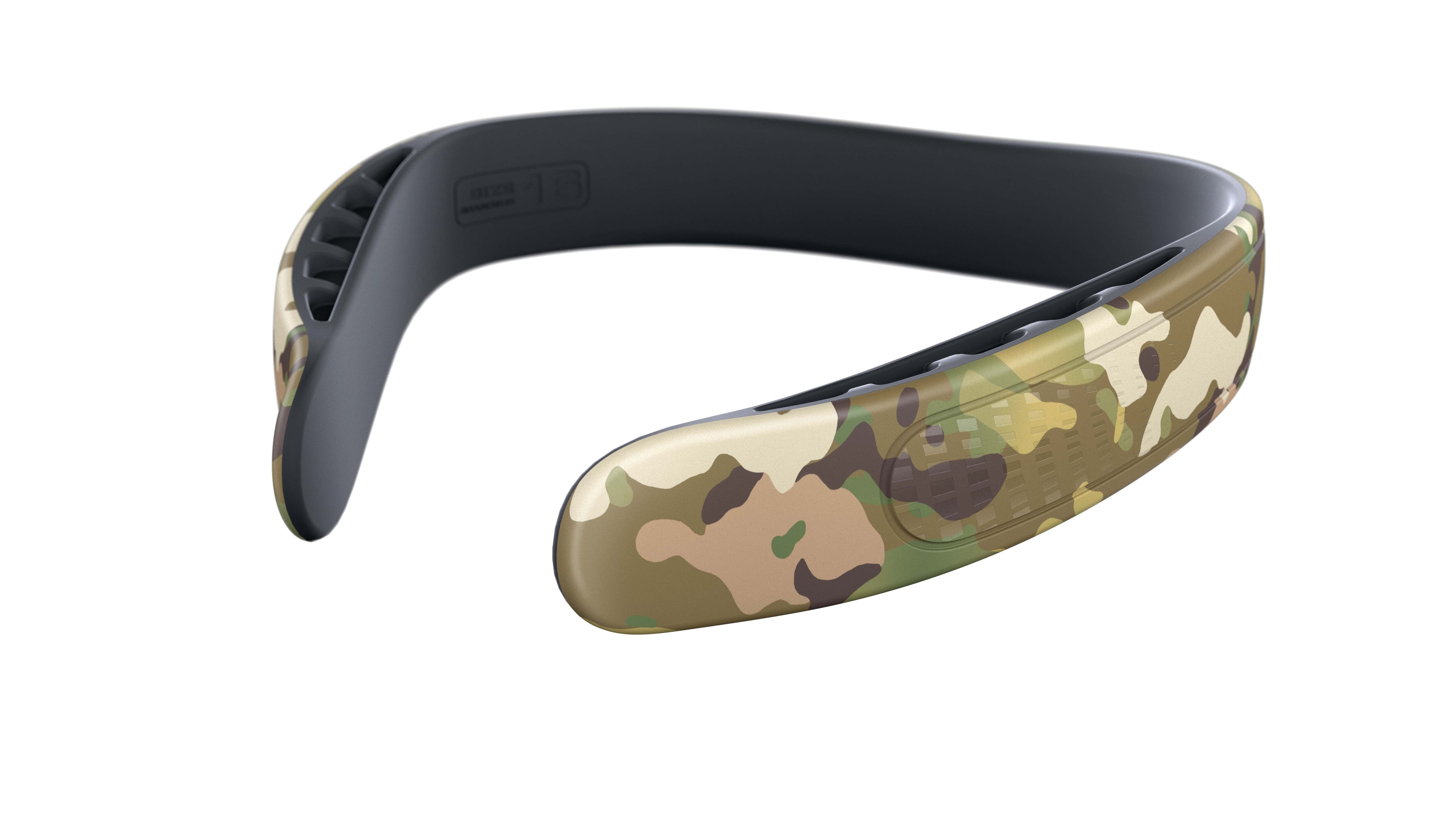
The Q-Collar helps protect athletes from impact-related concussions. Now, the U.S. Army is evaluating if the device could help reduce traumatic brain injury cased by blast weapons.