In its latest emergency action, the Federal Reserve is establishing a lending facility to buy short-term loans from banks and companies to ease the flow of credit as the economy grinds to a halt from the viral outbreak.
The Fed announced Tuesday that it's reviving a program it first used during the 2008 financial crisis to unclog a short-term lending market for what is known as “commercial paper.” Large businesses issue commercial paper to raise cash to meet payrolls and cover other short-term costs.
Borrowing rates in the commercial paper market have been spiking as more companies have sought to raise cash in the expectation that their revenue will plunge.
At the same time, money market funds, among the largest buyers of the short-term loans, are seeking to sell commercial paper themselves. They need to raise money because they expect large institutional investors to withdraw funds, and they need cash to cover those withdrawals.
All that activity has made it harder for banks and other companies to raise the cash they need.
In its announcement, the Fed said it has set up an investment vehicle to buy the commercial paper with the approval of the Treasury Department. The Treasury has also committed to guaranteeing up to $10 billion of the loans, to prevent the Fed from taking losses.
“An improved commercial paper market will enhance the ability of businesses to maintain employment and investment as the nation deals with the coronavirus outbreak,” the Fed said in a statement.
Soundhound AI co-founder, president, and CEO Keyvan Mojaver discusses bringing its audio tools to cars and drive-thrus, plus why smaller companies may benefit from the A.I. boom.
Deiya Pernas, co-founder of Pernas Research, breaks down Nvidia’s blockbuster earnings, why energy is a sector to watch, and why the A.I. trend is far from over.
The NBA is organizing its next media rights deal to figure out which networks and streaming services will show their games for the next decade. Last time, most of the prominent streaming services didn't exist yet.
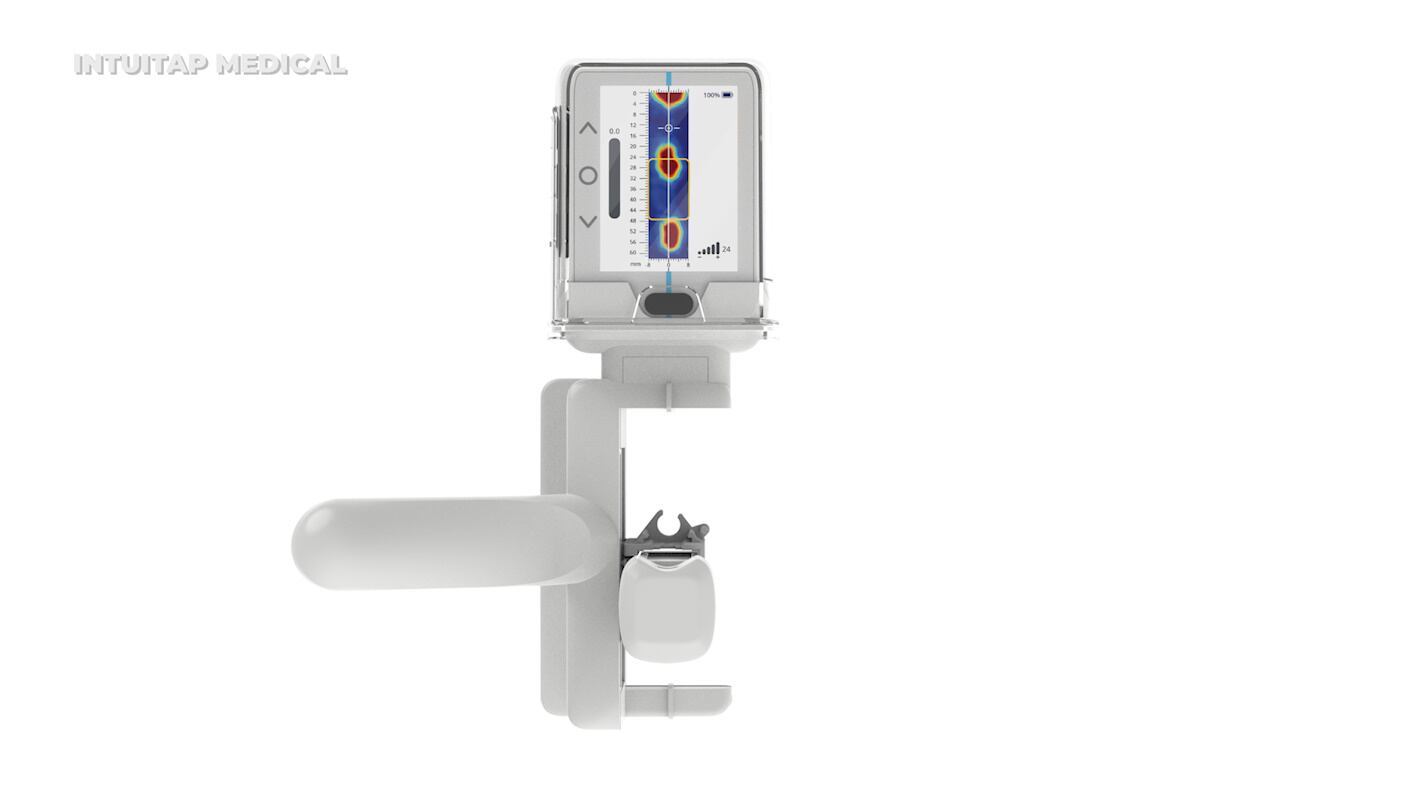
Jessica Traver Ingram, CEO and co-founder of IntuiTap Medical, discusses developing the company's Ver Touch device, the crucial FDA approval it just won, and why innovation in spinal blocks and epidurals is long overdue.
Matt Stucky, Chief Portfolio Manager of Equities at Northwestern Mutual Wealth Management chats why Nvidia has been unsteady leading up to its latest earnings results, plus what’s to come for the so-called ‘Magnificent 7.’