In its latest emergency action, the Federal Reserve is establishing a lending facility to buy short-term loans from banks and companies to ease the flow of credit as the economy grinds to a halt from the viral outbreak.
The Fed announced Tuesday that it's reviving a program it first used during the 2008 financial crisis to unclog a short-term lending market for what is known as “commercial paper.” Large businesses issue commercial paper to raise cash to meet payrolls and cover other short-term costs.
Borrowing rates in the commercial paper market have been spiking as more companies have sought to raise cash in the expectation that their revenue will plunge.
At the same time, money market funds, among the largest buyers of the short-term loans, are seeking to sell commercial paper themselves. They need to raise money because they expect large institutional investors to withdraw funds, and they need cash to cover those withdrawals.
All that activity has made it harder for banks and other companies to raise the cash they need.
In its announcement, the Fed said it has set up an investment vehicle to buy the commercial paper with the approval of the Treasury Department. The Treasury has also committed to guaranteeing up to $10 billion of the loans, to prevent the Fed from taking losses.
“An improved commercial paper market will enhance the ability of businesses to maintain employment and investment as the nation deals with the coronavirus outbreak,” the Fed said in a statement.
Shubha Dasgupta, CEO of Pineapple Financial, discusses incorporating artificial intelligence with its newly announced ‘Maui’ tool, plus plans for expansion.
Chair of Penn Engineering’s Department of Computer and Information Science Zachary Ives shares how the department is building its artificial intelligence degree program.
Frances Stacy, Optimal Capital Director of Strategy, breaks down why the latest data indicates the economy may be struggling more than expected, plus some sectors she’s watching.
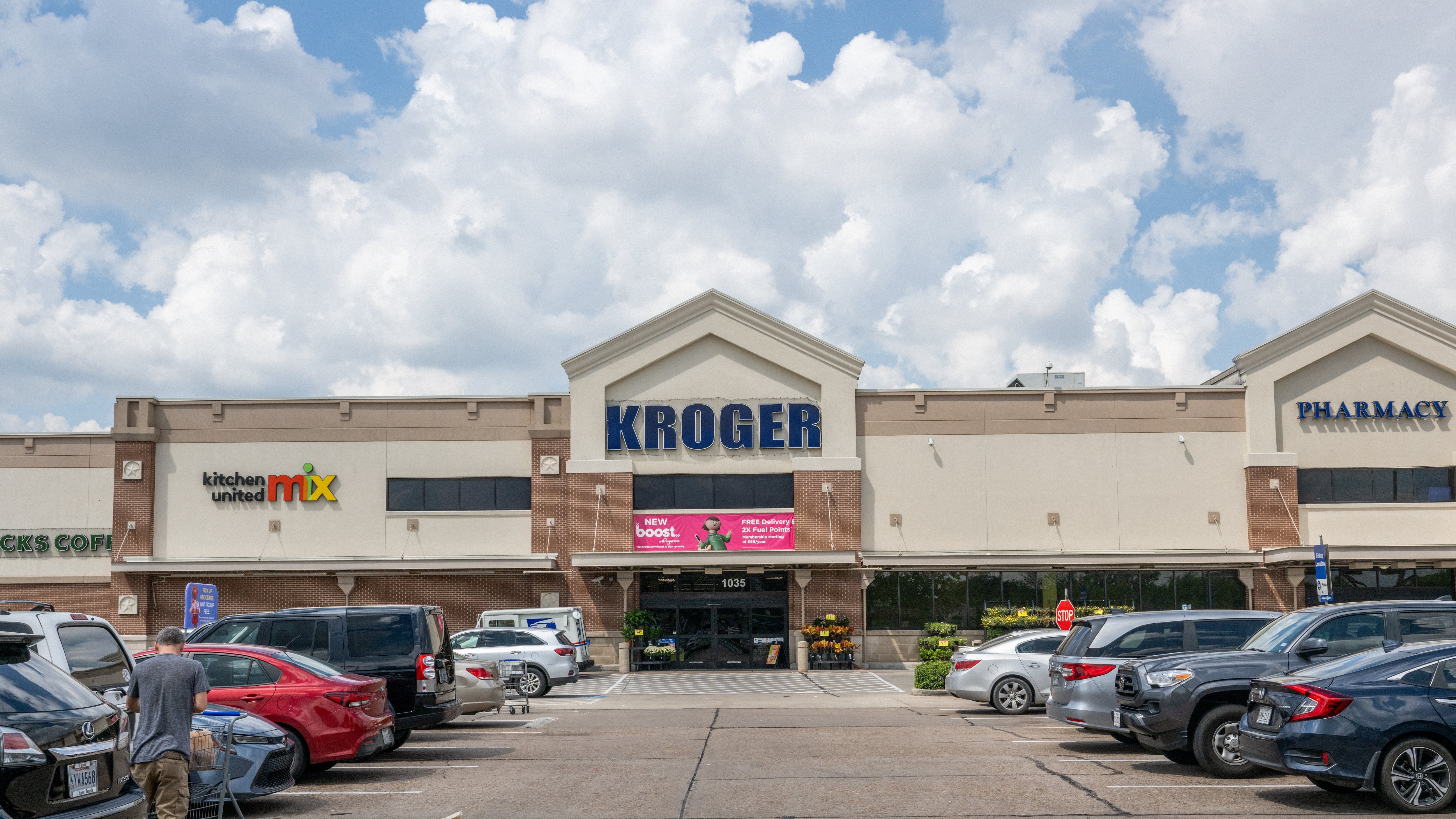
The Federal Trade Commission is suing to block a proposed merger between the two grocery stores. The FTC says the $24.6 billion deal would eliminate competition and lead to higher prices for millions of Americans.
Terecircuits CEO Wayne Rickard explains some of the other companies set to benefit from the Nvidia-led chipmaking rally, including manufacturing and toolmaking companies.
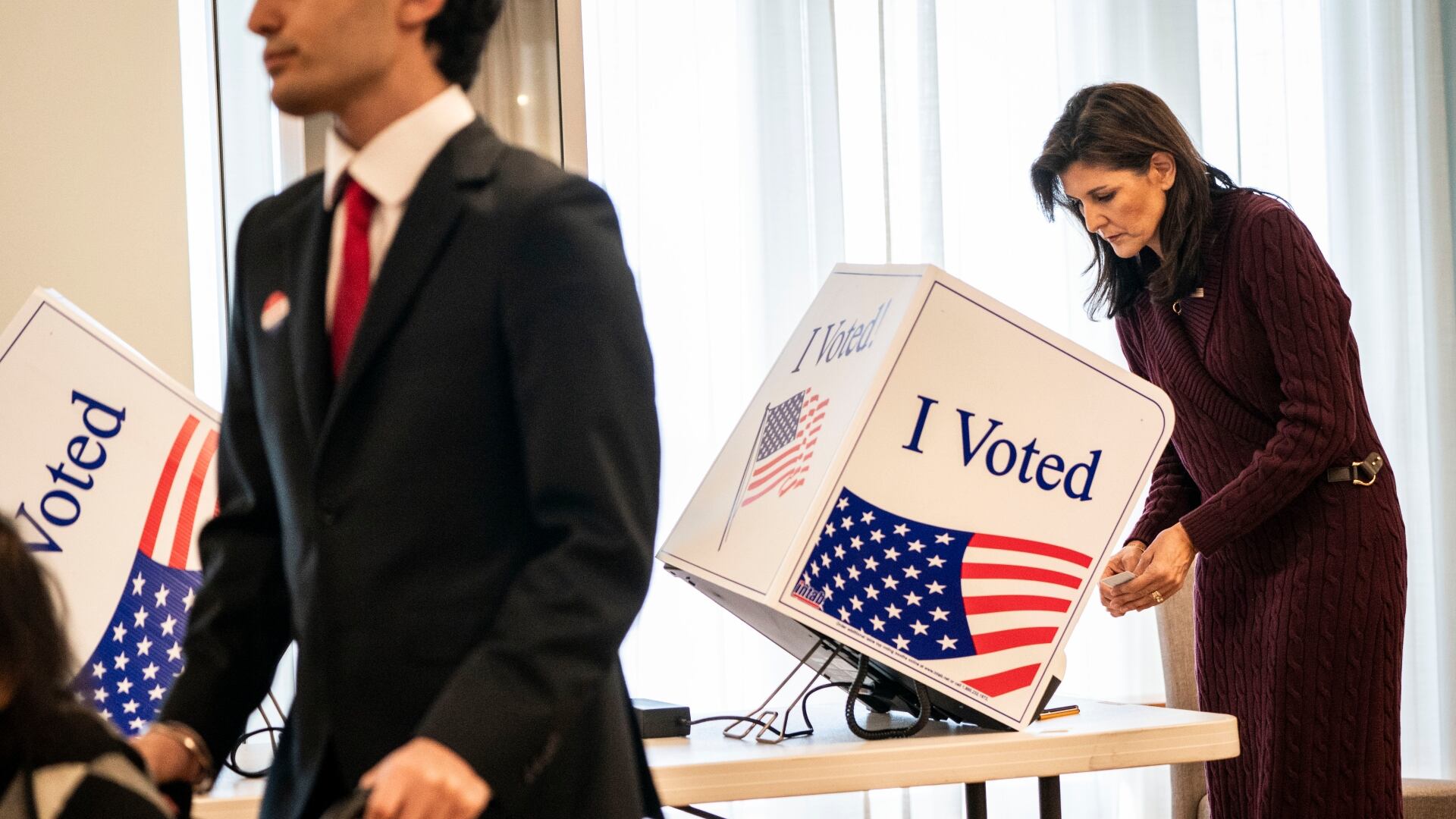
Axios reporter Erin Doherty breaks down the results from the South Carolina primary as former President Trump gets closer to winning the GOP nomination.
Jay Woods of Freedom Capital Markets shares thoughts on how the latest inflation report will impact the market, and why he expects a ‘cascade’ of IPOs if Reddit’s public debut goes well.