Federal Reserve Chair Jerome Powell stuck to his guns on Wednesday following a two-day policy meeting of the Federal Open Market Committee, repeating a message that has become all too familiar for market-watchers: The Fed will keep interest rates near zero and continue asset-purchases "until the recovery is complete," he said.
For interest rates specifically, that means reaching full-employment and an inflation rate of roughly 2 percent over time before tinkering with the current formula.
"With inflation running persistently below 2 percent, we will aim to achieve moderately above 2 percent for some, so that inflation averages 2 percent over time and longer-term inflation expectations remain well-anchored at 2 percent," Powell said.
Fears of inflation amid massive federal stimulus have led some to question the Fed's steadfast commitment to low interest rates, but the chairman stressed during the press conference that a "transitory rise above 2 percent this year" was not a concern.
The chairman emphasized that this current outlook is not likely to change until maximum employment is achieved.
"It seems unlikely, frankly that we would see inflation moving up in a persistent way that would actually move inflation expectations up while there's still significant slack in the labor market," he said. "I won't say it's impossible, but it seems unlikely."
As for asset purchases, Powell said the Fed plans to maintain its current level of buying until the economy sees "substantial further progress."
He added that the Fed does not have an independent standard related to the status of the virus, but that progress combatting the pandemic will likely "coexist" with broader economic improvements.
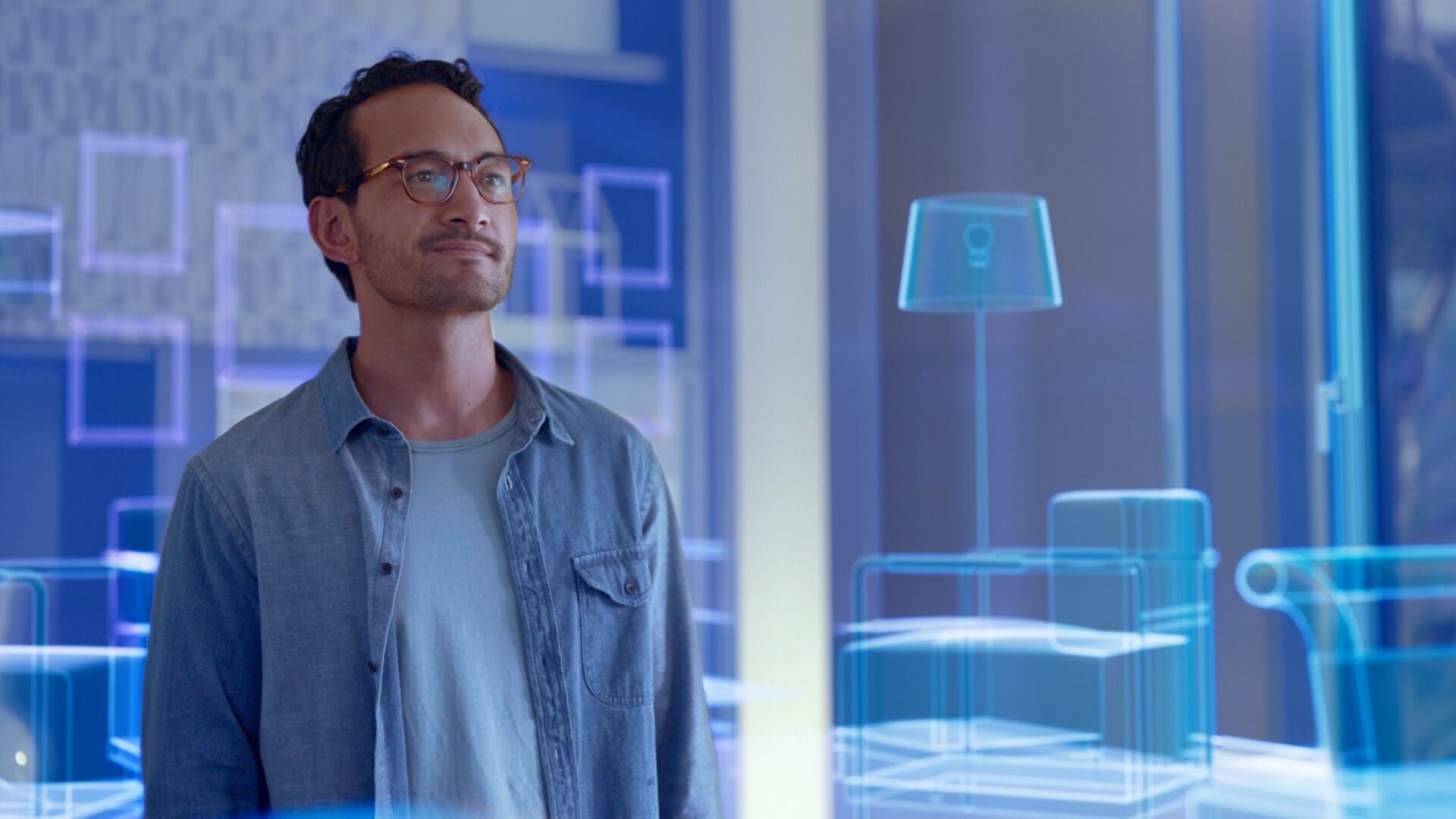
Meta wants creators to make money from the metaverse, but it's going to take a large chunk of the cut. The tech giant is planning to keep nearly 50% of all digital asset sales within Horizon Worlds, the virtual reality platform that's considered an integral part of the company's unfolding metaverse. Rolf Illenberger, Co-founder and Managing Director of VRdirect, joined Cheddar to discuss why Meta is taking heat for this move, and what it could be doing as an alternative to help support creators, small businesses, and consumers.
Grayscale recently launched its Future of Finance ETF ($GFOF) for investors to benefit from innovative businesses that it sees as critical to building the digital economy. CEO Michael Sonnenshein joined Cheddar to discuss the fund, companies making the most impact, and ways in which investors can expand holdings in the digital economy. “When we think about how investors should be building out their portfolios, we felt that there was a really important opportunity to also provide investors with access to the broadly defined digital economy, really, that confluence between technology and finance," he said.
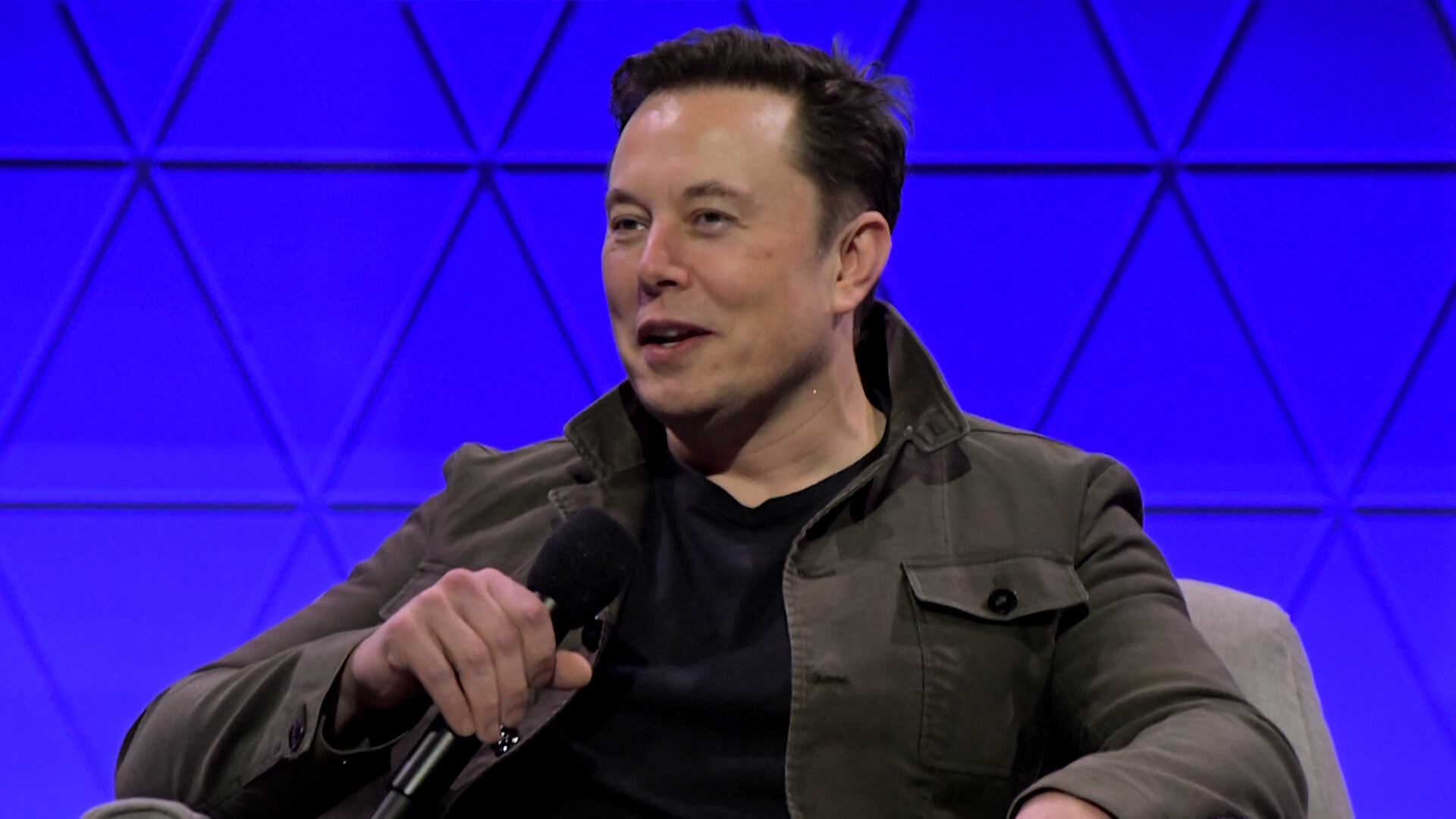
Al Root, Senior Writer at Barron's, discusses possible scenarios if a Twitter buyout deal goes through and what a takeover means for the future of the social media platform.
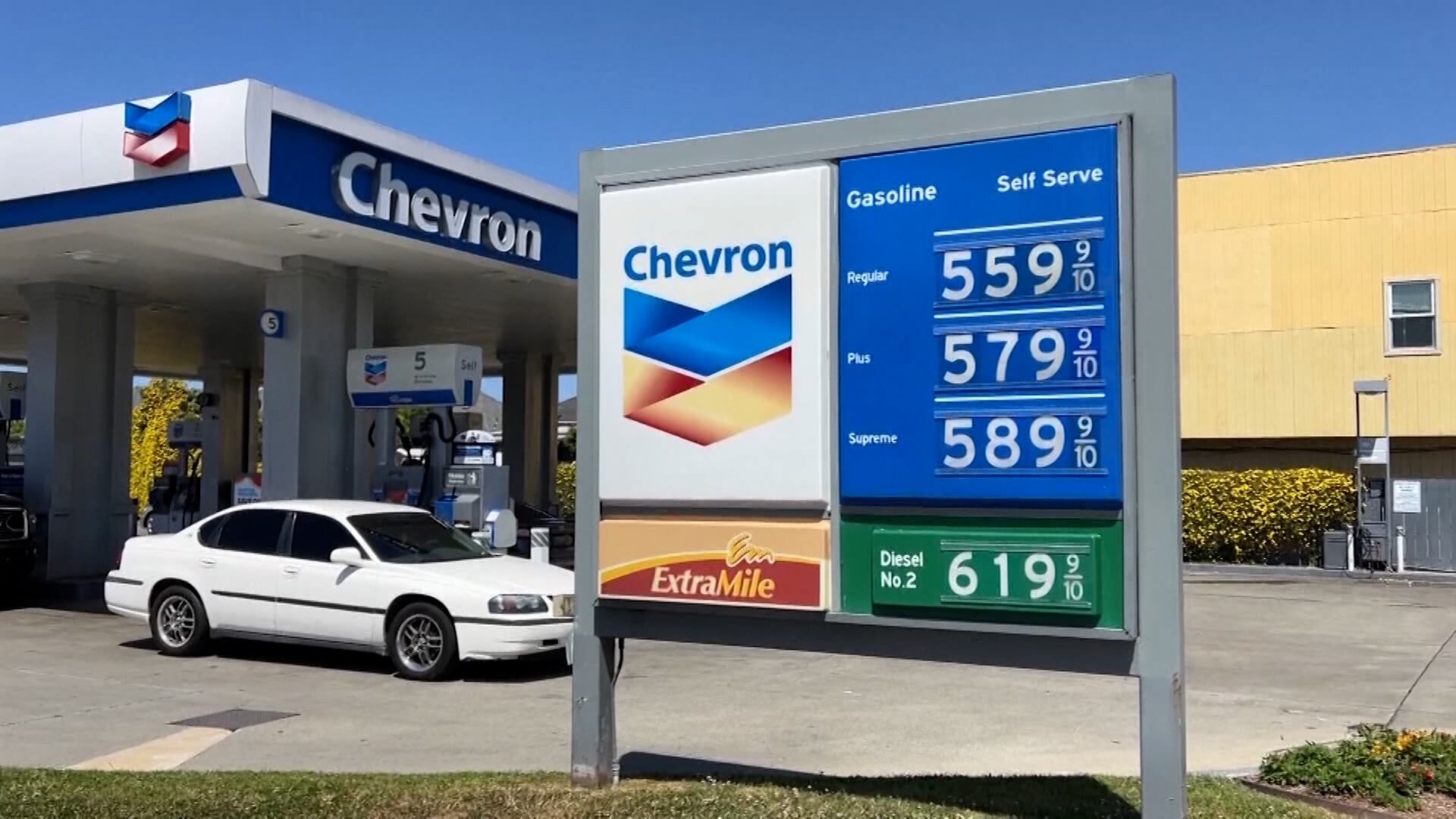
Gas prices took up a big share of consumer spending in March. Retail sales climbed 0.5% from the previous month as Americans are forced to spend more money on food, gasoline, and other necessities. Kayla Bruun, Economic Analyst at Morning Consult, breaks down her outlook on consumer spending as prices continue to rise.