Federal Reserve Chair Jerome Powell stuck to his guns on Wednesday following a two-day policy meeting of the Federal Open Market Committee, repeating a message that has become all too familiar for market-watchers: The Fed will keep interest rates near zero and continue asset-purchases "until the recovery is complete," he said.
For interest rates specifically, that means reaching full-employment and an inflation rate of roughly 2 percent over time before tinkering with the current formula.
"With inflation running persistently below 2 percent, we will aim to achieve moderately above 2 percent for some, so that inflation averages 2 percent over time and longer-term inflation expectations remain well-anchored at 2 percent," Powell said.
Fears of inflation amid massive federal stimulus have led some to question the Fed's steadfast commitment to low interest rates, but the chairman stressed during the press conference that a "transitory rise above 2 percent this year" was not a concern.
The chairman emphasized that this current outlook is not likely to change until maximum employment is achieved.
"It seems unlikely, frankly that we would see inflation moving up in a persistent way that would actually move inflation expectations up while there's still significant slack in the labor market," he said. "I won't say it's impossible, but it seems unlikely."
As for asset purchases, Powell said the Fed plans to maintain its current level of buying until the economy sees "substantial further progress."
He added that the Fed does not have an independent standard related to the status of the virus, but that progress combatting the pandemic will likely "coexist" with broader economic improvements.
Astronauts will have to wait until next year before flying to the moon and another few years before landing on it. NASA on Tuesday announced the latest round of delays in its Artemis moon-landing program.
The Biden administration has enacted a new labor rule that aims to prevent the misclassification of workers as independent contractors. The labor department rule going into effect Tuesday replaces a scrapped Trump-era standard that lowered the bar for classifying employees as contractors
The KC-46 was to be the ideal candidate for a fixed-price development program. Instead, it has cost Boeing billions, and made industry wary of such deals.
Dave Long, CEO and Co-Founder of Orangetheory Fitness joins Cheddar to chat trends in the industry for 2024. He updates us on the company's plans to expand and what the state of the economy has meant for business.
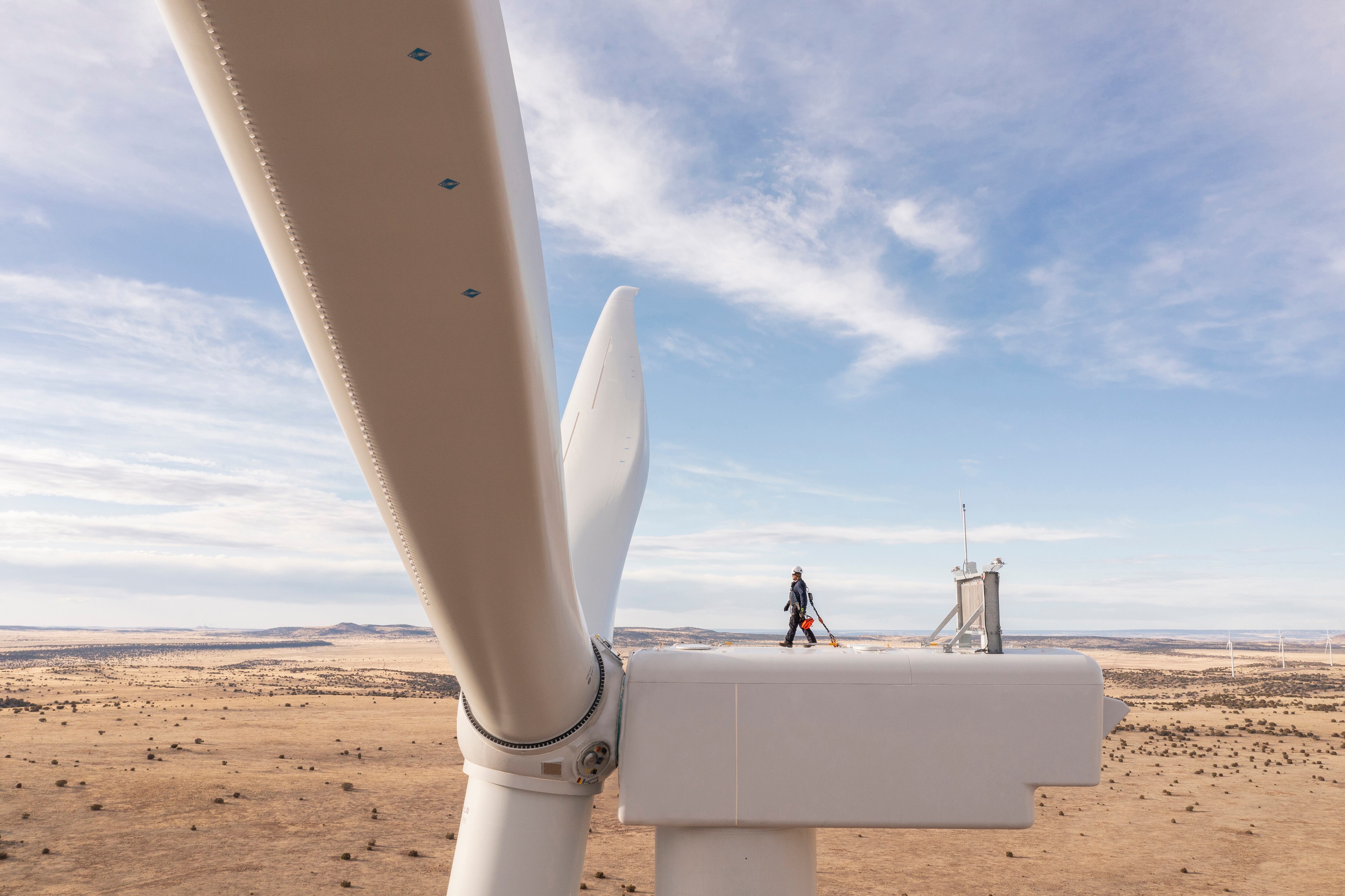
One of the world's largest renewable energy developers will be getting hundreds of wind turbines from General Electric spinoff GE Vernova as part of a record equipment order and long-term service deal.
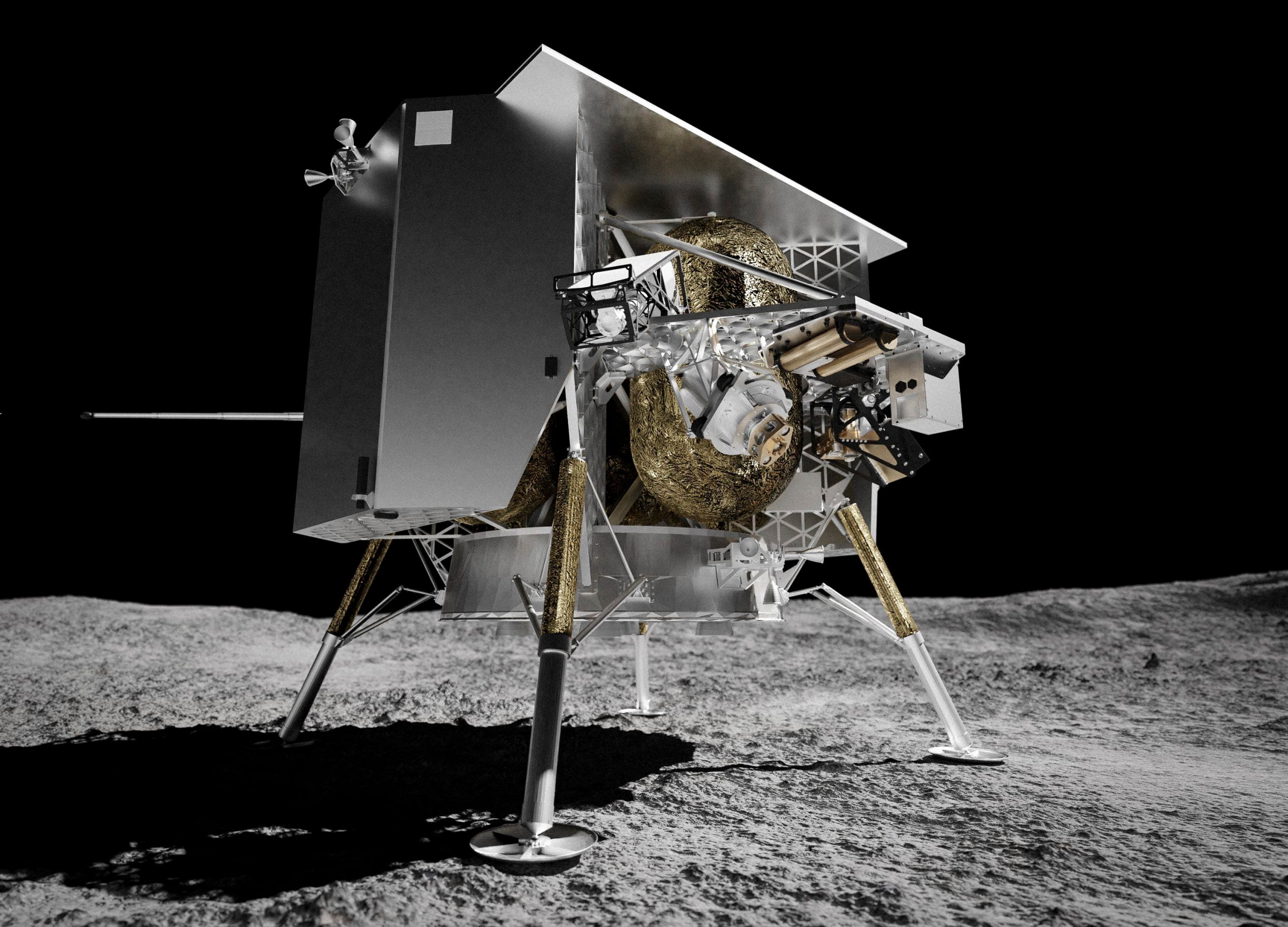
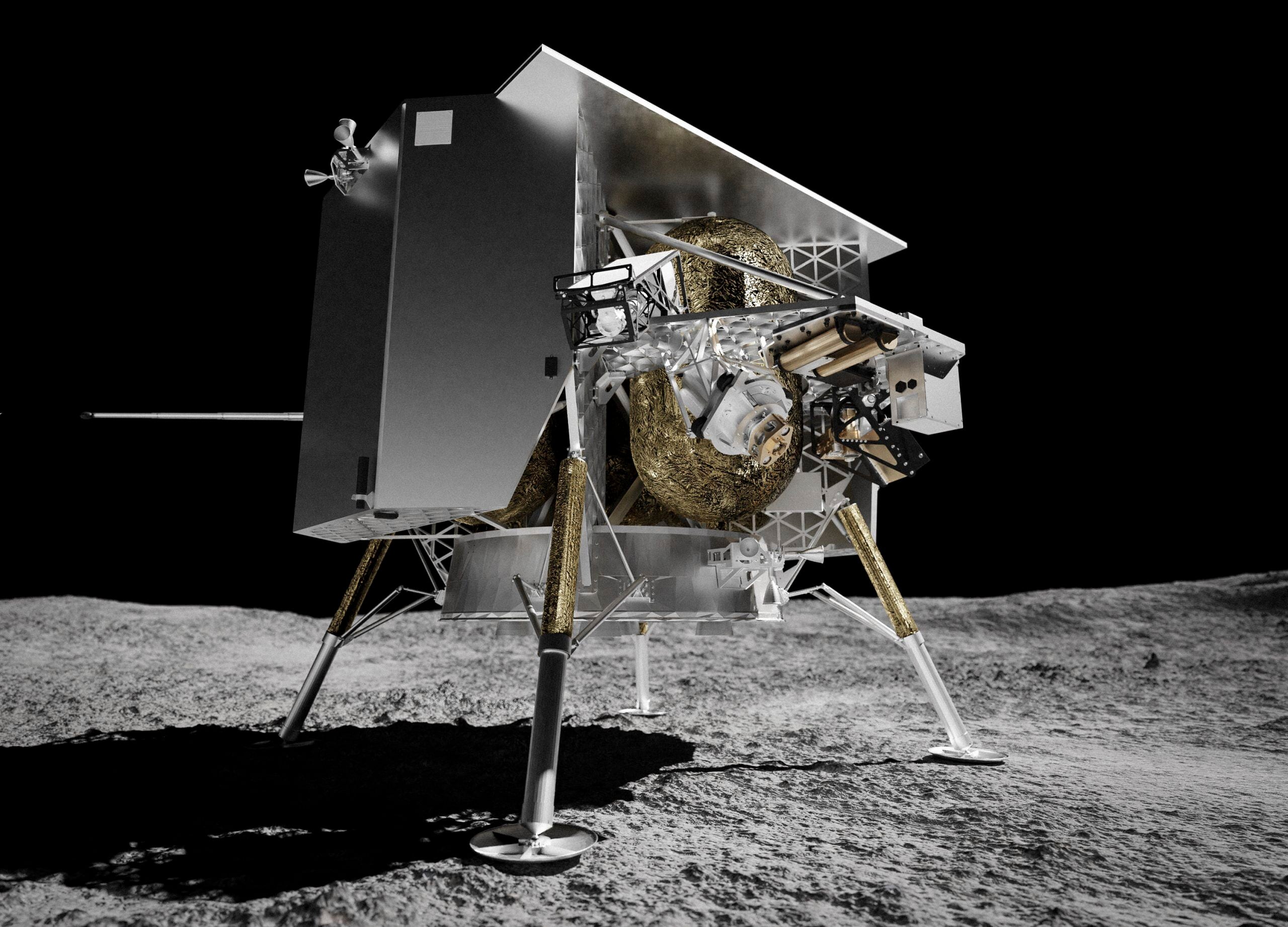
A moon landing attempt by a private US company appears doomed because of a fuel leak on the newly launched spacecraft. Astrobotic Technology managed to orient the lander toward the sun Monday so its solar panel could capture sunlight and charge its onboard battery.
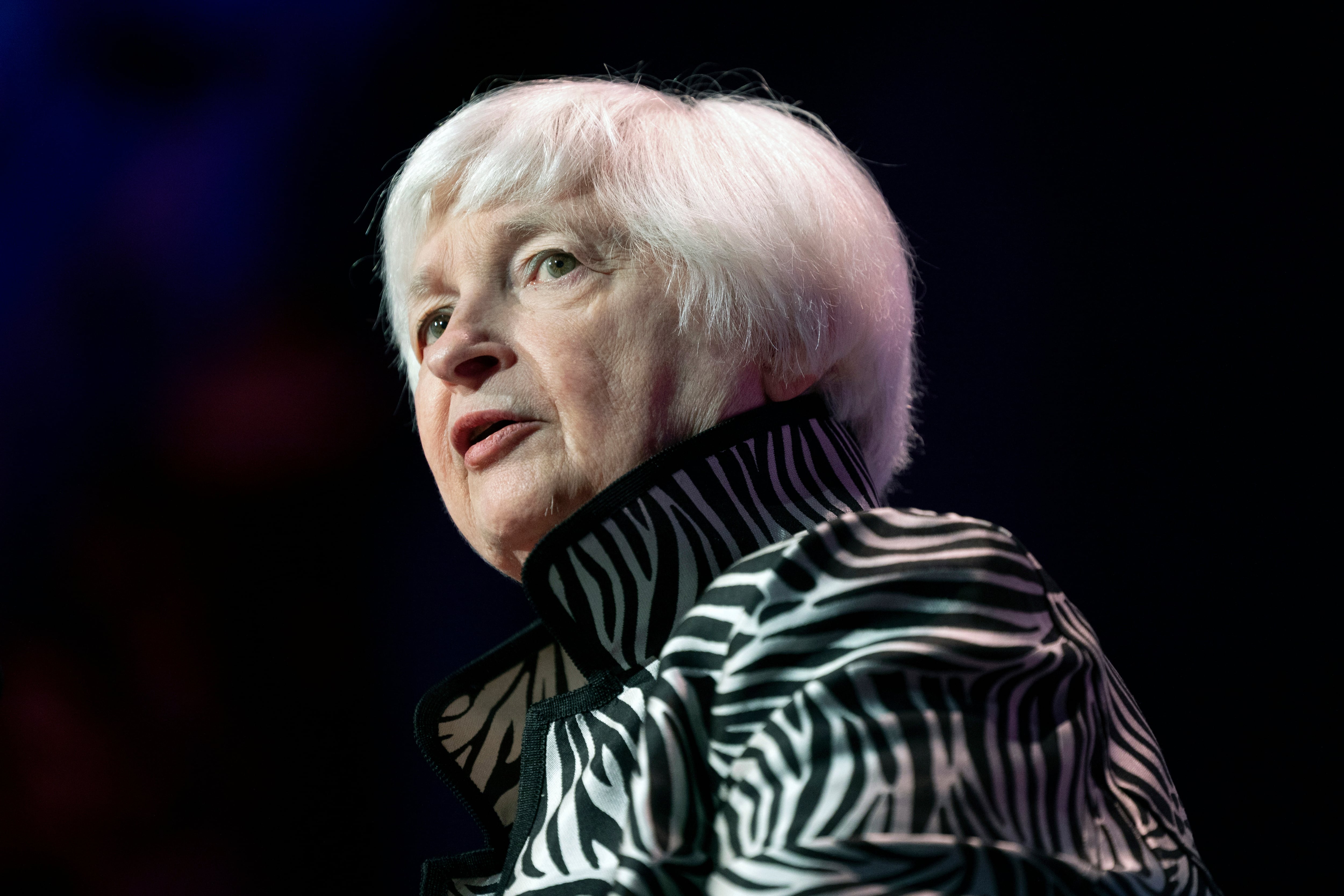
Treasury Secretary Janet Yellen has announced that 100,000 businesses have signed up for a new database that collects ownership information intended to help unmask shell company owners. Yellen says the database will send the message that “the United States is not a haven for dirty money.”
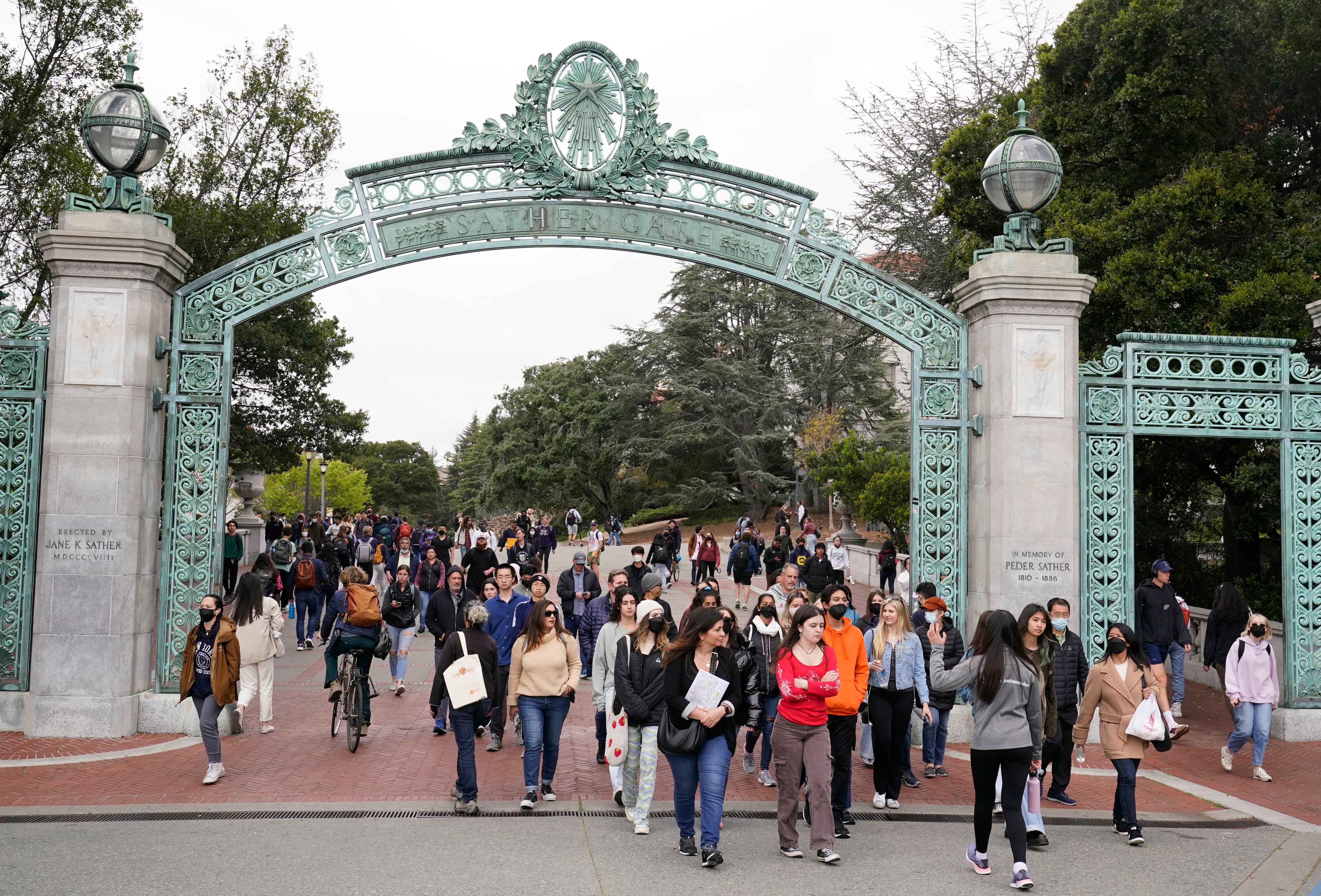
A new version of the federal student aid application known as the FAFSA is available for the 2024-2025 school year, but only on a limited basis as the U.S. Department of Education works on a redesign meant to make it easier to apply.
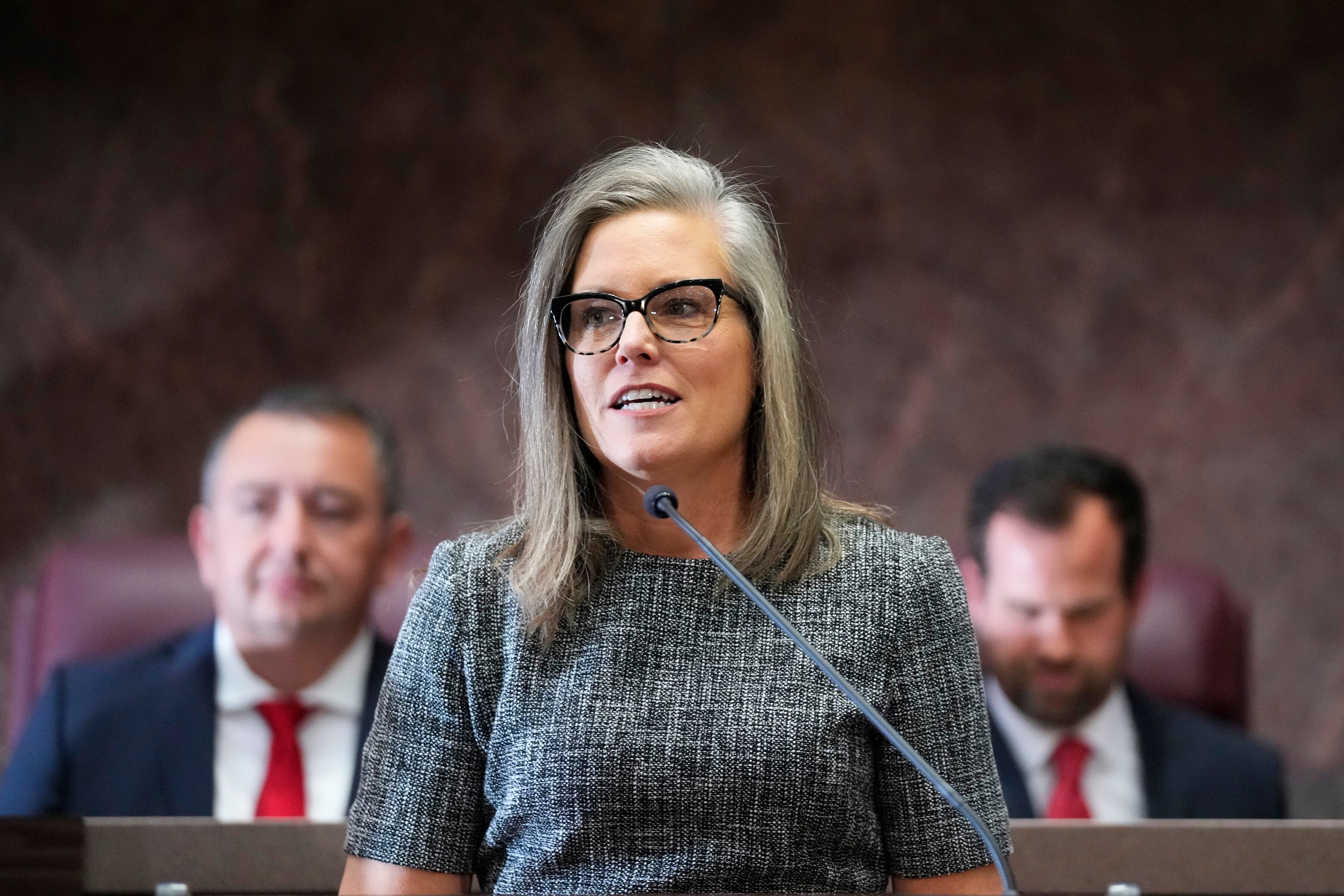
A steep budget deficit caused by plummeting tax revenues and escalating school voucher costs will be in focus Monday as Democratic Gov. Katie Hobbs and the Republican-controlled Arizona Legislature return for a new session at the state Capitol.