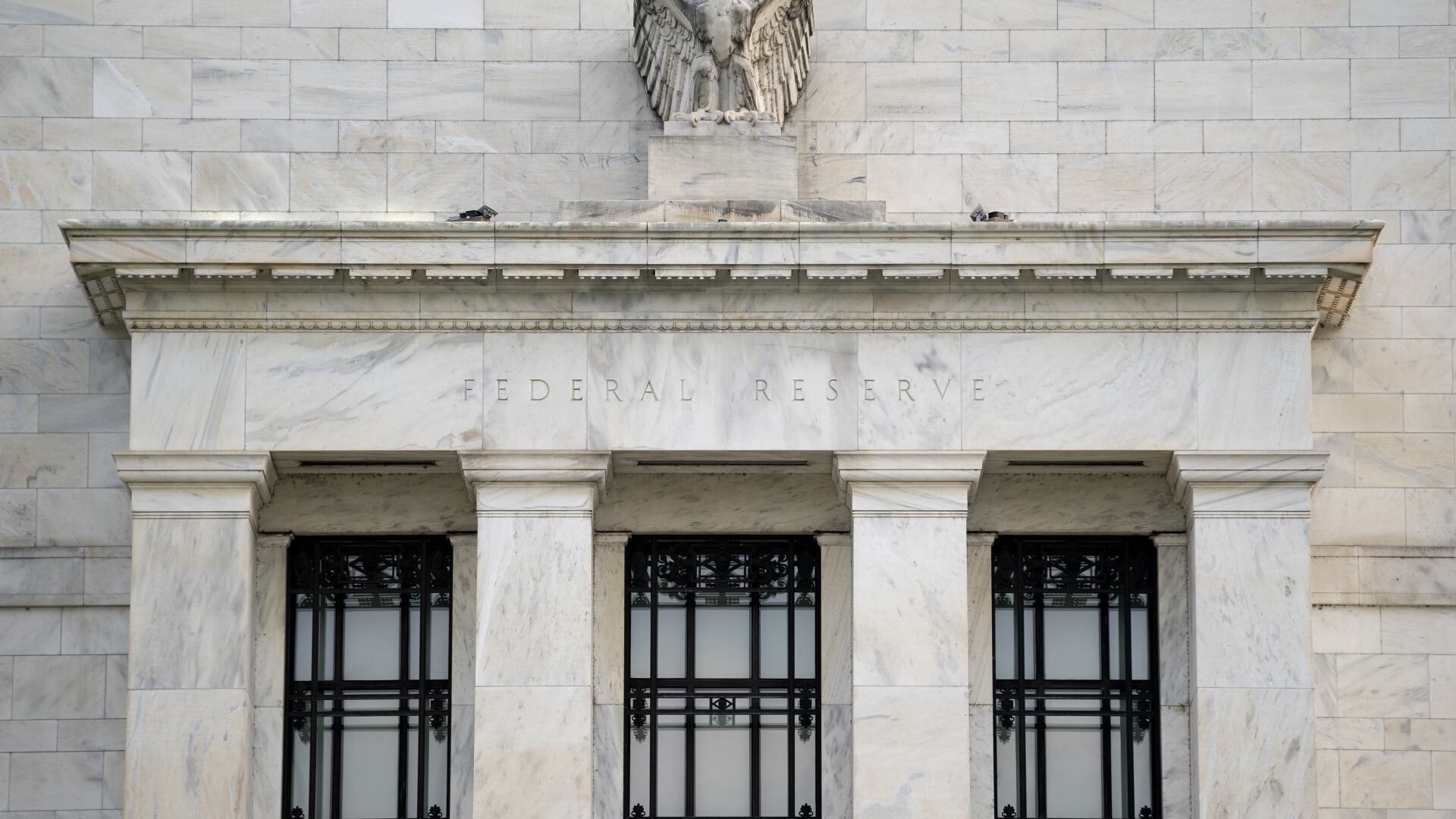
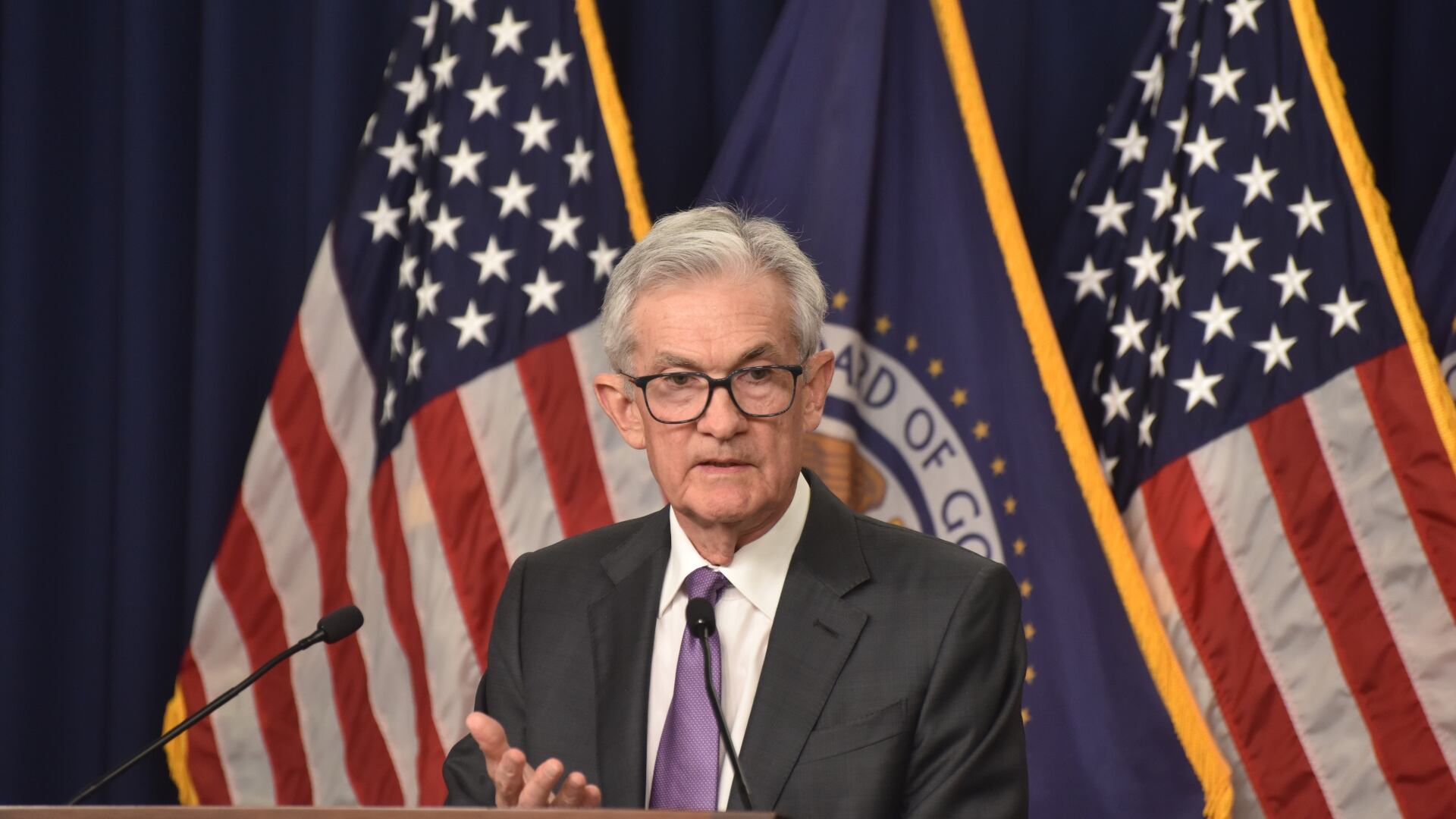
Federal Reserve Chair Jerome Powell stuck to his guns on Wednesday following a two-day policy meeting of the Federal Open Market Committee, repeating a message that has become all too familiar for market-watchers: The Fed will keep interest rates near zero and continue asset-purchases "until the recovery is complete," he said.
For interest rates specifically, that means reaching full-employment and an inflation rate of roughly 2 percent over time before tinkering with the current formula.
"With inflation running persistently below 2 percent, we will aim to achieve moderately above 2 percent for some, so that inflation averages 2 percent over time and longer-term inflation expectations remain well-anchored at 2 percent," Powell said.
Fears of inflation amid massive federal stimulus have led some to question the Fed's steadfast commitment to low interest rates, but the chairman stressed during the press conference that a "transitory rise above 2 percent this year" was not a concern.
The chairman emphasized that this current outlook is not likely to change until maximum employment is achieved.
"It seems unlikely, frankly that we would see inflation moving up in a persistent way that would actually move inflation expectations up while there's still significant slack in the labor market," he said. "I won't say it's impossible, but it seems unlikely."
As for asset purchases, Powell said the Fed plans to maintain its current level of buying until the economy sees "substantial further progress."
He added that the Fed does not have an independent standard related to the status of the virus, but that progress combatting the pandemic will likely "coexist" with broader economic improvements.