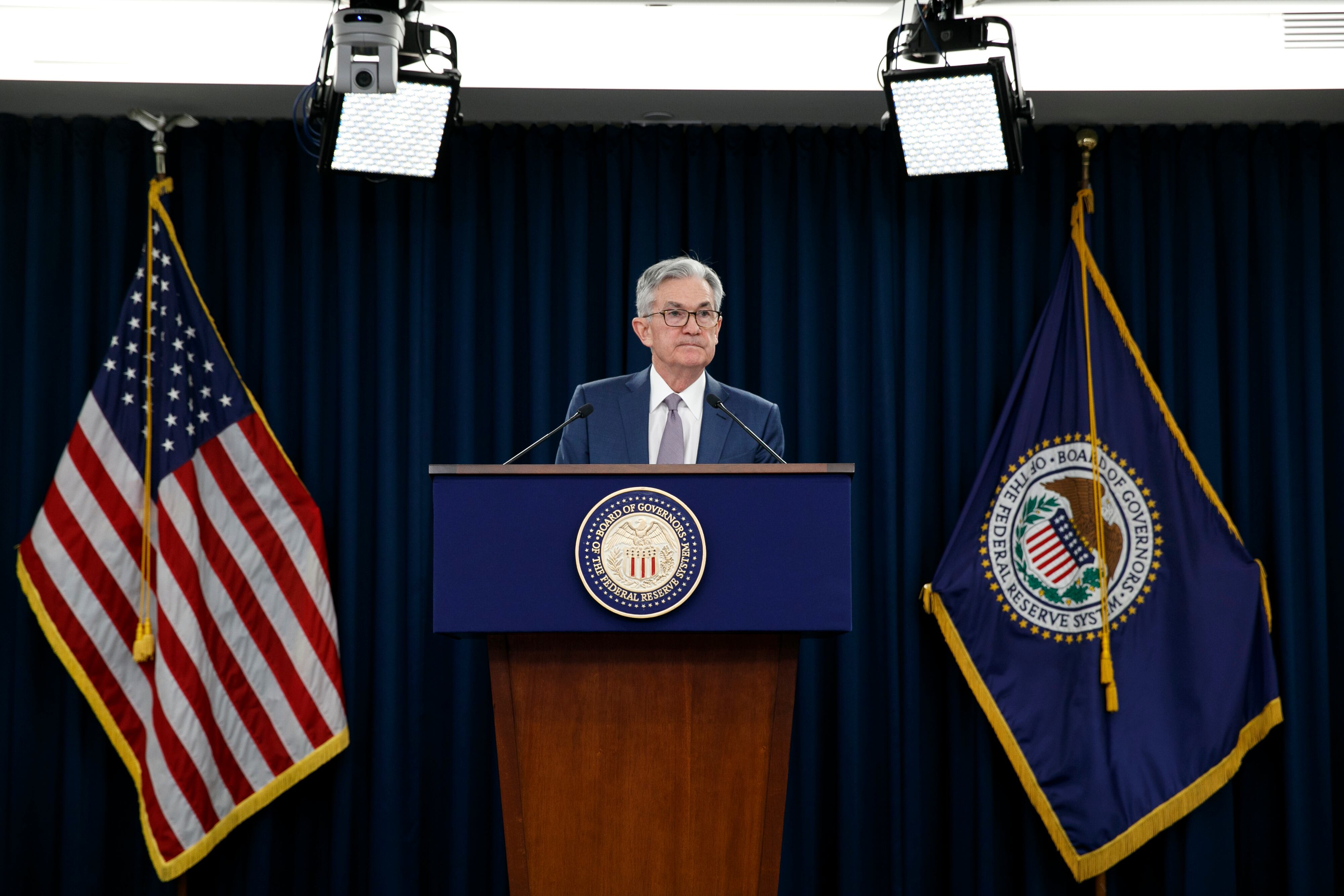
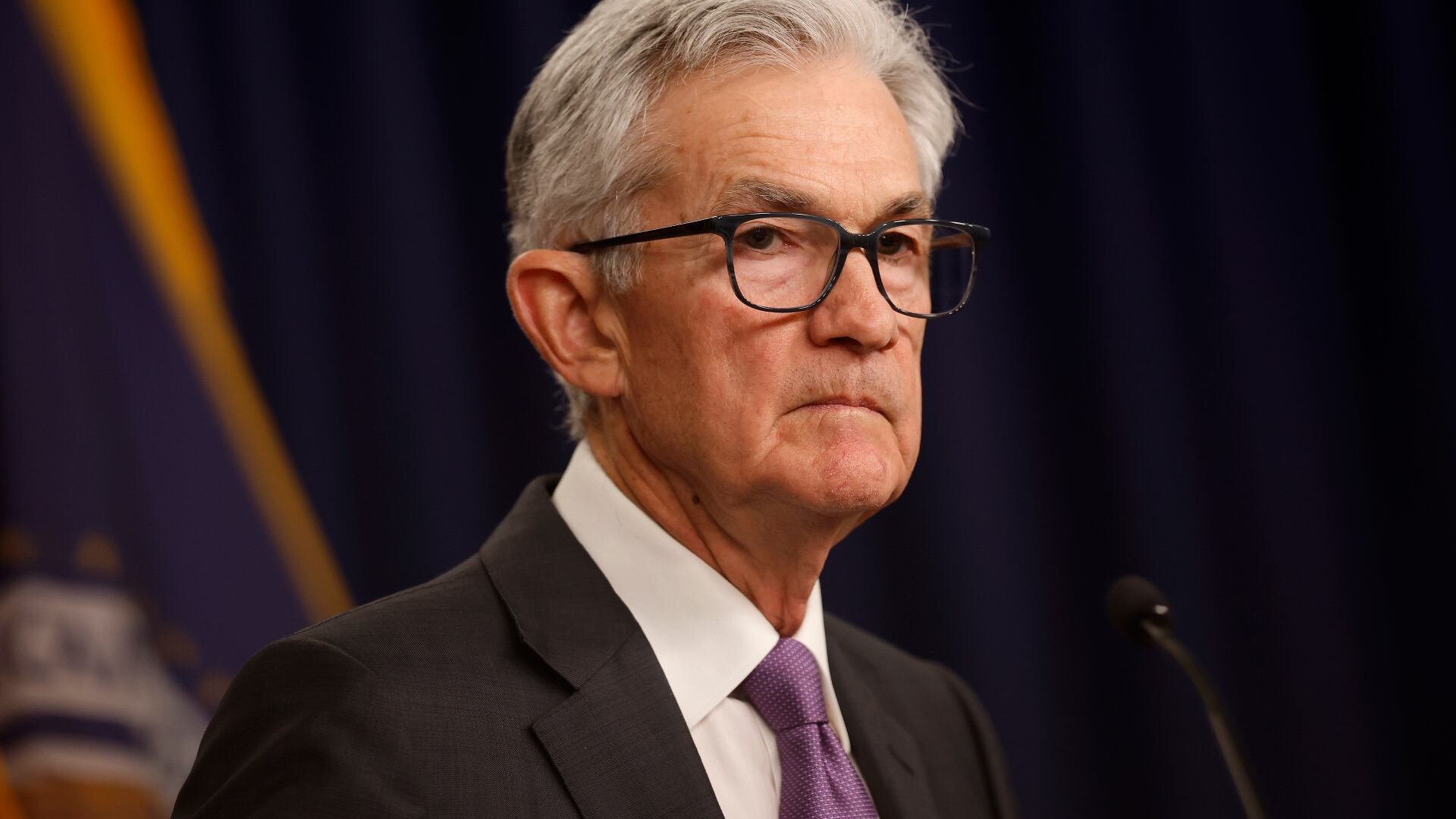
Federal Reserve Chair Jerome Powell speaks during a news conference, Tuesday, March 3, 2020. (AP Photo/Jacquelyn Martin)
By Martin Crutsinger
The Federal Reserve is taking additional steps to provide up to $2.3 trillion in loans to support the economy. The money will target American households and businesses, as well as local governments besieged by the coronavirus outbreak.
The Fed said Thursday that it is activating a Main Street Business Lending Program authorized by the CARES Act, the largest economic relief package ever passed by Congress.
Federal Reserve Chairman Jerome Powell said the Fed's role was to “provide as much relief and stability as we can during this period of constrained economic activity.”
In addition, the Fed activated a loan program for municipal governments, as well as additional support for the Paycheck Protection Program, which the Small Business Administration rolled out last week. The program provides loans to businesses with fewer than 500 employees.
The Main Street lending program “will make a significant difference for the 40,000 medium-sized business that employ 35 million Americans," Treasury Secretary Steven Mnuchin said.
The government's pay protection plan for small businesses is off to a rocky start. They have had difficulty getting banks to provide the loans. The banks have said that the government has not made clear how they should process such loans, even what forms are required.
The Fed announced the new infusion of cash on the same day the U.S. reported applications for unemployment benefits last week reached a staggering 6.6 million. That means more than one in 10 workers have lost their jobs in just the past three weeks to the coronavirus outbreak.
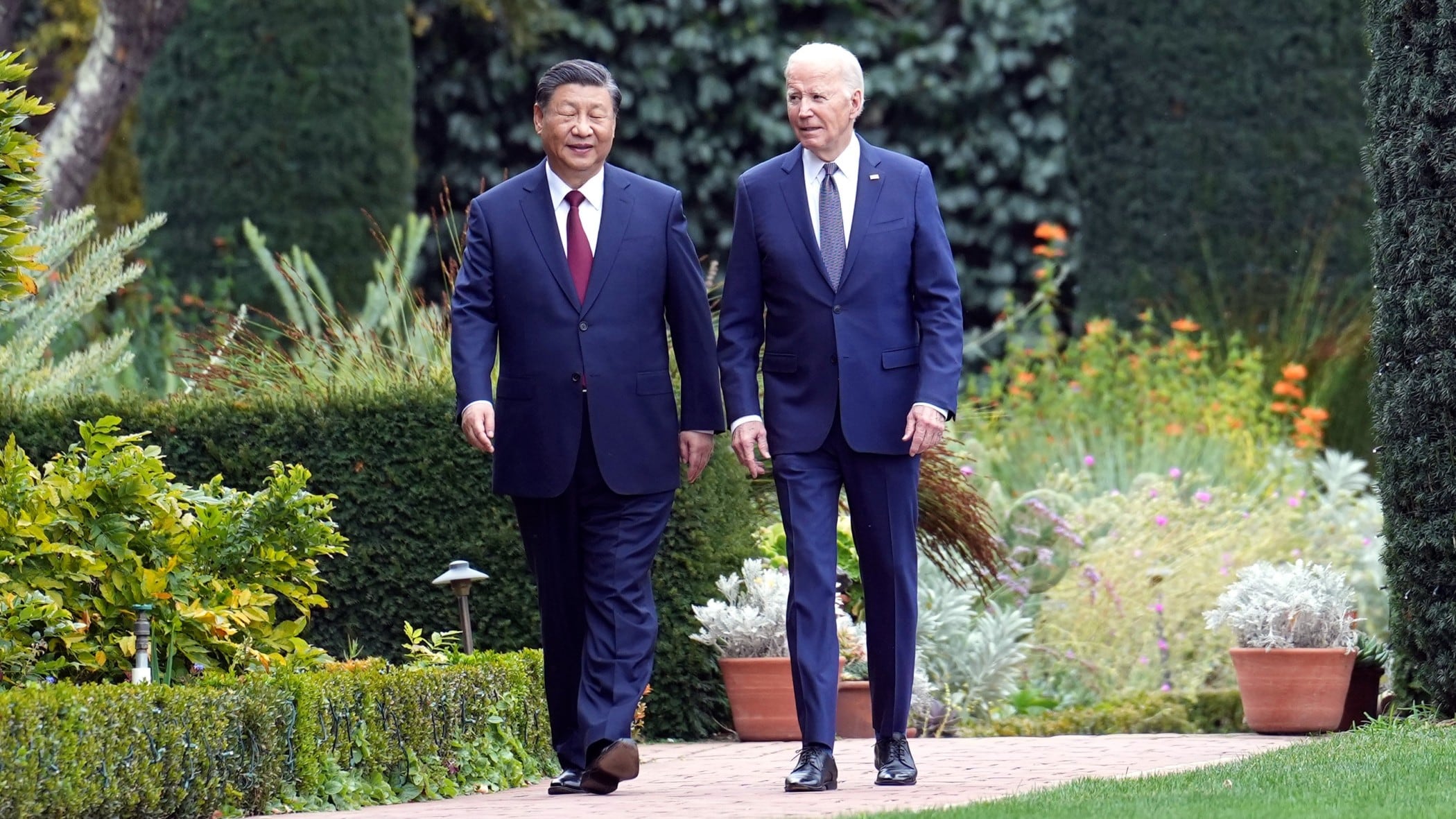
President Joe Biden and Chinese President Xi Jinping have discussed Taiwan, artificial intelligence and security issues in a call meant to demonstrate a return to regular leader-to-leader dialogue between the two powers.
April is Earth month, and while the green revolution might feel far away, the founder of climate VC Siam Capital says it’s on it’s way, and, even better: it won't cost you more.
From snow in April to heatwaves in December, it’s hard to plan a trip in a climate change world. Startup Sensible Weather thinks weather-based travel reimbursements are the solution.
Between corporate debt and the widening gap between ‘the haves and the have nots,’ there are reasons to be cautious about the economy, even with interest rate cuts on their way.
If the A.I. hype hasn’t given you enough of a reason to be excited (and a little terrified), the CEO of Zapata AI says the next frontier is designing bridges or creating pharmaceutical drugs.
Stocks are near record highs, inflation is moderating, and analyst Deiya Pernas is 'optimistic' the U.S. is heading for a soft landing without a recession – which is good news for your wallet.
Google co-founders Larry Page and Sergey Brin loved pulling pranks, so much so they began rolling outlandish ideas every April Fools' Day not long after starting their company more than a quarter century ago.