By Christopher Rugaber
The Federal Reserve reinforced its fight against high inflation Wednesday by raising its key interest rate by a quarter-point to the highest level in 16 years. But the Fed also signaled that it may now pause its streak of 10 rate hikes, which have made borrowing for consumers and businesses steadily more expensive.
In a statement after its latest policy meeting, the Fed removed a sentence from its previous statement that had said “some additional" rate hikes might be needed. It replaced it with language that said it will consider a range of factors in “determining the extent” to which future hikes might be needed.
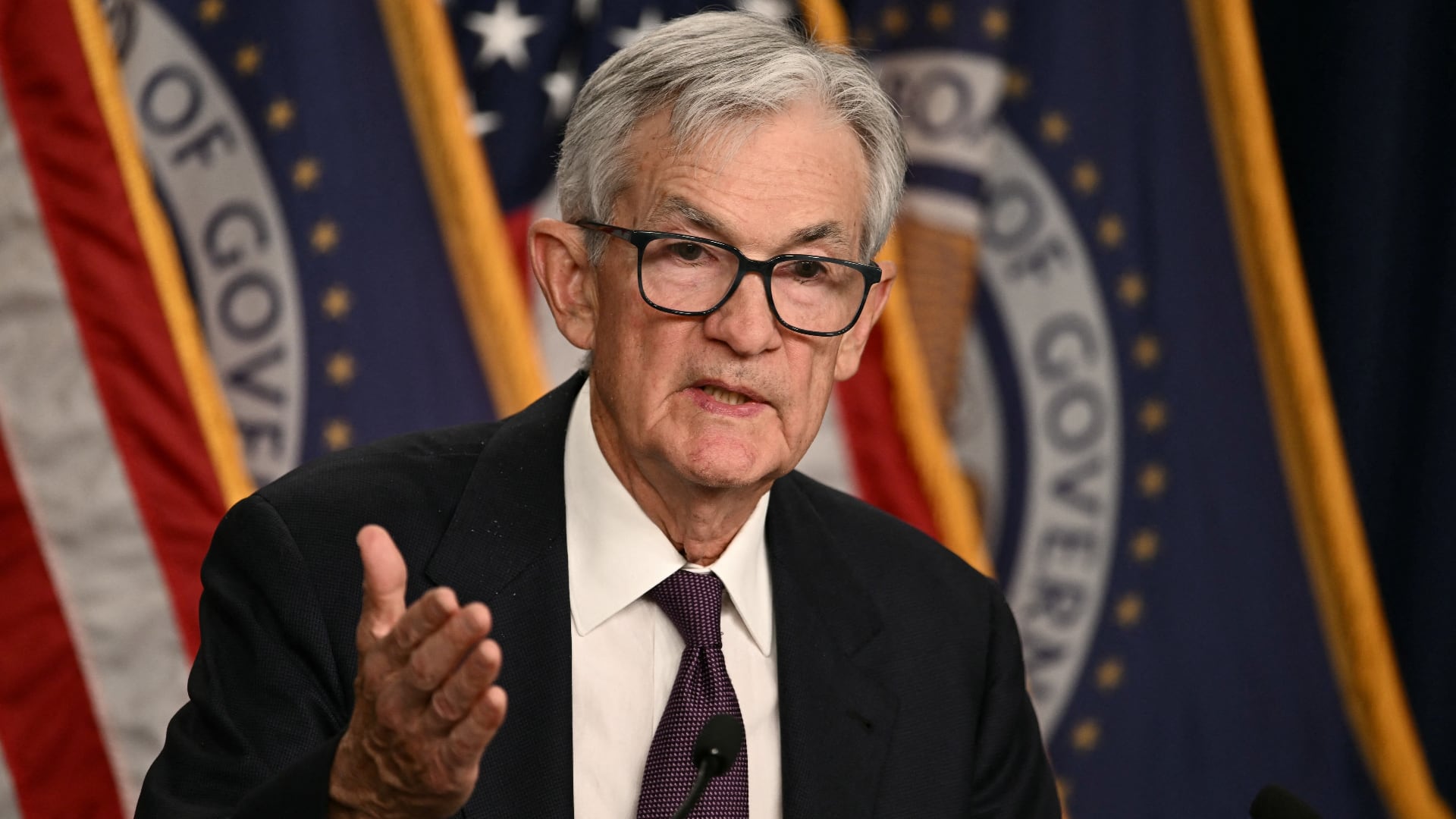
Speaking at a news conference, Chair Jerome Powell said the Fed has yet to decide whether to suspend its rate hikes. But he pointed to the change in the statement's language as confirming at least that possibility. Powell said the Fed would continue to monitor the latest economic data in deciding whether to pause its hikes.
The Fed's rate increases since March 2022 have more than doubled mortgage rates, elevated the costs of auto loans, credit card borrowing and business loans and heightened the risk of a recession. Home sales have plunged as a result. The Fed’s latest move, which raised its benchmark rate to roughly 5.1%, could further increase borrowing costs.
Still, the Fed's statement Wednesday offered little indication that its string of rate hikes have made significant progress toward its goal of cooling the economy, the job market and inflation. Inflation has fallen from a peak of 9.1% in June to 5% in March but remains well above the Fed's 2% target rate.
“Inflation pressures continue to run high, and the process of getting getting inflation back down to 2% has a long way to go,” Powell said.
The surge in rates has contributed to the collapse of three large banks and turmoil in the banking industry. All three failed banks had bought long-term bonds that paid low rates and then rapidly lost value as the Fed sent rates higher.
The banking upheaval might have played a role in the Fed’s decision Wednesday to consider a pause. Powell had said in March that a cutback in lending by banks, to shore up their finances, could act as the equivalent of a quarter-point rate hike in slowing the economy.
At his news conference, Powell said he believed conditions in the industry have improved since early March and that "the U.S. banking sector is sound and resilient." At the same time, he acknowledged that "the strains that emerged in the banking sector in early March appear to be resulting in even tighter credit conditions for households and businesses."
Fed economists have estimated that tighter credit resulting from the bank failures will contribute to a “mild recession” later this year, thereby raising the pressure on the central bank to suspend its rate hikes.
The Fed is now also grappling with a standoff around the nation’s borrowing limit, which caps how much debt the government can issue. Congressional Republicans are demanding steep spending cuts as the price of agreeing to lift the nation’s borrowing cap.
The Fed’s decision Wednesday came against an increasingly cloudy backdrop. The economy appears to be cooling, with consumer spending flat in February and March, indicating that many shoppers have grown cautious in the face of higher prices and borrowing costs. Manufacturing, too, is weakening.
Even the surprisingly resilient job market, which has kept the unemployment rate near 50-year lows for months, is showing cracks. Hiring has decelerated, job postings have declined and fewer people are quitting jobs for other, typically higher-paying positions.
The turmoil in the nation’s banking sector, which re-erupted last weekend as regulators seized and sold off First Republic Bank, has intensified the pressure on the economy. It was the second-largest U.S. bank failure ever and the third major banking collapse in the past six weeks. Investors have grown anxious about whether other regional banks may suffer from similar problems.
Goldman Sachs estimates that a widespread pullback in bank lending could cut U.S. growth by 0.4 percentage point this year. That could be enough to cause a recession. In December, the Fed projected growth of just 0.5% in 2023.
Wall Street traders were also unnerved by this week’s announcement from Treasury Secretary Janet Yellen that the nation could default on its debt as soon as June 1 unless Congress agrees to lift the debt limit, which caps how much the government can borrow. A first-ever default on the U.S. debt could potentially lead to a global financial crisis.
The Fed’s rate hike Wednesday comes as other major central banks are also tightening credit. European Central Bank President Christine Lagarde is expected to announce another interest rate increase Thursday, after inflation figures released Tuesday showed that price increases ticked up last month.
Consumer prices rose 7% in the 20 countries that use the euro currency in April from a year earlier, up from a 6.9% year-over-year increase in March.
In the United States, some major drivers of higher prices have stalled or started to reverse, causing slowdowns in overall inflation. The consumer price index rose 5% in March from a year earlier, sharply lower than its 9.1% peak in June.
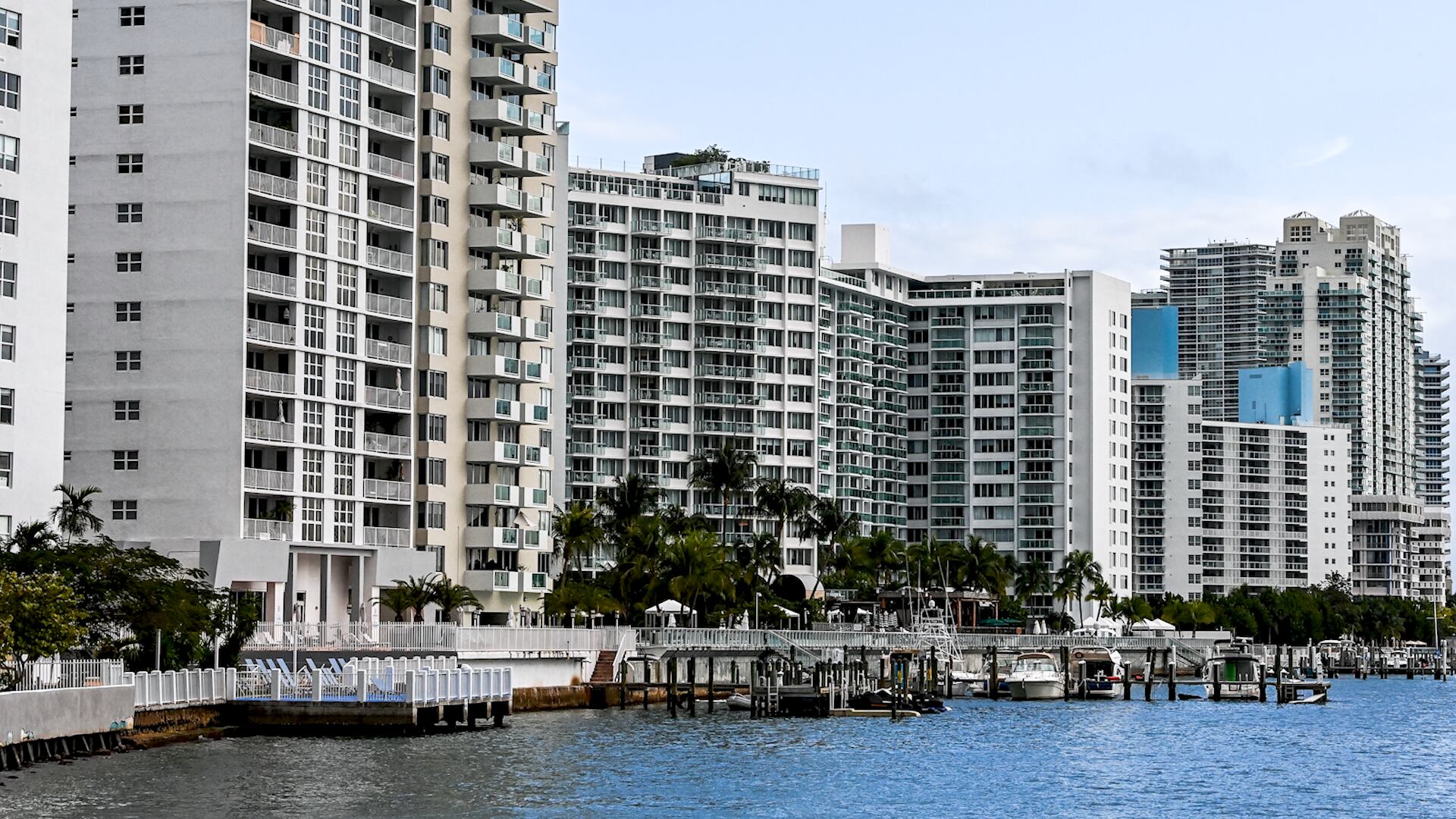
The rise in rental costs has eased as more newly built apartments have come online. Gas and energy prices have fallen steadily. Food costs are moderating. Supply chain snarls are no longer blocking trade, thereby lowering the cost for new and used cars, furniture and appliances.
Still, while overall inflation has cooled, “core” inflation — which excludes volatile food and energy costs — has remained chronically high. According to the Fed’s preferred measure, core prices rose 4.6% in March from a year earlier, scarcely better than the 4.7% it reached in July.
UPDATES: Eds: Adds Powell comment and staff photos from presser