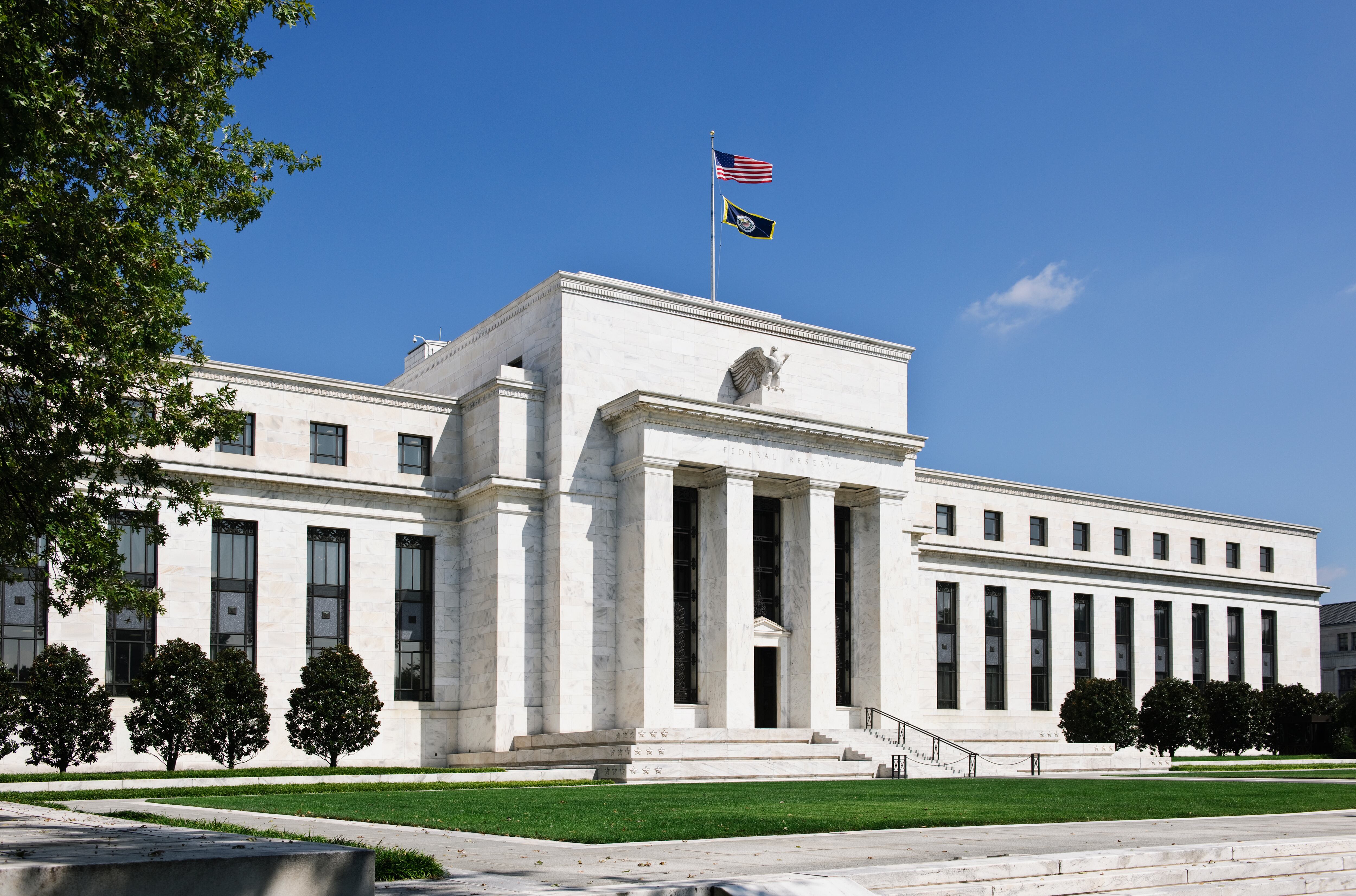
Cash-short banks have borrowed about $300 billion from the Federal Reserve in the past week, the central bank announced Thursday.
Nearly half the money — $143 billion — went to holding companies for two major banks that failed over the past week, Silicon Valley Bank and Signature Bank, triggering widespread alarm in financial markets. The Fed did not identify the banks that received the other half of the funding or say how many of them did so.
The holding companies for the two failed banks were set up by the Federal Deposit Insurance Corporation, which has taken over both banks. The money they borrowed was used to pay their uninsured depositors, with bonds owned by both banks posted as collateral. The FDIC has guaranteed the repayment of the loans, the Fed said.
The figures provide a first glimpse of the scale of the Fed's assistance to the financial sector after the two banks collapsed this past weekend.
The rest of the money was borrowed by banks seeking to raise cash — likely, at least in part, to pay off depositors who tried to withdraw their money. Many mega banks, such as Bank of America, have reported receiving inflows of funds from smaller banks since the bank failures last weekend.
An additional $153 billion in borrowing from the Fed over the past week came through a longstanding program called the “discount window"; it amounted to a record level for that program. Banks can borrow from the discount window for up to 90 days. Typically in a given week, only about $4 billion to $5 billion is borrowed through this program.
The Fed has lent an additional $11.9 billion from a new lending facility it announced on Sunday. The new program enables banks to raise cash and pay any depositors who withdraw money.
Michael Feroli, an economist at JPMorgan Chase, said in research note that the Fed's assistance is, so far, about half what it was during the financial crisis 15 years ago.
“But it is still a big number,” he said. “The glass half-empty view is that banks need a lot of money. The glass half-full take is that the system is working as intended.”
The past week's emergency lending from the Fed seeks to address a leading cause of the collapse of the two banks: Silicon Valley Bank and Signature Bank owned billions of dollars of seemingly safe Treasury and other bonds that paid low interest rates.
Over the past year, as the Fed steadily raised its benchmark interest rate, yields on longer-term Treasurys and other bonds rose. That, in turn, reduced the value of the lower-yielding Treasurys that the banks held.
As a result, the banks couldn't raise enough cash from the sale of their Treasurys to pay the many depositors who were trying to withdraw their money from the banks. It amounted to a classic bank run.
The Fed's lending programs, particularly the new facility it unveiled Sunday, enable financial institutions to post bonds as collateral and borrow against them, rather than having to sell them.
For its new lending facility, the Fed said it has received $15.9 billion in collateral, more than the $11.9 billion it has lent. Banks sometimes provide the Fed collateral before borrowing. That suggests that additional lending is under way.