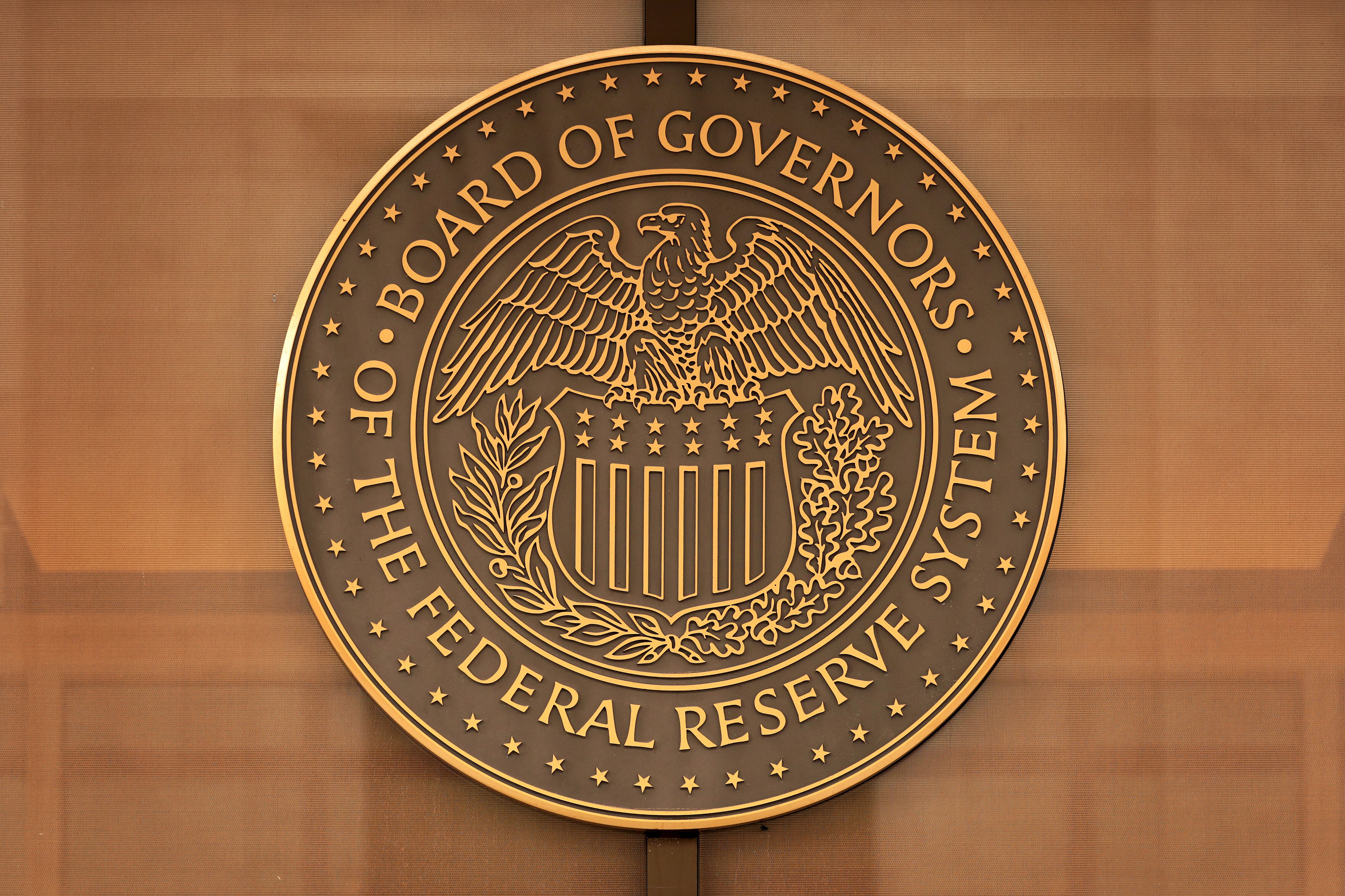
WASHINGTON, DC - MARCH 13: The seal of the Federal Reserve Board is seen outside its William McChesney Martin Building as they joined other government financial institutions to bail out Silicon Valley Bank's account holders after it collapsed on March 13, 2023 in Washington, DC. U.S. President Joe Biden tried to assure the public that the U.S. banking industry was safe following SVB's collapse and after New York regulators' forced closure of Signature Bank. (Photo by Alex Wong/Getty Images)
The U.S. Federal Reserve is working with other central banks around the world to ensure dollars are available to stop any liquidity issues related to the ongoing crisis in the banking sector.
The central bank on Sunday said it has extended its agreements with the Bank of England, Bank of Japan, European Central Bank, Bank of Canada, and the Swiss National Bank to provide U.S. dollar swap lines.
These agreements essentially allow the Fed to pump U.S. dollars into foreign banks by purchasing other currencies in bulk. The Fed first launched them during the Great Financial Crisis to ease strains in the global funding market.
“To improve the swap lines’ effectiveness in providing U.S. dollar funding, the central banks currently offering U.S. dollar operations have agreed to increase the frequency of seven-day maturity operations from weekly to daily,” the Fed said in a statement.
These operations began on Monday morning and will continue through April.
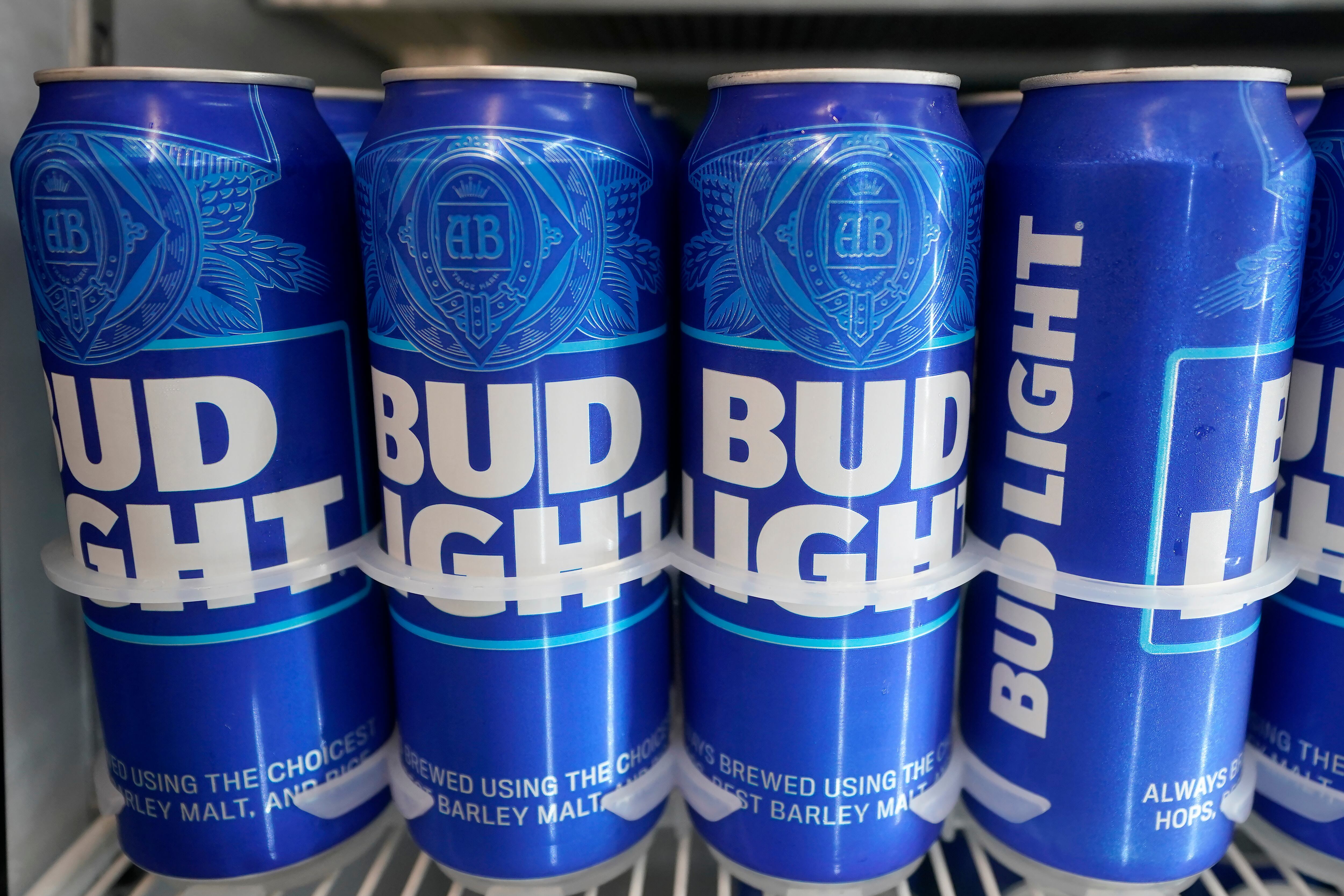
Bud Light's parent company expressed confidence Thursday that its U.S. market share has stabilized after a promotion with a transgender influencer cost it sales.
Earnings kicked off into high gear as Anheuser-Busch posted results on Thursday as Apple and Amazon are set to announce their financials later in the day.
Investors weren't jolted by the downgrade because they already know the fractured state of U.S. politics, the size of the country's public debt, and the challenges it faces to pay for Social Security, Medicare and other expenses.
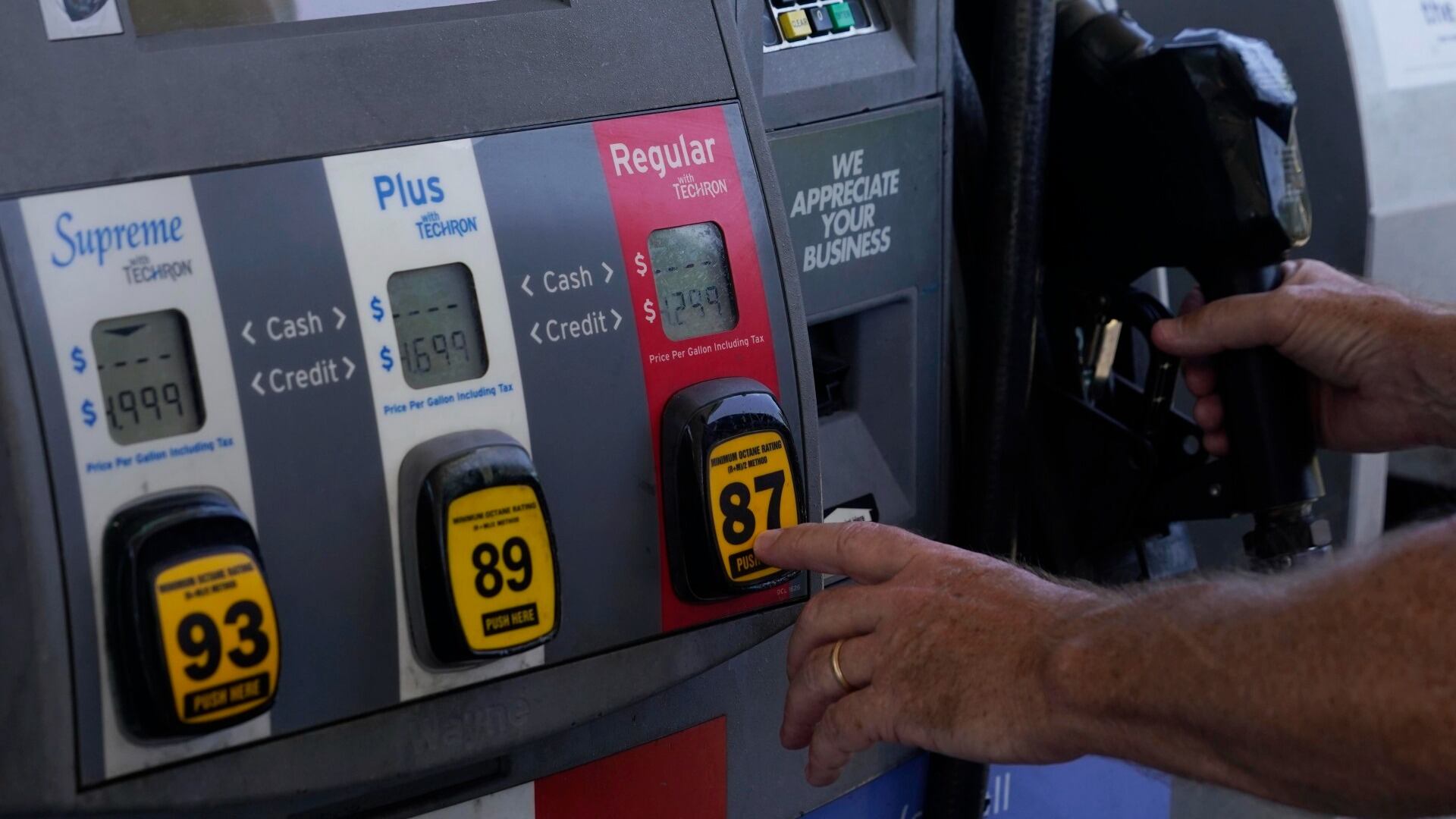
The national average for gas prices stood at about $3.78 a gallon on Tuesday — about 25 cents higher than that seen one month ago, according to motor club AAA. While today's prices at the pump remain far lower than they were last year, when energy costs soared worldwide in the months following Russia's invasion of Ukraine, experts say such a jump is unusual.