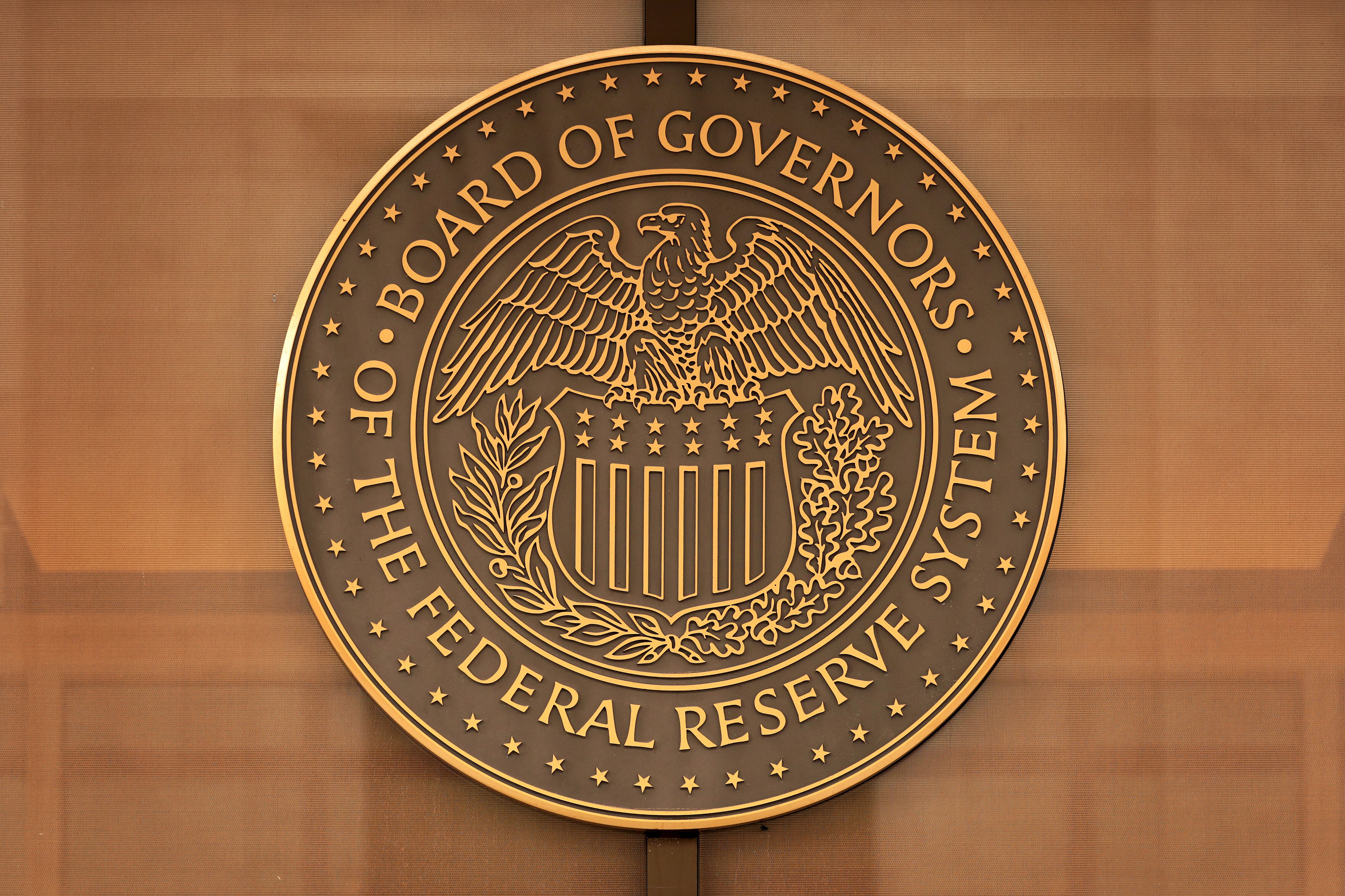
WASHINGTON, DC - MARCH 13: The seal of the Federal Reserve Board is seen outside its William McChesney Martin Building as they joined other government financial institutions to bail out Silicon Valley Bank's account holders after it collapsed on March 13, 2023 in Washington, DC. U.S. President Joe Biden tried to assure the public that the U.S. banking industry was safe following SVB's collapse and after New York regulators' forced closure of Signature Bank. (Photo by Alex Wong/Getty Images)
The U.S. Federal Reserve is working with other central banks around the world to ensure dollars are available to stop any liquidity issues related to the ongoing crisis in the banking sector.
The central bank on Sunday said it has extended its agreements with the Bank of England, Bank of Japan, European Central Bank, Bank of Canada, and the Swiss National Bank to provide U.S. dollar swap lines.
These agreements essentially allow the Fed to pump U.S. dollars into foreign banks by purchasing other currencies in bulk. The Fed first launched them during the Great Financial Crisis to ease strains in the global funding market.
“To improve the swap lines’ effectiveness in providing U.S. dollar funding, the central banks currently offering U.S. dollar operations have agreed to increase the frequency of seven-day maturity operations from weekly to daily,” the Fed said in a statement.
These operations began on Monday morning and will continue through April.
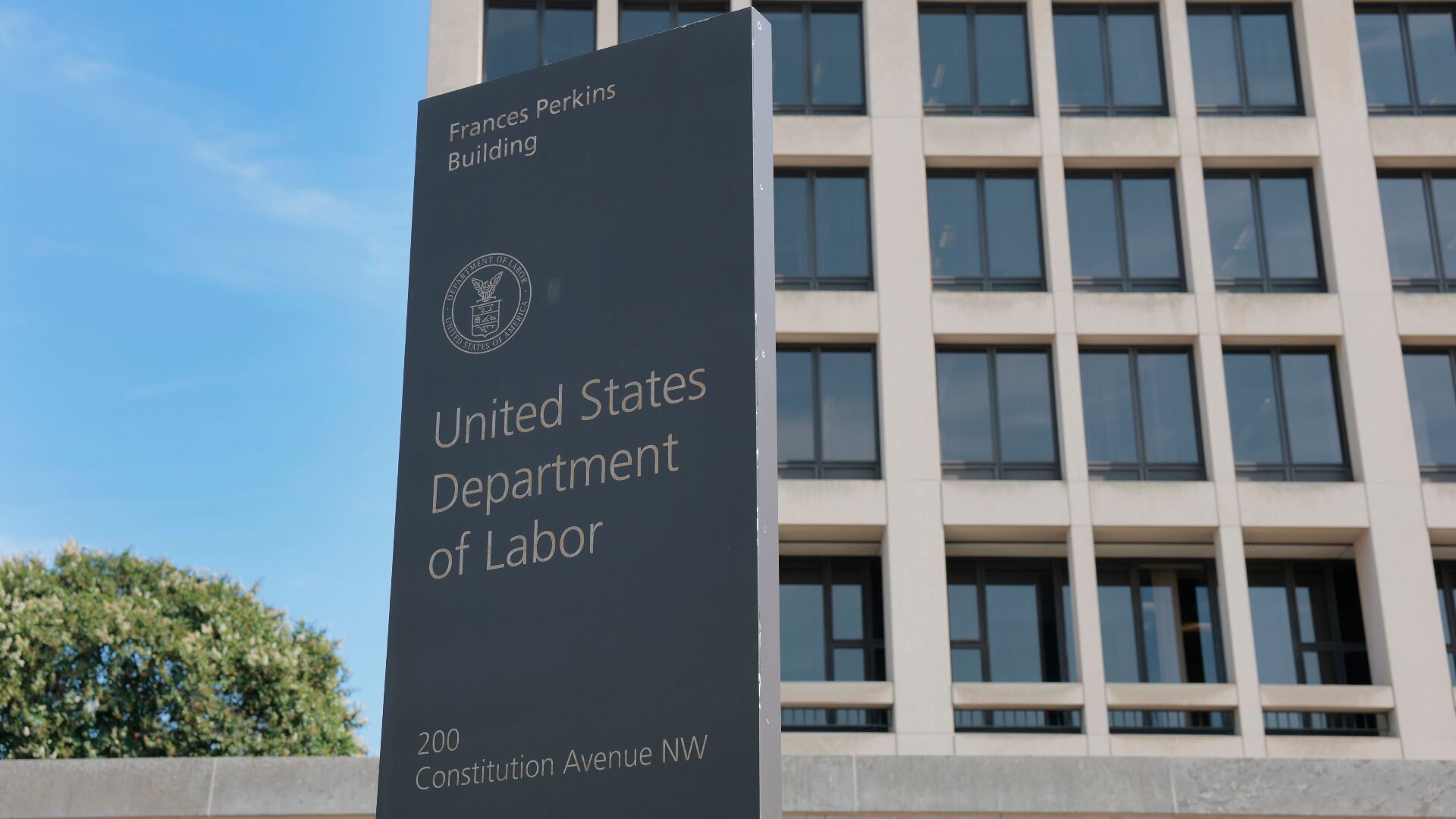
Ahead of the release of October's consumer inflation data Tuesday, you may notice changes from the Bureau of Labor Statistics. When it comes to how it estimates health insurance costs, the move is expected to give a boost to the U.S. inflation measure which will reverse a trend that has provided some relief.
A handful of retailers will report earnings this week, including Home Depot, Target, Walmart and Macy's, as gas prices peaked in September to the end of this latest quarter while borrowing costs remain at their highest levels in decades.
The largest South American airline altered its travel policy because Taylor Swift was supposed to perform in Argentina's capital on Friday but moved the date to Sunday because of inclement weather.