The Federal Reserve announced Thursday that it was expanding a major lending program to provide support for businesses struggling to cope with the economic slowdown caused by the coronavirus pandemic.
The Fed said that it was expanding the scope and eligibility of its Main Street Lending Program which is designed to provide up to $600 billion in loans to small and mid-size businesses that have been harmed by the pandemic and the efforts to contain it.
The Fed said it was allowing businesses with up to 15,000 employees and $5 billion in annual revenues to qualify for loans. That is up from earlier limit of 10,000 employees and $2.5 billion in revenue.
The minimum loan size is being reduced to $500,000, down from an original minimum loan size of $1 million.
This support program, one of many the Fed has unveiled over the past two months, is designed to provide businesses with loans of up to four years from banks at below-market interest rates. Unlike a separate program being run by the Small Business Administration, the loans from the Fed must be repaid but payments can be deferred for one year.
The saga of Adidas' high-profile break-up with Ye, formerly known as Kanye West, continues. Investors have filed a class action lawsuit alleging that executives were aware of Ye's behavioral issues well before Adidas ended its relationship with him last October.
The top financial concern for Americans in 2023 is inflation. Sudha Chandrasekharan, SVP, of Global E-Commerce at Auctane, joins Cheddar News to discuss how this outlook will change consumer spending habits, and why e-commerce is playing a vital role in the economy.
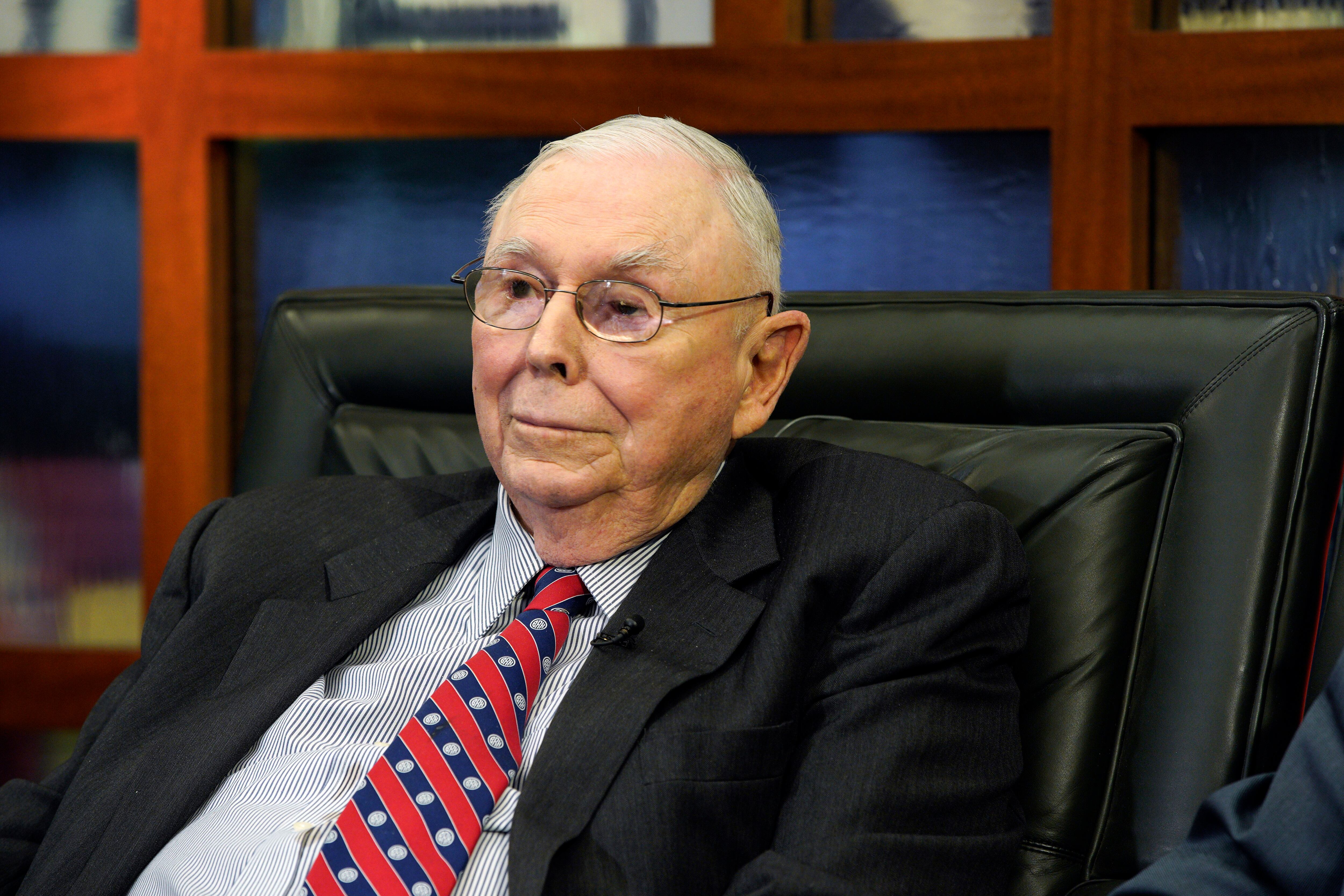
Charlie Munger, vice chairman of Berkshire Hathaway, told the Financial Times that the U.S. commercial property market is in trouble. “It’s not nearly as bad as it was in 2008,” he said. “But trouble happens to banking just like trouble happens everywhere else.”
Labor strife is coming to a head in the entertainment industry, as the Writers Guild of America (WGA) said it's prepared to strike at midnight Tuesday if it doesn't come to terms with the Alliance of Motion Picture and Television Producers (AMPTP).
Regulators seized troubled First Republic Bank early Monday, making it the second-largest bank failure in U.S. history, and promptly sold all of its deposits and most of its assets to JPMorgan Chase.